Vatican medals are more than just exquisite pieces of metal; they are tangible connections to centuries of faith, artistry, and historical events. For many, acquiring a Vatican medal is a deeply personal journey, an embodiment of devotion, a cherished keepsake from pilgrimage, or a unique memento of significant papal pronouncements. These small yet potent objects carry immense weight, whispering tales of spiritual journeys, artistic evolution, and the enduring legacy of the Catholic Church. Understanding the significance and variety of Vatican medals can unlock a fascinating world of religious symbolism and historical narrative.
The allure of Vatican medals lies in their multifaceted nature. They serve as powerful religious artifacts, often depicting saints, biblical scenes, or papal effigies, serving as constant reminders of faith and encouraging prayer and reflection. Beyond their spiritual purpose, they are also collectible works of art, showcasing intricate craftsmanship that has evolved over centuries. Each medal, whether a simple commemorative piece or an elaborate papal issue, tells a story, making them incredibly relatable to individuals seeking to connect with their faith on a deeper, more tangible level.
A Journey Through Time: The Evolution of Vatican Medals
The history of Vatican medals is as rich and layered as the Church itself. From their early beginnings, they have served a dual purpose: to honor individuals and commemorate significant events. Initially, medals were often commissioned by popes to celebrate their accession to the papacy or to mark important milestones during their reign. These early pieces, often cast in bronze or silver, were not merely decorative; they were official records of papal achievements and pronouncements, distributed to dignitaries and favored individuals.
Over time, the scope and artistry of Vatican medals expanded dramatically. The Renaissance brought an unprecedented surge in artistic innovation, and this was reflected in the intricate designs and high level of detail found on medals from this era. Artists began to incorporate more complex iconography, allegorical figures, and classical motifs, transforming these devotional items into miniature masterpieces. Even today, when you hold a modern Vatican medal, you can feel the echo of this long and proud tradition of artistic excellence, a testament to the enduring power of faith expressed through craftsmanship.
Papal Medals: Bearing the Imprint of the Pontiff
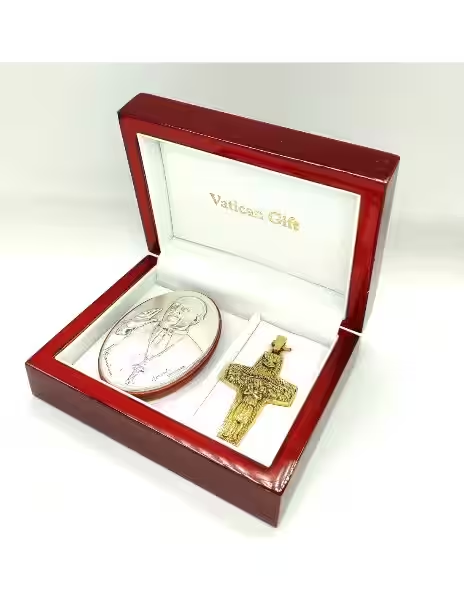
Arguably the most recognizable category of Vatican medals are those bearing the effigy of the reigning Pope. These papal medals are often issued annually or to commemorate specific events during a pontificate, such as papal visits, canonizations, or significant anniversaries. They serve as a direct link to the current spiritual leader of the Catholic Church, allowing believers to feel a closer connection and to remember the teachings and guidance of their Pope. The obverse of these medals typically features a portrait of the Pope, often rendered with remarkable realism and dignity.
The reverse of papal medals is where the narrative truly unfolds. Here, one can find depictions of significant biblical events, patron saints, or symbols representing the Pope’s pastoral themes and encyclicals. For instance, a medal issued during a pontificate focused on mercy might feature imagery of the Good Samaritan or the Prodigal Son. These designs are not arbitrary; they are carefully chosen to convey specific spiritual messages and to serve as visual aids for contemplation and prayer, making each papal medal a mini-catechesis in metal form.
Commemorative and Devotional Medals: A Tapestry of Faith
Beyond the official papal issues, the Vatican has also produced a vast array of commemorative and devotional medals. These often celebrate specific shrines, churches, or important moments in the history of the Church. Think of a medal minted to honor the Holy Year of Mercy, featuring the iconic Holy Door, or one commemorating a canonization, showcasing the newly recognized saint in prayer or performing a miracle. These medals act as tangible reminders of sacred places and profound spiritual experiences, allowing those who cannot physically visit to carry a piece of that sanctity with them.
The beauty of these medals lies in their ability to encapsulate devotion in a small, portable package. Many are designed with specific saints in mind. A medal of Saint Christopher, the patron saint of travelers, might be carried for protection on a journey. A medal of the Infant of Prague could be held for comfort and intercession in times of need. These devotional Vatican medals are not just collected; they are often worn or kept close, serving as constant points of focus for personal prayer and as a source of spiritual strength in the everyday challenges of life.
The Artistry and Symbolism Embedded in Vatican Medals
The creation of Vatican medals is a highly skilled endeavor, often involving renowned artists and engravers. The meticulous attention to detail is a hallmark of these pieces, transforming simple metal into objects of profound beauty and meaning. From the delicate rendering of facial features on a papal portrait to the intricate drapery of a saint’s robe, every element is carefully considered. This dedication to artistic quality elevates Vatican medals beyond mere trinkets, making them heirlooms to be treasured for generations.
The symbolism woven into Vatican medals is incredibly rich and often multilayered. Each image, inscription, and emblem carries a specific meaning within the Catholic tradition. A lily might represent purity, a dove peace, and an anchor hope. Understanding these symbols can unlock a deeper appreciation for the message the medal is intended to convey. For example, a medal depicting Christ the Redeemer with outstretched arms is a powerful visual representation of His sacrifice and invitation to all. These symbols act as a universal language of faith, readily understood by those familiar with Christian iconography.
Materials and Craftsmanship: A Legacy of Quality
The materials used in Vatican medals have varied throughout history, reflecting both availability and the desired prestige of the issue. While bronze and silver have been historically common, higher-end medals, particularly those issued for specific papal occasions or as gifts to important figures, might be crafted from gold. The manufacturing process itself is a testament to enduring craftsmanship. Whether struck or cast, the level of precision required to capture intricate designs is immense.
The finishing techniques applied to Vatican medals also contribute to their aesthetic appeal and symbolic resonance. Patinas can be used to give bronze medals an antique look, while polishing can bring out the gleam of silver and gold. Some medals feature enameling, adding vibrant colors to specific elements of the design, such as the robe of a saint or the background of a scene. This combination of quality materials and expert craftsmanship ensures that each Vatican medal is not only a symbol of faith but also a lasting testament to the artistry of its creation.
Collecting Vatican Medals: A Rewarding Pursuit
For many, the journey into Vatican medals begins with a single purchase, perhaps a souvenir from a trip to Rome. However, for others, it blossoms into a dedicated and rewarding collecting pursuit. The sheer variety available means that collectors can specialize in particular eras, popes, saints, or types of medals, creating a collection that is deeply personal and historically significant. The thrill of the hunt, the discovery of a rare piece, and the accumulation of knowledge about the history and symbolism involved all contribute to the hobby’s appeal.
Building a Vatican medal collection is more than just acquiring objects; it’s about connecting with a rich spiritual and historical narrative. Each medal acquired can become a focal point for learning, sparking curiosity about the events, figures, or doctrines it represents. A collector might delve into the history of a particular Pope whose effigy graces their medals or research the life of a saint depicted on a devotional piece. This engagement fosters a deeper understanding and appreciation of the Catholic faith and its enduring presence in the world, making the hobby both intellectually stimulating and spiritually enriching.
Where to Find Vatican Medals and What to Look For
Finding Vatican medals can be an adventure in itself. The most direct source is, of course, the Vatican itself, where official shops in St. Peter’s Square and other Vatican City locations offer a wide selection, particularly of current papal issues and commemorative pieces. However, for those seeking older or rarer Vatican medals, the world of numismatic dealers, antique shops, and online auction sites becomes essential. These venues often provide access to a broader spectrum of historical pieces.
When considering a Vatican medal for purchase, several factors come into play. Authenticity is paramount. It’s wise to buy from reputable dealers who can guarantee the provenance of their items. Condition is also crucial for collectors; medals in pristine condition, with minimal wear and tear, will generally be more valuable. Finally, understanding the significance of the medal – the event it commemorates, the Pope or saint it depicts, and the symbolism it carries – will greatly enhance its personal value and desirability, transforming a simple purchase into a meaningful acquisition rooted in faith and history.
Frequently Asked Questions about Vatican Medals
What are Vatican medals?
Vatican medals are small, typically round or oval, pieces of metal, often made of bronze, silver, or gold, bearing religious imagery or inscriptions related to the Vatican City State, the Pope, or specific Catholic events and devotions. They can commemorate significant occasions, honor saints, or serve as devotional items.
Vatican medals can be purchased directly from official Vatican sources such as the Vatican Post Office, the Vatican Museums gift shop, or authorized religious goods stores. They are also available from reputable online retailers specializing in religious articles.
What kind of imagery is typically found on Vatican medals?
Common imagery includes portraits of the current or past Popes, images of Jesus Christ, the Virgin Mary, depictions of saints, the Vatican coat of arms, or scenes from biblical events. Some medals may also feature inscriptions in Latin or Italian related to their theme.
Are there different types of Vatican medals?
Yes, Vatican medals can vary significantly. They can be commemorative medals issued for special events (like papal visits or jubilees), devotional medals (like Miraculous Medals or medals of specific saints blessed by the Pope), or medals issued as part of papal regalia or honors.
What is the religious significance of Vatican medals?
For Catholics, Vatican medals often hold devotional and spiritual significance. They can serve as tangible reminders of faith, prayers, and the connection to the Holy See. Medals that have been blessed by the Pope are often considered sacramentals, believed to bring spiritual graces to the wearer or holder.
Can anyone wear or own a Vatican medal?
Anyone can purchase and own a Vatican medal. For Catholics, wearing or keeping a Vatican medal is often a personal act of devotion and a way to express their faith. There are no restrictions on who can possess them.
What does “benediction” mean in relation to Vatican medals?
When a Vatican medal is described as “blessed” or having received a “benediction,” it means it has been formally consecrated or blessed by a priest or bishop, and sometimes by the Pope himself. This blessing imbues the medal with sacramental status for Catholics.
Are Vatican medals valuable?
The monetary value of Vatican medals can vary depending on the material (gold, silver, bronze), the rarity of the issue, the historical significance of the event it commemorates, and its condition. While some may have significant collectible value, their primary value for many is spiritual.
How do I care for a Vatican medal?
Vatican medals can be cared for like any other piece of jewelry or metal artifact. Generally, avoiding harsh chemicals, moisture, and abrasive cleaning methods will help preserve their appearance. For precious metal medals, occasional gentle polishing with a soft cloth is usually sufficient.