For many, the mention of the Vatican evokes images of soaring domes, ancient rituals, and the profound spiritual weight of millennia. Yet, nestled within this grandiosity is a seemingly small detail that offers a surprisingly expansive glimpse into its world: the Vatican stamp. More than just a means to send a letter, these miniature masterpieces are intricate tapestries of faith, history, and artistry, each carrying its own story and significance. From the everyday correspondence of pilgrims to the carefully curated collections of philatelists, the Vatican stamp serves as a tangible, albeit tiny, connection to the heart of the Catholic Church.
Gathering these stamps can be a journey in itself, a way to explore the rich tapestry of religious life and the enduring legacy of the Holy See without ever stepping foot in Rome. Whether you are a seasoned collector or someone simply curious about how even the smallest elements of a nation can tell a compelling story, the world of the Vatican stamp is an unexpectedly fascinating realm to explore. It’s a hobby that blends an appreciation for detailed craftsmanship with a deep dive into the narratives that have shaped global spiritual and historical landscapes.
More Than Just Postage: The Religious Significance of Vatican Stamps
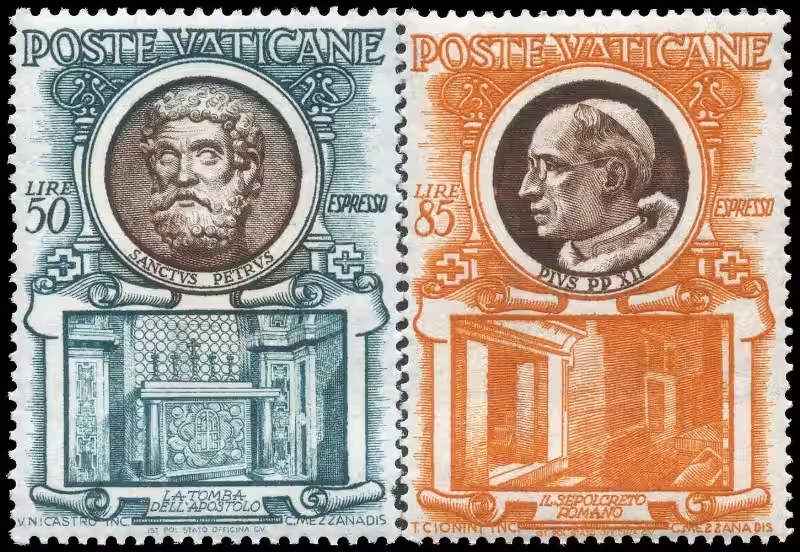
At its core, the Vatican stamp is a testament to the enduring power and visual language of religion. The imagery chosen for these stamps often reflects pivotal moments in Christian history, the lives of saints, important papal pronouncements, or celebrations of significant religious feasts. For instance, a stamp commemorating the Feast of the Annunciation isn’t just a piece of paper; it’s a visual representation of a foundational event in Christian theology, reminding the sender and receiver of divine intervention and the beginning of salvation history. These designs are carefully selected to align with the teachings and spiritual focus of the Vatican State.
Consider the recurring theme of the Pope’s image on many Vatican stamps. This isn’t merely about a head of state; it signifies the living embodiment of Christ’s vicar on Earth, a spiritual leader whose pronouncements and pastoral care resonate with millions worldwide. A stamp featuring Pope Francis, for example, might depict him in prayer, interacting with the faithful, or visiting a charitable institution, each image subtly conveying his message of mercy, social justice, and humility. These stamps, therefore, become miniature emissaries of the Vatican’s spiritual direction and its engagement with the contemporary world, offering a religious perspective on global events and human concerns.
A Visual Catechism: Exploring Faith Through Stamp Designs
The artistic merit of Vatican stamps is undeniable, often featuring religious artworks from famous masters or contemporary designs that capture the essence of a particular theme. Imagine a stamp showcasing a detail from Michelangelo’s Sistine Chapel ceiling, or a depiction of the Nativity by a celebrated Baroque painter. These stamps transform everyday mail into a portable gallery of sacred art, bringing masterpieces usually confined to museums and churches into the hands of people across the globe. This accessibility allows for a deeper, more personal connection with these profound artistic and spiritual expressions.
Furthermore, the denominations and issuing dates of Vatican stamps can themselves hold symbolic meaning. A stamp issued to celebrate a Jubilee year, for instance, is deliberately timed to coincide with a period of special spiritual significance for Catholics, encouraging reflection and devotion. The themes can extend beyond traditional biblical narratives to include modern expressions of faith, such as the work of Catholic charities, interfaith dialogue, or environmental stewardship, reflecting the evolving concerns and outreach of the Church. Thus, each Vatican stamp can be seen as a miniature lesson, a religious visual catechism offering a window into the faith and its contemporary relevance.
The Vatican Stamp as a Historical Document
Beyond their religious iconography, Vatican stamps are invaluable historical documents, charting the evolution of the Vatican City State and its relationship with the wider world. From the earliest issues after the Lateran Treaty in 1929, which formally established the Vatican as an independent state, these stamps have documented significant political and social shifts. For instance, stamps issued during periods of international tension or celebration often reflect the Vatican’s stance or its role as a mediator.
The intricate details within each Vatican stamp can tell stories of anniversaries, papal elections, and major events hosted within Vatican City. A stamp commemorating the 50th anniversary of a significant encyclical, for example, not only highlights that specific theological document but also implicitly underscores the enduring influence of papal teachings over decades. These miniature chronicles provide a unique perspective on the religious and political history of the 20th and 21st centuries, offering a tangible link to past events and the individuals who shaped them.
Chronicles of Papal Leadership and Statehood
The succession of Popes is clearly delineated through the Vatican stamp issues. Each pontificate brings its own set of commemorative stamps, often featuring portraits of the reigning Pope and highlighting key initiatives or anniversaries during their tenure. This creates a fascinating chronological record, allowing collectors and historians to trace the lineage of papal leadership and the distinct emphases of each papacy. It’s a visual timeline of religious authority and its expression through the ages.
Moreover, Vatican stamps have documented the Vatican’s burgeoning role as a modern state. Issues might celebrate infrastructure developments within Vatican City, its participation in international postal agreements, or its engagement with global humanitarian efforts. For example, stamps related to the Vatican’s involvement in peace initiatives during times of conflict showcase the Holy See’s commitment to its role as a moral compass on the world stage. These stamps, therefore, become potent symbols of the Vatican’s sovereignty and its active participation in global affairs, intertwined with its fundamental religious mission.
The Art of Collecting Vatican Stamps: A Journey of Discovery
Collecting Vatican stamps is far more than simply accumulating pieces of paper; it’s an immersive journey of discovery that connects individuals to a rich heritage of faith, art, and history. Each stamp, with its carefully rendered design and historical context, offers a unique narrative waiting to be explored. Philatelists often dedicate years to completing sets, researching the significance of specific issues, and acquiring rare specimens, turning a hobby into a scholarly pursuit.
The appeal of Vatican stamps lies in their exquisite detail and the profound stories they represent. From the vibrant colors used to depict saints and biblical scenes to the precise typography marking dates and denominations, every element is a small work of art. This meticulous craftsmanship, coupled with the undeniable religious and historical weight of their subject matter, makes them highly sought after by collectors worldwide, offering a tangible piece of a globally significant entity.
From Beginner’s Album to Expert Collection
Starting a collection of Vatican stamps can be as simple as saving interesting envelopes received from friends or ordering beginner sets from reputable dealers. The initial focus might be on popular themes like Christmas or Easter issues, or perhaps a series dedicated to a particular Pope. These early acquisitions provide a tactile introduction to the world of philately and the specific charm of Vatican postal history.
As a collector’s interest deepens, their pursuit of Vatican stamps can become more specialized. They might focus on specific eras, such as pre-war issues, or seek out stamps featuring particular saints, architectural landmarks within Vatican City, or even errors and variations for the thrill of the hunt. This journey involves extensive research, understanding the nuances of printing methods, and building relationships within the philatelic community, transforming a casual interest into a comprehensive and rewarding religious and historical archive.
Thematic Collecting: A Deeper Dive into Faith and Culture
One of the most rewarding aspects of collecting Vatican stamps is the opportunity for thematic exploration. Collectors can curate albums centered around specific aspects of religious life, such as:
Saints and Martyrs: Stamps honoring canonized individuals and their stories of faith and sacrifice.
Biblical Narratives: Issues depicting key events from the Old and New Testaments, offering visual interpretations of scripture.
Papal Anniversaries and Events: Commemorations of significant papal milestones, encyclicals, or international gatherings.
Vatican Architecture and Art: Stamps showcasing the stunning artistic and architectural treasures of Vatican City.
Ecumenical Relations: Issues that highlight the Vatican’s engagement with other Christian denominations and world religions.
This thematic approach allows for a more profound engagement with the religious messages embedded within the stamps. By grouping stamps that share a common theme, collectors can build a narrative, understand the interconnectedness of various religious concepts, and gain a richer appreciation for the diverse ways in which faith is expressed and celebrated. The Vatican stamp, in this context, becomes not just a postal item but a key to unlocking a deeper understanding of spirituality and its cultural manifestations.
Vatican Stamp: Frequently Asked Questions
What is a Vatican stamp?
A Vatican stamp is a postage stamp issued by the Vatican City State. These stamps are used for mailing letters and packages originating from or destined for the Vatican.
What is the religious significance of Vatican stamps?
Many Vatican stamps feature religious imagery, such as depictions of saints, biblical scenes, or significant religious landmarks within Vatican City. They often commemorate important religious events, anniversaries of the papacy, or celebrate Catholic traditions, reflecting the spiritual and religious identity of the Vatican.
Do Vatican stamps have any monetary value beyond postage?
Yes, Vatican stamps are also considered collector’s items. Their value to philatelists can exceed their face value due to their rarity, historical significance, artwork, and the demand from collectors worldwide.
Are Vatican stamps only for use within Vatican City?
Vatican stamps are valid for postage on mail sent from Vatican City to any destination worldwide. They are not typically used for postage within other countries, though some specialized collectors might collect them for their thematic content regardless of postal use.
Where can I buy Vatican stamps?
Vatican stamps can be purchased directly from the Vatican Post Office, authorized philatelic dealers, and online marketplaces that specialize in stamps.
Are Vatican stamps related to the Catholic Church?
Yes, Vatican stamps are intrinsically linked to the Catholic Church as they are issued by the Vatican City State, which is the sovereign territory of the Holy See and the center of the Catholic Church. The themes and designs of the stamps often reflect the doctrines, history, and leadership of the Catholic faith.