In today’s rapidly evolving world, the echoes of faith no longer solely resonate within the hallowed walls of our churches. The digital landscape has become a vibrant, bustling public square, and for faith communities, understanding how to best engage there is paramount. This is where the strategic brilliance of a church social media calendar steps in, not as a mere task list, but as a roadmap for connection, community, and the spreading of the Gospel in the twenty-first century.
Many church leaders and members grapple with the question: “How do we translate the warmth of fellowship and the depth of our spiritual journey into a format that resonates online?” It’s a valid concern. The fear of appearing insincere, of reducing sacred moments to fleeting content, is real. Yet, the opportunity to reach new hearts, to offer solace to the disconnected, and to foster a sense of belonging beyond Sunday morning is too significant to ignore. A well-thought-out church social media calendar is your compass and your anchor in this digital sea.
Beyond the Bulletin Board: Why a Church Social Media Calendar is Essential
Gone are the days when a printed bulletin and a weekly announcement were sufficient for communication. In an era where news travels instantaneously and conversations happen in real-time, your church needs to be a part of that dialogue. A church social media calendar isn’t about chasing trends; it’s about intentional communication and consistent engagement with your congregation and the wider community.
Think of it this way: imagine planning a potluck dinner. You wouldn’t just show up with random dishes, hoping for the best. You’d coordinate, ensure a variety of flavors, and make sure there’s enough for everyone. Similarly, a church social media calendar allows for a planned and balanced approach to your online presence. It ensures that your message is diverse, engaging, and reaches people at different points in their spiritual journey. From sharing inspirational verses to highlighting community outreach, a structured approach prevents important messages from being lost in the digital noise.
Building Bridges: Fostering Community Online
The heart of any church is its community, and social media offers a powerful extension of that. A church social media calendar allows you to deliberately cultivate this online community, making members feel connected even when they can’t be physically present. This could involve sharing photos from events, highlighting volunteer efforts, or even creating polls and Q&A sessions to encourage interaction.
Consider the impact of a simple Facebook post featuring a candid picture of your youth group engaged in a service project. This isn’t just a photo; it’s a testament to your church’s values in action, a story that resonates with others who care about service. A church social media calendar helps you consistently showcase these stories, building a stronger sense of collective identity and encouraging participation in church activities. It’s about demonstrating the vibrant life of your church, not just stating it.
Sharing the Message: Expanding Your Reach with Faith-Filled Content
The Gospel is a message of hope, love, and redemption, and social media provides an unprecedented platform to share it. A well-crafted church social media calendar ensures that your faith-filled content is delivered consistently and effectively. This could include daily devotionals, short sermon clips, testimonies of faith, or even invitations to virtual services and events.
For example, instead of just announcing next week’s sermon topic, your church social media calendar might include a series of posts leading up to it: a compelling question related to the theme, a brief Bible verse that sets the stage, and finally, the invitation to join the service to hear the full message. This multi-faceted approach can pique interest and draw people in, making the spiritual message more accessible and engaging for those who may not attend in person.
Crafting Your Church Social Media Calendar: A Step-by-Step Guide
Developing an effective church social media calendar doesn’t require a degree in digital marketing, but it does demand thoughtful planning and a clear understanding of your church’s goals. It’s about being intentional with your online presence, rather than haphazard.
The first crucial step is to define your objectives. What do you hope to achieve with your social media efforts? Are you looking to increase attendance, foster deeper engagement among current members, attract new families, or raise awareness for specific ministries? Once you have clear goals, you can tailor your content and schedule to meet them. A church social media calendar becomes a tool to achieve tangible results.
Laying the Foundation: Understanding Your Audience and Platforms
Before you even think about what to post, it’s vital to understand your audience and where they spend their time online. Consider the demographics of your church. Are they primarily on Facebook, Instagram, YouTube, or perhaps even TikTok? A church social media calendar should be built with your specific congregants in mind.
For instance, if your church has a significant number of older members, a Facebook page might be your primary focus, sharing longer updates and event details. If you’re aiming to reach younger families, Instagram and even TikTok could be more effective for sharing visually appealing content and short, engaging videos. Researching popular hashtags within your denomination or local area can also help expand your reach. The key is to meet people where they are, making your message accessible and relevant.
The Pillars of Content: What to Include in Your Calendar
A balanced church social media calendar should incorporate a variety of content types that reflect the multifaceted nature of your church. Think of it as a diet for your followers – you need a mix of essential nutrients.
Here are some key content pillars that can form the backbone of your calendar:
Spiritual Nourishment:Daily devotionals, inspirational quotes, scripture readings, short prayer prompts, and encouraging messages. These should be readily shareable and offer a moment of reflection.
Community Connection:Photos and videos from church events, volunteer spotlights, member testimonials, announcements about small groups, and opportunities for fellowship. This highlights the human element and the active life of your church.
Ministry Highlights:Showcasing the work of your various ministries – from children’s programs and youth groups to outreach initiatives and charitable works. This demonstrates your church’s impact beyond its walls.
Calls to Action:Encouraging event registration, donation appeals, volunteer sign-ups, and invitations to attend services (both in-person and online). This is where you guide your audience towards deeper involvement.
Educational Content:Brief explanations of theological concepts, historical church facts, or insights into upcoming sermon series. This can be a valuable resource for spiritual growth.
By consciously planning for each of these categories within your church social media calendar, you ensure a well-rounded and engaging online presence that speaks to various needs and interests.
The most effective church social media calendar is one that is consistently followed. Sporadic posting can lead to a loss of audience engagement and make your church appear less active online. Consistency builds trust and familiarity.
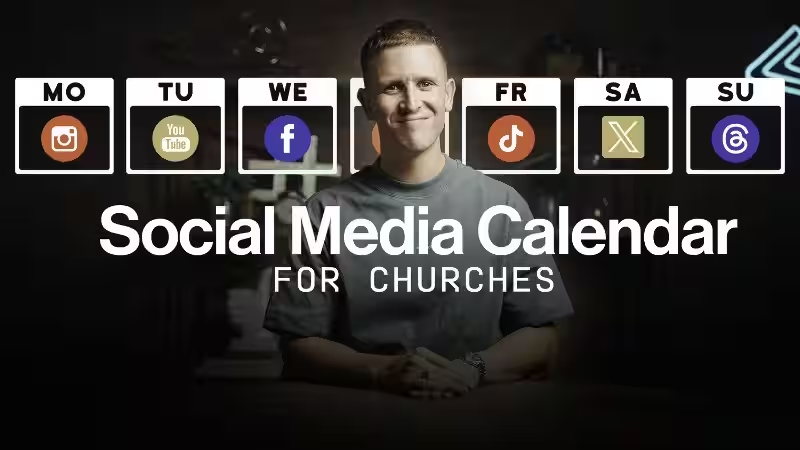
Consider establishing a weekly or monthly content schedule. For example, you might designate Mondays for “Motivational Mondays” with an inspirational quote, Wednesdays for “Wisdom Wednesdays” with a short sermon clip, and Fridays for “Fellowship Fridays” featuring community highlights. This structured approach, facilitated by your church social media calendar, makes content creation more manageable and ensures a steady stream of relevant posts. Tools like Buffer or Hootsuite can be invaluable for scheduling posts in advance, freeing up valuable time for ministry.
Making Your Church Social Media Calendar Work for You
A church social media calendar is not a rigid set of rules, but a flexible framework designed to serve your church’s unique mission. The goal is to enhance your ministry, not to become a burden.
Remember to listen to your audience. Pay attention to comments, messages, and the types of posts that receive the most engagement. Use this feedback to refine your content strategy and adjust your church social media calendar accordingly. What resonates with your community? What questions are they asking? Your social media should be a two-way conversation.
Embracing the Human Element: Authenticity and Vulnerability
In the digital space, authenticity is paramount. Your church social media calendar should reflect the genuine heart and spirit of your congregation. Avoid overly polished or corporate-sounding language. Instead, aim for a tone that is warm, approachable, and reflects the unique personality of your church.
Sharing stories of real people and real experiences can be incredibly powerful. This might include a heartfelt testimony from a member who has overcome a challenge, a behind-the-scenes look at how a ministry operates, or even a lighthearted moment from a church event. When your church social media calendar prioritizes these authentic narratives, it builds stronger connections and fosters a deeper sense of belonging.
Measuring Your Impact: Tracking and Adapting
To ensure your church social media calendar is effective, it’s crucial to track your progress and adapt your strategy. Most social media platforms offer built-in analytics that can provide valuable insights into your audience’s behavior.
Look at metrics such as reach, engagement rates, website clicks, and follower growth. Are your posts encouraging conversations? Are people signing up for events you’re promoting? By regularly reviewing these analytics, you can identify what’s working well and what needs improvement. This data-driven approach allows you to optimize your content and schedule, making your church social media calendar a dynamic and ever-evolving tool for ministry.
In conclusion, a church social media calendar is more than just a tool for scheduling posts; it’s a strategic imperative for any faith community seeking to thrive in the digital age. By embracing intentional planning, focusing on authentic connection, and consistently sharing your message, you can harness the power of social media to deepen your existing community and reach new hearts with the transformative message of faith. Let your church social media calendar be your guide to building a vibrant, connected, and impactful presence both online and off.
Frequently Asked Questions: Church Social Media Calendar
What is a church social media calendar?
A church social media calendar is a planned schedule of content to be posted across various social media platforms (like Facebook, Instagram, Twitter, etc.) for a specific period, usually a week or month. It helps churches consistently share updates, announcements, inspirational messages, and engage with their community online.
Why is a social media calendar important for a church?
It ensures a consistent online presence, allows for strategic planning of content, helps avoid last-minute scrambling for posts, and ensures that important events and messages are communicated effectively. It also helps maintain a unified brand voice and theme.
What kind of content should I include in a church social media calendar?
Content can include:
Announcements for upcoming services, events, and programs.
Inspirational quotes or Scripture verses.
Photos or videos from recent events or services.
Devotional thoughts or reflections.
Information about volunteer opportunities.
Stories of impact or testimonies.
Prayer requests (with permission).
Links to sermons, blog posts, or church website.
Live stream schedules.
Holiday greetings and specific religious observances.
How often should a church post on social media?
The optimal frequency varies by platform and audience engagement. Generally, consistency is more important than sheer volume. Aim for at least 2-3 posts per week per platform, but focus on quality and relevance over quantity. Monitor your analytics to see what works best for your congregation.
What are the key elements to include in a social media calendar entry?
Each entry should typically include:
Date and time of posting.
Platform(s) for the post.
The actual text/caption for the post.
Any accompanying media (image, video, link).
Relevant hashtags.
A call to action (if applicable).
Who is responsible for creating and posting.
How far in advance should I plan the social media calendar?
Many churches find it effective to plan at least a month in advance. This allows ample time for content creation, gathering photos, and coordinating with different ministries. For major events, planning even further out is recommended.
What are some popular social media platforms for churches?
The most common platforms include:
Facebook: Great for community building, event promotion, and sharing longer updates or videos.
Instagram: Ideal for visually engaging content like photos and short videos, often with inspirational quotes.
YouTube: Perfect for sharing full-length sermons, worship services, or longer video messages.
Twitter (X): Useful for quick announcements, links to articles, and engaging in conversations.
How can I adapt the social media calendar for different religious holidays and seasons?
Align your content with the liturgical calendar or relevant religious seasons. For example, during Advent, focus on themes of hope and anticipation; during Lent, focus on reflection and repentance; and for major holidays like Easter or Christmas, plan a series of posts leading up to and during the event, highlighting the significance of the celebration.
Should I use a template for my church’s social media calendar?
Yes, using a template can be very helpful. Templates can be simple spreadsheets (like Excel or Google Sheets) or dedicated social media management tools. They provide a structured way to organize your content.
How can I measure the success of my church’s social media efforts?
Track key metrics like engagement rates (likes, comments, shares), reach (how many people saw your content), website clicks, event RSVPs or attendance linked to social media promotion, and follower growth. Most social media platforms offer built-in analytics tools.