The concept of fasting is as ancient as it is widespread, a practice woven into the very fabric of many religious traditions. Yet, the true essence of fasting often gets lost in the physical act of abstaining from food or drink. True fasting is not simply about emptying your stomach; it’s about a profound spiritual recalibration, a deliberate turning inward to connect with the divine and understand oneself more deeply. It’s a journey of intentional sacrifice, a powerful tool for spiritual growth and a cornerstone of religious devotion across diverse faiths.
Many associate fasting solely with the physical discomfort, the gnawing hunger, or the thirst that can accompany periods of abstinence. However, these are merely the surface-level manifestations. The real power of true fasting religion lies in what it cultivates within the heart and mind. It’s a discipline that, when approached with the right intention, can unlock profound spiritual insights and strengthen one’s faith in ways that regular, unexamined living cannot.
Understanding the Spiritual Landscape of True Fasting
At its core, true fasting in a religious context is an act of devotion and self-discipline. It’s a conscious choice to temporarily set aside physical comforts to prioritize spiritual needs. This isn’t about masochism; rather, it’s about recognizing that our physical appetites can often distract us from the deeper currents of our spiritual lives. By voluntarily limiting these appetites, we create space for something more significant to emerge.
Consider the analogy of decluttering a room. When a space is filled with unnecessary items, it becomes difficult to find what you truly need. Similarly, our lives can become cluttered with the constant demands of our physical senses and desires. True fasting acts as a spiritual decluttering, helping us to shed the superficial and reconnect with the essential. This deliberate act of abstention, when rooted in religious conviction, becomes a profound expression of faith, a tangible way to say, “My spiritual connection is more important than my immediate physical comfort.”
The Deeper Purpose: Cultivating Inner Stillness and Connection
One of the primary aims of true fasting is to cultivate inner stillness. In our hyper-connected, always-on world, finding moments of genuine quiet can feel like an impossibility. Fasting, by its very nature, encourages a slowing down. The absence of the usual routines associated with eating, and the potential for physical discomfort, can force us to confront our internal landscape in a way that is often avoided. This stillness isn’t empty; it’s a fertile ground for introspection and contemplation.
This cultivated stillness is the gateway to a deeper connection with the divine. Religions often teach that God or a higher power speaks to us in quiet moments, in the whispers of conscience, or in the subtle stirrings of the soul. When we are constantly bombarded by external stimuli, these subtle communications can be drowned out. True fasting religion provides a sacred pause, a period where the noise of the world recedes, allowing us to become more receptive to spiritual guidance and a more profound sense of presence.
Beyond Food: Fasting from Distractions and Desires
While abstaining from food is the most common form of fasting, true fasting extends far beyond the physical. It involves a holistic approach, encompassing the abstention from various distractions and unhealthy desires that can pull us away from our spiritual center. This might include fasting from:
Excessive entertainment: Limiting social media, television, or other forms of passive entertainment that consume our time and attention.
Gossip and negativity: Consciously choosing to refrain from engaging in or spreading negative talk, focusing instead on uplifting and constructive communication.
Materialistic pursuits: Temporarily setting aside the relentless pursuit of possessions and worldly status to focus on intangible spiritual values.
Unhealthy habits: Abstaining from any habit that hinders spiritual progress or well-being, whether it’s smoking, excessive spending, or even complaining.
When we engage in this broader understanding of true fasting, we begin to see its transformative potential in all areas of our lives. It’s not just about a day or two of voluntary hunger; it’s a lifestyle shift towards greater intentionality and spiritual awareness.
The Multifaceted Benefits of True Fasting in Religious Practice
The practice of true fasting religion offers a rich tapestry of benefits, impacting individuals on physical, mental, and spiritual levels. These advantages are not merely superficial; they are deeply interwoven with the core tenets of religious life, fostering personal growth and strengthening one’s connection to the divine.
One of the most immediate benefits is the heightened spiritual awareness it engenders. By stepping away from the routine demands of physical sustenance, individuals are often led to a more profound appreciation for the blessings they usually take for granted. This can include a renewed sense of gratitude for food, water, and the very gift of life itself. This mindful acknowledgment of what we have, often overlooked in the rush of daily life, is a cornerstone of spiritual development.
Enhanced Self-Control and Discipline
A significant outcome of true fasting is the development of self-control and discipline. The ability to resist physical cravings, even for a limited time, builds mental fortitude. This is a skill that extends far beyond the fasting period, empowering individuals to exercise greater control over other impulses and desires in their lives. Imagine a student trying to resist the urge to play video games and instead focusing on studying for an exam. The discipline learned through fasting can be applied to all such challenges, leading to greater personal achievement and spiritual maturity.
This enhanced self-mastery is crucial for navigating the temptations and distractions that characterize the modern world. Religions often teach that our desires, if unchecked, can lead us astray. True fasting provides a practical training ground for mastering these desires, making it easier to adhere to religious principles and ethical guidelines throughout the year. It’s a powerful way to reinforce the internal compass that guides us towards righteousness.
Deepened Empathy and Compassion
Perhaps one of the most profound, yet often overlooked, benefits of true fasting is the cultivation of empathy and compassion. When we voluntarily experience even a fraction of the hunger or deprivation that many in the world face daily, it can create a powerful, visceral connection to their struggles. This firsthand, albeit temporary, experience can transform abstract notions of poverty and suffering into tangible realities, igniting a deeper desire to help those less fortunate.
This heightened sense of empathy is a direct manifestation of true fasting religion. It moves beyond intellectual understanding and fosters a genuine emotional and spiritual connection with humanity. This can translate into increased acts of charity, a greater willingness to serve others, and a more profound commitment to social justice principles that are central to many religious teachings. It encourages us to see the divine in every person and to act accordingly, with kindness and understanding.
Spiritual Renewal and Rejuvenation
Ultimately, true fasting religion serves as a powerful catalyst for spiritual renewal and rejuvenation. It’s a dedicated period to cleanse the soul, to shed the burdens of worldly concerns, and to reconnect with the source of our spiritual strength. The physical act of abstention, when coupled with prayer, meditation, and reflection, can lead to a profound sense of peace and clarity. It’s akin to a spiritual reset button, allowing individuals to emerge from the experience feeling revitalized and more deeply aligned with their faith.
This renewal isn’t just a temporary feeling; it can lead to lasting changes in perspective and behavior. Individuals who engage in true fasting often report a renewed sense of purpose, a clearer understanding of their spiritual path, and a deeper, more abiding faith. It’s a practice that invites us to shed the old and embrace the new, both within ourselves and in our relationship with the divine.
Embarking on the Path of True Fasting: Practical Steps and Considerations
Approaching true fasting requires careful consideration and a commitment to its spiritual purpose, rather than just the physical act. It’s a journey that is best undertaken with intention, preparation, and a spirit of openness to what the experience may reveal. Simply stopping eating without a deeper understanding or intention can be a missed opportunity for profound spiritual growth.
Before embarking on a fast, it is wise to consult with religious leaders or experienced practitioners within your tradition. They can offer invaluable guidance on the specific practices, duration, and spiritual intentions associated with fasting in your faith. This guidance can help ensure that your fast is both safe and spiritually meaningful, maximizing its potential for positive impact. Seek out their wisdom, as it has been passed down through generations of faithful individuals.
Preparation and Intention Setting
The success of true fasting is significantly influenced by the preparation and intention one brings to it. Just as an athlete trains before a major competition, a spiritual fast benefits from intentional preparation. This involves:
Setting a clear spiritual intention: What do you hope to achieve through this fast? Is it greater clarity, deeper devotion, increased compassion, or a specific spiritual insight? Writing down your intention can be a powerful way to solidify it.
Gradual dietary adjustments: If you are new to fasting, it can be beneficial to gradually reduce your intake of certain foods in the days leading up to the fast. This helps your body adjust and can lessen potential discomfort.
Mental and emotional readiness: Prepare yourself mentally for the challenges and potential introspection that fasting may bring. This might involve journaling, increased prayer, or seeking supportive conversations with trusted individuals.
This deliberate preparation ensures that the physical act of fasting is anchored in a strong spiritual purpose, transforming it from a mere dietary restriction into a sacred practice.
During the Fast: Mindfulness and Prayer
While fasting, the focus should remain on the spiritual aspects. This means actively engaging in practices that deepen your connection to the divine and foster introspection. This includes:
Increased prayer and meditation: Dedicate more time to prayer, contemplation, and meditation. These practices help to quiet the mind and open the heart to spiritual insights.
Reflection and journaling: Use the quiet moments to reflect on your life, your faith, and your spiritual journey. Journaling can be an excellent tool for processing thoughts and emotions that arise.
Acts of service (where appropriate): Some traditions encourage continued acts of service during fasting, provided they do not overly tax the body or detract from the spiritual focus. This can be a beautiful way to express compassion learned through the fast.
Mindful engagement with discomfort: When physical discomfort arises, try to approach it with mindfulness rather than resistance. See it as an opportunity to practice patience and detachment, further strengthening your true fasting discipline.
By actively engaging in these practices, the period of fasting becomes a rich and transformative spiritual experience, not just a physical challenge.
Breaking the Fast: A Gentle Return
The way one breaks a fast is as important as the fast itself, for it marks the transition back to regular life and influences how the benefits of the fast are integrated. True fasting religion emphasizes a gentle and mindful return to normal eating patterns.
Start with light, easily digestible foods: Avoid overwhelming your system with heavy or complex meals immediately after the fast. Begin with simple options like fruits, vegetables, or broths.
Continue mindful eating: Carry the awareness developed during the fast into your mealtime. Eat slowly, savor your food, and be grateful for its nourishment.
Reflect on the experience: Take time to reflect on what you learned during the fast. How can you integrate the insights and disciplines gained into your daily life?
By approaching the breaking of the fast with the same intentionality as the fast itself, individuals can ensure that the spiritual momentum is maintained and that the lessons learned contribute to lasting personal and spiritual growth. True fasting is not just an event; it’s a pathway to a more connected and purposeful life.
Frequently Asked Questions: True Fasting in Religion
What is true fasting?
True fasting, in a religious context, goes beyond simply abstaining from food and drink. It involves a spiritual discipline where one denies oneself not only physical sustenance but also other desires and distractions to focus more deeply on prayer, repentance, meditation, and connection with the divine. It is often seen as a means of purification, humility, and seeking spiritual strength or guidance.
Which religions practice fasting?
Fasting is a significant practice in many major religions, including:
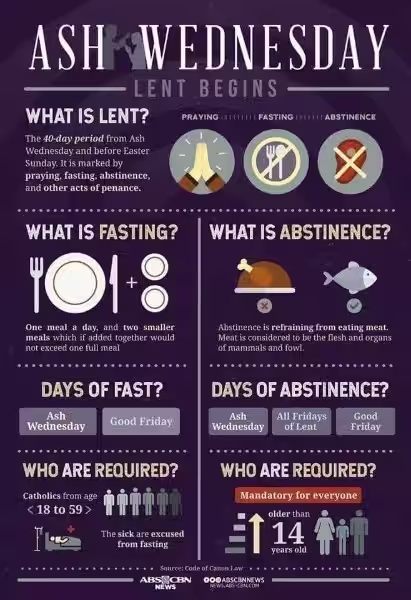
Christianity: Observed during Lent, on specific feast days, and by various denominations for spiritual discipline.
Islam: The most prominent example is Ramadan, a month of fasting from dawn to sunset, and other voluntary fasts throughout the year.
Judaism: Yom Kippur (Day of Atonement) is a full 25-hour fast, and other minor fast days commemorate historical events.
Buddhism: Monks and nuns often observe fasting rules, and lay Buddhists may engage in fasting on specific days for spiritual merit.
Hinduism: Various deities are honored with fasts, and they are often observed on specific days of the week or lunar cycles.
Sikhism: While not a central tenet, voluntary fasting is practiced by some individuals for spiritual purification.
What is the purpose of religious fasting?
The purposes of religious fasting are varied and often interconnected:
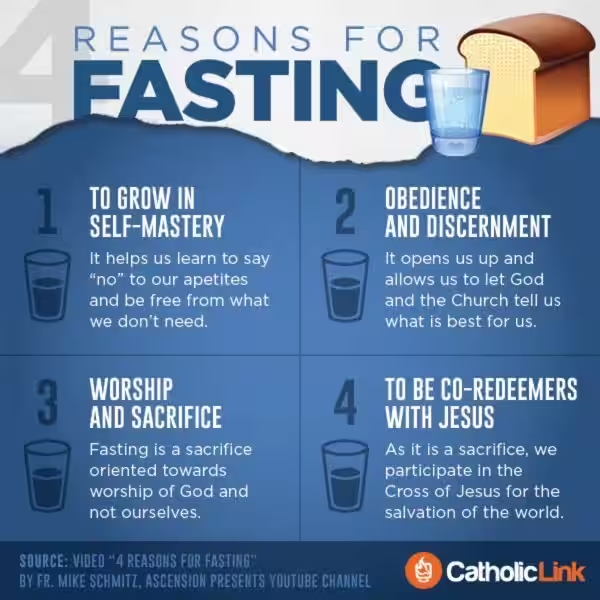
Spiritual Discipline and Self-Control: To train the mind and body to resist worldly desires and cultivate self-mastery.
Humility and Repentance: To acknowledge one’s dependence on God and to express remorse for sins.
Deepening Relationship with the Divine: To clear the mind and spirit for prayer, meditation, and a more intimate connection with God or the sacred.
Empathy and Compassion: To experience a semblance of hunger and hardship, fostering empathy for the poor and less fortunate.
Seeking Guidance and Strength: To prepare oneself to receive divine wisdom or to gain strength in challenging times.
Purification: To cleanse the body and spirit, promoting spiritual and physical well-being.
Are there different types of religious fasts?
Yes, religious fasts can vary in their duration, what is abstained from, and their intensity:
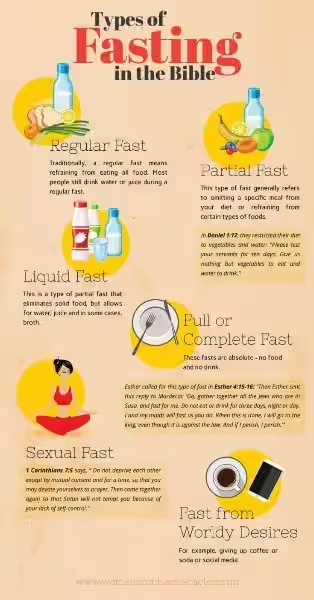
Complete Fasts: Abstaining from all food and drink.
Partial Fasts: Abstaining from specific types of food (e.g., meat, sweets) or limiting meals to one or two per day.
Daytime Fasts: Abstaining from food and drink only between sunrise and sunset.
Fasts of Silence: In addition to abstaining from food, one may also commit to periods of silence.
Fasts from Other Desires: Some traditions encourage fasting from activities like entertainment, gossip, or other worldly pleasures.
Are there exceptions to religious fasting?
Most religious traditions recognize legitimate exceptions to fasting for health and well-being. These typically include:
The Sick and Elderly: Those who are ill or too frail to undertake a fast.
Pregnant and Nursing Mothers: For the health of both mother and child.
Children: Young children are generally exempt until they reach an age of spiritual maturity.
Travelers: In some traditions, those undertaking long journeys may be excused.
Individuals with Chronic Health Conditions: Those whose health would be seriously compromised by fasting.
It is always advisable to consult with religious leaders or healthcare professionals regarding personal fasting practices.