In the tapestry of religious devotion, periods of intense spiritual focus offer a profound pathway to connection, transformation, and a renewed sense of purpose. Among these sacred practices, the 21-day prayer and fasting experience stands out as a powerful and transformative discipline. This structured period, often undertaken by individuals and communities seeking a more intimate relationship with the divine, is not merely about abstaining from food; it’s a holistic commitment to deepening spiritual understanding, seeking divine guidance, and fostering personal growth through dedicated prayer and intentional sacrifice.
Many find themselves drawn to a 21-day prayer and fasting initiative when facing significant life decisions, navigating challenging circumstances, or simply desiring a more profound spiritual encounter. It’s a time to deliberately set aside distractions, quiet the noise of the everyday, and amplify the voice of God in one’s life. This article will serve as your comprehensive guide, exploring the ‘why,’ ‘how,’ and ‘what’ of embarking on a rewarding 21-day prayer and fasting journey, making it accessible and impactful for believers across various traditions.
The Purpose Behind the Practice: Why Embrace 21-Day Prayer and Fasting?
The commitment to a 21-day prayer and fasting period is rooted in a desire for spiritual breakthrough and divine intervention. Throughout history, individuals and entire nations have turned to this intense form of devotion as a means of seeking God’s favor during times of crisis, seeking clarity for crucial decisions, or experiencing a profound spiritual awakening. It’s a deliberate act of surrender, signifying a willingness to place God’s will above personal desires and comfort.
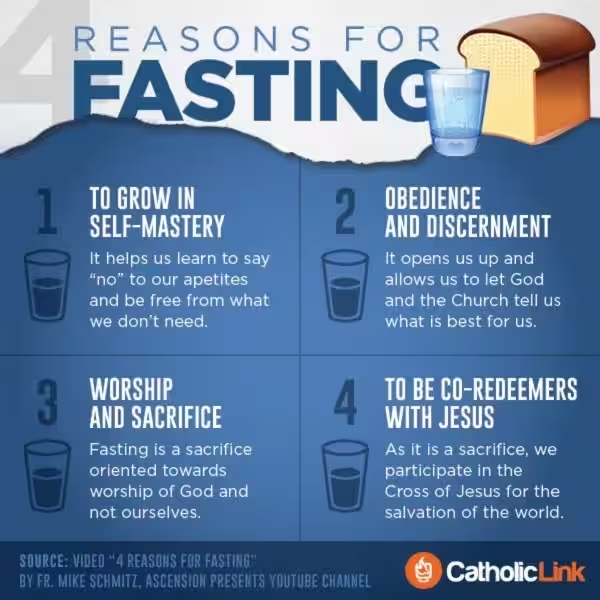
Beyond seeking external answers, the 21-day prayer and fasting practice cultivates internal transformation. By voluntarily relinquishing physical sustenance, participants often experience a heightened spiritual sensitivity. The physical hunger can become a constant reminder to turn to God for spiritual nourishment, fostering a deeper reliance on His presence. This discipline helps to break unhealthy habits, strengthen self-control, and purify the heart, leading to a more Christ-like character. As you embark on this journey, you’re not just abstaining; you’re actively pursuing a more disciplined and devoted spiritual life.
Setting Your Intentions: Defining Your ‘Why’ for 21-Day Prayer and Fasting
Before embarking on your 21-day prayer and fasting journey, it is crucial to define your specific intentions. What is it you are seeking from God during this period? Are you praying for a breakthrough in a difficult situation, seeking direction for your career or ministry, or praying for the healing and restoration of relationships? Clearly articulating your prayer requests will provide focus and direction to your time of fasting and prayer. Consider writing down your intentions in a journal to revisit and track throughout the 21 days.
Your intentions for a 21-day prayer and fasting period can range from deeply personal to broadly communal. Perhaps you are interceding for your family’s spiritual well-being, for the healing of your community, or for the advancement of God’s kingdom in your nation. Whatever your motivations, aligning your intentions with biblical principles and a heart of faith will amplify the spiritual impact of your sacrifice. It’s about more than just a personal quest; it’s about aligning your heart with God’s heart for the world around you.
The Practicalities of the Fast: Navigating the ‘How’ of 21-Day Prayer and Fasting
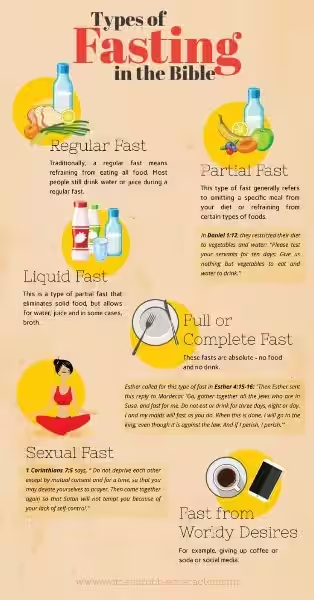
Embarking on a 21-day prayer and fasting experience requires careful planning and preparation. The type of fast you choose will significantly influence its practicality. Common forms include the absolute fast (abstaining from all food and drink, strictly for very short durations and under medical supervision), the water-only fast, the juice fast, or the Daniel fast (abstaining from rich foods, meats, and sweets, focusing on fruits, vegetables, and water). Consulting with a healthcare professional is highly recommended, especially if you have any underlying health conditions, before beginning any extended period of fasting.
Beyond the physical aspect of abstaining from certain foods or drinks, a 21-day prayer and fasting period is deeply intertwined with consistent and focused prayer. This is not a time to neglect your prayer life; rather, it’s a time to amplify it. Dedicate specific times each day for prayer, setting aside distractions like television, social media, and unnecessary leisure activities. Consider creating a prayer schedule, allocating time for personal prayer, corporate prayer with others (if applicable), and intercessory prayer for others. The discipline of prayer is paramount to the success of your fast.
Choosing Your Fast: Selecting the Right Approach for Your 21-Day Journey
The decision of which type of fast to undertake during your 21-day prayer and fasting shall be guided by your personal circumstances, spiritual maturity, and the counsel of trusted spiritual leaders. A complete fast, abstaining from all food and liquid, is the most rigorous and should only be undertaken for very short periods and with extreme caution and medical oversight. More commonly, individuals choose a partial fast, which involves abstaining from specific food groups or meals.
For many, the Daniel fast is a popular and accessible choice for a 21-day prayer and fasting journey. This involves abstaining from processed foods, meats, dairy, and refined sugars, focusing instead on whole foods like fruits, vegetables, and legumes. Another option is a liquid fast, where only water and/or clear broths are consumed. Regardless of your choice, the key is that it represents a meaningful sacrifice for you and allows you to dedicate more time and focus to your spiritual disciplines. Listen to your body and your spirit as you make this important decision.
Integrating Prayer and Fasting: The ‘What’ of Your 21-Day Spiritual Discipline
The “what” of your 21-day prayer and fasting experience is fundamentally about intentional engagement with God. This means more than just reciting words; it’s about cultivating a listening heart and a communicative spirit. Your prayer life should be varied and vibrant. Consider incorporating different forms of prayer:
Praise and Worship: Start your prayer sessions by acknowledging God’s greatness and expressing your gratitude.
Confession: Honestly admit your shortcomings and seek His forgiveness.
Petition: Present your requests, both personal and for others.
Intercession: Pray for the needs of others, your church, your community, and the world.
Scripture Meditation: Engage with God’s Word, allowing it to speak to your heart and guide your prayers.
During your 21-day prayer and fasting, dedicate significant time to meditating on Scripture. Choose a passage or a book of the Bible that relates to your intentions and prayerfully study it. Ask God to reveal His truth to you through His Word. This focused study will not only deepen your understanding of God but also provide divine wisdom and direction for your life. Remember, this is a dynamic conversation with the Creator of the universe, a time for spiritual intimacy and revelation.
Nurturing Your Spirit: Essential Elements for a Successful 21-Day Fast
To ensure a truly impactful 21-day prayer and fasting experience, it’s vital to nurture your spiritual well-being alongside your physical abstinence. This involves actively seeking God’s presence through various spiritual disciplines. Consider setting aside time for quiet reflection, journaling your thoughts and insights, and engaging in worship music that elevates your spirit. Reading devotional literature by trusted Christian authors can also provide encouragement and further illuminate God’s principles.
Furthermore, connecting with a prayer partner or a small group can significantly enhance your 21-day prayer and fasting journey. Sharing your intentions, praying together, and holding each other accountable can provide immense strength and support. The collective faith of a community can amplify prayers and create a powerful spiritual momentum. Remember, this is a journey of spiritual discipline and empowerment, not a solitary endeavor. Embrace the community aspect to draw strength and encouragement.
Navigating Challenges and Sustaining Momentum During Your 21-Day Prayer and Fasting
It is natural to encounter challenges during a 21-day prayer and fasting period. Physical discomfort, mental fatigue, and spiritual dryness are all common experiences. When facing physical weakness, remember the purpose of your sacrifice and draw strength from God’s promises. Hydration is crucial, so ensure you are drinking plenty of water, especially if you are not abstaining from liquids. Listen to your body and adjust your physical activities as needed.
Spiritually, you may face moments of doubt or discouragement. In these times, reaffirm your intentions and remind yourself of God’s faithfulness. Engage actively in prayer and Scripture reading, allowing God’s Word to re-energize your spirit. Consider revisiting testimonies of others who have experienced breakthroughs through 21-day prayer and fasting. Perseverance is key to completing this transformative journey and experiencing the full measure of God’s impact in your life.
Breaking the Fast Wisely: Transitioning Back to Normalcy After 21 Days
The conclusion of your 21-day prayer and fasting experience is not the end of your spiritual journey, but a crucial transition. It’s essential to break your fast wisely to avoid overwhelming your digestive system. If you abstained from solid food, begin with small, easily digestible foods like fruits, vegetables, and broths. Gradually reintroduce more complex foods over several days, paying attention to how your body responds.
Beyond the physical, it is vital to sustain the spiritual momentum gained during your 21-day prayer and fasting. Continue to prioritize prayer and Scripture reading in your daily life. Reflect on the lessons learned and the insights gained. Consider how you can integrate the disciplines of prayer and sacrifice into your ongoing walk of faith. This transformative period is designed to equip you for a more devoted and purpose-driven life, so aim to carry its lessons forward.
Frequently Asked Questions: 21 Day Prayer and Fasting
What is a 21-day prayer and fasting?
A 21-day prayer and fasting is a dedicated period of abstaining from certain foods or activities while focusing intensely on prayer and spiritual disciplines. It’s a commitment to seeking God more deeply, often for specific intentions or a spiritual breakthrough.
What are the benefits of a 21-day prayer and fasting?
Participants often report increased spiritual awareness, a deeper connection with God, clarity of purpose, strengthened faith, and personal breakthroughs. It can also lead to improved discipline and a greater appreciation for spiritual sustenance.
How do I prepare for a 21-day prayer and fasting?
Preparation involves prayerfully considering your intentions, researching different fasting methods (e.g., Daniel Fast, water only, juice fast), consulting with a healthcare professional if you have any health concerns, and gradually reducing certain foods beforehand to ease the transition.
What are common fasting methods for a 21-day period?
Common methods include:
* The Daniel Fast: Abstaining from meat, dairy, processed foods, and refined sugars, focusing on fruits, vegetables, whole grains, and legumes.
* Juice Fast: Consuming only fruit and vegetable juices.
* Water Fast: Consuming only water.
* Partial Fast: Abstaining from specific foods or meals.
Are there any health considerations I should be aware of?
Yes, it’s crucial to listen to your body. If you have pre-existing health conditions, are pregnant or breastfeeding, or have a history of eating disorders, it is highly recommended to consult with a doctor before undertaking any fasting regimen. Ensure adequate hydration and break your fast gradually.
What should I do during the 21 days?
Focus on prayer, reading scripture, meditation, journaling, and other spiritual disciplines. It’s also a time to be mindful of your physical well-being, ensuring you get enough rest and hydrate properly. Avoid unnecessary distractions and seek quiet time for reflection.
How do I break a 21-day fast?
Breaking a fast requires care. It’s best to reintroduce foods gradually, starting with lighter options like fruits, vegetables, and broths. Avoid heavy, greasy, or processed foods immediately after the fast to prevent digestive upset.
Can I break my fast if I feel unwell?
Absolutely. Your health is paramount. If you experience severe dizziness, weakness, nausea, or any other concerning symptoms, it is perfectly acceptable and advisable to break your fast and nourish your body.
What if I can’t fast from food?
Fasting isn’t limited to food. You can choose to fast from other things that may be hindering your spiritual growth, such as social media, television, certain hobbies, or negative speech. The core principle is intentional sacrifice for spiritual gain.
Is there a specific prayer focus for a 21-day fast?
While you can pray for any intention, common focuses include seeking God’s will, praying for loved ones, spiritual growth, deliverance from specific challenges, or for the church and community. It’s a time to communicate your deepest desires and needs to God.