For centuries, people have grappled with understanding the divine relationship, the promises exchanged, and the pathways to righteousness. At the heart of this exploration lies a profound theological concept: the distinction between the Old Covenant and the New Covenant. These aren’t just abstract religious ideas; they represent a dynamic shift in how humanity relates to the divine, impacting everything from personal conduct to the very essence of worship. Understanding this transition offers invaluable insights into the continuity and evolution of faith, providing a richer, more nuanced perspective for anyone seeking deeper spiritual understanding.
Imagine two grand blueprints for a relationship. The first, meticulously detailed and emphasizing strict adherence to every line and measurement, is like the Old Covenant. The second, while still holding foundational principles, offers a new framework built on grace and an internal transformation, akin to the New Covenant. This article will delve into the core differences, the revolutionary nature of the shift, and what this means for individuals on their faith journey today, making the often-complex theology accessible and profoundly relevant.
Understanding the Old Covenant: A Foundation of Law and Sacrifice
The Old Covenant, established primarily through Moses at Mount Sinai, was a sacred agreement between God and the nation of Israel. Its essence was rooted in the Ten Commandments and a comprehensive system of laws and rituals. These laws were designed to set Israel apart as a holy nation, a people dedicated to God, and to serve as a divine guide for their conduct and worship. Think of it as a comprehensive instruction manual for living a life that pleased God, complete with specific instructions for every aspect of life – from dietary regulations to judicial proceedings.
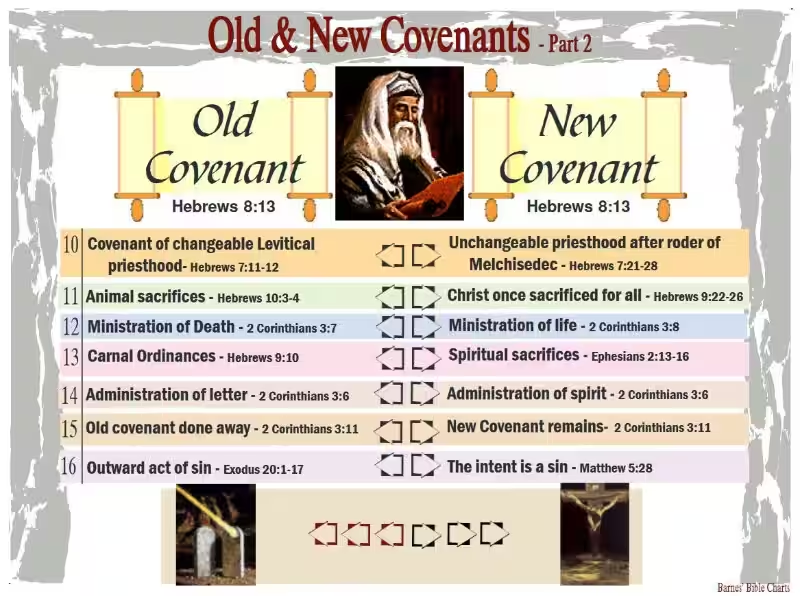
Central to the Old Covenant was the concept of sacrifice. To atone for sins and maintain their relationship with a holy God, individuals and the community had to offer regular animal sacrifices. These sacrifices were a constant reminder of sin and the necessity of blood for atonement, a ritualistic act performed by priests in the Tabernacle and later the Temple. While these sacrifices provided a temporary covering for sin, they were never intended to be a permanent solution, highlighting the ongoing need for something more complete. The emphasis was on external obedience and ritual purity, a visible demonstration of commitment to the covenant.
The Ten Commandments: Pillars of Righteousness
The Ten Commandments, famously etched on stone tablets, served as the cornerstone of the Old Covenant’s moral and ethical framework. These commandments provided clear directives on how to love God and how to love one’s neighbor. They covered fundamental principles like worshipping only God, honoring parents, and prohibitions against murder, adultery, theft, and bearing false witness. Their purpose was to define sin and establish a standard of righteousness that was both achievable and demanding.
Living under the Ten Commandments required constant vigilance and effort to obey. Any deviation, intentional or unintentional, resulted in guilt and the need for further atonement through sacrifice. This system, while revealing God’s perfect standard, also underscored humanity’s inherent inability to perfectly keep the law. It showcased a deep need for divine intervention and a more profound solution to the problem of sin and separation from God.
Sacrifice and Atonement: A Temporary Covering
The sacrificial system of the Old Covenant was a complex and intricate process, involving various types of offerings for different purposes, including sin offerings, burnt offerings, and peace offerings. The blood of these sacrifices, primarily from unblemished animals like lambs and bulls, was shed as a symbolic substitute for the life of the sinner. This act of atonement was crucial for restoring fellowship with God and maintaining the covenant relationship. However, it was a continuous and burdensome cycle, as the sacrifices had to be repeated year after year.
The inadequacy of these sacrifices lay in their temporary nature. They served as a placeholder, pointing towards a future, ultimate sacrifice that would truly and permanently deal with sin. The book of Hebrews in the New Testament eloquently explains this, stating that “it is impossible for the blood of bulls and goats to take away sins.” This realization highlights the limitations of the Old Covenant, revealing a yearning for a more complete and enduring redemption that the law alone could not provide.
The Advent of the New Covenant: Grace Through Christ
The New Covenant, prophesied by prophets like Jeremiah and ultimately fulfilled in Jesus Christ, represents a radical and transformative shift in the divine-human relationship. Unlike the Old Covenant, which was based on external laws and sacrifices, the New Covenant is centered on God’s grace, forgiveness, and an internal transformation of the heart. It’s not about earning God’s favor through strict obedience to a list of rules, but about receiving His unmerited favor through faith in Jesus’ sacrifice.
This new agreement is not just a modification of the old; it’s a new way of relating to God, characterized by a deep intimacy and a profound sense of freedom. Jesus, through His life, death, and resurrection, inaugurated this New Covenant, making it possible for all who believe to have direct access to God, unhindered by the limitations of the Old Covenant. This covenant is written on the hearts of believers, signifying a personal and internal change rather than an external code.
Jesus’ Sacrifice: The Ultimate Atonement
The most significant aspect of the New Covenant is the perfect and final sacrifice of Jesus Christ. He, being without sin, offered Himself as the ultimate atonement for the sins of the world. His death on the cross was not just a historical event; it was the fulfillment of all the Old Covenant sacrifices, providing a once-for-all cleansing and reconciliation with God. This sacrifice is the cornerstone upon which the entire New Covenant rests, offering complete and eternal redemption.
Through faith in Jesus’ sacrifice, believers are declared righteous in God’s eyes, not because of their own perfect adherence to the law, but because Christ’s righteousness is imputed to them. This is the essence of salvation by grace through faith. It’s a divine exchange: our sins were laid upon Him, and His righteousness is given to us. This profound act of love and mercy liberates believers from the burden of guilt and the cycle of sin, ushering in a new era of spiritual freedom and intimacy with God.
The Holy Spirit: Internal Transformation and Empowerment
A defining characteristic of the New Covenant is the indwelling presence of the Holy Spirit. Unlike the Old Covenant, where the Spirit’s presence was more limited and selective, the New Covenant promises that God will pour out His Spirit on all people. The Holy Spirit acts as a divine guide, comforter, and empowerer, enabling believers to live a life pleasing to God from the inside out. This inner transformation is what allows believers to truly live out the principles of God’s love and righteousness.
The Holy Spirit empowers believers to overcome sin, to love others unconditionally, and to bear spiritual fruit, such as love, joy, peace, patience, kindness, goodness, faithfulness, gentleness, and self-control. He illuminates God’s Word, helps believers to understand God’s will, and strengthens them in their walk of faith. This internal work of the Spirit is what makes the New Covenant dynamic and life-changing, moving beyond mere outward compliance to genuine heart transformation.
Key Differences: A Paradigm Shift in Relationship
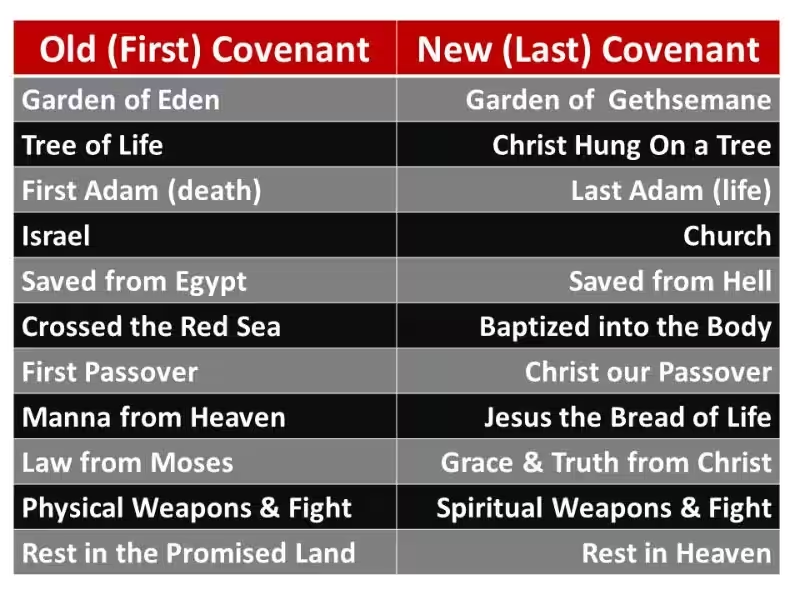
The distinction between the Old Covenant and the New Covenant is more than just a change in rules; it’s a fundamental paradigm shift in how humanity experiences its relationship with God. The Old Covenant was characterized by external observance and a mediated relationship through priests and sacrifices. It was a framework of law and judgment, designed to reveal sin and God’s holiness. The focus was on what humanity did (or failed to do) to earn God’s favor.
In stark contrast, the New Covenant is defined by internal transformation and a direct, intimate relationship with God through Jesus Christ. It’s a covenant of grace and forgiveness, where God’s favor is received by faith, not earned by works. The focus shifts to what God has done through Jesus, enabling believers to live in freedom and empowered by His Spirit. This shift moves from a system of condemnation to one of justification and adoption into God’s family.
At the core of the divergence lies the concept of law versus grace. The Old Covenant was built upon the law, a perfect standard that highlighted humanity’s shortcomings. While the law was good and holy, it also revealed that no one could perfectly keep it, leading to a perpetual sense of guilt and the need for ongoing atonement. The law served as a “schoolmaster” to drive people to Christ, the only one who could fulfill its demands and provide the righteousness it required.
The New Covenant, however, is founded on grace – God’s unmerited favor. Through Jesus’ sacrifice, believers are freed from the condemnation of the law. They are no longer under a system of trying to earn their way to God, but rather receive His righteousness as a gift. This doesn’t mean the moral principles of the law are abolished; rather, believers are empowered by the Holy Spirit to live out these principles from a transformed heart, motivated by love and gratitude, not by fear of punishment.
Mediation: Priests vs. Direct Access
The Old Covenant established a system of mediation through the Levitical priesthood. Only designated priests could enter the Holy of Holies and offer sacrifices on behalf of the people. This created a separation between God and the ordinary Israelite. The system was designed to highlight the holiness of God and the sinfulness of humanity, necessitating intermediaries for approach.
The New Covenant, through Jesus Christ, abolished this need for human mediators. Jesus is presented as the ultimate High Priest, who offered Himself as the perfect sacrifice. Because of His sacrifice, believers now have direct access to God. The veil in the Temple, which separated the Holy of Holies, was torn in two at Jesus’ death, symbolizing that the way to God is now open to all who believe. This elimination of barriers allows for a more personal and intimate relationship with the divine.
The New Covenant in Practice Today: Living in Freedom and Purpose
For believers today, the New Covenant is not a historical footnote but a living reality that shapes their daily lives. It offers a profound sense of freedom from the guilt and burden of sin, knowing that their standing before God is secured by Christ’s finished work. This freedom isn’t an excuse for recklessness, but rather an empowerment to live a life of love, service, and obedience motivated by gratitude and a transformed heart.
Living under the New Covenant means embracing the transformative power of the Holy Spirit, allowing Him to guide, convict, and empower. It means actively participating in the community of faith, supporting one another, and sharing the message of God’s grace with the world. The New Covenant provides a clear purpose and identity as beloved children of God, called to reflect His love and truth in a world that desperately needs it.
Freedom from Condemnation and Guilt
One of the most liberating aspects of the New Covenant is the release from condemnation and guilt. Under the Old Covenant, every transgression brought a sense of guilt and the need for further atonement. The constant pressure to be perfect could be overwhelming. However, the New Covenant declares that “there is now no condemnation for those who are in Christ Jesus.” This is a revolutionary truth that frees believers to approach God with confidence and assurance.
This freedom means that mistakes and failures are no longer grounds for despair, but opportunities for growth and reliance on God’s unfailing grace. While believers are still called to live righteously, their acceptance by God is not based on their performance, but on Christ’s work. This understanding fosters a healthy humility and a deep-seated security in God’s love, allowing for authentic repentance and a renewed commitment to follow Him.
The New Covenant is not an invitation to a passive faith. Instead, it is a call to active, Spirit-empowered living. The same Holy Spirit who indwells believers also empowers them to live lives that are pleasing to God. This empowerment enables them to resist temptation, overcome sinful habits, and actively pursue holiness. It’s about developing a character that reflects Christ’s own nature, transforming believers from the inside out.
This empowerment also extends to service. Believers are called to use their gifts and talents to serve God and others, extending the reach of God’s kingdom. Whether it’s through acts of compassion, sharing the gospel, or simply living out their faith in their daily spheres of influence, the New Covenant provides the motivation and the power to make a difference. It transforms obedience from a burdensome obligation to a joyful expression of love and gratitude.
Conclusion: A Journey of Ever-Increasing Revelation
The journey from the Old Covenant to the New Covenant is a testament to God’s unfolding plan of redemption and His deep desire for an intimate relationship with humanity. The Old Covenant laid the essential groundwork, revealing God’s holiness, the nature of sin, and the need for a savior. It was a necessary precursor, preparing the world for the ultimate fulfillment found in Jesus Christ.
The New Covenant, inaugurated by Christ, offers a complete and eternal solution, a new way of life characterized by grace, forgiveness, and the transformative power of the Holy Spirit. It signifies a deepening of God’s relationship with His people, moving from external commands to internal transformation, from mediated access to direct communion. Understanding this progression allows believers to appreciate the richness of God’s grace and to live with greater freedom, purpose, and intimacy in their walk of faith.
Frequently Asked Questions: The Old Covenant vs. The New Covenant in Religion
What is the Old Covenant?
The Old Covenant, primarily established through Moses on Mount Sinai, is a set of laws and commandments given to the Israelites. It involved a sacrificial system and outlined a way of life intended to guide their relationship with God and with each other. Its efficacy was based on obedience to these laws.
What is the New Covenant?
The New Covenant is a new agreement between God and humanity, established through the atoning sacrifice of Jesus Christ. It is characterized by grace, forgiveness of sins through faith in Jesus, and the indwelling of the Holy Spirit. It emphasizes an internal transformation and a direct relationship with God, rather than adherence to external laws as the primary means of righteousness.
What is the primary difference between the Old and New Covenants?
The fundamental difference lies in their basis for relationship with God. The Old Covenant was based on human obedience to the Law, with temporary atonement through animal sacrifices. The New Covenant is based on God’s grace, with eternal atonement through Jesus’ sacrifice, and is empowered by the Holy Spirit for transformation.
Did the New Covenant abolish the Old Covenant?
The New Covenant did not abolish the moral principles of the Law, but it fulfilled its ceremonial and sacrificial aspects. Jesus’ sacrifice provided the ultimate atonement, making the old sacrificial system obsolete. The New Covenant offers a more perfect and complete way to approach God.
Who is included in the New Covenant?
The New Covenant is open to all who believe in Jesus Christ, regardless of their ethnic background. It is a covenant of faith, extending God’s grace and forgiveness to all who accept Jesus as their Savior.
How does the New Covenant affect the believer’s life?
The New Covenant empowers believers to live a life pleasing to God not out of obligation, but out of love and gratitude. The Holy Spirit guides them, convicts them of sin, and enables them to live according to God’s will, fostering a deeper and more intimate relationship with Him.