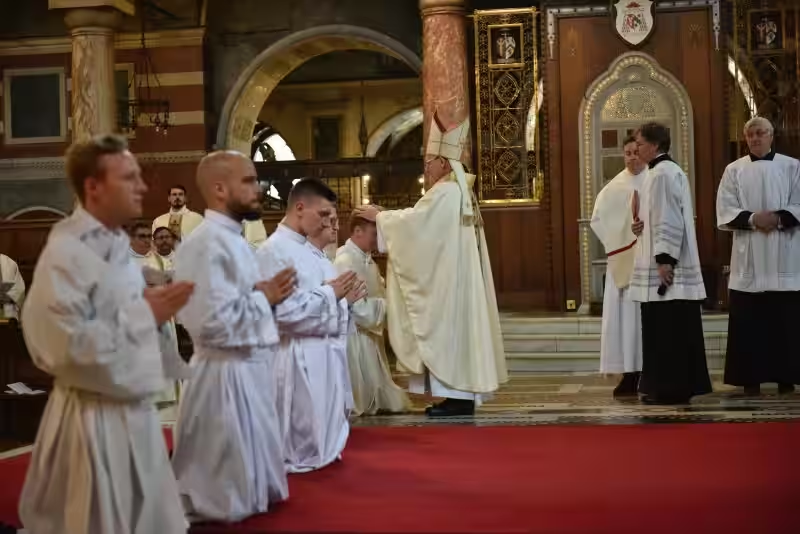
The twilight years of life often bring a profound shift in perspective. For many old men, this period is characterized by a deep engagement with their spiritual beliefs, a time when religion can offer solace, meaning, and a connection to something larger than themselves. It’s a phase where the accumulated wisdom of years meets the timeless truths of faith, weaving a rich tapestry of personal and communal devotion. This exploration delves into the multifaceted ways old men interact with religion, examining the comfort it provides, the traditions it upholds, and the evolving nature of faith in later life.
The presence of old men in religious communities is a consistent and often foundational element. Their quiet dedication, their willingness to share scripture, and their steadfast attendance at services are testaments to the enduring power of religious commitment across a lifetime. This article aims to offer an informative and relatable perspective on this significant aspect of human experience, exploring the nuances and shared journeys of old men and their relationship with religion.
Finding Sanctuary: Religion as a Haven for Old Men
As the years advance, the landscape of life can change dramatically. Old men may face physical challenges, the loss of loved ones, and a recalcitrant sense of mortality. In this context, religion often emerges not just as a belief system, but as a vital sanctuary, a place of profound comfort and unwavering support. The familiar rituals, the communal gatherings, and the promise of eternal peace can provide an anchor in turbulent emotional seas.
For many old men, their faith is a lifelong companion, a constant presence that has guided them through joy and sorrow. The comfort of routine within religious practice—the weekly service, the morning prayer, the shared scripture readings—offers a predictable rhythm in a world that can feel increasingly unpredictable. This predictability isn’t about stagnation; rather, it’s about finding grounding and stability in the face of life’s inevitable shifts. Think of a grandfather who, despite aching joints, still makes the effort to attend Sunday service. His presence is a testament to the deep-seated need for spiritual connection and the solace it provides.
The Power of Ritual and Routine
The structured nature of religious practice offers a profound sense of stability and continuity for old men. Whether it’s the familiar cadence of a hymn, the well-worn pages of a prayer book, or the shared silence of meditation, these rituals provide a predictable and comforting framework. This is particularly true for old men who may be experiencing a loss of control in other areas of their lives. The ability to participate in a ritual, to know what comes next, can be incredibly empowering and reassuring.
Consider the simple act of reciting the Lord’s Prayer. For many old men, this isn’t just a memorized recitation; it’s a deeply personal connection to a heritage, a community, and a set of values that have shaped their lives. The familiarity of the words can evoke memories of their own parents, grandparents, and the religious upbringing they received, creating a powerful sense of intergenerational connection. This consistent engagement with religious tradition allows old men to feel connected to something enduring, a thread that links them to the past and offers hope for the future.
The contemplation of mortality is an inherent part of aging. For old men, this can be a time of profound introspection, and religion often plays a crucial role in navigating these complex emotions. The promise of an afterlife, the belief in divine justice, or the acceptance of a spiritual continuum can offer immense peace and alleviate the fear of the unknown. This acceptance of death is often facilitated by a lifetime of religious teachings and community support.
Many old men find solace in the belief that their earthly journey is not the end, but a transition. This hope for eternal life can transform the prospect of death from a terrifying void into a peaceful homecoming. It allows them to look back on their lives with a sense of purpose and to face the future with equanimity and spiritual preparedness. This perspective can be a powerful antidote to anxiety and despair, offering old men a sense of ultimate meaning and redemption.
Carrying the Torch: Old Men as Custodians of Tradition
Beyond personal comfort, old men often serve as vital custodians of religious tradition. Their long engagement with their faith means they are living repositories of scripture, history, and the nuanced interpretations that have shaped their communities. They are the ones who can recall sermons from decades past, who remember the founding of their place of worship, and who embody the living history of their religious tradition.
In many religious settings, the presence of old men lends a sense of gravitas and historical continuity. They are the elders who offer counsel, who mentor younger generations, and who ensure that the core tenets of their faith are passed down with integrity. Their experiences, often rich with the struggles and triumphs of life, provide invaluable context for understanding the practical application of religious principles.
Mentorship and Spiritual Guidance
The role of old men as spiritual mentors is invaluable. They have weathered storms and celebrated victories, and their lived experiences offer practical wisdom that transcends mere doctrinal knowledge. Younger members of the congregation often seek them out for advice on everything from family matters to career decisions, valuing their calm demeanor and seasoned perspective. This intergenerational transfer of wisdom is a cornerstone of religious community.
Imagine a young man struggling with doubt. An old man in his community, who has himself grappled with similar questions throughout his life, can offer not just platitudes, but a narrative of his own journey, sharing how faith sustained him through difficult times. This personal testimony can be far more impactful than abstract theological discussions, providing tangible proof of faith’s resilience. This guidance from seasoned believers enriches the spiritual fabric of the entire community.
Preserving Sacred Texts and Practices
For many old men, the preservation of sacred texts and religious practices is a sacred duty. They may be the ones who meticulously maintain the synagogue’s scrolls, who lead the study of ancient scriptures, or who ensure that traditional ceremonies are performed with accuracy and reverence. Their dedication to maintaining religious heritage is a testament to their deep respect for the traditions that have shaped them.
This commitment often involves more than just passive preservation. Many old men actively engage in teaching and interpretation, sharing their understanding of scripture with younger generations. They might lead Bible study groups, explain the significance of particular rituals, or simply engage in conversations that illuminate the meaning behind religious practices. Their diligent efforts to pass on knowledge ensure that the spiritual inheritance of their community continues to thrive. This is a profound act of legacy-building, ensuring that the wisdom of the past informs the future.
Evolving Faith: Religion in the Digital Age for Old Men
The modern world, with its rapid technological advancements, presents new avenues for engagement with religion, even for old men. While some may remain firmly rooted in traditional practices, others are discovering how to connect with their faith through online resources, digital communities, and virtual services. This evolution reflects the adaptability of faith and the capacity of old men to embrace new ways of practicing and understanding their beliefs.
The digital landscape offers unprecedented access to religious content. Old men can now watch sermons from around the world, participate in online study groups, and connect with like-minded individuals regardless of geographical limitations. This accessibility can be particularly beneficial for those who are homebound or who live in areas with limited religious infrastructure.
Online Communities and Virtual Services
The rise of online religious communities has opened up new avenues for connection for old men. These platforms allow them to share their thoughts, ask questions, and find support from a global network of believers. Virtual services, streamed live from churches, mosques, or temples, provide a sense of communal worship even when physical attendance is not possible. This has been a transformative development, especially for those facing mobility issues.
Consider an old man who can no longer travel easily to his place of worship. Through online streaming, he can still participate in the weekly service, hear the familiar prayers, and feel connected to his congregation. Furthermore, online forums dedicated to specific religious topics allow him to engage in discussions with others who share his interests, fostering a sense of intellectual and spiritual engagement. These digital spaces offer a vital link to the wider religious world.
New Interpretations and Enduring Values
While some old men may find comfort in the unchanging nature of their faith, others are open to new interpretations and the evolving dialogue within religious traditions. They can engage with contemporary theological discussions online, explore different perspectives on scripture, and find ways to apply timeless religious values to the challenges of the modern world. This intellectual curiosity demonstrates that faith is not static but a dynamic force.
The ability to access diverse theological viewpoints online allows old men to deepen their understanding of their faith and to consider how its principles can be applied to contemporary issues. They might discover new ways to express their commitment to social justice, or to understand the spiritual implications of technological advancements. This ongoing learning and adaptation ensures that their faith remains relevant and vibrant throughout their lives. The enduring values of compassion, forgiveness, and love find new expression in these evolving dialogues.
In conclusion, the relationship between old men and religion is a rich and multifaceted one. It is a journey marked by comfort, tradition, and an ongoing evolution of faith. The enduring echoes of their spiritual lives resonate within their communities, offering wisdom, continuity, and a profound sense of meaning. As they navigate the twilight years, religion continues to be a vital source of strength, connection, and unwavering hope for countless old men.
Frequently Asked Questions about Texting Older Men
Why might texting older men be different from texting younger men?
Older men may have different communication styles and expectations. They might prefer directness, less use of slang or emojis, and more thoughtful responses. Their experience with technology might also vary, so patience and clarity are key.
Should I be worried about age gaps when texting older men?
Age gaps themselves aren’t necessarily a problem, but it’s important to ensure you have shared values, interests, and life goals. Open communication about expectations and perspectives is crucial, regardless of age.
What are some good topics to discuss when texting an older man?
Engage in topics that show your interest in his life and experiences. This could include his hobbies, career, travel, books, or current events. Asking thoughtful questions about his perspectives and shared interests can foster a connection.
How can I tell if an older man is genuinely interested through texting?
Look for consistent communication, thoughtful responses, and questions that show he’s engaged in getting to know you. If he initiates conversations, remembers details you’ve shared, and expresses interest in meeting, these are good signs.
What are common texting etiquette tips for communicating with older men?
Be responsive but don’t feel pressured to reply immediately. Use clear language and avoid excessive abbreviations or slang. Proofread your messages for clarity and politeness. Respect his time and avoid bombarding him with messages.
Frequently Asked Questions about Religion and Texting
How can I respectfully discuss religion in text messages?
Approach the topic with curiosity and openness. Ask questions about his beliefs and experiences rather than making declarations. Be prepared to listen and share your own perspective respectfully, focusing on understanding rather than debate.
Is it appropriate to ask about someone’s religion early on in texting?
It’s generally best to let the conversation flow naturally. If religion comes up organically, it’s fine to explore it. If you feel it’s important to know early on, you can ask in a gentle, non-intrusive way, perhaps by mentioning your own or asking about traditions.
What if my religious beliefs differ significantly from the person I’m texting?
Focus on finding common ground and areas of respect. Understand that differences in belief are normal. The key is to communicate constructively, acknowledge distinctions without judgment, and explore shared values like kindness, compassion, or community.
How can I avoid misinterpretations when discussing religious topics via text?
Be clear and concise in your language. Avoid jargon or terms that might be specific to your faith and not understood by others. If a topic feels sensitive or complex, consider discussing it in person or over a call where tone and nuance can be better conveyed.
What are the “dos and don’ts” of texting about religion?
Do: Be respectful, listen actively, ask open-ended questions, share your own beliefs thoughtfully, look for common values. Don’t: Be judgmental, proselytize aggressively, make assumptions, dismiss their beliefs, engage in debates that create conflict.