In the tapestry of religious belief, the concept of divine blessings, or gifts from God, is a recurring and deeply comforting theme. These aren’t material possessions, but rather spiritual endowments that equip us to navigate life’s complexities, foster deeper connections, and live lives of purpose and meaning. While different traditions may categorize these gifts in various ways, the underlying principle remains the same: God’s abundant grace is offered to those who seek it. Today, we’ll explore seven such profound gifts, not as abstract theological concepts, but as practical tools for a more fulfilling spiritual journey. These are gifts that shape our character, illuminate our understanding, and empower our actions.
Understanding these divine offerings can transform our perspective, moving us from a sense of passive reception to an active engagement with God’s presence in our lives. They are not earned, but freely given, waiting to be embraced and cultivated. This exploration aims to be informative, relatable, and profoundly useful, offering insights that resonate with individuals at any stage of their faith. We will delve into what each gift entails, how it manifests in our daily lives, and how we can nurture these blessings to their fullest potential.
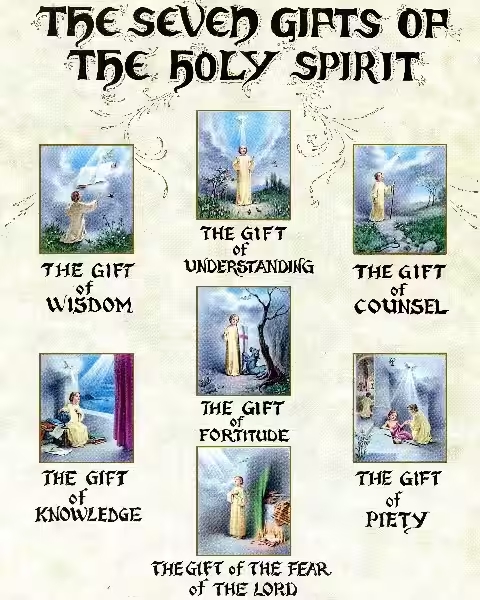
At the very core of our spiritual development lie the gifts of Wisdom and Understanding. These are distinct yet intertwined, forming the bedrock upon which a meaningful relationship with the divine is built. Wisdom is the ability to discern God’s will and apply divine truth to practical situations. It’s more than just knowledge; it’s the skill of living rightly, of making choices that align with eternal principles.
Think of understanding as the light that dispels the shadows of confusion. It’s the capacity to grasp spiritual truths, to see the deeper meaning behind events, and to comprehend God’s plan, even when it’s not immediately apparent. For instance, when faced with a challenging relationship, wisdom might guide you to offer forgiveness, while understanding helps you see the situation through a lens of empathy and divine perspective, recognizing the shared humanity and potential for growth in both individuals.
Wisdom: The Art of Right Living
Wisdom is the practical application of divine knowledge. It’s knowing not just what to do, but why and how to do it in a way that honors God and benefits ourselves and others. This gift allows us to navigate moral dilemmas with clarity, to prioritize what truly matters, and to make decisions that reflect love, justice, and compassion. It’s the inner compass that points us toward righteousness.
Imagine a seasoned gardener. They possess not just knowledge of plants, but the wisdom to understand the soil, the seasons, and the needs of each individual plant. Similarly, a wise person understands the “soil” of human interaction, the “seasons” of life’s challenges, and the “needs” of those around them. This discernment is a divine gift that allows us to tread life’s path with grace and effectiveness, making choices that cultivate spiritual growth rather than hinder it.
Understanding: Illuminating the Spiritual Landscape
Understanding is the illumination that allows us to perceive the spiritual realities often hidden from our senses. It’s the ability to grasp abstract spiritual concepts, to see the interconnectedness of all things under God’s dominion, and to comprehend the profound mysteries of faith. This gift enables us to move beyond superficial interpretations and to connect with the deeper truths of scripture and divine revelation.
When we read a complex passage of scripture, an initial encounter might leave us bewildered. However, with the gift of understanding, the words begin to unfold with new meaning, revealing layers of truth and relevance to our lives. It’s like looking at a detailed map; without understanding, it’s just lines on paper. With understanding, the map becomes a powerful tool for navigation, guiding us through the terrain of faith. This clarity of perception is a precious gift that deepens our faith and strengthens our resolve.
The Power to Act: Counsel and Fortitude
Beyond intellectual insight, God bestows upon us the power to act in accordance with His will. This is where the gifts of Counsel and Fortitude come into play, empowering us to make right decisions and to persevere through adversity. These gifts are essential for living out our faith in tangible ways.
Counsel is the divine guidance that helps us make sound judgments, especially in moral matters. It’s the inner voice that whispers the right course of action, offering clarity when faced with difficult choices. Fortitude, on the other hand, is the strength and resilience to stand firm in our convictions, to resist temptation, and to persevere through trials and persecutions without faltering.
Counsel: The Inner Compass for Decision-Making
The gift of Counsel acts as our spiritual GPS, guiding us through the often-confusing intersections of life. It’s the divine nudge that points us toward ethical and righteous decisions, helping us to discern the best path forward, particularly when faced with complex moral quandaries. This gift is crucial for making choices that reflect our commitment to God’s principles.
Consider a situation where you are tempted to gossip about a colleague. The gift of Counsel might prompt you to pause, to consider the impact of your words, and to choose silence or a more constructive approach instead. It’s the inner wisdom that prevents us from making hurtful or damaging decisions, guiding us toward actions that foster harmony and respect. This divine direction is a constant companion for those who seek it.
Fortitude: The Strength to Stand Firm
Fortitude, also known as courage, is the divine strength that enables us to face challenges with unwavering resolve. It’s the resilience to overcome obstacles, resist temptation, and remain steadfast in our faith, even when confronted with opposition or hardship. This gift is crucial for living a life of integrity and commitment.
When faced with criticism for your beliefs or practices, the gift of Fortitude empowers you to speak truth with conviction and grace, without succumbing to fear or intimidation. It’s the inner fortitude that allows martyrs to stand firm in their faith and that enables everyday believers to live authentically in a world that may not always understand or accept their values. This steadfastness is a testament to God’s empowering presence.
The Flame of Piety: Knowledge, Piety, and Fear of the Lord
The final set of gifts focuses on deepening our relationship with God and fostering a devotion that permeates every aspect of our lives. These gifts are Knowledge, Piety, and the Fear of the Lord, each contributing to a vibrant and authentic spiritual life. They are the elements that ignite our passion for God.
These gifts are not about mere intellectual assent or outward displays; they are about an internal transformation that leads to a life lived in loving obedience and humble reverence. They are the spiritual fuel that sustains our journey.
Knowledge: Understanding God’s Presence in All Things
The gift of Knowledge is not about accumulating vast amounts of information, but rather about the understanding of God’s presence and activity in the world around us. It’s the divine insight that allows us to see God’s hand in everyday events, to recognize His fingerprints on creation, and to understand the underlying divine order of the universe. This gift helps us appreciate the sacredness of ordinary life.
When you witness the beauty of a sunset or the intricate design of a flower, the gift of Knowledge allows you to see beyond the physical phenomenon and to recognize the divine artistry behind it. It’s the insight that helps us understand God’s love and power manifested in the created world, transforming mundane experiences into moments of spiritual connection. This awareness of the divine enriches our perspective.
Piety: Cultivating a Devoted Heart
Piety is the loving devotion and reverence we hold for God. It’s the cultivation of a heart that yearns for God, that delights in His presence, and that expresses itself through prayer, worship, and acts of service. This gift transforms our relationship with God from one of obligation to one of deep and joyful desire.
Imagine a child who enthusiastically runs to their loving parent, eager to share their day. Piety is that same eager and loving disposition toward God. It’s the joyful inclination to spend time in His presence, to engage in prayer not as a chore, but as a cherished communion, and to seek His will with a willing and open heart. This devoted affection is a cornerstone of a fulfilling spiritual life.
Fear of the Lord: Reverent Awe and Respect
Finally, the Fear of the Lord is often misunderstood. It’s not about cowering in terror, but rather about a profound reverence and awe in the presence of God’s majesty and holiness. It is the acknowledgment of His supreme power and authority, which leads to a deep respect for His commandments and a desire to avoid anything that displetes Him. This gift fosters humility and a profound sense of accountability.
When standing before a breathtaking natural wonder, like a towering mountain range, we experience a sense of awe and insignificance, coupled with profound respect. The Fear of the Lord is that same reverent awe directed toward the Creator. It’s the understanding that God is holy and just, and this understanding inspires us to live our lives in a way that honors Him. This humble reverence is the foundation of true wisdom and a powerful motivator for righteous living.
Embracing these seven gifts from God is a lifelong journey of spiritual growth and transformation. They are not static endowments but dynamic energies that, when cultivated, can lead us to a life of profound meaning, purpose, and unwavering connection with the divine. By actively seeking, embracing, and exercising these blessings, we unlock a richer, more fulfilling spiritual existence.
Frequently Asked Questions about the Seven Gifts of the Holy Spirit
What are the Seven Gifts of the Holy Spirit?
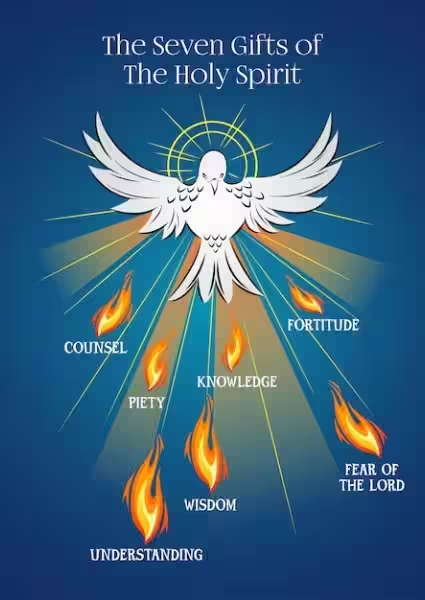
The Seven Gifts of the Holy Spirit are graces that help a Catholic live a virtuous life. They are listed in Isaiah 11:2-3 as wisdom, understanding, counsel, fortitude, knowledge, piety, and fear of the Lord.
Where do these gifts come from?
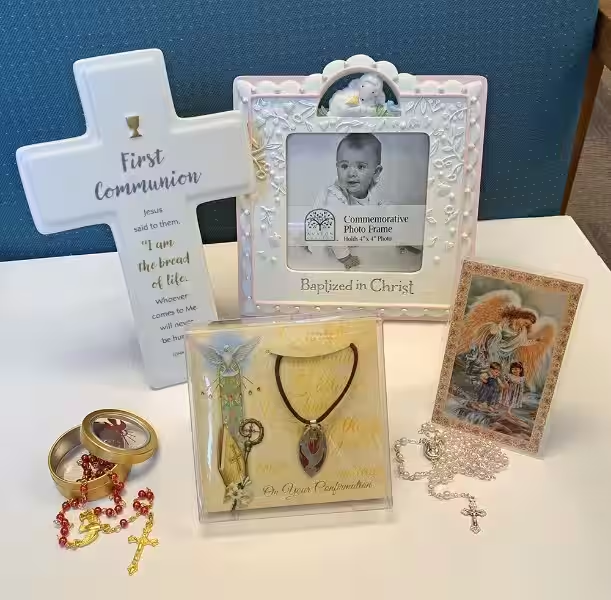
These gifts are believed to be bestowed upon believers through the sacrament of Confirmation, which is an extension of the graces received in Baptism. They are considered supernatural endowments that strengthen the soul to follow the promptings of the Holy Spirit.
What is the purpose of these gifts?
The purpose of the Seven Gifts is to make individuals more receptive to God’s will and to help them grow in holiness. They assist in living a moral life, making good decisions, and deepening one’s relationship with God.
Can you explain each gift briefly?
Wisdom: The ability to judge correctly and to see things from God’s perspective.
Understanding: The ability to grasp the core of the faith and the mysteries of God.
Counsel: The ability to discern God’s will in specific situations and to make right judgments.
Fortitude: The strength and courage to stand up for what is right, even in the face of adversity.
Knowledge: The ability to see God’s creation in its proper context and to understand its purpose.
Piety: A deep respect and devotion to God, leading to a love for prayer and worship.
Fear of the Lord: A profound reverence for God, not out of dread, but out of a deep love and recognition of His greatness.
Are these gifts something we can earn?
No, these gifts are considered gratuitous graces from God and cannot be earned through human effort. They are freely given by the Holy Spirit.
How do we cultivate these gifts?
While the gifts are given by God, they are cultivated through regular prayer, participation in the sacraments (especially Reconciliation and the Eucharist), acts of charity, and by striving to live a virtuous life. They flourish when we actively cooperate with the Holy Spirit’s promptings.
Are these gifts the same as the fruits of the Holy Spirit?
No, they are distinct. The Seven Gifts are supernatural endowments that enable us to act. The Twelve Fruits of the Holy Spirit (e.g., love, joy, peace, patience) are the virtuous actions and dispositions that result from the proper use of the Gifts and the working of the Holy Spirit in our lives.