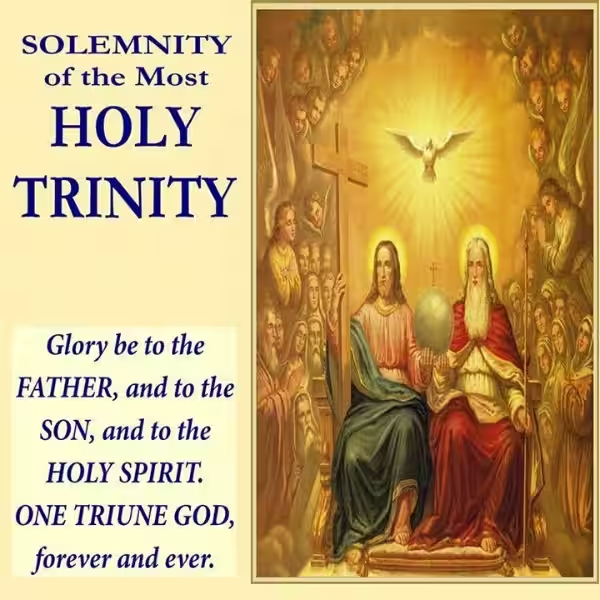
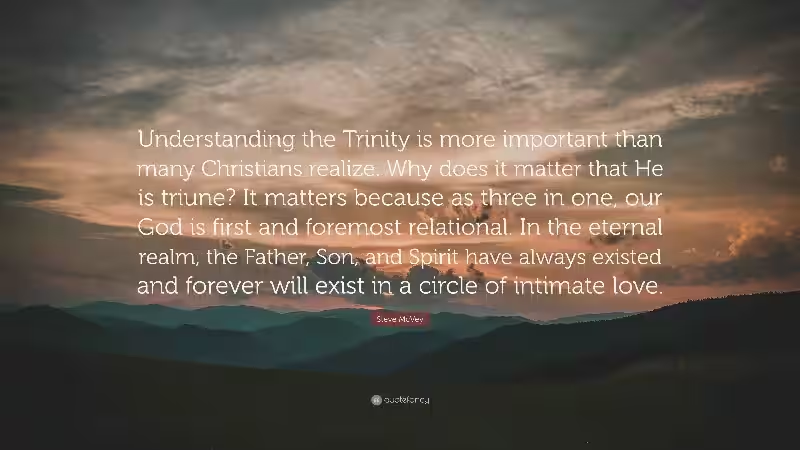
At its heart, Christianity is a monotheistic religion centered on the life, teachings, and resurrection of Jesus Christ. The foundational belief for Christians is the concept of the Trinity: God as Father, Son (Jesus Christ), and Holy Spirit – three distinct persons, yet one divine being. This understanding is not merely intellectual; it shapes the entire Christian experience, influencing worship, prayer, and ethical conduct. The Bible, comprising the Old and New Testaments, serves as the sacred scripture, considered by believers to be the inspired word of God, offering guidance for life and salvation.
This profound understanding of God’s nature is central to the religion of Christianity. It’s a faith that emphasizes love, grace, and redemption. For instance, the parable of the Prodigal Son beautifully illustrates God’s unwavering love and forgiveness, a core message that resonates deeply with many. The belief in Jesus Christ as the Son of God, who died for the sins of humanity and rose again, forms the cornerstone of Christian salvation, offering hope and a pathway to eternal life. This belief is not a passive acceptance but an active engagement with a living God, fostering a personal relationship that shapes every aspect of a believer’s life.
The Person of Jesus Christ: Savior and Lord
The figure of Jesus Christ is undeniably central to Christianity. He is not just a historical figure or a moral teacher; for Christians, he is the Savior of humanity and the Lord of creation. His miraculous birth, sinless life, atoning death on the cross, and victorious resurrection are the pivotal events upon which the entire faith rests. Believers are called to follow his example, embracing his teachings on compassion, forgiveness, and service to others. The very identity of Jesus – both fully God and fully human – is a mystery that defines the unique nature of this religion.
The concept of Jesus as Savior is particularly impactful. Think of a doctor saving a patient from a life-threatening illness; similarly, Christians believe Jesus saves them from the spiritual death caused by sin. His sacrifice on the cross is seen as the ultimate act of love and atonement, offering reconciliation between humanity and God. This act of redemption is freely available to all who accept it through faith. The resurrection of Jesus further solidifies his divine authority and promises the same hope of eternal life to his followers. This is why the Gospel, meaning “good news,” is so central to Christian proclamation.
Practicing the Faith: Worship, Sacraments, and Community
Living out the Christian faith involves more than just belief; it encompasses a rich tapestry of practices designed to nurture spiritual growth and express devotion. Worship is a cornerstone, often taking place in churches or other dedicated spaces, where believers gather to sing hymns, pray, read scripture, and hear sermons. This communal act reinforces the shared identity and purpose of the Christian community. Beyond regular services, many Christians engage in personal prayer, Bible study, and acts of service, integrating their faith into their daily lives.
Within Christianity, certain rituals, known as sacraments, hold particular significance. While denominations may vary in their specific understanding and number, two are widely recognized: Baptism and Communion (also known as the Eucharist or Lord’s Supper). Baptism is typically seen as an outward sign of an inward cleansing, symbolizing a new life in Christ and entry into the Christian community. Communion, on the other hand, is a memorial of Jesus’ sacrifice, where believers partake in bread and wine (or grape juice) as a reminder of his body and blood, fostering a deeper connection with him and with fellow believers within the broader religion.
The Role of the Church: A Body of Believers
The Church, in its truest sense within Christianity, is not merely a building but a global community of believers, often referred to as the “Body of Christ.” This spiritual fellowship provides support, encouragement, and accountability for individuals on their faith journey. Churches serve as vital centers for teaching, discipleship, and mission, equipping believers to live out their faith in the world. The diversity of Christian denominations, while sometimes leading to differences in practice, often reflects a shared commitment to the core tenets of the religion.
Within this diverse Body of Christ, different roles and gifts are recognized, all contributing to the health and functioning of the community. Pastors and elders often provide spiritual leadership and teaching, while lay members contribute their unique talents and resources. The emphasis is on mutual service and love, mirroring Jesus’ own example. This sense of community is a powerful aspect of the Christian experience, offering a sense of belonging and shared purpose that transcends individual differences and geographical boundaries, strengthening the collective witness of the religion to the world.
Ethical and Moral Framework: Living a Christian Life
A defining characteristic of Christianity is its robust ethical and moral framework, deeply rooted in the teachings of Jesus. Concepts like the Great Commandment – to love God with all your heart, soul, and mind, and to love your neighbor as yourself – provide a guiding principle for all behavior. This is not a set of rigid rules for their own sake, but rather a call to live a life that reflects God’s character of love, justice, and mercy.
This commitment to ethical living manifests in various ways. Christians are encouraged to practice virtues such as humility, patience, kindness, and self-control. The Golden Rule – “Do to others what you want them to do to you” – serves as a practical application of this love for neighbor. The religion of Christianity therefore calls for a transformation of the heart, leading to outward actions that demonstrate genuine care for others, especially the marginalized and vulnerable. This active pursuit of righteousness is seen as a response to God’s grace, not a means to earn salvation, but a natural outflow of a transformed life.
The Importance of Grace and Forgiveness
Central to the Christian understanding of grace is the idea of unmerited favor. It’s the belief that God’s love and forgiveness are freely given, not earned through good deeds. This concept of forgiveness is not only a theological cornerstone but also a practical imperative for believers. Christians are called to extend forgiveness to others, just as they have received it from God. This can be a challenging aspect of the faith, requiring a conscious effort to let go of resentment and embrace reconciliation.
The religion of Christianity emphasizes that through Jesus Christ, believers are offered a fresh start, free from the condemnation of their past sins. This grace empowers them to live new lives, striving to live according to God’s will. The act of asking for and offering forgiveness is a continuous process, vital for maintaining healthy relationships and spiritual well-being. It’s a testament to the transformative power of God’s love, fostering a culture of understanding and compassion within the Christian community and beyond. This profound understanding of divine grace shapes the very essence of Christian discipleship.
Frequently Asked Questions: Christianity
What is the Holy Trinity?
The Holy Trinity is the central Christian doctrine that God exists as a unity of three co-equal, co-eternal persons: the Father, the Son (Jesus Christ), and the Holy Spirit.
Jesus Christ is believed by Christians to be the Son of God, the Messiah prophesied in the Old Testament, who was incarnated, lived a sinless life, was crucified, and resurrected from the dead. He is seen as the savior of humanity.
What is the Bible?
The Bible is the sacred scripture of Christianity, understood by Christians to be the inspired word of God. It is divided into two main parts: the Old Testament (which is also sacred to Judaism) and the New Testament, which focuses on the life and teachings of Jesus Christ.
What is sin?
Sin, in Christianity, is generally understood as an act, thought, or intention that contravenes the will of God, disrupts the relationship between God and humanity, and is inherently contrary to God’s nature.
What is salvation?
Salvation, in Christianity, refers to the deliverance from the consequences of sin, typically through faith in Jesus Christ’s atoning sacrifice. It often implies reconciliation with God and the promise of eternal life.
What is baptism?
Baptism is a Christian sacrament or ordinance that symbolizes purification and initiation into the Christian faith. It typically involves the use of water, either through immersion, pouring, or sprinkling.
What is communion (or the Eucharist/Lord’s Supper)?
Communion, also known as the Eucharist or Lord’s Supper, is a Christian sacrament or ordinance that commemorates Jesus Christ’s final meal with his disciples. It involves the symbolic sharing of bread and wine, representing Christ’s body and blood.
What is the Church?
The Church, in a broad Christian sense, refers to the community of all believers in Jesus Christ throughout history and across the world. It can also refer to a specific local congregation or a denomination.
What is grace?
Grace, in Christianity, is God’s unmerited favor and divine assistance given to humans for their salvation and spiritual growth. It is seen as a gift that cannot be earned.
What is the Holy Spirit?
The Holy Spirit is the third person of the Trinity. Christians believe the Holy Spirit is God’s active presence in the world, guiding, empowering, and comforting believers, and inspiring the Christian life.