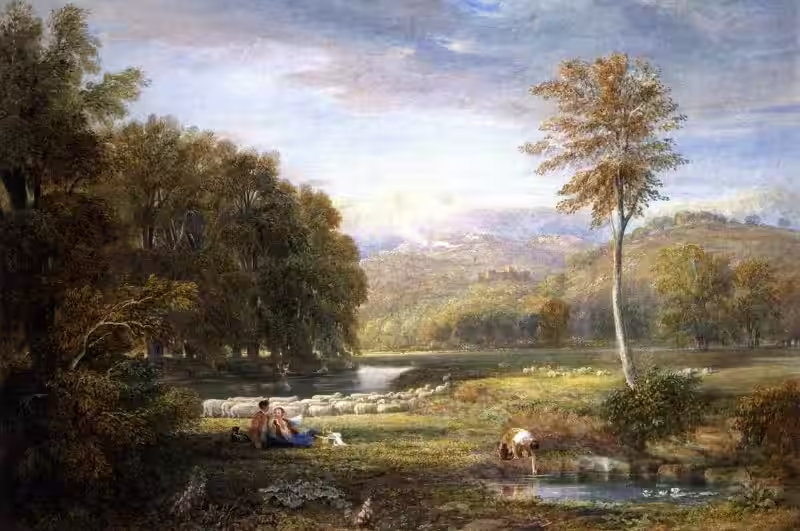
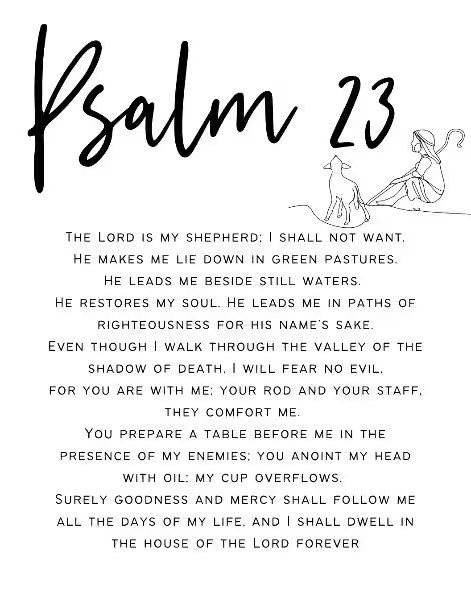
The gentle sway of sheep in a sun-drenched meadow, the comforting rhythm of a shepherd’s pipe, the vast, star-dusted canvas of a night sky seen from a lonely hill – these are the images that spring to mind when we speak of pastoral art. More than just pretty landscapes, these depictions are deeply interwoven with humanity’s oldest and most profound questions, often finding their most resonant expressions within the realm of religion. Pastoral art, at its heart, is an invitation to contemplation, a visual sermon preached not from a pulpit, but from the very earth beneath our feet and the heavens above.
This artistic genre, which flourished particularly in ancient Greece and Rome and experienced a significant revival during the Renaissance and Baroque periods, frequently uses the shepherd as its central figure. This humble role, often seen as solitary and subservient, becomes a powerful symbol. The shepherd, tending to their flock, is a direct allegory for divine care, for a benevolent higher power watching over and guiding its creation. This article will explore the rich tapestry of pastoral art, revealing how its seemingly simple scenes of rural life have consistently served as a profound conduit for religious thought and spiritual exploration.
The figure of the shepherd is perhaps the most potent and enduring in pastoral art, and its religious significance cannot be overstated. Across diverse cultures and time periods, the shepherd’s dedicated, watchful, and often self-sacrificing role has been a mirror reflecting the perceived nature of a divine shepherd. Think of the ancient Greek god Pan, often depicted as a rustic shepherd, embodying the wild, untamed spirit of nature, a force that could be both nurturing and formidable. His music, the panpipes, was believed to have a profound, almost mystical influence on both humans and animals. This early association laid the groundwork for later religious interpretations.
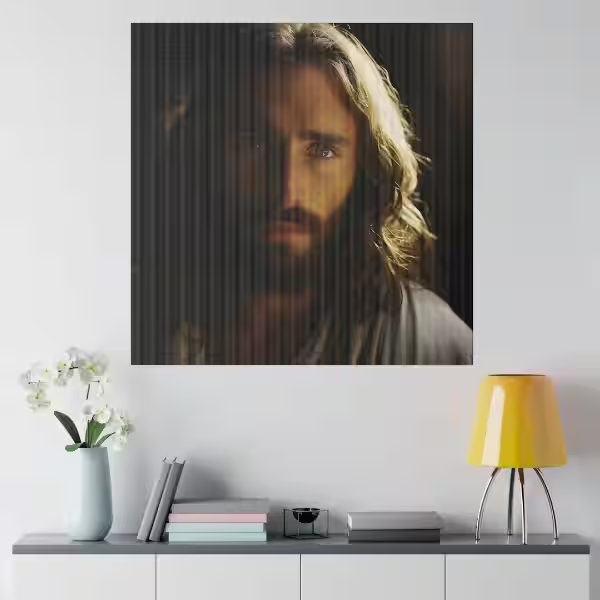
Moving into the Christian tradition, the symbolism is even more explicit. Jesus Christ is famously referred to as the “Good Shepherd” in the Gospel of John, a metaphor that resonates deeply with the agrarian societies of the time and continues to speak to us today. The image of Jesus carrying a lost lamb on his shoulders is iconic, representing his compassion and his mission to seek out and save those who are straying. This imagery is frequently translated into pastoral art, where a shepherd figure, often with a lamb, becomes a direct visual representation of Christ’s loving guidance and protective embrace. The very act of tending a flock, with its inherent responsibilities and vigilance, becomes a parable for God’s relationship with humanity.
The roots of pastoral art extend back to the bucolic verses of ancient poets like Virgil. His Eclogues, for instance, painted idyllic scenes of rural life, filled with singing shepherds and harmonious nature. While not overtly religious in a dogmatic sense, these poems introduced a philosophical undercurrent, exploring themes of peace, simplicity, and a harmonious existence with the natural world. This “golden age” of rural bliss, often depicted in pastoral art, served as a backdrop for spiritual contemplation, suggesting a return to a more primal, uncorrupted state that was closer to the divine.
When Christianity emerged, it readily adopted and adapted these existing literary and artistic conventions. The pastoral setting, with its inherent purity and separation from the corruptions of urban life, became an ideal canvas for depicting biblical narratives. Early Christian art, though often more symbolic, began to incorporate these rural motifs. The Nativity scene, for example, frequently features shepherds as the first witnesses to Christ’s birth, their humble presence underscoring the idea that salvation was accessible to all, regardless of social standing. This transformed the idyllic landscape into a sacred space, where divine events unfolded amidst the quietude of nature, making the divine feel more approachable and intimate.
Nature as a Manifestation of the Divine in Pastoral Art
Beyond the explicit symbolism of the shepherd, pastoral art consistently presents nature itself as a profound manifestation of the divine. The sweeping vistas, the dappled sunlight filtering through ancient trees, the babbling brooks, and the majestic mountains are not mere decorative elements; they are imbued with spiritual significance. These natural landscapes are often depicted with a sense of awe and reverence, suggesting that the beauty and order of the natural world are direct evidence of a creator’s hand at work. This aligns perfectly with religious traditions that view the universe as a divine creation, a testament to God’s power and artistry.
In much pastoral art, there is an almost tangible sense of peace and tranquility. This serenity is not accidental; it is intended to evoke a sense of spiritual calm within the viewer. The quietude of the countryside, far from the clamor of daily life, becomes a space for introspection and communion with the divine. Consider a painting of a solitary shepherd resting under a tree, gazing at the distant horizon. This scene can inspire thoughts of divine contemplation, of finding solace and spiritual renewal in the embrace of creation. The very elements of nature, from the smallest wildflower to the grandest celestial display, are seen as whispers from the divine, inviting us to listen and to understand.
The Sacredness of the Everyday Landscape
Pastoral art elevates the seemingly ordinary aspects of rural life, imbuing them with sacredness. The humble cottage, the winding path, the farmer diligently working the land – these are not just scenes of labor, but meditations on purposeful existence. This resonates with religious teachings that emphasize the dignity of work and the spiritual value found in fulfilling one’s duties with diligence and faith. The cycles of nature, the sowing and reaping, the changing seasons, are also powerful metaphors for life, death, and resurrection, central tenets of many religious beliefs.
This artistic approach encourages us to see the divine not just in grand cathedrals or dramatic miracles, but in the quiet unfolding of everyday life. A painting of sheep grazing peacefully can, through its serene depiction and the implied presence of a watchful shepherd (even if unseen), become a visual prayer. The artist, by meticulously rendering the textures of wool, the play of light on grass, and the subtle hues of the sky, is essentially documenting the divine presence in the material world. This perspective fosters a sense of gratitude and wonder for the intricate beauty of creation, a key element in many spiritual practices.
The Pastoral Ideal and the Quest for Spiritual Purity
The pastoral ideal, as depicted in art, often represents a yearning for a simpler, purer existence, a return to a state of unspoiled innocence. This resonates deeply with religious narratives that speak of a lost paradise, a time before sin and corruption entered the world. Pastoral art, with its idealized vision of rural life, offers a visual escape from the complexities and moral ambiguities of modern society, presenting a world where life is more straightforward, more virtuous, and thus, closer to a divine ideal.
This pursuit of purity is often linked to the concept of asceticism or withdrawal from worldly temptations, a theme recurrent in many religions. The solitary shepherd, living a life of communion with nature and their flock, can be seen as embodying this ideal of detachment from material possessions and worldly desires. Their focus is on essential needs and the well-being of their charges, mirroring the spiritual discipline encouraged in religious paths. Therefore, pastoral art often serves as a visual reminder of what true spiritual fulfillment might look like – a life lived in harmony with oneself, with nature, and with the divine.
Art as a Means of Spiritual Practice
Engaging with pastoral art can itself become a form of spiritual practice. By immersing ourselves in these scenes, we are invited to slow down, to breathe, and to contemplate. A detailed landscape painting can offer a meditative experience, allowing us to focus on the intricate details of creation and to find a sense of presence. The quiet contemplation of a pastoral scene can foster gratitude for the simple blessings of life, a cornerstone of many religious traditions. It encourages us to look beyond the superficial and to appreciate the deeper spiritual truths that lie beneath the surface of everyday existence.
Furthermore, the shared appreciation of pastoral art can foster a sense of community and shared spiritual values. Discussing the religious symbolism within a painting, the artist’s intent, and the emotions evoked can create a common ground for spiritual dialogue. This shared experience reinforces the idea that the search for meaning and connection to the divine is a universal human endeavor, one that can be enriched through art. Ultimately, pastoral art, with its enduring themes of divine care, the sacredness of nature, and the pursuit of purity, continues to offer solace, inspiration, and a profound connection to the spiritual realm, proving that even in the quiet fields, the divine is ever-present.
Frequently Asked Questions about Pastoral Art and Religion
What is pastoral art?
Pastoral art is a genre of art that depicts idealized country life. It often features shepherds, sheep, and rural landscapes, emphasizing themes of peace, tranquility, and simplicity.
How does religion influence pastoral art?
Throughout history, religious narratives and symbolism have been deeply intertwined with pastoral depictions. Many biblical stories, such as those of the Good Shepherd, have inspired countless pastoral artworks. These artworks often convey religious messages of divine care, protection, and spiritual guidance through the imagery of shepherds and their flocks.
Are there specific religious themes commonly found in pastoral art?
Yes, the most prominent religious theme is the figure of the Good Shepherd, a metaphor for Jesus Christ who guides and protects his followers (the flock). Other themes can include scenes of biblical shepherds in their daily lives, angelic visitations in rural settings, or allegorical representations of spiritual journeys that mirror the pastoral ideal of a peaceful, guided existence.
Can pastoral art be considered religious art even if it doesn’t depict explicit religious figures?
Absolutely. Pastoral art can convey religious sentiment and meaning through its atmosphere, symbolism, and underlying themes. The tranquility, harmony with nature, and the benevolent overseeing presence suggested by the shepherd figure can evoke a sense of divine presence and spiritual well-being, even in the absence of overtly religious iconography.
Are there examples of pastoral art from different religions?
While Western pastoral art is heavily influenced by Christianity, similar themes of shepherding and rural peace can be found in the art of other cultures and religions. These might not always be labeled “pastoral” in the same way, but they share a common appreciation for the virtues associated with agrarian life and the role of guidance and care.