In the grand tapestry of human experience, few threads are as vibrant and essential as the intertwined concepts of love, dignity, and religion. These are not abstract philosophical musings; they are the very bedrock upon which we build our lives, shape our communities, and seek our ultimate purpose. Understanding how they interact, how they inform each other, and how they can elevate our existence is a journey of profound discovery, one that offers solace, guidance, and a deeper sense of belonging.
The pursuit of a life imbued with love and dignity, often illuminated by the wisdom of religious traditions, can feel like a lifelong quest. It’s about recognizing the inherent worth in ourselves and in every soul we encounter, fostering relationships built on mutual respect, and seeking a connection to something larger than our individual selves. This exploration delves into the heart of what it means to be human, to be loved, and to live with unwavering dignity, all within the rich context of spiritual understanding.
The Foundation of Dignity: Recognizing the Sacred Spark Within
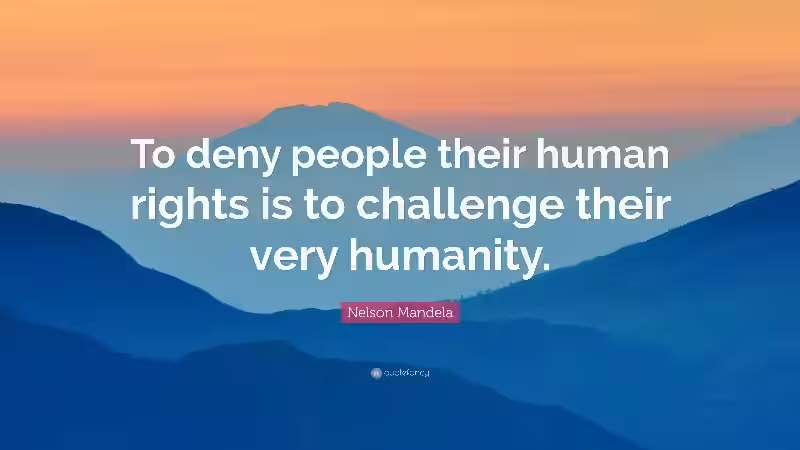
At its core, dignity is the inherent worth and value that every human being possesses, simply by virtue of their existence. It’s not something earned, nor can it be taken away unjustly. This understanding is a cornerstone of most religious teachings. Many faiths teach that humans are created in the image of a divine being, a concept that immediately elevates our status and imbues us with a sacred spark. This intrinsic value means that every person deserves to be treated with respect, kindness, and consideration, regardless of their background, beliefs, or circumstances.
Imagine a finely crafted piece of art. Its value isn’t determined by whether it’s displayed in a grand gallery or a humble home; its intrinsic beauty and the skill of the artist are what make it precious. Similarly, our dignity is not contingent on external validation. It’s a fundamental truth. When we truly grasp this, our interactions shift. We become more mindful of our words and actions, recognizing their potential to affirm or diminish the dignity of others. This recognition is the first step towards fostering a world where everyone feels seen, valued, and respected.
Love as the Active Expression of Dignity
If dignity is the recognition of inherent worth, then love is its active, vibrant expression. Religious traditions across the globe consistently emphasize love as the highest virtue. This isn’t necessarily romantic love, but a broader, more encompassing love – agape, in its purest form – a selfless, unconditional concern for the well-being of others. This divine love compels us to act in ways that uphold and enhance the dignity of those around us.
Consider the simple act of offering a helping hand to someone struggling. This gesture, born from a place of love and a recognition of their dignity, goes far beyond a physical act. It communicates, “I see you, I value you, and I believe in your ability to overcome this.” Religious teachings often provide practical frameworks for cultivating this kind of love, whether through commandments to love your neighbor, acts of charity, or the practice of forgiveness. These principles guide us in translating our belief in inherent dignity into tangible actions that foster compassion and mutual respect.
Religion: A Compass for Navigating Love and Dignity
For countless individuals, religion serves as a profound compass, guiding them through the complexities of life and offering a framework for understanding and practicing love and dignity. It provides narratives, ethical guidelines, and communities that reinforce these essential values. Religious texts and traditions often offer timeless wisdom on how to live a life of purpose, emphasizing the interconnectedness of all beings and the importance of treating each other with a sacred reverence.
Think of the parables and stories found in religious scriptures. These narratives are not merely historical accounts; they are powerful lessons designed to illustrate the principles of love and dignity. For instance, stories of compassion towards the marginalized, or the importance of forgiveness, serve as vivid examples of how to live out these ideals in real-world situations. Religion, in this sense, offers a roadmap, encouraging us to cultivate empathy, practice humility, and strive for a higher moral ground, all in service of a more loving and dignified existence.
The Role of Ritual and Community in Upholding Dignity
Beyond individual belief, religion often fosters robust communities and meaningful rituals that actively reinforce the concepts of love and dignity. These shared practices can create a powerful sense of belonging and mutual support. When people gather regularly for worship, prayer, or service, they are not just engaging in solitary devotion; they are participating in a collective affirmation of shared values, including the inherent dignity of every member.
Imagine a community coming together to support a family in need after a tragedy. This collective action, often inspired by religious tenets of compassion and love, directly upholds the dignity of that family by showing them they are not alone. Rituals, too, play a vital role. From the solemnity of a sacred ceremony to the warmth of communal meals, these practices can create moments of profound connection, reminding participants of their shared humanity and their collective responsibility to one another. This communal reinforcement is crucial for sustaining our commitment to love and dignity in a world that can often be challenging.
Navigating Challenges: When Love and Dignity are Tested
Life, inevitably, presents challenges where our commitment to love and dignity is tested. Conflicts arise, misunderstandings occur, and situations can arise where it feels difficult to extend grace or recognize the inherent worth of another, especially when we feel wronged. Religious teachings often provide the tools and the resilience needed to navigate these difficult terrains, encouraging perseverance in our pursuit of ethical conduct.
Consider a scenario where you experience betrayal. The immediate human reaction might be anger and a desire for retribution. However, many religious traditions would encourage a path of forgiveness, not necessarily condoning the hurtful behavior, but releasing yourself from the burden of resentment. This act of forgiveness, rooted in the understanding of the offender’s own humanity and potential for redemption, is a profound demonstration of love and a commitment to upholding a higher standard of dignity, even in the face of adversity. It’s about choosing a response that elevates, rather than diminishes, the spirit.
The Transformative Power of Divine Love
At the heart of many religious experiences lies the concept of divine love. This is a love that transcends human limitations, a love that is pure, unconditional, and eternally present. Encountering or even contemplating this divine love can be profoundly transformative, reshaping our perspective on ourselves and others, and strengthening our resolve to embody its principles in our daily lives. It’s a love that can heal, inspire, and empower us to extend greater compassion.
Think about the feeling of overwhelming gratitude and peace that can accompany a moment of deep spiritual connection. This experience, often described as encountering divine love, can recalibrate our priorities. It can make us more acutely aware of the suffering in the world and more motivated to alleviate it. It can also foster a profound sense of self-acceptance and dignity, releasing us from the need for constant external validation and empowering us to live authentically, radiating kindness and respect. This transformative power is a testament to the enduring influence of faith on our human capacity for love and dignity.
Conclusion: Living a Life of Love, Dignity, and Faith
The journey of integrating love, dignity, and religion into our lives is not a destination, but a continuous unfolding. It’s a practice of conscious choice, of seeking to understand, to connect, and to contribute positively to the world around us. By recognizing the sacred spark within every individual, embracing love as our most powerful expression, and drawing strength from the wisdom of our faith traditions, we can cultivate lives of profound meaning and purpose.
Ultimately, a life rich in these interconnected values is one that resonates with authenticity and impact. It’s a life where our actions consistently reflect our deepest beliefs, where we champion the inherent worth of all, and where we find enduring solace and guidance in our spiritual journey. The pursuit of love, dignity, and faith is the pursuit of our highest selves, a noble endeavor that enriches not only our own lives but also the lives of everyone we touch.
Frequently Asked Questions about Love, Dignity, and Religion
What is love dignity?
Love dignity refers to the inherent worth and respect that every individual deserves, particularly within the context of relationships and their religious or spiritual beliefs. It emphasizes treating oneself and others with kindness, compassion, and a recognition of their intrinsic value.
How does religion relate to love dignity?
Many religions promote the concept of love dignity by teaching the importance of treating others as you would like to be treated, often emphasizing compassion, forgiveness, and unconditional love. Religious tenets can provide a framework for understanding and practicing love dignity in personal interactions and in society.
Can love dignity be practiced without religion?
Yes, love dignity is a universal human value that can be practiced by anyone, regardless of their religious beliefs or lack thereof. The principles of empathy, respect, and kindness are accessible to all and can be cultivated through personal reflection and ethical commitment.
How can I foster love dignity in my relationships?
To foster love dignity in your relationships, actively practice empathy, listen attentively, communicate with respect, and acknowledge the inherent worth of the other person. This includes respecting their boundaries, beliefs, and individuality, even when you disagree.
What are the benefits of upholding love dignity?
Upholding love dignity leads to healthier relationships, stronger communities, and a greater sense of personal fulfillment. It reduces conflict, promotes understanding, and creates an environment where individuals feel safe, valued, and respected.
How does religion influence the concept of dignity?
Many religions teach that humans are created in the image of a divine being, bestowing upon them inherent dignity. This belief often translates into religious injunctions to treat all people with respect and to protect their rights and well-being.
Are there specific religious teachings on love dignity?
Yes, numerous religious traditions offer teachings that directly or indirectly address love dignity. For example, the Golden Rule found in many faiths, the concept of agape (unconditional love) in Christianity, or the emphasis on compassion (karuna) in Buddhism all contribute to the understanding and practice of love dignity.
How can I reconcile differing religious views with the practice of love dignity?
While religious beliefs may differ, the core principles of love dignity – respect, empathy, and kindness – can serve as a common ground. Focusing on shared human values and engaging in dialogue with an open heart can help bridge divides and foster mutual understanding.