In the tapestry of faith, the figure of the Catholic minister stands out, a beacon of spiritual guidance and a vital conduit between the divine and the everyday lives of believers. More than just a ceremonial leader, a Catholic minister embodies a profound commitment to service, teaching, and the pastoral care of their flock. Their presence is felt in moments of profound joy, deep sorrow, and the quiet contemplation of daily life, shaping the spiritual landscape for countless individuals and communities. Understanding their multifaceted role is key to appreciating the vibrant heart of the Catholic Church.
The term “minister” itself, derived from the Latin word for “servant,” perfectly encapsulates the essence of their vocation. A Catholic minister is, first and foremost, a servant of God and of the people. This service is not a passive undertaking; it involves active engagement, deep empathy, and a constant striving to live out the teachings of Christ. Whether offering Mass, administering sacraments, or simply lending a listening ear, their actions are rooted in a desire to foster spiritual growth and to bring the message of salvation to all. This profound dedication forms the bedrock of their ministry.
The Multifaceted Responsibilities of a Catholic Minister
The life of a Catholic minister is a rich and demanding one, encompassing a wide array of responsibilities that extend far beyond the pulpit. They are entrusted with the sacred duty of leading their congregations in worship, celebrating the Mass, and administering the sacraments – the very lifeblood of Catholic spiritual practice. This includes everything from the solemnity of Baptism and the transformative power of Reconciliation to the central mystery of the Eucharist and the comforting grace of Anointing of the Sick. These are not mere rituals; they are tangible encounters with God’s love and presence, guided by the experienced hand of the minister.
Beyond the liturgical realm, a Catholic minister plays a crucial role in the formation and education of their parishioners. This involves teaching the doctrines of the Church, offering spiritual direction, and engaging in evangelization, sharing the Good News with both believers and those seeking to know more. They are often called upon to counsel individuals and families facing life’s challenges, offering solace, wisdom, and a steadfast connection to divine hope. Imagine a family grappling with grief; the minister’s presence, scripture, and prayers offer a profound source of comfort and a reminder of eternal life, demonstrating the tangible impact of their pastoral care.
Leading Worship and Administering Sacraments
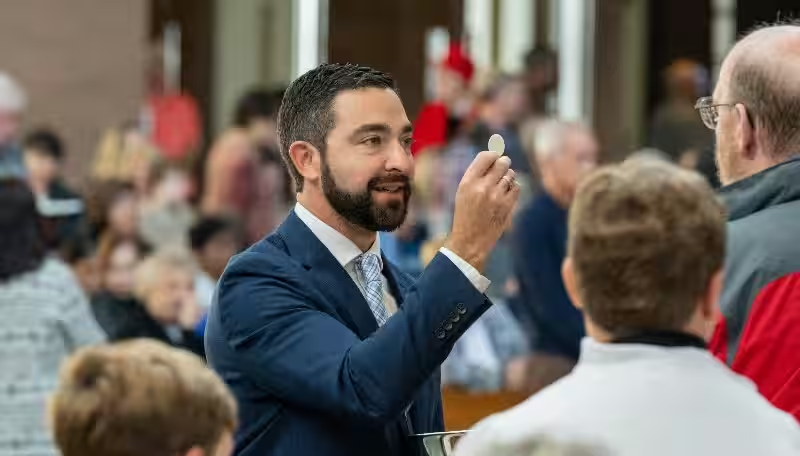
At the core of a Catholic minister’s duties lies the celebration of the Holy Eucharist, the central act of Catholic worship. As they preside over Mass, they are channeling the prayers and intentions of the entire community, offering the sacrifice of Christ for the salvation of the world. This is a moment of profound spiritual connection, where the priest, acting in persona Christi (in the person of Christ), elevates the bread and wine, transforming them into the Body and Blood of Jesus. This is a transformative experience for the faithful, a tangible encounter with the divine presence that nourishes the soul and strengthens their faith.
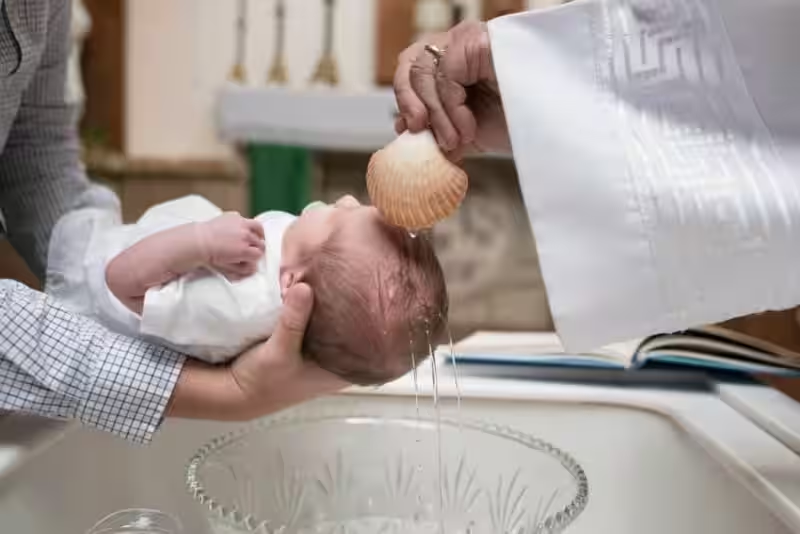
Furthermore, a Catholic minister is the designated administrator of the sacraments. Each sacrament – Baptism, Confirmation, Eucharist, Reconciliation, Anointing of the Sick, Holy Orders, and Matrimony – carries its own unique grace and significance. The minister’s role is to ensure these sacraments are administered with reverence, solemnity, and in accordance with Church tradition. For instance, when a Catholic minister baptizes an infant, they are not simply pouring water; they are ushering a new soul into the Church, cleansing them from original sin, and marking them as a child of God, a profound initiation into the Christian life.
Teaching and Spiritual Formation
The role of a Catholic minister extends significantly into the realm of education and spiritual growth. They are tasked with imparting the rich heritage of Catholic teaching, ensuring that the faithful understand the doctrines, moral principles, and historical development of their faith. This often involves leading Bible studies, catechetical sessions for children and adults, and delivering homilies that illuminate the scripture readings of the day with practical relevance to contemporary life. Their teaching is designed to equip believers with the knowledge and understanding necessary to live out their faith authentically.
Beyond formal instruction, a Catholic minister is a dedicated spiritual director, offering personalized guidance to individuals seeking to deepen their relationship with God. This might involve one-on-one conversations, retreats, or recommending spiritual practices like prayer, meditation, or the examination of conscience. This tailored approach is crucial, as each person’s spiritual journey is unique. For a young adult struggling with vocational discernment, a minister might offer prayerful guidance, explore scripture passages related to calling, and encourage them to seek God’s will in their life, fostering personal spiritual development.
Pastoral Care and Community Building
The human element of a Catholic minister’s role is perhaps one of the most visible and deeply appreciated aspects of their ministry. They are the shepherds who care for their flock, tending to the spiritual, emotional, and sometimes even the practical needs of their parishioners. This involves visiting the sick and homebound, offering comfort and prayers to those who are suffering, and providing a listening ear to anyone in distress. Their presence during times of hardship can be a powerful testament to the Church’s unwavering support and love.
Building and nurturing a vibrant faith community is another vital function of a Catholic minister. They foster a sense of belonging and shared purpose, encouraging parishioners to engage with one another and to participate actively in the life of the parish. This can manifest in organizing social events, supporting parish ministries, and facilitating opportunities for service and outreach. A minister’s encouragement can inspire a group of parishioners to initiate a food drive for the local homeless shelter, creating a tangible expression of their faith in action and strengthening the bonds within the community.
The Path to Becoming a Catholic Minister
The journey to becoming a Catholic minister, particularly a priest or deacon, is a rigorous and transformative process, demanding dedication, discernment, and a profound commitment to Christ and His Church. It is a path marked by extensive study, prayer, and spiritual growth, preparing individuals for the profound responsibilities they will undertake. This calling is not entered into lightly; it is a lifelong commitment to serving God and His people.
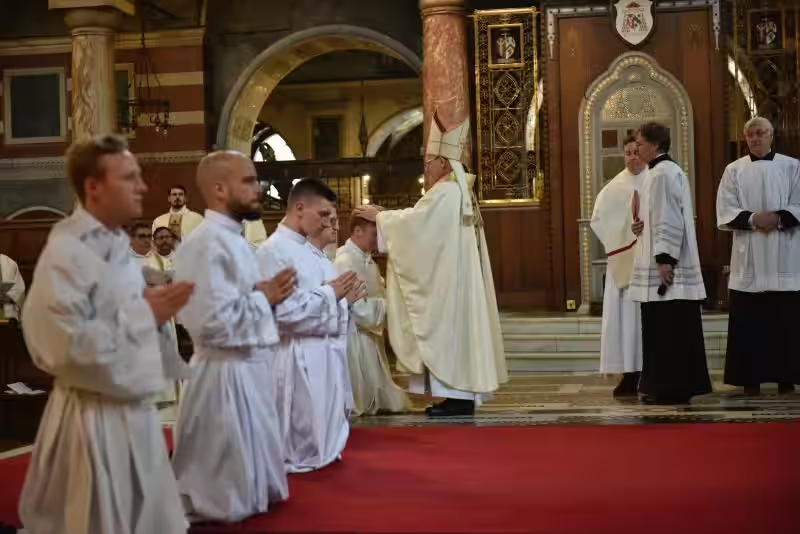
For men aspiring to the priesthood, this involves a period of seminary formation, typically lasting several years. This comprehensive program includes theological studies, philosophical exploration, spiritual direction, and pastoral internships. Deacons, who can be single or married men, also undergo specific formation to prepare them for their ministry. The discernment process is crucial, allowing individuals to explore their vocation prayerfully and with the guidance of experienced mentors, ensuring they are truly called to this sacred service.
Seminary Formation and Discernment
Seminary life is a period of intense spiritual and intellectual development for aspiring Catholic priests. Within its hallowed halls, candidates delve into the depths of scripture, theology, canon law, and Church history, building a robust foundation of knowledge. More importantly, it is a time of profound personal encounter with God, cultivating a deep prayer life and learning to live in community with fellow seminarians. This holistic formation aims to mold them into spiritual leaders capable of guiding others on their faith journey.
The process of discernment is an integral part of the journey. Potential candidates are encouraged to pray, reflect, and seek guidance from spiritual directors and mentors to confirm their calling. This period of self-examination and spiritual exploration is essential. For example, a young man feeling a strong pull towards the priesthood might spend time in prayer at a monastery, attend spiritual retreats, and engage in deep conversations with his pastor, all to ensure his desire stems from a genuine call from God rather than personal ambition.
Deaconate Formation
The formation for the permanent diaconate, a ministry open to married men, also involves a dedicated period of study and spiritual preparation. Deacons are ordained to serve the Church in areas of charity, liturgy, and the ministry of the Word. Their formation program often balances academic rigor with practical pastoral experience, preparing them to serve effectively within their parishes and dioceses. This path allows men to continue their secular vocations while embracing a sacred calling to serve.
The formation for deacons is designed to equip them for their specific roles. They study scripture, theology, and Church history, but much of their training focuses on practical skills like preaching, assisting at the altar, and ministering to the needs of the poor and marginalized. A deacon might, for instance, be trained to effectively lead a parish outreach program for the elderly, learning not only the theological underpinnings of charity but also the practical aspects of organizing volunteers and resources to serve those in need, demonstrating the hands-on nature of their ministry.
The Enduring Significance of the Catholic Minister
In an ever-changing world, the presence of a Catholic minister offers a constant anchor of faith, hope, and love. They are the guardians of sacred tradition, the conduits of divine grace, and the compassionate shepherds who guide their flocks through the complexities of life. Their unwavering dedication to their vocation ensures that the light of Christ continues to shine brightly, illuminating the path for believers and inspiring them to live lives of purpose and meaning.
The role of the Catholic minister is not simply about fulfilling a set of duties; it is about embodying a way of life consecrated to God. It is a commitment to service, a passion for evangelization, and a deep wellspring of compassion that touches countless lives. As they continue their sacred work, Catholic ministers remain an indispensable force in nurturing faith, building community, and spreading the transformative message of the Gospel throughout the world, proving that their ministry is an enduring and vital force in the realm of religion.
Frequently Asked Questions about Catholic Ministry and Religion
What is a Catholic minister?
A Catholic minister is a man ordained to serve the Church in various capacities, including celebrating Mass, administering sacraments like baptism and marriage, and providing spiritual guidance. This role is typically held by priests and deacons.
What are the core beliefs of Catholicism?
Catholicism is a branch of Christianity centered on the teachings of Jesus Christ as interpreted by the Catholic Church. Key beliefs include the Trinity (God as Father, Son, and Holy Spirit), the divinity of Jesus, his resurrection, the importance of the sacraments (especially the Eucharist), the authority of the Pope and bishops, and the veneration of Mary and the saints.
What is the role of a priest in the Catholic Church?
Priests are ordained men who act in the person of Christ to serve the Church. Their primary roles include celebrating Mass and the sacraments, preaching the Gospel, and offering pastoral care to their congregations. They are often assigned to parishes to lead and serve the local Catholic community.
What is a deacon in the Catholic Church?
Deacons are ordained ministers who assist bishops and priests. They can preach, baptize, witness marriages, and perform other liturgical functions. Deacons can be either transitional (preparing for the priesthood) or permanent (men who remain deacons, often married).
How does one become a Catholic minister (priest or deacon)?
Becoming a priest typically involves a long period of discernment, education in a seminary, and ordination by a bishop. For permanent deacons, the path involves a period of formation and study, followed by ordination.
What is the significance of the Mass in Catholicism?
The Mass is the central act of Catholic worship, commemorating the Last Supper and the sacrifice of Jesus Christ. It is where Catholics believe Jesus is truly present in the Eucharist (consecrated bread and wine).
What are the sacraments in Catholicism?
The Catholic Church recognizes seven sacraments: Baptism, Confirmation, Eucharist, Reconciliation (Penance), Anointing of the Sick, Holy Orders, and Matrimony. These are considered outward signs instituted by Christ to give grace.
What is the role of the Pope?
The Pope is the Bishop of Rome and the visible head of the Catholic Church worldwide. He is considered the successor of Saint Peter and holds supreme pastoral authority over the Church.
What is the difference between a Catholic priest and a Protestant minister?
While both roles involve spiritual leadership and preaching, Catholic priests are ordained within the apostolic succession, and their ministry is tied to the sacraments, particularly the Eucharist. Protestant ministers’ roles and authority vary significantly depending on their denomination, with different understandings of ordination and the church structure.