The Catholic Church is a vast and ancient institution, a tapestry woven with threads of faith, tradition, and evolving ministry. Within this intricate design, the role of the deacon, or the diaconate, stands as a crucial and often understated pillar of its religious life. Far from being a mere ceremonial position, the permanent diaconate offers a unique blend of service, spiritual leadership, and practical engagement that resonates deeply within contemporary society. Understanding the Catholic diaconate is not just an academic pursuit; it’s an invitation to witness firsthand how faith is lived out in tangible ways, serving the needs of both the Church and the wider community.
This article delves into the multifaceted world of the Catholic diaconate, exploring its historical roots, its essential ministries, and its profound impact on the lives of individuals and parishes. We will uncover how this ancient office continues to be a vibrant and indispensable part of Catholic religion today, offering a path for dedicated men to serve God and their neighbors in profound and meaningful ways. Whether you are a lifelong Catholic seeking a deeper understanding of Church structure, a curious observer of religious practices, or perhaps contemplating a vocational path, the journey into the diaconate promises to be both enlightening and inspiring.
The Deep Roots of Service: A Historical Perspective on the Catholic Diaconate
The origins of the Catholic diaconate are deeply embedded in the very beginnings of Christianity. Traced back to the Book of Acts in the New Testament, the appointment of the first seven deacons was a direct response to a practical need: ensuring fair distribution of resources and care for widows within the burgeoning early Christian community. This foundational act highlights a core principle that has endured through centuries: the diaconate is intrinsically linked to service, charity, and the practical needs of the faithful. Imagine the early apostles, overwhelmed with preaching and prayer, recognizing the necessity of dedicated individuals to manage the daily affairs, freeing them to focus on spiritual guidance. This division of labor, born out of necessity, established a pattern of ministry that continues to shape the Church.
Over time, the role of the deacon evolved. In the early Church, deacons held significant responsibility, often acting as assistants to bishops and priests, overseeing charitable works, and even preaching. While the diaconate eventually became primarily a transitional step for men preparing for the priesthood, the Second Vatican Council in the 1960s saw a significant re-emphasis on the permanent diaconate. This revival recognized that men, married or single, could dedicate themselves to a life of service as deacons without necessarily aspiring to the priesthood. This restoration brought back a vital dimension to Catholic ministry, re-establishing the deacon as a sacramental minister with his own distinct charisms and responsibilities within the Church’s religious fabric.
The Modern Face of Service: Ministry and Mission of Today’s Deacons
In the modern era, the Catholic diaconate has experienced a remarkable resurgence, embracing a diverse range of ministries that directly address the needs of contemporary society. Deacons are often seen on the frontlines of parish life, actively engaged in works of mercy, social justice, and evangelization. Their ministries are not confined to the sanctuary; they extend into hospitals, prisons, homeless shelters, and community centers, bringing the Gospel message of love and compassion to those who need it most. A deacon might be found visiting the sick and homebound, offering comfort and spiritual support, or leading a parish initiative to assist refugees. This hands-on approach, rooted in prayer and contemplation, bridges the gap between the sacred and the secular, making faith a tangible reality for many.
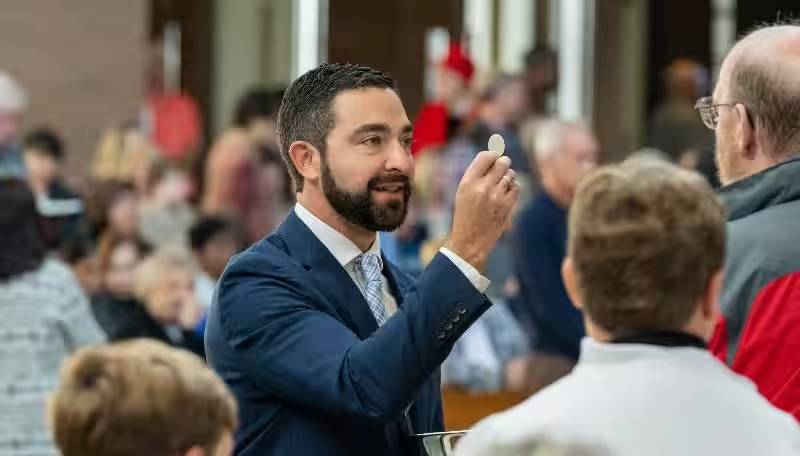
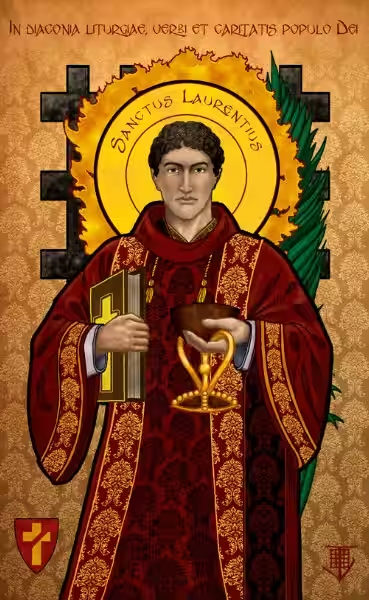
The ministry of a deacon is multifaceted, encompassing three primary dimensions: the diakonia of the Word, the diakonia of the Altar, and the diakonia of Charity. In terms of the Word, deacons can proclaim the Gospel at Mass, preach homilies, and lead Bible studies, sharing the teachings of Christ with clarity and conviction. At the Altar, they assist the priest during Mass, administer baptism, witness marriages, and preside at services of the Word and Communion when a priest is not available. Crucially, the diakonia of Charity is the bedrock of their vocation, compelling them to advocate for the poor and marginalized, to be instruments of reconciliation, and to foster a spirit of service throughout the entire Christian community. This holistic approach ensures that the diaconate remains a dynamic and essential force within Catholic religion.
The Path to Ordination: Formation and Vocation in the Diaconate
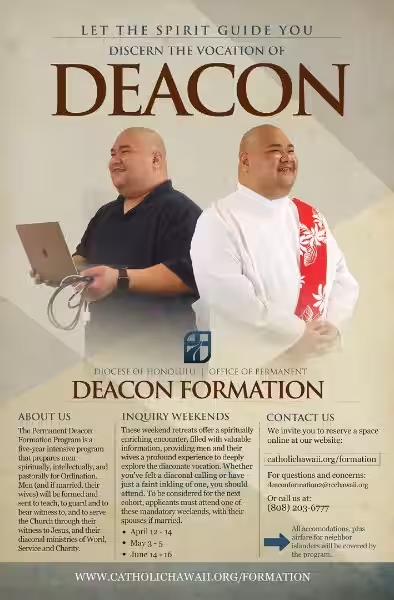
The journey to becoming a Catholic deacon is a rigorous and deeply spiritual process, demanding a profound commitment to prayer, study, and service. For men discerning a vocation to the permanent diaconate, the path typically involves a period of discernment and formation, often spanning several years. This formation is not merely academic; it is a transformative experience designed to equip candidates with the theological knowledge, pastoral skills, and spiritual maturity necessary for ordained ministry. They engage in extensive study of scripture, theology, Church history, and pastoral care, alongside practical experiences in various ministries within their diocese.
The formation process also places a strong emphasis on the spiritual life of the candidate. He is encouraged to deepen his prayer life, cultivate a relationship with Christ, and develop a profound understanding of his own gifts and limitations. For married candidates, the support and understanding of their wives are integral to the process, recognizing that the vocation impacts the entire family. Ordination to the diaconate is a sacramental event, bestowing the grace of the Holy Spirit for service. This is not a career change but a profound call to a life dedicated to God and the Church, a commitment that shapes their identity and their ongoing ministry within the Catholic religious landscape.
Living the Vocation: The Deacon’s Role in Parish Life and Beyond
Once ordained, deacons integrate seamlessly into the fabric of parish life, bringing their unique gifts and charisms to bear on the Church’s mission. They are often the “hands and feet” of Christ within their communities, actively involved in everything from baptizing infants to assisting with funeral arrangements. A deacon might lead a parish outreach program, coordinate volunteers for charitable events, or simply be a listening ear for those struggling with life’s challenges. Their presence enriches the worship experience and strengthens the bonds of community, fostering a more vibrant and engaged faith among parishioners. This active participation ensures that the spiritual and corporal works of mercy are not just abstract concepts but lived realities.
The influence of the Catholic diaconate extends far beyond the confines of the parish church. Deacons are often called to serve in diocesan leadership roles, contributing their expertise to various ministries and initiatives. They may also be chaplains in institutions like hospitals, universities, or correctional facilities, bringing the solace and hope of the Gospel to those in need. Their commitment to service, rooted in their sacramental ordination, makes them irreplaceable assets in the Church’s ongoing effort to spread the Good News and to be a visible sign of God’s love in the world. The enduring call to serve, embodied by the diaconate, remains a powerful testament to the vitality and adaptability of Catholic religion.
Frequently Asked Questions about the Catholic Diaconate
What is a Catholic deacon?
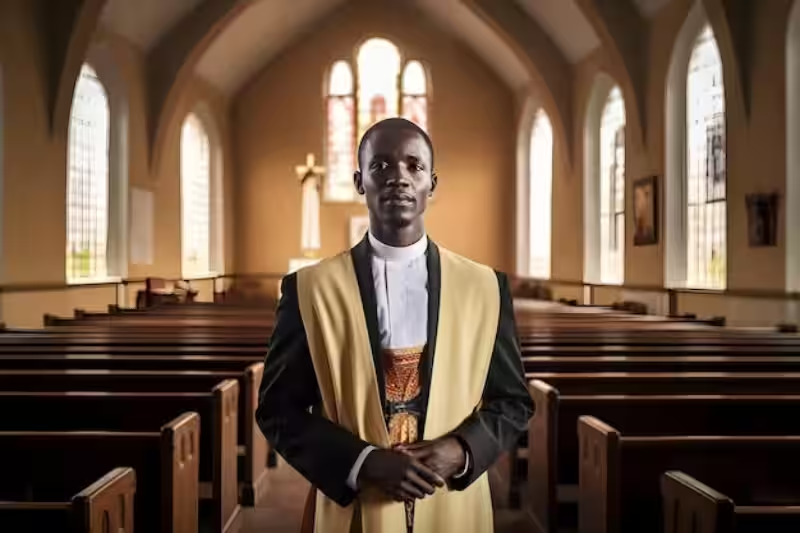
A Catholic deacon is an ordained minister of the Church who assists bishops and priests in their pastoral duties. Deacons can perform a variety of functions, including preaching, baptizing, witnessing marriages, and distributing communion. There are two types of deacons: transitional deacons, who are men preparing for the priesthood, and permanent deacons, who are men (often married) who commit to serving the Church as deacons without intending to become priests.
What are the roles and responsibilities of a deacon?
Deacons have three primary areas of service, often referred to as the “ministries of word, sacrament, and charity.”
* Ministry of Word: This involves proclaiming the Gospel, preaching homilies, and teaching the faith.
* Ministry of Sacrament: Deacons can baptize, witness marriages, preside over wakes and funeral services, and distribute Holy Communion.
* Ministry of Charity: This is a core aspect of diaconal ministry, focusing on serving the poor, the sick, the imprisoned, and those in need, acting as a bridge between the Church and the wider community.
Yes, a married man can be ordained as a permanent deacon. In the Latin Rite of the Catholic Church, the discipline is that a married man may be ordained, but a priest or bishop may not marry after ordination. If a deacon is widowed, he may not remarry.
What are the requirements to become a deacon?
The specific requirements can vary by diocese, but generally include:
* Being a baptized and confirmed male Catholic.
* Being at least 35 years old (for permanent deacons).
* Being in good standing with the Church.
* Demonstrating a strong faith life and a commitment to service.
* For married men, having the consent of his wife.
* Undergoing a period of formation, which typically includes theological study and practical pastoral experience.
What is the difference between a transitional deacon and a permanent deacon?
Transitional Deacons: These are men who are already ordained as priests and are serving as deacons for a period of time as a step towards their priestly ordination.
Permanent Deacons: These are men who are ordained as deacons and intend to serve the Church in this capacity permanently, without proceeding to the priesthood. They can be single or married (at the time of ordination).
How is a deacon ordained?
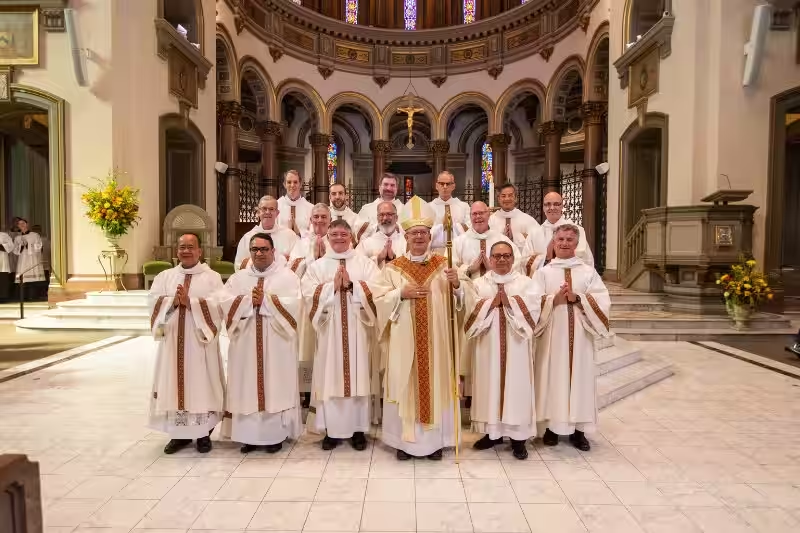
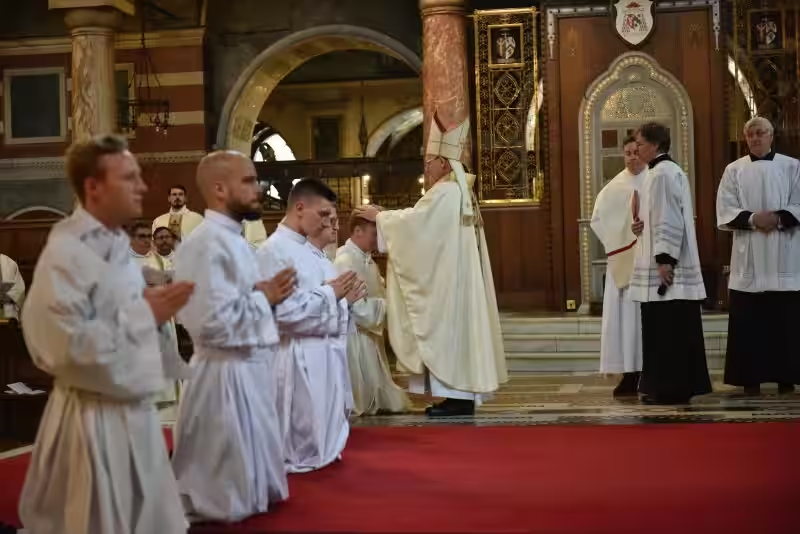
Deacons are ordained through the sacrament of Holy Orders, administered by a bishop through the laying on of hands and a specific prayer of consecration. This ordination imprints a permanent spiritual character on the man.
Can a deacon perform Mass?
No, deacons cannot celebrate Mass. The celebration of Mass is reserved to bishops and priests. Deacons assist the priest during the Mass, often by proclaiming the Gospel, preaching, and distributing communion.
What is the diaconate’s place in the Church hierarchy?
The diaconate is the first of the three orders of ordained ministry in the Catholic Church, followed by the priesthood and then the episcopacy (bishop). Deacons are ordained ministers who serve under the authority of their bishop.