Imagine stepping back in time, where cobblestone streets whisper tales of centuries past and the air itself seems to hum with a profound sense of devotion. This is the essence of Borgo Pio, Rome – a district that isn’t just a place on a map, but a living, breathing testament to the enduring power of religion. Nestled in the shadow of St. Peter’s Basilica, Borgo Pio offers visitors an immersive experience, a chance to walk in the footsteps of pilgrims, popes, and countless individuals whose lives have been shaped by their faith. It’s a journey that goes beyond sightseeing; it’s an exploration of the very soul of Rome.
For anyone seeking a deeper connection to the spiritual heart of the Eternal City, Borgo Pio stands as a beacon. Its narrow alleys, charming piazzas, and ancient edifices are not merely architectural wonders, but integral parts of a narrative deeply entwined with religion. Whether you’re a seasoned traveler or planning your first pilgrimage, understanding the significance of Borgo Pio will undoubtedly enrich your experience, transforming your visit from a mere tourist excursion into a meaningful encounter with history and faith.
The Spiritual Heartbeat of Borgo Pio: Proximity to the Sacred
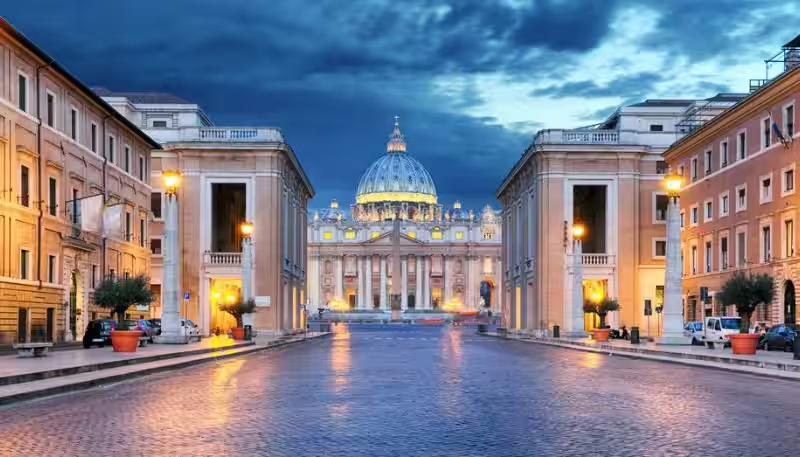
The most defining characteristic of Borgo Pio is its unparalleled proximity to the Vatican City, the spiritual epicenter for over a billion Catholics worldwide. This geographical closeness isn’t just a matter of convenience; it has profoundly shaped the identity and character of Borgo Pio for centuries. Imagine waking up to the sight of St. Peter’s dome dominating the skyline, a constant reminder of the immense religious significance just a stone’s throw away. This proximity has drawn a specific demographic to the area, fostering an atmosphere steeped in religious tradition and devotion.
This intimate relationship with the Vatican means that life in Borgo Pio often revolves around the rhythms of religious observance. You’ll find numerous religious institutions, from ancient churches and chapels to convents and seminaries, all contributing to the district’s sacred aura. The constant flow of pilgrims and clergy passing through Borgo Pio creates a unique energy, a palpable sense of shared spiritual purpose that is rarely found elsewhere. It’s a place where the mundane and the divine seem to coexist harmoniously, enriching the daily lives of its residents and captivating the hearts of its visitors.
Churches That Bear Witness to Faith and Artistry
Within the embrace of Borgo Pio lie churches that are not just places of worship, but masterpieces of art and architecture, each with its own compelling story to tell. Take, for instance, the Church of Santa Maria in Traspontina, a beautiful example of Baroque architecture that houses significant religious relics and stunning frescoes. Its presence anchors the district, serving as a focal point for local devotion and a welcoming sanctuary for those seeking solace. The intricate details of its altars and the evocative imagery of its paintings are designed to inspire awe and contemplation, drawing worshippers into a deeper spiritual connection.
Another gem is the Church of San Michele in Sassia. While perhaps less grand than some of its more famous neighbors, its historical significance is immense. It’s a place that has witnessed pivotal moments in religious history, and its humble yet dignified presence speaks volumes about the enduring faith of the people who have worshipped there. Exploring these churches is like turning the pages of a sacred history book, each one offering a unique perspective on the evolution of faith, art, and devotion in Rome. The sheer number of these sacred spaces within Borgo Pio underscores its unwavering commitment to its religious heritage.
The Pilgrim’s Path: Borgo Pio as a Gateway to Devotion
For countless pilgrims over the centuries, Borgo Pio has served as the essential gateway to the Vatican and its sacred sites. Imagine a medieval pilgrim, weary from their journey, finally catching sight of St. Peter’s Basilica. Their first steps would likely have been on the very streets of Borgo Pio. This district historically offered lodging, sustenance, and spiritual guidance to those undertaking journeys of faith, making it an integral part of the pilgrimage experience. Its role as a staging ground for devotion has left an indelible mark on its character.
Today, this tradition continues, albeit in a more modern form. Borgo Pio remains a vibrant hub for pilgrims seeking accommodation, religious articles, and a spiritual atmosphere. The shops lining its streets often sell devotional items, rosaries, and religious books, catering to the needs of those on a spiritual quest. Walking through Borgo Pio, you’ll encounter people from all corners of the globe, united by their shared purpose of visiting the Vatican. This shared humanity and devotion create a unique camaraderie, a sense of belonging that transcends cultural differences. It’s a place where the universal language of faith is spoken and understood by all.
Experiencing the Devotional Life of Borgo Pio
To truly understand the religious essence of Borgo Pio, one must immerse oneself in its daily devotional life. This involves more than just visiting St. Peter’s; it means observing the quiet reverence of morning Mass, the processions that occasionally grace its streets, and the devout prayers offered in its many chapels. Even if you are not religious, witnessing these moments can be profoundly moving, offering a glimpse into a way of life deeply anchored in faith. The simple act of observing a local resident pausing for prayer outside a church can be as impactful as viewing a grand religious artwork.
Consider participating in a guided tour that focuses on the religious history of Borgo Pio. These tours often highlight lesser-known churches, share stories of local saints, and explain the significance of various religious traditions practiced in the area. Such an experience can illuminate the layers of meaning embedded within the district’s architecture and its daily routines. You might learn about the history of specific relics, understand the symbolism behind religious art, or hear about the lives of individuals who dedicated their lives to their faith and lived within this sacred enclave. This deeper understanding transforms Borgo Pio from a picturesque neighborhood into a living museum of religious devotion.
Beyond the Basilica: The Enduring Religious Culture of Borgo Pio
While the grandeur of St. Peter’s Basilica undoubtedly draws the most attention, the enduring religious culture of Borgo Pio extends far beyond its immediate shadow. The district is home to numerous religious communities and orders, each contributing to the vibrant tapestry of faith. These communities often maintain their own chapels, libraries, and archives, preserving centuries of religious knowledge and tradition. Their presence is a constant reminder that religion in Borgo Pio is not just about grand monuments, but about the lived experiences and dedicated lives of those who commit themselves to spiritual pursuits.
The everyday interactions within Borgo Pio also reflect its religious character. You might see priests and nuns walking along the streets, their attire a visible symbol of their vocation. Local businesses often display religious iconography, and the pace of life can sometimes feel dictated by the church bells. This ingrained religious culture creates a unique atmosphere, one that is both peaceful and profoundly spiritual. It’s a place where the sacred is woven into the fabric of daily existence, offering a tangible connection to a timeless tradition that continues to thrive.
The Intersection of Faith and Daily Life
The beauty of Borgo Pio lies in how seamlessly religion is integrated into the rhythm of daily life. It’s not an abstract concept confined to Sunday services, but a palpable presence that influences the community’s values and interactions. For example, you might find that many of the local artisans have been inspired by religious themes for generations, with their crafts often reflecting a deep understanding of religious symbolism. This can manifest in everything from beautifully carved wooden statues to intricately designed religious jewelry, each piece a testament to the enduring power of faith in creative expression.
Furthermore, the social fabric of Borgo Pio is often strengthened by shared religious practices and traditions. Community events, festivals, and charitable initiatives frequently have a religious underpinning, fostering a sense of unity and mutual support among residents. This creates a welcoming environment, where visitors can often feel the warmth and generosity of a community deeply connected by their shared faith. It’s this authentic religious culture, lived and breathed by its inhabitants, that truly makes Borgo Pio a special destination for those seeking a more profound connection to Rome’s spiritual heritage.
Frequently Asked Questions: Borgo Pio and Religion
What is Borgo Pio and its significance to religion?
Borgo Pio is a historic street in Rome, located just outside the Vatican City. Its proximity to St. Peter’s Basilica and the Vatican has made it a significant area for religious activities and pilgrims for centuries. Historically, it was a bustling area that housed pilgrims, clergy, and artisans serving the needs of the Vatican. Today, it remains a popular destination for those visiting Rome for religious purposes due to its close connection to the Holy See.
Are there any significant religious sites directly on Borgo Pio?
While Borgo Pio itself is a street, it is flanked by and leads directly to some of the most important religious sites in the world, most notably St. Peter’s Basilica and the Vatican Museums. Several smaller churches and religious institutions are also located in the Borgo Pio area and its adjacent streets, offering spaces for prayer and reflection for visitors.
Can I attend religious services in Borgo Pio?
Yes, as Borgo Pio is situated so close to the Vatican, you can easily attend religious services. The most prominent and accessible services are those held within St. Peter’s Basilica itself, including daily Masses and Papal audiences (when scheduled). There are also smaller churches in the vicinity that offer regular services.
What kind of religious souvenirs can I find in Borgo Pio?
Borgo Pio is renowned for its shops selling religious souvenirs. You can find a wide variety of items such as rosaries, crucifixes, statues of saints, holy cards, scapulars, prayer books, and Vatican-themed memorabilia. These shops cater to pilgrims and tourists looking for meaningful mementos of their visit to Rome and the Vatican.
Is Borgo Pio a good place for religious tourism in Rome?
Absolutely. Borgo Pio is an ideal base for religious tourism in Rome. Its strategic location allows for easy access to Vatican City, St. Peter’s Basilica, and other significant religious landmarks. The atmosphere of the street, with its historic buildings and religious shops, enhances the spiritual experience for visitors.