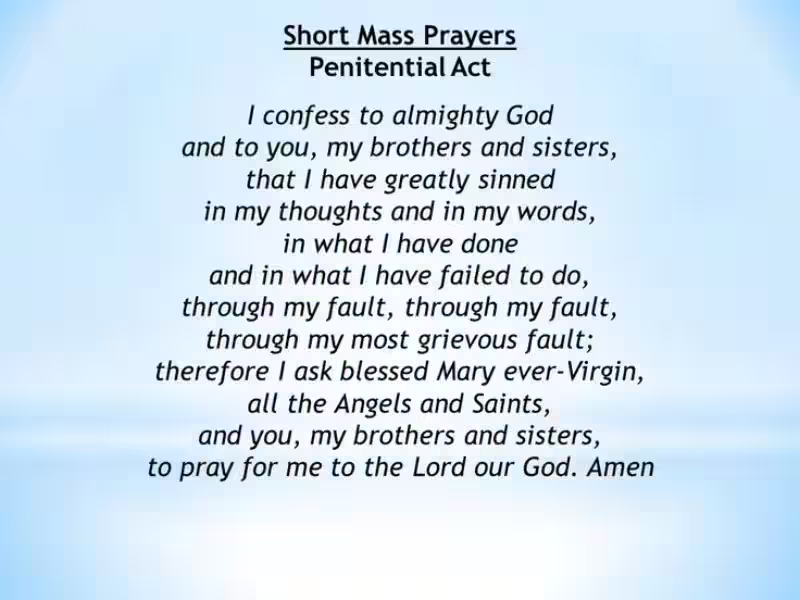
Life isn’t always smooth sailing. We stumble, we falter, and sometimes, we make choices that lead us away from the path of righteousness. In the religious landscape, particularly within the Catholic tradition, the Sacrament of Reconciliation offers a profound and beautiful pathway back to wholeness, restoring our relationship with God and with each other. It’s more than just a ritual; it’s a divine encounter, a healing balm for the soul, and a powerful source of grace that can transform our lives.
Understanding the Sacrament of Reconciliation isn’t about dwelling on past mistakes, but about embracing the opportunity for renewal and spiritual growth. It’s about recognizing our human fallibility and, with contrition and hope, turning back towards the infinite love and mercy of God. This sacrament serves as a tangible expression of God’s unwavering forgiveness, a divine embrace that welcomes us back, no matter how far we may have strayed.
Understanding the Core of Reconciliation: God’s Unconditional Love
At its heart, the Sacrament of Reconciliation is a testament to God’s boundless love and mercy. It stems from Jesus’ own ministry, where he forgave sins and called his disciples to do the same. This sacrament is not about punishment, but about restoration. It’s about recognizing that our sins, while wounding our relationship with God, do not permanently sever that bond. God, in His infinite benevolence, desires our return and provides this sacred means to achieve it.
Think of it like a precious vase that has been chipped or cracked. The damage is real, and it affects the vase’s integrity. However, with careful repair, the vase can be restored to its former beauty, perhaps even with a visible scar that tells a story of its journey. Similarly, our sins wound our spiritual lives, but the Sacrament of Reconciliation acts as the divine craftsman, mending these cracks and making us whole again. This divine repair is a gift of grace, freely given, inviting us to experience God’s unconditional acceptance.
The Process: A Journey of Humility and Hope
The Sacrament of Reconciliation typically involves several key steps, each designed to facilitate a deep and meaningful encounter with God’s forgiveness. It begins with an examination of conscience, a prayerful reflection on our actions, words, and omissions in light of God’s commandments and teachings. This is not a time for self-condemnation, but for an honest and humble assessment of where we have fallen short, with the intention of turning away from sin.
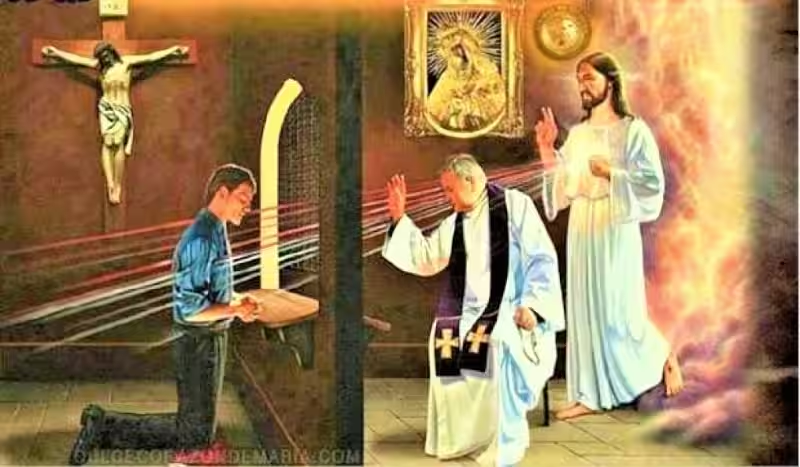
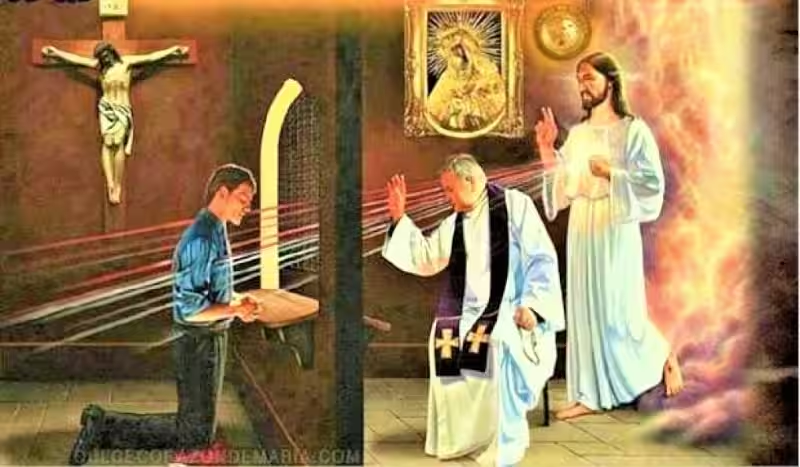
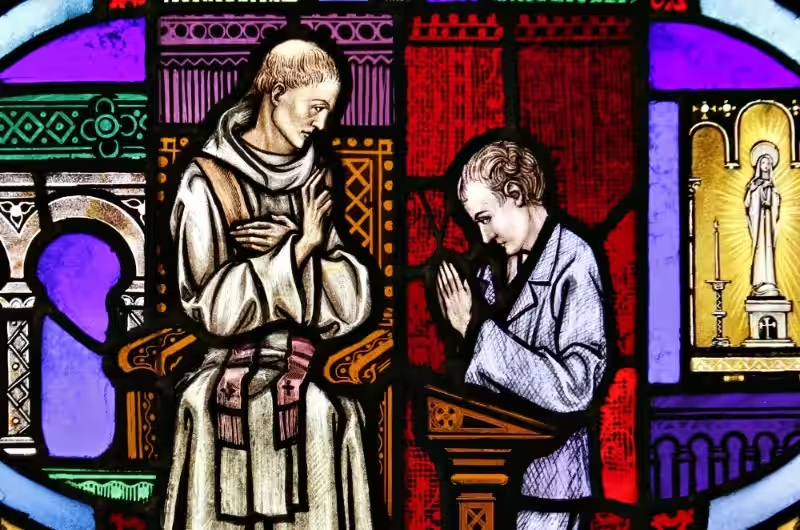
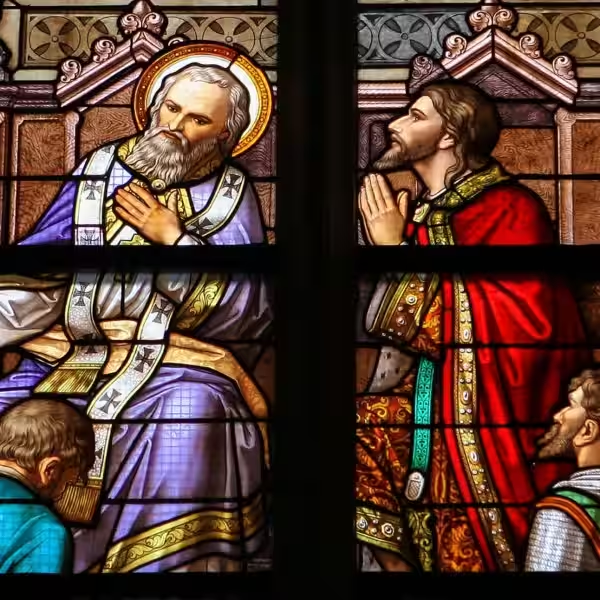
Following the examination of conscience, the individual approaches the priest, who acts “in persona Christi” (in the person of Christ), to confess their sins. This act of vulnerability and honesty is crucial. It’s a public declaration of our need for God’s mercy. The priest, acting as God’s instrument, listens with compassion and understanding. He will then assign an act of penance, often prayers or spiritual works, as a way to atone for our sins and to strengthen our resolve to sin no more. This penance is not a burdensome obligation, but a healing exercise that helps us internalize the grace of forgiveness.
The Examination of Conscience: Illuminating Our Path
The examination of conscience is the foundation stone of the Sacrament of Reconciliation. It requires us to pause and prayerfully consider our lives, looking for areas where we may have offended God, ourselves, or others. This isn’t about remembering every minor misstep, but about identifying patterns of behavior or significant choices that have led us away from God’s will. Resources like the Ten Commandments, the Beatitudes, or examined guides on virtues and vices can be incredibly helpful in this process.
Imagine you’re planning a long journey and want to ensure you haven’t left anything important behind. An examination of conscience is similar; it’s a spiritual checklist to make sure our hearts and minds are aligned with God’s love. For example, when reflecting on the commandment “You shall not steal,” we might consider not just literal theft, but also taking credit for others’ work, spreading gossip that damages reputations, or wasting God’s precious time. This self-awareness is a vital step towards authentic repentance.
Confession: The Power of Speaking Our Truth
Confessing our sins to a priest is a courageous act of faith. It acknowledges our human weakness and our reliance on God’s mercy. The priest, as a spiritual father, is bound by the sacred seal of confession, meaning he can never reveal what he hears. This confidentiality creates a safe and sacred space for us to unburden our hearts. It’s a moment of profound humility, where we lay bare our struggles, trusting in God’s infinite compassion.
Consider the relief a person feels after confessing a deep secret to a trusted friend. The Sacrament of Reconciliation amplifies this relief tenfold, as we are confessing not just to another human being, but to God Himself, through His appointed minister. This vulnerability opens the door for divine healing. The priest’s words of absolution, “I absolve you from your sins,” are not just words; they are the voice of God’s mercy washing over us, bringing peace and reconciliation.
Absolution and Penance: Embracing God’s Grace and Healing
The moment of absolution is the climax of the sacrament. It is the definitive declaration of God’s forgiveness, a spiritual cleansing that restores us to His favor. This is not a conditional pardon, but a complete and unconditional release from the guilt and eternal punishment due to our sins. It’s a powerful infusion of grace, empowering us to move forward with renewed hope and strength.
The assigned act of penance is a vital component of the healing process. It’s designed to help us internalize the received grace and to strengthen our commitment to avoid sin in the future. This might involve reciting specific prayers, performing acts of charity, or engaging in acts of fasting or self-denial. These penitential acts are not meant to be a punishment, but rather a positive response to God’s immense mercy, a way to actively participate in our own spiritual healing and to rebuild our relationship with God.
The Fruits of Reconciliation: Transformation and Spiritual Growth
The Sacrament of Reconciliation yields an abundance of spiritual fruits, transforming our lives in profound ways. One of the most immediate benefits is the restoration of peace of conscience. The burden of guilt is lifted, replaced by a deep sense of serenity and reconciliation with God. This inner peace is a powerful motivator, encouraging us to live more fully in accordance with God’s love.
Beyond the immediate peace, the sacrament fosters spiritual growth and maturity. By acknowledging our sinfulness and receiving God’s forgiveness, we become more humble, compassionate, and understanding of others. This sacrament cultivates virtues like patience, forgiveness, and charity, equipping us to navigate life’s challenges with greater resilience and faith. It’s a continuous cycle of renewal, where each encounter with reconciliation strengthens our spiritual core.
Restored Relationship with God: A Deeper Communion
The primary fruit of the Sacrament of Reconciliation is the restoration of our relationship with God. Sin creates a barrier between us and the divine, but through this sacrament, that barrier is dissolved. We are brought back into full communion with God, experiencing His love and grace more profoundly. This renewed intimacy fuels our prayer life and deepens our understanding of God’s unwavering love.
Think of a strained relationship between friends. When they finally talk, apologize, and forgive, the bond is often strengthened. The Sacrament of Reconciliation is a divine reconciliation, mending the deepest of bonds. This restored communion allows us to receive God’s abundant blessings and to live more authentically as His beloved children.
Healing of the Soul and Strengthening of the Will
The Sacrament of Reconciliation is a powerful healing agent for the soul. It not only removes the guilt of sin but also begins the process of healing the wounds that sin has inflicted. This healing can manifest as a greater sense of self-worth, a reduction in anxiety and despair, and an increased capacity for joy. Furthermore, the grace received strengthens our willpower, making it easier to resist temptation and to choose good over evil.
Consider the physical healing after an injury. While the immediate pain is relieved, the body needs time and care to fully recover. Similarly, the soul, after being wounded by sin, experiences a divine restorative process through reconciliation. This spiritual strengthening is not a one-time event but a lifelong journey, with the sacrament serving as a constant source of renewal and empowerment.
Deeper Love for Neighbor: A Ripple Effect of Mercy
The Mercy of God we experience in the Sacrament of Reconciliation inevitably overflows into our relationships with others. As we are forgiven, we are better equipped to forgive those who have wronged us. This leads to healthier relationships, a greater sense of community, and a more peaceful world. The sacrament, therefore, has a profound ripple effect, extending God’s love and mercy beyond ourselves.
When a community comes together to heal after a conflict, the spirit of reconciliation is palpable. The Sacrament of Reconciliation fosters this spirit on a personal and spiritual level. By embracing God’s forgiveness, we become more empathetic, patient, and loving towards our fellow human beings, reflecting the divine love that has been so freely bestowed upon us. This transformation is one of the most beautiful outcomes of embracing this sacred gift.
Frequently Asked Questions: Reconciliation
What is the Sacrament of Reconciliation?
The Sacrament of Reconciliation, also known as Confession, is a sacrament of healing in which Catholics confess their sins to a priest and receive God’s forgiveness. It is a way to be reconciled with God and the Church.
Why is this Sacrament important?
This sacrament is important because it allows us to acknowledge our sins, seek God’s mercy, and receive His grace to live a more righteous life. It also helps to heal our relationship with God and the Church.
Who can receive this Sacrament?
Any baptized Catholic who has reached the age of reason (typically around seven years old) and is aware of having committed a mortal sin is obliged to receive the Sacrament of Reconciliation at least once a year.
What are the steps involved in receiving the Sacrament of Reconciliation?
The typical steps include:
1. Examination of Conscience: Reflecting on your actions and thoughts to identify sins committed since your last confession.
2. Contrition: Feeling sincere sorrow for your sins and resolving not to sin again.
3. Confession: Telling your sins to the priest.
4. Absolution: The priest, acting in the person of Christ, grants you God’s forgiveness.
5. Penance: Performing a specific act of prayer or charity assigned by the priest to help make amends for your sins and to strengthen you against future sin.
An examination of conscience is a prayerful reflection on your life, comparing your actions, thoughts, and words against the teachings of Jesus and the Ten Commandments. It helps you identify areas where you may have fallen short of God’s will.
What is contrition?
Contrition is the sorrow you feel for your sins. There are two types: perfect contrition (sorrow out of love for God) and imperfect contrition (sorrow out of fear of punishment). Both are acceptable for the sacrament.
What is absolution?
Absolution is the forgiveness of sins that the priest grants on behalf of God. It is a powerful sign of God’s mercy and love.
What kind of penance might be assigned?
Penance can vary but often includes specific prayers (like the Our Father or Hail Mary), acts of charity, or fasting. The penance is intended to help you grow spiritually and to repair the harm caused by your sins.
Can I confess sins to anyone other than a priest?
No, only an ordained priest has the authority to hear confessions and grant absolution in the Sacrament of Reconciliation. This authority is passed down through apostolic succession.
What if I forget a sin during confession?
If you forget to confess a sin, and you were not deliberately trying to hide it, God’s mercy still covers that sin. However, it is good practice to mention forgotten sins at your next confession.
Is it possible to be forgiven for any sin?
Yes, God’s mercy is boundless. Through the Sacrament of Reconciliation, any sin, no matter how grave, can be forgiven.
What is the difference between venial and mortal sins?
A mortal sin is a grave offense against God that destroys charity in the heart of the person. It requires knowledge and deliberate consent. A venial sin is a less serious offense that wounds but does not destroy our relationship with God.
Do I have to confess mortal sins?
Yes, Catholics are obliged by divine law to confess all mortal sins at least once a year. It is also highly recommended to confess venial sins to receive God’s grace.
Can I receive the Eucharist if I know I am in a state of mortal sin?
No, you must be in the state of grace to receive Holy Communion. If you have committed a mortal sin, you must first receive the Sacrament of Reconciliation before approaching the altar.
What happens if I don’t go to confession?
If you knowingly and deliberately fail to confess mortal sins, you are not in communion with God and the Church, and you cannot receive Holy Communion. Missing confession when you are aware of having committed mortal sins can have spiritual consequences for your relationship with God.