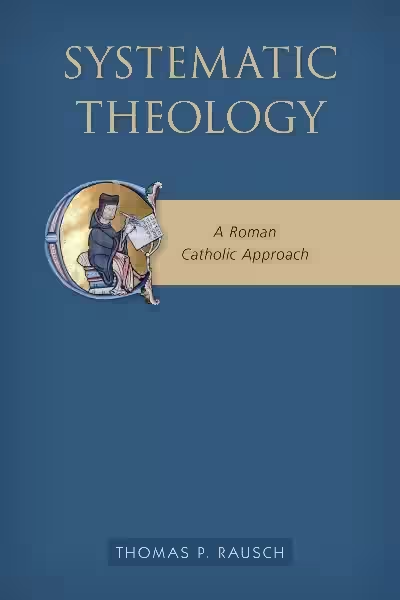
The tapestry of faith, for many, is woven with threads of personal experience, tradition, and scripture. But what happens when we seek to understand the intricate patterns, the underlying structure that holds these threads together? This is where Roman Catholic systematic theology enters the picture, offering a profound and organized exploration of the entirety of Christian belief as understood within the Catholic Church. It’s not just about believing; it’s about understanding why we believe, how our various tenets connect, and what it all truly means for our lives.
For those who have ever pondered the deepest questions of existence, the nature of God, the meaning of salvation, or the purpose of life, systematic theology provides a framework. It’s a rigorously intellectual yet deeply spiritual endeavor, seeking to present the Christian faith in a coherent, logical, and comprehensive manner. Think of it as building a magnificent cathedral; individual stones of doctrine are important, but systematic theology is the blueprint that shows how they fit together to form a grand, unified structure.
At its heart, Roman Catholic systematic theology is the discipline of organizing and articulating Christian doctrine in a logical and interconnected way. It takes the diverse teachings found in Scripture, Tradition, and the pronouncements of the Church and synthesizes them into a cohesive whole. The goal is to move beyond isolated beliefs to a comprehensive understanding of God’s plan for humanity and creation.
This systematic approach ensures that no aspect of faith is left unexamined or disconnected. It’s about seeing how, for example, our understanding of God’s omnipotence relates to our understanding of human free will, or how the concept of the Incarnation illuminates the nature of redemption. This intellectual rigor is not an end in itself, but a means to a deeper, more vibrant faith, enabling believers to articulate their convictions with clarity and confidence.
The Building Blocks: Sources and Methods
The foundation of Roman Catholic systematic theology rests on several key sources. Sacred Scripture, the inspired Word of God, is paramount. Alongside Scripture, Sacred Tradition plays a crucial role, representing the teachings and practices handed down from the Apostles through the centuries. The Magisterium, the teaching authority of the Church, interprets both Scripture and Tradition, providing guidance and clarity.
The method employed is one of careful analysis, logical reasoning, and a consistent appeal to these authoritative sources. Systematic theologians don’t invent doctrines; rather, they explore, interpret, and present the existing deposit of faith in a structured manner. This involves understanding the historical context of different teachings, examining their theological implications, and ensuring consistency with the overarching narrative of salvation history.
The Grand Narratives: Key Areas of Systematic Theology
Roman Catholic systematic theology is typically organized into several major areas, each exploring a fundamental aspect of faith. These areas, while distinct, are deeply interwoven, highlighting the interconnectedness of Christian belief. Understanding these pillars provides a robust framework for grasping the entirety of the Catholic faith.
These grand narratives encompass everything from the triune nature of God to the ultimate destiny of humanity. They are not mere academic exercises but are designed to illuminate the path of Christian living and to foster a deeper relationship with the divine. Each section builds upon the others, creating a comprehensive picture of God’s relationship with His creation.
One of the central pillars of Roman Catholic systematic theology is Theology Proper, the study of God Himself. This involves exploring the divine attributes, such as omnipotence (all-powerful), omniscience (all-knowing), omnipresence (present everywhere), and benevolence (all-goodness). Crucially, it delves into the mystery of the Blessed Trinity: one God in three co-equal persons – the Father, the Son, and the Holy Spirit.
This contemplation of God’s nature is not an abstract philosophical pursuit; it’s the bedrock of our relationship with Him. Understanding God as a loving, personal being who actively intervenes in history, as revealed in the Trinity, shapes our prayers, our worship, and our understanding of His will. For instance, recognizing God as the Creator imbues the natural world with a profound significance, reminding us of our dependence and our call to stewardship.
Christ: The Incarnate Word
Next, we turn our attention to Christology, the study of Jesus Christ. This is a cornerstone of Roman Catholic systematic theology, focusing on His divine and human natures, His salvific work, and His role as mediator between God and humanity. The Incarnation, the mystery of God becoming man in Jesus, is central, as it bridges the infinite gap between the divine and the human.
The atonement, Christ’s sacrificial death and resurrection, is understood as the means by which humanity is reconciled to God, overcoming the consequences of sin. This doctrine informs our understanding of grace, God’s unmerited favor, which is essential for our salvation. Reflecting on Christ’s life, teachings, and sacrifices offers a model for Christian living and a source of hope and redemption.
The Holy Spirit: The Divine Breath
Pneumatology, the study of the Holy Spirit, is another vital component. The Holy Spirit is understood as the third person of the Trinity, the divine life-giver who continues Christ’s presence and work in the Church and in individual believers. This includes His role in sanctification, the process of becoming holy, and His bestowal of charisms or spiritual gifts that build up the Body of Christ.
The Holy Spirit is the animating force of the Church, guiding her teachings and empowering believers to live out the Gospel. His presence is felt in the sacraments, in prayer, and in the quiet promptings of conscience. For example, the conviction that the Holy Spirit guides the Church in its pronouncements provides a profound sense of continuity and assurance in times of uncertainty.
Humanity and Salvation: The Journey of Grace
Anthropology (the study of humanity) and Soteriology (the study of salvation) are intricately linked within Roman Catholic systematic theology. We explore the creation of humanity in the image of God, the reality of original sin, and the subsequent fallen state of humanity. Salvation is understood as God’s initiative, a gift of grace offered through Christ, which liberates us from sin and death.
This journey of salvation involves faith, baptism, and participation in the sacraments, which are tangible channels of God’s grace. It’s a process that begins with God’s call and continues throughout our lives as we strive to live in accordance with His will, leading to eternal life. The concept of justification, being made righteous in God’s sight, is central to this process.
The Church: The Body of Christ
Ecclesiology, the study of the Church, is a defining characteristic of Roman Catholic systematic theology. The Church is not merely a human institution but is understood as the Mystical Body of Christ, divinely instituted and guided by the Holy Spirit. It is the community of believers, the visible manifestation of God’s saving work in the world.
The Church’s mission is to proclaim the Gospel, administer the sacraments, and foster the spiritual growth of its members. Its hierarchical structure, with the Pope as the successor of Peter, is seen as an essential element for maintaining unity and doctrinal fidelity. The Church serves as a mother and teacher, guiding her children on their spiritual journey.
Last Things: Hope and Fulfillment
Finally, Eschatology deals with the “last things” – a study of death, judgment, heaven, hell, and the resurrection of the dead, culminating in the parousia (Christ’s second coming) and the establishment of the new heavens and new earth. This aspect of Roman Catholic systematic theology provides a hopeful perspective on the ultimate triumph of God’s kingdom and the eternal destiny of believers.
This focus on the eschatological realities offers comfort and encouragement in the face of suffering and the transient nature of earthly life. It reminds us that our earthly journey is but a prelude to an eternal communion with God, a future that is assured by Christ’s victory. Understanding these ultimate truths provides a vital context for our present lives and our striving for holiness.
The Relevance of Systematic Theology Today
In a world often characterized by confusion and fleeting trends, Roman Catholic systematic theology offers a stable and profound anchor. It provides believers with a clear and coherent understanding of their faith, enabling them to withstand challenges and to articulate their beliefs with conviction. It’s not just for academics; it’s for every person seeking a deeper, more informed relationship with God.
By wrestling with these complex theological ideas, individuals can develop a more robust spiritual life, grounded in truth and illuminated by divine revelation. It empowers us to move beyond a superficial acquaintance with faith to a deep, abiding understanding that can shape every aspect of our lives, from our personal choices to our engagement with the wider world. The comprehensive nature of systematic theology ensures that no question is too small or too large to be brought before the examination of faith.
Frequently Asked Questions about Roman Catholic Systematic Theology
What is systematic theology?
Systematic theology is the study of Christian doctrine organized by topics or themes. It seeks to understand and explain the teachings of the Christian faith in a coherent and logical manner, drawing from Scripture, tradition, and reason.
What are the main branches of Roman Catholic systematic theology?
The major branches typically include:
* Theology Proper/God: The study of God’s nature, attributes, and actions.
* Christology: The study of the person and work of Jesus Christ.
* Pneumatology: The study of the Holy Spirit.
* Anthropology: The study of humanity, creation, sin, and the image of God.
* Soteriology: The study of salvation and how it is accomplished.
* Ecclesiology: The study of the Church, its nature, mission, and sacraments.
* Eschatology: The study of the last things, including death, judgment, heaven, and hell.
What is the role of Scripture in Roman Catholic systematic theology?
Scripture (the Bible) is considered the inspired Word of God and a foundational source of theological understanding. However, in Roman Catholicism, Scripture is interpreted within the context of the living Tradition of the Church and the authority of the Magisterium (the teaching office of the Church, comprised of the Pope and bishops).
What is the role of Tradition in Roman Catholic systematic theology?
Sacred Tradition refers to the teachings of Jesus and the apostles that have been handed down through the Church’s history, guided by the Holy Spirit. It includes the pronouncements of ecumenical councils, the writings of Church Fathers, liturgical practices, and the ongoing life of the Church. Tradition complements and informs the interpretation of Scripture.
What is the Magisterium and its authority?
The Magisterium is the teaching authority of the Catholic Church, exercised by the Pope and the bishops in communion with him. It is entrusted with authentically interpreting the Word of God, whether in written form (Scripture) or by tradition, and defining dogma (essential truths of faith).
How is dogma related to systematic theology?
Dogmas are truths revealed by God and defined by the Magisterium as essential for salvation. Systematic theology aims to explain and defend these dogmas within a comprehensive framework of Christian belief.
What are some key differences between Roman Catholic systematic theology and Protestant systematic theology?
Key differences often revolve around:
* Authority: Roman Catholicism places significant authority on the Magisterium and Tradition alongside Scripture, while many Protestant traditions emphasize Sola Scriptura (Scripture alone) as the ultimate authority.
* Sacraments: There are differing views on the number, nature, and efficacy of sacraments.
* The Church: Concepts of the Church’s nature and structure can vary.
* Salvation: While both believe salvation is through Christ, there are nuances in understanding the role of grace, works, and the Church in the process.
What is the importance of reason in Roman Catholic systematic theology?
Reason, illuminated by faith and guided by the Holy Spirit, plays a vital role in understanding and articulating theological truths. Catholic theology emphasizes the compatibility of faith and reason, as articulated by thinkers like St. Thomas Aquinas.
What is the relationship between systematic theology and other theological disciplines?
Systematic theology is distinct from but related to other theological fields such as biblical theology (which focuses on the theology of specific biblical books or authors), historical theology (which traces the development of doctrines through history), moral theology (which deals with Christian ethics), and pastoral theology (which focuses on the practical application of theology in ministry).