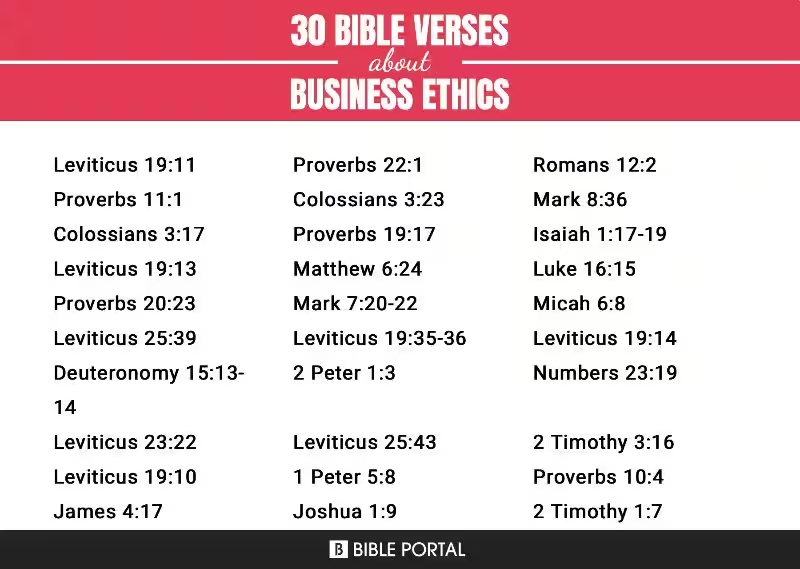
In today’s competitive marketplace, the pursuit of profit can often feel like a relentless marathon. Businesses are constantly striving for innovation, efficiency, and growth, but in this intense environment, it’s easy to lose sight of something fundamental: ethical conduct. For many, the question arises, can faith and finance truly coexist? The answer, deeply rooted in ancient wisdom, is a resounding yes. The Bible, far from being a mere religious text, offers a rich tapestry of principles that provide a powerful framework for ethical business practices. These timeless teachings, when applied thoughtfully, can transform not only a company’s bottom line but also its very soul, fostering trust, integrity, and lasting success.
Consider the challenges faced by small business owners: balancing fair wages with affordability, managing customer expectations with limited resources, and navigating the complexities of contracts and competition. These are not new dilemmas. Throughout history, individuals and communities have grappled with similar issues. The Bible, through its narratives, laws, and wisdom literature, offers profound insights into how to conduct oneself with honesty, fairness, and compassion in all dealings, especially in the realm of commerce. It’s not about abandoning ambition, but about aligning ambition with enduring values that build a stronger, more trustworthy business.
Foundations of Integrity: Honesty and Truthfulness in Business
At the core of ethical business lies the bedrock of honesty and truthfulness. The Bible consistently emphasizes the importance of speaking and acting with integrity. This extends beyond simply avoiding outright lies; it encompasses transparency, accuracy, and a commitment to genuine representation. In business, this translates to being upfront with customers about products and services, providing clear and honest financial reporting, and avoiding deceptive marketing practices. As Proverbs 11:1 says, “Honest scales are his delight, but an unjust weight is detestable.” This ancient proverb speaks volumes about the value God places on fairness and accuracy in all transactions. Imagine a small boutique owner who genuinely describes the provenance of their handcrafted goods, even if it means explaining that a particular item might take slightly longer to arrive. This transparency builds trust, fostering a loyal customer base that values authenticity over expediency.
The principle of truthfulness is not just about avoiding falsehoods; it’s about cultivating a culture of sincerity. This means that our words should align with our actions, and our promises should be kept. In a business context, this could involve admitting mistakes, offering genuine apologies when necessary, and taking responsibility for errors. Deception, no matter how small, erodes trust, which is the most valuable currency in any long-term business relationship. The New Testament echoes this sentiment, with Jesus stating in Matthew 5:37, “Simply let your ‘Yes’ be ‘Yes,’ and your ‘No,’ ‘No’.” This seemingly simple instruction underscores the power of predictability and reliability in our dealings. When a business consistently lives by this principle, it cultivates a reputation for dependability that is invaluable.
The Weight of Promises: Keeping Your Word in Contracts and Commitments
The Bible places a significant emphasis on the sanctity of promises and commitments. In the business world, this translates directly to the importance of honoring contracts and fulfilling obligations. Whether it’s a handshake deal or a legally binding agreement, the underlying principle remains the same: your word is your bond. King David, in Psalm 15:4, describes a righteous person as one who “keeps their promises, even when it hurts, and does not change their mind.” This highlights the courage and integrity required to uphold commitments, especially when circumstances become difficult. Consider a contractor who, despite facing unexpected material cost increases, still completes a project for the agreed-upon price, absorbing the loss rather than reneging on their word. This act of unwavering commitment builds a reputation for trustworthiness that far outweighs the immediate financial setback.
Failing to keep promises, whether in business dealings or personal interactions, can have serious repercussions. It can damage reputation, lead to legal disputes, and ultimately undermine the foundation of any successful enterprise. The book of Ecclesiastes reminds us in 5:4-5, “When you make a vow to God, do not delay to fulfill it. He has no pleasure in fools; fulfill your vows. It is better not to make a vow than to make one and not fulfill it.” While this verse specifically addresses vows to God, the underlying principle of accountability and the gravity of spoken commitments can be applied to business agreements. For a startup founder, this means carefully considering every agreement they enter into and ensuring they have the capacity to fulfill it before making a promise. This diligent approach to commitments prevents future complications and builds a foundation of reliability.
Fairness and Justice: Treating Employees and Customers Rightly
A fundamental aspect of biblical ethics is the call for fairness and justice in all our relationships, and this is particularly crucial in the employer-employee dynamic. The Bible repeatedly advocates for the just treatment of workers, emphasizing that they are not merely cogs in a machine but individuals deserving of dignity and respect. Deuteronomy 24:14-15 states, “Do not take advantage of a hired worker who is poor and needy, whether that worker is a fellow Israelite or a foreigner living in one of your towns. Pay them their wages each day before sunset, because they depend on it.” This directive, ancient as it is, speaks directly to the modern imperative of timely and equitable compensation. Employers should ensure that wages are fair, working conditions are safe, and that all employees are treated with respect and impartiality, regardless of their background or position.
This principle of fairness extends beyond just wages and conditions; it encompasses providing opportunities for growth, offering reasonable working hours, and fostering a positive and supportive work environment. It’s about recognizing the human element in the workplace and valuing the contributions of every individual. A business that prioritizes employee well-being, for example, by offering flexible work arrangements or investing in professional development, is not only acting ethically but also cultivating a more engaged and productive workforce. Conversely, exploiting workers, engaging in unfair labor practices, or showing favoritism can lead to low morale, high turnover, and a damaged organizational culture. The Bible teaches that justice should flow like a river (Amos 5:24), a powerful metaphor for the pervasive and consistent application of fairness.
Avoiding Exploitation: The Ethical Imperative of Fair Pricing and Practices
The Bible’s strong stance against exploitation is a cornerstone of its business ethics. This applies not only to employees but also to customers. The concept of usury, or charging exorbitant interest, was condemned, and the principle of fair pricing resonates throughout its teachings. Leviticus 25:36-37 warns, “Do not charge interest on loans to another Israelite, whether for money or food or anything else that may be lent. You may charge interest to a foreigner, but not to a fellow Israelite, so that the Lord your God may bless you in everything you put your hand to.” While the context of foreign vs. Israelite is specific, the underlying ethical principle is clear: predatory pricing and excessive profiteering at the expense of others are unacceptable. This translates to avoiding deceptive pricing strategies, overcharging for goods and services, and taking advantage of vulnerable consumers.
Ethical businesses strive to offer value for money, ensuring that their products and services are priced reasonably and that customers receive what they pay for. This involves transparency in pricing, avoiding hidden fees, and offering honest product descriptions. For instance, a restaurant that clearly lists the ingredients and prices on its menu, and serves food of good quality at a fair cost, is adhering to this principle. In contrast, a business that engages in bait-and-switch tactics or charges inflated prices for substandard goods is not only unethical but also risks long-term reputational damage. The Bible consistently promotes a generous and fair spirit in all dealings, urging us to consider the well-being of others in our commercial pursuits.
Stewardship and Generosity: Responsible Use of Resources and Giving Back
The biblical perspective on business also encompasses the concept of stewardship – the responsible management of resources entrusted to us. This applies to everything from financial capital and tangible assets to the talents and time of employees. We are not the ultimate owners of our businesses or our wealth; we are caretakers, accountable for how we use what we have been given. Jesus’ parable of the talents in Matthew 25:14-30 illustrates this point vividly, highlighting the importance of diligent and fruitful use of resources. Businesses that invest wisely, manage their finances prudently, and avoid waste are acting as good stewards. This means investing in sustainable practices, ensuring efficient operations, and making wise decisions that benefit both the company and its stakeholders.
Furthermore, the Bible strongly advocates for generosity and compassion, particularly towards the poor and needy. This principle encourages businesses to go beyond mere profit-making and to actively contribute to the well-being of society. This can manifest in various ways, such as donating a portion of profits to charitable causes, supporting community initiatives, or offering fair employment opportunities to those facing economic hardship. The book of Proverbs 19:17 reminds us, “Whoever is generous to the poor lends to the Lord, and he will repay them for their deeds.” This verse suggests that acts of generosity are not just altruistic; they are an investment that yields far greater returns, both spiritually and, in its own way, practically, through enhanced reputation and goodwill. A tech company, for example, could donate a percentage of its profits to fund digital literacy programs in underserved communities, demonstrating a commitment to social responsibility.
The Blessing of Giving: Contributing to the Common Good
The practice of giving back is not an optional add-on for the ethically minded business; it is an integral part of its purpose. The Bible consistently teaches that true wealth is not measured solely by accumulation but by distribution and impact. Generosity is seen as a virtue that reflects God’s own abundant nature and is a pathway to blessing and fulfillment. This can involve anything from supporting local charities and sponsoring community events to providing pro bono services or investing in projects that have a positive social impact. The principle is to use our resources to lift others up. For a consulting firm, this might mean offering their expertise to non-profit organizations at a reduced rate, helping them achieve their mission more effectively. This commitment to the common good not only benefits society but also strengthens the business’s ethical standing and fosters positive relationships.
Moreover, the act of giving often cultivates a deeper sense of purpose and fulfillment within the business itself. When a company actively seeks to make a positive difference in the world, it can inspire its employees, attract like-minded customers, and build a stronger, more meaningful brand identity. It moves beyond transactional relationships to build a legacy of positive influence. The Bible encourages a spirit of abundance rather than scarcity, believing that by giving, we open ourselves up to receiving further blessings. This perspective shifts the focus from a zero-sum game of business to a collaborative approach where mutual flourishing is the ultimate goal. By embracing generosity, businesses can truly align their commercial endeavors with their deepest spiritual values, creating a virtuous cycle of prosperity and purpose.
Frequently Asked Questions: Bible Verses on Business Ethics
What does the Bible say about honesty in business?
The Bible strongly emphasizes honesty and integrity in all dealings. Proverbs 11:1 states, “The Lord detests lying lips, but he delights in people who are trustworthy.” This principle extends to all aspects of business, including pricing, advertising, and fulfilling agreements. Deception or misrepresentation is seen as a violation of God’s character.
Are there Bible verses that address fair treatment of employees?
Yes, the Bible speaks extensively about treating employees justly and with respect. Colossians 4:1 advises, “Masters, grant to your slaves justice and fairness, because you too have a Master in heaven.” This principle of fairness applies to modern employment relationships, advocating for fair wages, safe working conditions, and respectful treatment.
What guidance does the Bible offer regarding debt and financial responsibility?
The Bible encourages prudence and responsibility with finances. Proverbs 22:7 says, “The rich rule over the poor, and the borrower is slave to the lender.” This verse highlights the potential dangers of excessive debt and the importance of managing financial resources wisely. While not condemning all debt, it warns against becoming enslaved by it.
How does the Bible view the pursuit of wealth?
The Bible does not condemn wealth itself but warns against the dangers of loving money. 1 Timothy 6:10 states, “For the love of money is a root of all kinds of evil.” The focus is on having a right heart attitude towards wealth, ensuring it does not become an idol or lead to unethical practices. Wealth should be pursued with integrity and used for good.
Does the Bible offer principles for fair competition?
While the Bible doesn’t detail specific business regulations, it promotes principles that foster fair competition. The Golden Rule, “Do to others what you would have them do to you” (Matthew 7:12), is a foundational principle. This implies avoiding exploitative practices, unfair advantages, or harming competitors through dishonest means.
What does the Bible teach about keeping promises in business?
The Bible places a high value on keeping promises and commitments. Psalm 15:4 speaks of one who “keeps his oath, even when it costs him, and does not change his mind.” This emphasizes the importance of integrity in verbal and written agreements, treating contracts as sacred commitments.
Are there Bible verses related to greed and its impact on business?
Greed is consistently condemned in the Bible. Luke 12:15 warns, “Watch out! Be on your guard against all kinds of greed; life does not consist in an overflowing possessions.” This principle encourages business owners and employees to be content, to avoid excessive desire for more at the expense of ethics, and to focus on more than material gain.
How should Christians approach business in a way that honors God?
Christians are called to conduct their business in a way that reflects God’s character. This involves operating with honesty, integrity, fairness, generosity, and a focus on serving others. Colossians 3:17 states, “And whatever you do, whether in word or deed, do it all in the name of the Lord Jesus, giving thanks to God the Father through him.” This means integrating faith into every business decision and action.