In an age where screens illuminate our lives and pixels paint our experiences, a burgeoning movement is transforming how faith is expressed visually: Christian digital art. This isn’t about replacing time-honored traditions, but rather about expanding the vocabulary of devotion. From the intricate brushstrokes of Renaissance masters to the solemn chants of ancient hymns, Christianity has always found powerful expression through art. Now, with the advent of digital tools, a new generation of artists is bringing faith into the 21st century, creating compelling and accessible works that resonate with a modern audience. This article will delve into the multifaceted world of Christian digital art, exploring its various forms, its profound impact on faith communities, and the exciting future it holds.
The beauty of Christian digital art lies in its inherent accessibility and adaptability. Unlike traditional mediums that require physical studios and expensive materials, digital art can be created and shared globally with unprecedented ease. This democratization of artistic creation allows for a wider spectrum of voices to contribute to the visual narrative of faith. Whether it’s a pastor designing a striking graphic for a sermon illustration, a young believer sharing an animated depiction of a biblical parable on social media, or a professional artist crafting a breathtaking digital painting of a saint, the possibilities for expression are virtually limitless. This rise signifies a powerful synergy between technology and spirituality, proving that faith can indeed flourish in the digital realm.
The Spectrum of Creation: Forms and Expressions in Christian Digital Art
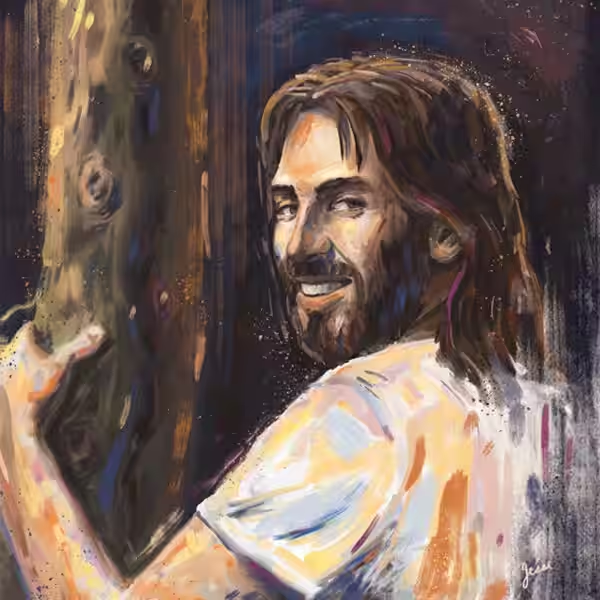
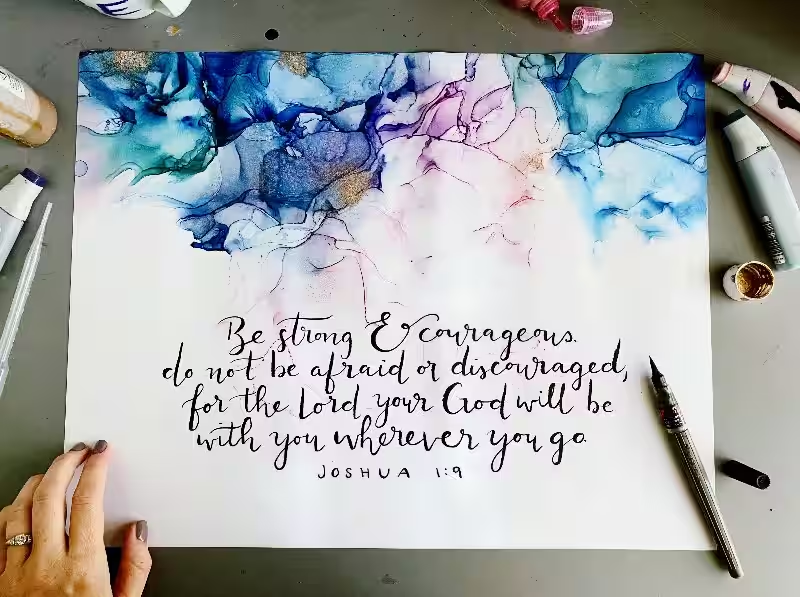
The term “Christian digital art” encompasses a vast and diverse range of artistic endeavors. It’s not a monolithic genre but rather a fluid collection of styles and techniques, united by a common thread of faith. We see these expressions manifest in numerous ways, from the subtle to the spectacular. Consider the simple yet profound impact of a beautifully designed Bible verse graphic shared on Instagram, offering a moment of reflection and encouragement to thousands. Conversely, imagine a meticulously rendered digital painting depicting the Ascension of Jesus, a work of art that can transport viewers to a place of awe and spiritual contemplation. The medium allows for unparalleled flexibility, enabling artists to experiment with light, color, and composition in ways that can evoke deep emotional and spiritual responses.
One of the most prevalent forms of Christian digital art is graphic design. Churches and ministries worldwide rely on skilled designers to create everything from weekly bulletins and sermon slides to social media campaigns and event posters. These designs often incorporate symbolic imagery, powerful typography, and evocative color palettes to communicate biblical messages and inspire engagement. Beyond graphic design, there’s also a thriving community of digital illustrators and painters. These artists often create original artwork depicting biblical scenes, portraits of key figures, or abstract interpretations of spiritual concepts. Their work can be found in online galleries, personal portfolios, and even in published books and devotional materials, offering a fresh visual perspective on timeless narratives.
Illustrating Scripture: Bringing Sacred Stories to Life
When we talk about Christian digital art, one of its most compelling applications is in illustrating biblical narratives. For centuries, art has been a primary tool for making the stories of the Bible accessible to the masses, especially for those who were illiterate. Today, digital art carries on this vital tradition, but with a modern flair. Imagine a child encountering the story of Noah’s Ark not just through words, but also through a vibrant, animated digital illustration that brings the animals and the flood to life with engaging visuals. This can make the narrative more memorable and impactful, fostering a deeper understanding and connection to the story.
Digital illustrators and animators are using their skills to reimagine familiar biblical accounts in fresh and innovative ways. This could involve creating a series of digital paintings that depict the parables of Jesus with contemporary settings, making them more relatable to a modern audience. Alternatively, artists might use 3D modeling to construct intricate scenes from the Old Testament, allowing viewers to explore the Temple of Solomon or the journey of the Israelites through the wilderness in a visually immersive way. The ability to manipulate light, texture, and perspective in the digital realm allows for a level of detail and emotional resonance that can truly enhance the viewer’s spiritual experience, making the ancient stories feel immediate and profound. This form of Christian digital art serves as a powerful bridge between the historical and the contemporary.
Symbolism and Abstraction: Beyond Literal Depictions
While literal depictions of biblical scenes are a significant part of Christian digital art, many artists are also exploring the power of symbolism and abstraction to convey spiritual truths. Sometimes, a direct representation can only go so far; abstract forms and symbolic imagery can tap into deeper levels of meaning and evoke a more personal, introspective response. Think of how a simple, flowing line might represent the Holy Spirit, or how a vibrant, radiating sunburst could symbolize God’s omnipresence and love. These aren’t necessarily depicting a specific event, but rather the essence of a spiritual concept.
Digital tools offer incredible freedom for artists to experiment with abstract forms, textures, and colors. A digital artist might create a piece that uses swirling blues and whites to evoke the calming presence of God, or a fiery red and orange composition to represent the transformative power of the Holy Spirit. These pieces can be incredibly powerful in fostering personal reflection and prayer. They invite the viewer to bring their own understanding and experiences to the artwork, creating a dialogue between the artist’s intention and the viewer’s spiritual journey. This approach to Christian digital art can open up new avenues for contemplation and spiritual growth, moving beyond mere visual representation to a more profound engagement with faith.
The Impact and Reach of Christian Digital Art
The influence of Christian digital art extends far beyond individual studios and online portfolios. It’s actively shaping how faith communities communicate, worship, and engage with scripture. For churches, the strategic use of well-designed digital graphics can elevate their visual identity, making them appear more modern, welcoming, and relevant to a younger demographic. Sermons can be enhanced with striking visuals that capture attention and reinforce key messages, transforming passive listening into active engagement. Furthermore, the creation of shareable digital content, like inspirational quote graphics or short animated stories, allows churches to extend their outreach beyond the physical walls of the building, connecting with people online and fostering a sense of community across geographical boundaries.
Moreover, Christian digital art plays a vital role in personal spiritual growth. Many individuals find solace, inspiration, and a deeper connection to their faith through engaging with these artworks. A carefully chosen digital image can serve as a daily reminder of God’s presence, a source of comfort during difficult times, or an impetus for prayer and meditation. Online platforms dedicated to showcasing Christian art have become virtual sanctuaries for many, offering a curated collection of works that uplift, challenge, and encourage. The accessibility of these digital creations means that individuals can carry their faith with them wherever they go, finding moments of spiritual connection in the palm of their hand through their devices.
Enhancing Worship and Community Engagement
In the context of church services, Christian digital art has become an indispensable tool for enhancing the worship experience. Gone are the days of static hymn boards; now, dynamic visuals can be projected onto screens, accompanying songs, readings, and even prayers. This can create a more immersive and engaging atmosphere, helping congregants to focus on the message and connect more deeply with the liturgy. Think of how a breathtaking digital landscape might be displayed during a prayer for creation, or how abstract animations could pulse with the rhythm of uplifting worship music. These elements add a sensory dimension that can elevate the spiritual atmosphere and foster a greater sense of shared experience within the community.
Beyond the sanctuary, digital art is a powerful catalyst for community engagement. Social media platforms are flooded with inspiring Christian content, much of it created digitally. Churches and ministries can leverage this to share their messages, announce events, and foster dialogue among their members and beyond. A compelling digital graphic advertising a Bible study, an animated short explaining a theological concept, or even a series of artistic interpretations of popular hymns can all contribute to building a vibrant online community. This form of Christian digital art helps to extend the church’s reach and impact, making faith more accessible and engaging for a wider audience. It’s about creating visual touchpoints that draw people in and encourage participation.
The personal impact of Christian digital art on an individual’s spiritual journey cannot be overstated. In a world filled with distractions, these artworks can offer moments of pause and introspection. A beautifully rendered digital painting of a comforting Bible verse, for example, can serve as a visual anchor, bringing peace and reassurance during challenging times. Similarly, abstract pieces that evoke a sense of divine presence can encourage personal prayer and contemplation, allowing individuals to connect with God on a deeper, more intuitive level. These digital creations are not just decorative; they are tools for spiritual nourishment.
Furthermore, the accessibility of Christian digital art means that individuals can curate their own personal visual devotionals. Imagine creating a digital mood board filled with inspiring images that represent your faith journey, or using apps that allow you to place digital artwork within your own photos to create personalized visual prayers. This active engagement with visual art can deepen one’s understanding of scripture and theological concepts, making them more tangible and memorable. It’s a way of internalizing faith through visual experience, transforming abstract beliefs into something more concrete and emotionally resonant. This personal connection fostered by Christian digital art is a testament to its growing significance in contemporary spirituality.
The Future of Faith in Pixels: Trends and Possibilities
The landscape of Christian digital art is constantly evolving, propelled by technological advancements and the creative spirit of artists. We are witnessing a growing interest in interactive and immersive experiences. This could manifest as augmented reality (AR) art that brings biblical scenes to life when viewed through a smartphone, or virtual reality (VR) experiences that allow users to “walk through” biblical landscapes. These emerging technologies offer unprecedented opportunities to engage with faith in a dynamic and multi-sensory way, making sacred stories and concepts feel more immediate and impactful than ever before.
The democratization of creation tools also means that more individuals, regardless of their formal artistic training, can participate in creating Christian digital art. This surge of diverse voices will undoubtedly lead to a richer and more varied artistic output. We can anticipate a continued exploration of how AI and machine learning can assist artists in their creative process, perhaps generating unique textures or even assisting in the conceptualization of new artworks. The future promises a vibrant and innovative era for Christian digital art, where technology and faith continue to intertwine in exciting and meaningful ways, broadening the horizons of spiritual expression for generations to come.
Emerging Technologies and Interactive Experiences
The integration of cutting-edge technologies is set to revolutionize how we experience Christian digital art. Augmented reality, for instance, has the potential to transform passive viewing into active participation. Imagine a church bulletin that, when scanned with a smartphone, reveals a 3D animated depiction of the biblical event being discussed, or a digital painting that “comes alive” with subtle animations and sound effects. This creates a richer, more engaging, and memorable encounter with scripture. The goal is to move beyond flat images and static text to create dynamic, multi-dimensional narratives that can captivate and inspire.
Virtual reality also holds immense promise. Artists could create fully immersive VR environments that allow individuals to “visit” the Garden of Gethsemane, experience the Sermon on the Mount from a first-person perspective, or even walk the streets of ancient Jerusalem. These experiences would offer a profound sense of presence and connection to biblical history, making these sacred events feel more real and relatable. The development of AI-powered tools is also opening new avenues, enabling artists to explore novel forms of visual expression and efficiently generate complex digital assets. This fusion of technology and faith through Christian digital art is poised to offer deeply personal and transformative spiritual encounters.
The burgeoning field of artificial intelligence is already beginning to impact the creation of Christian digital art. While the human touch remains paramount, AI tools can assist artists in various capacities, from generating initial concepts and textures to refining details and even composing entire pieces based on specific prompts. This doesn’t diminish the artist’s role; rather, it augments their capabilities, allowing them to explore more ambitious ideas and push the boundaries of their creativity. For example, an AI could help an artist visualize different lighting scenarios for a nativity scene, or suggest color palettes that evoke a specific spiritual mood, saving valuable time and opening up new creative avenues.
Simultaneously, the ongoing democratization of digital art tools is empowering a wider range of individuals to express their faith visually. User-friendly software and readily available online tutorials mean that someone without formal art training can now create compelling graphics, illustrations, or even short animations. This allows for a more diverse representation of faith experiences and perspectives within the realm of Christian digital art. A stay-at-home parent, a student, or a retiree can now contribute their unique artistic voice to the visual dialogue of faith, enriching the collective expression and making Christian art more representative of its diverse followers. This accessibility is a powerful force for the growth and vibrancy of Christian digital art.
Frequently Asked Questions about Christian Digital Art
What is Christian digital art?
Christian digital art refers to art created using digital mediums (computers, software, tablets) that explores themes, narratives, or expressions related to Christianity. This can encompass a wide range of styles and subjects, from traditional depictions of biblical scenes to more abstract or contemporary interpretations of faith.
What are some common themes in Christian digital art?
Common themes include representations of Jesus Christ, biblical stories and figures (like the Nativity, the Crucifixion, saints), Christian symbols (cross, dove, fish), theological concepts (redemption, grace, salvation), and expressions of spiritual experience or worship.
What digital tools are used to create Christian digital art?
Artists can use various digital tools, including:
Drawing tablets and styluses (e.g., Wacom, iPad Pro)
Digital painting and illustration software (e.g., Procreate, Adobe Photoshop, Clip Studio Paint)
3D modeling and rendering software (e.g., Blender, Cinema 4D)
Graphic design software (e.g., Adobe Illustrator)
AI art generators (though ethical considerations are often discussed within this context)
Where can I find or purchase Christian digital art?
Christian digital art can be found and purchased through various online platforms:
Artist websites and personal portfolios
Online art marketplaces (e.g., Etsy, ArtStation, Society6, Redbubble)
Specialized Christian art websites and galleries
Social media platforms where artists showcase their work
Some artists offer digital downloads for personal use, while others sell prints or merchandise featuring their art.
Can Christian digital art be used for religious purposes?
Yes, Christian digital art can be used for various religious purposes, such as:
Illustrating sermons and presentations
Decorating church websites or social media
Creating digital or printed devotional materials
Personal inspiration and reflection
Designing worship aids or bulletins
It’s important to check the licensing terms for any artwork to ensure proper usage.
How does digital art differ from traditional Christian art?
The primary difference lies in the medium. Traditional Christian art typically uses physical materials like paint, canvas, stone, or wood. Digital art is created and exists in a digital format, offering advantages like easy duplication, editing, and distribution. Both can convey profound spiritual messages; the method of creation is the distinction.
Are there ethical considerations when creating or using AI-generated Christian digital art?
Yes, particularly with AI art. Ethical considerations can include:
The source of training data and potential copyright infringement
The intentionality and theological accuracy of the generated imagery
Attribution and originality
Potential for misrepresentation or trivialization of sacred themes
Many artists and religious communities are actively discussing these aspects.