In the tapestry of religious life, moments of reflection and seeking forgiveness are not mere rituals; they are the very threads that weave a soul closer to the divine. Among these profound practices, the Act of Contrition stands as a cornerstone of repentance, a deeply personal and powerful declaration of sorrow for wrongdoing and a sincere desire for reconciliation. It is in these moments, often whispered in quiet prayer or recited with heartfelt conviction, that we confront our imperfections and reach out for the grace that offers a path to spiritual renewal.
This article will explore the multifaceted nature of the Act of Contrition, delving into its theological significance, its practical application in various faiths, and its enduring relevance in navigating the complexities of human experience. We will examine how this simple yet potent prayer serves as an antidote to guilt, a catalyst for change, and a testament to the boundless mercy available to us. Understanding the nuances of the Act of Contrition can transform our spiritual practice, offering a deeper connection to our faith and a more authentic relationship with ourselves and others.
Understanding the Essence: What is an Act of Contrition?
At its core, an Act of Contrition is a prayer or statement that expresses genuine sorrow for sins committed. It’s more than just acknowledging a mistake; it is a profound recognition of how our actions have wounded our relationship with God and, by extension, with ourselves and our communities. This sorrow is not born out of fear of punishment, but from a deep love for what is good and holy, and a lament for having strayed from that path. Think of it like a child who has accidentally broken a precious family heirloom; the sadness comes not from the scolding they might receive, but from the regret of damaging something they cherish.
The essential components of any Act of Contrition, regardless of its specific wording, include: sorrow for sins, a firm purpose of amendment (a commitment to not repeat the offense), and a confession of faith in God’s mercy. This purpose of amendment is crucial; it’s the engine of transformation. Without it, contrition risks becoming a passive and ineffective exercise. It’s the promise to yourself and to God that you will actively strive to do better, armed with the lessons learned from your missteps. This commitment can manifest in small, daily efforts, like consciously choosing patience over frustration, or in larger, more deliberate changes in behavior.
Theological Foundations: Why Repentance Matters
In many religious traditions, particularly Christianity, the concept of sin is understood as a separation from God. Our actions, thoughts, and omissions can create barriers that hinder our spiritual growth and our ability to experience divine love fully. The Act of Contrition, therefore, is a bridge-building prayer, an active step towards mending that broken connection. It acknowledges the reality of our human failings while simultaneously affirming our belief in God’s infinite capacity for forgiveness and healing. This belief is the bedrock upon which our faith is built, offering hope even in the darkest of moments.
Theological teachings emphasize that true repentance is not just about feeling bad; it’s about conversion of the heart. This means a fundamental shift in our orientation, a turning away from sin and a turning towards God. The Act of Contrition is the verbal articulation of this inner turning. It’s a public (even if only to God) declaration that we are ready to reorient ourselves, to align our will with the divine will. This process is often facilitated by the sacrament of reconciliation, where the Act of Contrition is a vital part of the confession, paving the way for absolution and spiritual renewal. The act itself, therefore, is not merely a performance but a profound internal realignment.
Varieties of Contrition: Perfect vs. Imperfect
Within the framework of religious doctrine, a distinction is often made between two types of contrition: perfect contrition and imperfect contrition. While both are valuable and lead to forgiveness, they stem from different motivations. Understanding this distinction can deepen our appreciation for the nuances of repentance and the diverse ways we can approach God with a contrite heart.
Perfect contrition arises from a love of God, a sorrow for sin because it offends God, who is supremely good and worthy of all love. It’s the deepest form of regret, born from recognizing the hurt inflicted upon a loving relationship. Imagine a spouse who, having spoken harshly to their partner, feels immense remorse not because they fear being punished, but because they deeply regret causing pain to the person they love most. This is the essence of perfect contrition – a sorrow rooted in love for the divine. This form of contrition, when genuine, can remit venial sins and even mortal sins before confession, underscoring its profound spiritual power.
Imperfect contrition, also known as attrition, arises from a fear of punishment or a distaste for the ugliness of sin. While still a gift from God, it is motivated by a less elevated love. Think of a student who studies diligently for an exam out of fear of failing, rather than out of a genuine desire to learn the subject matter. While the outcome (passing the exam) might be the same, the underlying motivation differs. Imperfect contrition is still considered a valid path to seeking forgiveness, especially when coupled with the sacrament of confession. It’s a starting point, a recognition that something is wrong, that propels us towards seeking God’s mercy, even if the initial impetus is not pure love alone. This imperfect sorrow is never despised by God but is always welcomed as a step towards deeper faith.
The Act of Contrition in Practice: More Than Just Words
Reciting an Act of Contrition is a powerful devotional practice, but its true impact lies in its internalization and subsequent action. The words themselves are a prayer, a plea, and a promise. However, the transformation begins when the prayer moves from the lips to the heart and then to the hands. This means that after acknowledging our wrongdoings and expressing sorrow, we must actively engage in making amends and striving for a different way of living.
Consider the example of a person who, after reciting an Act of Contrition for gossiping, makes a conscious effort to refrain from speaking ill of others, to change the subject when gossip arises, and to speak positively and constructively about people. This is the practical outworking of the firm purpose of amendment. It involves more than just saying “I’m sorry”; it involves demonstrating that sorrow through tangible changes in behavior. This could also involve actively seeking forgiveness from those we have wronged, offering a gesture of reconciliation, or performing acts of service to counter the negative impact of our past actions.
Everyday Acts of Contrition: Navigating Life’s Stumbles
Life is a journey filled with opportunities for growth, and often, this growth comes through recognizing and rectifying our mistakes. An Act of Contrition is not reserved solely for grave offenses; it can be a valuable tool for navigating the smaller, everyday stumbles that are part of the human condition. Did you lose your temper with a loved one? Did you succumb to a moment of laziness when you had responsibilities? Did you allow pride to get the better of you in a conversation? These are all moments where a brief, internal Act of Contrition can be incredibly restorative.
In these everyday instances, the Act of Contrition becomes a practice of continual conversion. It’s about developing a habit of self-awareness and a willingness to acknowledge when we fall short. This can be as simple as a silent prayer: “Lord, I am sorry for my impatience. Help me to be more understanding.” or “Forgive me for my harsh words; help me to speak with kindness.” This consistent application of contrition keeps our hearts tender and open to God’s grace, preventing small transgressions from accumulating into larger spiritual burdens. It’s like regular maintenance on a vehicle; small adjustments prevent major breakdowns.
The Healing Power of Forgiveness and the Role of Contrition
The ultimate goal of an Act of Contrition is to open ourselves to the healing power of God’s forgiveness. When we genuinely repent, we are not just seeking absolution; we are embracing a path towards spiritual wholeness. Forgiveness is not a passive reception; it requires an active participation from our end, and contrition is the key that unlocks this door. It is in acknowledging our brokenness that we become receptive to the mending power of divine love.
The process of forgiveness, both receiving it and extending it, is profoundly transformative. An Act of Contrition allows us to release the burden of guilt and shame, freeing us to live more fully and authentically in the present. When we truly lament our sins and resolve to change, we are not only reconciled with God but also with ourselves. This inner peace radiates outwards, enabling us to offer forgiveness more readily to others. The cycle of sin, contrition, and forgiveness is a fundamental aspect of our spiritual journey, leading us towards greater compassion and deeper faith. This continuous cycle of acknowledgment and renewal is vital for spiritual well-being.
Embracing Renewal: A Lifelong Journey
The Act of Contrition is not a one-time event but a lifelong practice. It is a testament to the enduring mercy of God and a powerful tool for personal and spiritual growth. By embracing repentance with a sincere heart, we open ourselves to a continuous cycle of renewal, allowing God’s grace to transform us from within. This journey of embracing our imperfections, seeking forgiveness, and striving for a better way of living is the essence of a vibrant and authentic faith.
Ultimately, the Act of Contrition is an invitation—an invitation to be vulnerable, to be honest with ourselves and with God, and to accept the boundless love and forgiveness that are always offered. It is in these moments of humble confession and sincere repentance that we find our truest selves, renewed and strengthened in our faith, ready to walk the path of righteousness with a lighter heart and a more determined spirit. This unwavering commitment to returning to the divine path, even after stumbling, is the ultimate expression of love and faith.
Frequently Asked Questions about the Act of Contrition
What is an Act of Contrition?
An Act of Contrition is a prayer that expresses sorrow for sins committed and a firm resolve to amend one’s life. It is a fundamental prayer in many Christian traditions, particularly Catholicism.
Why is an Act of Contrition important in religion?
It is considered important because it signifies a sincere turning away from sin and a desire for reconciliation with God. It is often prayed before or after receiving the Sacrament of Reconciliation (Confession), or as a personal expression of repentance.
What are the essential elements of an Act of Contrition?
The essential elements typically include:
* Sorrow for sins: Acknowledging that one has offended God.
* Detestation of sins: Truly hating one’s sins and the occasions of sin.
* Firm purpose of amendment: A sincere intention to avoid sin in the future, with God’s help.
* Trust in God’s mercy: Believing that God is merciful and will forgive sins.
Are there different types of Acts of Contrition?
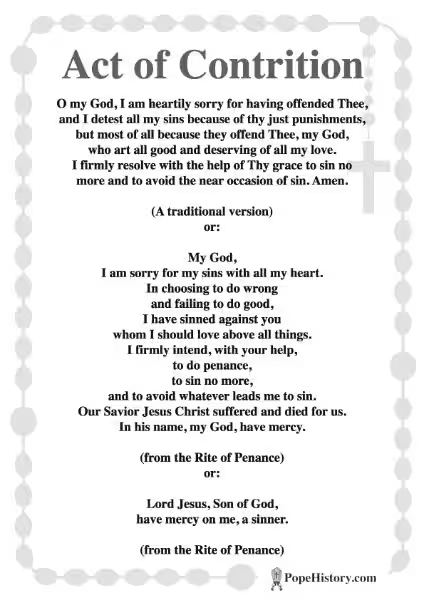
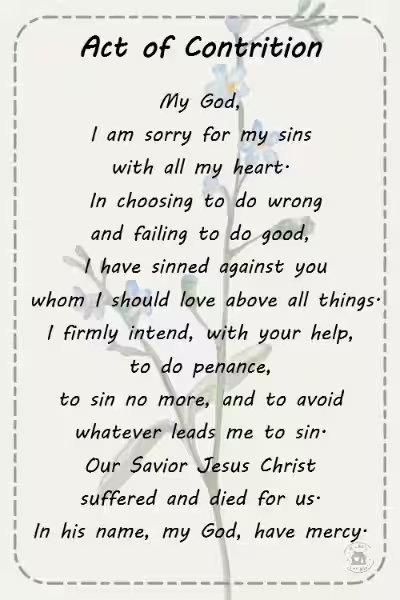
Yes, there are variations in the wording and emphasis of Acts of Contrition. Some are more formal and traditional (like the “O My God, I am heartily sorry…”), while others are more personal and spontaneous. All aim to convey the core sentiments of repentance.
When should one pray an Act of Contrition?
It is commonly prayed:
* Before going to Confession.
* After Confession, as a reaffirmation of one’s commitment.
* At any time one feels the need to express sorrow for sins and seek God’s forgiveness.
* During personal prayer or at bedtime.
Does praying an Act of Contrition guarantee forgiveness?
While an Act of Contrition is a vital component of seeking forgiveness, especially within the Sacrament of Reconciliation, it is God’s mercy and grace that ultimately grant forgiveness. The sincerity and depth of one’s contrition are crucial. Forgiveness is also directly tied to the sacrament of Penance in Catholic theology.
Can I make up my own Act of Contrition?
Yes, you can certainly pray an Act of Contrition in your own words. The most important aspect is the genuine feeling of sorrow for sin and the desire to turn back to God. Your personal prayer can be just as meaningful, if not more so, than a memorized prayer.