In the tapestry of faith, the Holy Spirit stands as a profound and often mystical presence. Many believers grapple with understanding how to actively invite the Holy Spirit into their lives, seeking a deeper connection with the divine. This isn’t about a magical incantation, but rather a heartfelt posture of openness and a conscious choice to align with God’s will. The Bible, our sacred guide, offers numerous insights into this sacred invitation. It’s a journey of relationship, a partnership with the very essence of God dwelling within us.
The concept of inviting the Holy Spirit is woven throughout scripture, not as a one-time event, but as an ongoing dialogue. Think of it like nurturing a precious friendship; it requires consistent attention, open communication, and a willingness to be led. When we seek to invite the Holy Spirit, we are essentially opening the door of our hearts, allowing divine wisdom, comfort, and power to permeate our existence. This invitation is not exclusive; it is extended to all who genuinely desire God’s presence and guidance.
Understanding the Role of the Holy Spirit in Your Life
The Holy Spirit is far more than just a theological concept; He is an active participant in the lives of believers. The Bible paints a vivid picture of His multifaceted role, acting as our Comforter, Guide, Advocate, and Empowerer. Understanding these roles helps us to better invite the Holy Spirit and recognize His work in our daily lives. He is the divine spark that ignites our faith, illuminating God’s truth and transforming us from within.
One of the key functions of the Holy Spirit is to convict us of sin and righteousness. This isn’t a harsh judgment, but a loving correction that draws us closer to God. When we feel a nudge to apologize, to change a harmful habit, or to pursue a more righteous path, it’s often the Holy Spirit at work. He helps us discern right from wrong and guides us toward decisions that honor God. Furthermore, He empowers us to live lives that reflect Christ’s love and character, enabling us to overcome challenges and serve others effectively.
The Holy Spirit as Our Advocate and Intercessor
The Bible speaks of the Holy Spirit as our Advocate, our defender and intercessor. In John 14:26, Jesus promises, “But the Helper, the Holy Spirit, whom the Father will send in my name, he will teach you all things and bring to your remembrance all that I have said to you.” This is a powerful assurance that we are never alone in our struggles or misunderstandings. The Holy Spirit is actively working on our behalf, mediating our prayers and aligning our desires with God’s perfect will.
Consider the times you’ve felt overwhelmed, unsure of what to pray for, or struggling to articulate your deepest needs. The Holy Spirit steps in, interceding for us with groanings too deep for words (Romans 8:26). He understands our hearts better than we understand ourselves and communicates our needs to the Father in ways that are perfectly aligned with divine purpose. This intimate connection allows us to invite the Holy Spirit not just for personal guidance, but for the spiritual warfare and intercessory prayer that shape our world.
The Holy Spirit as Our Teacher and Guide
Another essential role of the Holy Spirit is to teach and guide us into all truth. Jesus stated, “When the Spirit of truth comes, he will guide you into all the truth” (John 16:13). This means the Holy Spirit is our ultimate source of spiritual understanding and wisdom. He illuminates the Scriptures, helping us to grasp their deeper meaning and apply them to our lives. He also guides us in practical decision-making, offering discernment when faced with choices.
The Holy Spirit’s guidance isn’t always a booming voice from the heavens. Often, it’s a gentle whisper, a quiet intuition, or a profound sense of peace that settles upon a particular path. When we earnestly pray to invite the Holy Spirit for understanding, we are opening ourselves to His subtle yet powerful direction. This could manifest as a sudden insight during prayer, a compelling urge to read a specific passage of scripture, or a clear sense of peace about a certain decision. He is our divine compass, ensuring we stay on the course God has set for us.
Actively Welcoming the Holy Spirit into Your Life
The act of inviting the Holy Spirit is not passive; it requires intentionality and a receptive heart. We are not merely hoping for His presence, but actively seeking and embracing His indwelling. This involves cultivating practices that create an environment conducive to His work in our lives. Think of it as preparing fertile ground for a seed to grow – the more we nurture it, the more vibrant the bloom.
The Bible provides clear pathways for us to invite the Holy Spirit. These are not rigid rules, but loving invitations to deeper communion with God. By embracing these practices, we signal our willingness to partner with the divine, allowing the Holy Spirit to transform our hearts, minds, and actions. This active engagement is crucial for experiencing the fullness of God’s presence.
The Power of Prayer and Supplication
Prayer is the most direct and powerful channel through which we invite the Holy Spirit. When we pray, we are opening a direct line of communication with God. In Luke 11:13, Jesus assures us, “If you then, who are evil, know how to give good gifts to your children, how much more will the heavenly Father give the Holy Spirit to those who ask him!” This verse is a cornerstone for understanding how to invite the Spirit. Asking, seeking, and knocking are actively demonstrated throughout scripture as pathways to receiving the Spirit’s presence and power.
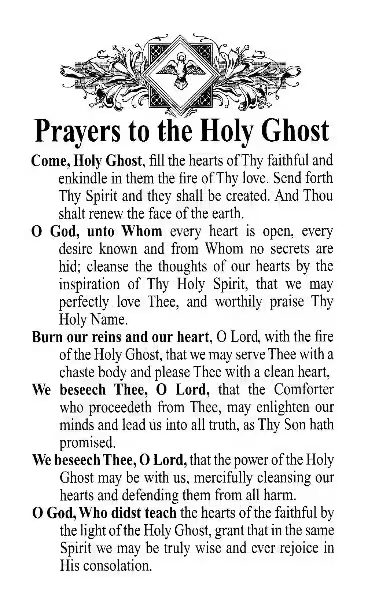
When we pray specifically for the Holy Spirit’s presence and guidance, we are exercising our faith and demonstrating our dependence on Him. This isn’t just a rote recitation of words; it’s a heartfelt plea, a sincere desire for God’s power to work within us. We can pray, “Lord, I invite Your Holy Spirit to fill me, to guide my thoughts, to strengthen my resolve, and to reveal Your will for my life today.” This kind of intentional prayer opens the door wide for the Spirit to move.
Engaging with God’s Word and Worship
Beyond direct prayer, engaging with God’s Word is another vital way to invite the Holy Spirit. Scripture is divinely inspired, and as we immerse ourselves in it, the Holy Spirit uses it to speak to us, to illuminate truth, and to transform our thinking. Romans 10:17 reminds us, “So faith comes from hearing, and hearing through the word of Christ.” As we read and meditate on the Bible, the Holy Spirit breathes life into its verses, making them relevant and applicable to our present circumstances.
Similarly, worship creates an atmosphere where the Holy Spirit delights to dwell. Whether it’s singing hymns, listening to worship music, or simply offering a heart of praise, worship shifts our focus from ourselves to God. It’s an act of surrender and adoration, drawing us into His presence. As we worship, we are actively creating space for the Holy Spirit to move in our hearts, to bring conviction, comfort, and empowerment. This can be as simple as dedicating time to listen to uplifting music with an open heart, or actively participating in corporate worship with a spirit of reverence.
Experiencing the Fruit of the Spirit in Your Daily Life
The ultimate goal of inviting the Holy Spirit is not just to experience His presence, but to see the “fruit of the Spirit” manifest in our lives. Galatians 5:22-23 beautifully describes this fruit as “love, joy, peace, patience, kindness, goodness, faithfulness, gentleness, self-control.” These are not qualities we can easily conjure on our own; they are the divine byproducts of His indwelling presence. As we consistently invite the Holy Spirit, these attributes begin to blossom within us, transforming our character and our interactions with the world.
When we live in the power of the Holy Spirit, these virtues become more than just ideals; they become our lived reality. The Holy Spirit doesn’t just tell us to be patient; He empowers us to be patient, even in trying circumstances. He doesn’t just encourage us to be loving; He infuses our hearts with His own divine love, enabling us to extend grace and compassion to others. This is the tangible evidence of His work, a testament to the power of surrendering to His guidance.
Cultivating Love, Joy, and Peace
The first fruits of the Spirit – love, joy, and peace – are foundational to a life lived in God’s presence. The Holy Spirit helps us to love others as Christ loves us, even those who are difficult to love. This love is not conditional; it’s a reflection of God’s boundless grace. He also cultivates joy, not the fleeting happiness of circumstances, but a deep-seated gladness that can endure through trials. Furthermore, He brings peace, a profound sense of contentment and security that transcends earthly worries.
When we actively invite the Holy Spirit, we are inviting these transformative qualities into our lives. This can be seen in how we respond to stress – instead of succumbing to anxiety, we might find ourselves experiencing a quiet assurance. It can be in how we treat others – extending kindness and understanding where we might have once offered judgment. These are not forced actions, but natural outpourings of a heart filled with the Spirit.
Growing in Patience, Kindness, and Goodness
As we mature in our walk with God, the Holy Spirit continues to cultivate patience, kindness, and goodness within us. Patience allows us to endure hardships with grace and understanding, recognizing that God is working all things for good. Kindness prompts us to act with compassion and empathy, meeting the needs of those around us. Goodness reflects our alignment with God’s moral character, leading us to live upright and honorable lives.
To invite the Holy Spirit is to embrace this ongoing process of spiritual growth. It means being open to the Spirit’s correction and allowing Him to reshape our character. When faced with frustrating situations, instead of reacting impulsively, we might find ourselves choosing to respond with a calm and patient demeanor. This is the Holy Spirit at work, transforming us into the likeness of Christ. The Bible verse, “For it is God who works in you, both to will and to work for his good pleasure” (Philippians 2:13), beautifully encapsulates this cooperative process.
Embracing Faithfulness, Gentleness, and Self-Control
Finally, the fruits of faithfulness, gentleness, and self-control are crucial for a life of integrity and spiritual maturity. Faithfulness means remaining steadfast in our commitment to God and His purposes, even when faced with doubt or temptation. Gentleness allows us to approach others with humility and understanding, avoiding harshness or aggression. Self-control empowers us to manage our desires, impulses, and emotions, living lives that are pleasing to God.
By consistently choosing to invite the Holy Spirit, we are allowing Him to cultivate these essential qualities within us. This might mean consciously praying for strength to resist temptation, or actively seeking opportunities to practice gentleness in our interactions. The Holy Spirit is our constant source of power and guidance, enabling us to walk in a manner worthy of our calling. As we embrace these truths, we unlock the potential for a life rich in divine purpose and transformative impact.
Frequently Asked Questions About Inviting the Holy Spirit
What does it mean to invite the Holy Spirit into your life?
Inviting the Holy Spirit into your life is a personal act of faith where you acknowledge the presence and power of the Holy Spirit as a divine guide, comforter, and helper. It’s an openness to His influence and a willingness to follow His lead in your daily life, according to Christian belief.
Are there specific Bible verses about inviting the Holy Spirit?
While the Bible doesn’t present a single, explicit “invitation prayer” to the Holy Spirit, it offers verses that encourage seeking, receiving, and being filled with the Spirit. Examples include:
“And I will ask the Father, and he will give you another advocate to help you and be with you forever— the Spirit of truth.” (John 14:16-17, NIV)
“If you then, though you are evil, know how to give good gifts to your children, how much more will your Father in heaven give the Holy Spirit to those who ask him!” (Luke 11:13, NIV)
“Repent and be baptized, every one of you, in the name of Jesus Christ for the forgiveness of your sins. And you will receive the gift of the Holy Spirit.” (Acts 2:38, NIV)
How can I personally invite the Holy Spirit?
Many believers invite the Holy Spirit through prayer. This can be a simple, heartfelt conversation with God, expressing your desire for the Holy Spirit’s presence and guidance. It often involves acknowledging your need for Him, seeking His help in understanding God’s will, and asking Him to empower you to live a life pleasing to God.
What is the role of the Holy Spirit in Christianity?
In Christianity, the Holy Spirit is understood as the third person of the Trinity, God Himself. His roles include convicting people of sin, guiding believers into truth, empowering them for service, comforting them in trials, and sanctifying them (making them more like Christ). He is seen as the active presence of God in the world and in the lives of believers.
Is inviting the Holy Spirit a one-time event or an ongoing process?
For many Christians, inviting the Holy Spirit is both a foundational event at conversion and an ongoing, daily process. While the initial reception of the Spirit is often seen as a gift upon belief, believers are encouraged to continually seek to be filled with and led by the Spirit throughout their lives.