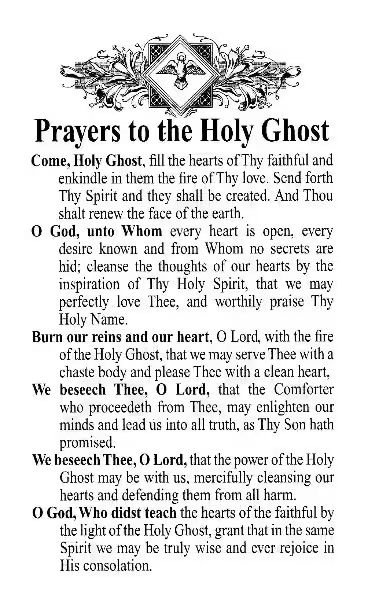
In the tapestry of our spiritual lives, there are moments when we feel a profound yearning for something more – a deeper connection, a guiding presence, an inner strength that transcends our own capabilities. This yearning often leads us to a crucial aspect of our faith journey: the invitation of the Holy Spirit. This divine Person, the third of the Trinity, is not a distant force but an intimate companion, ready to walk with us, empower us, and illuminate our path. Inviting the Holy Spirit is not a one-time ritual but an ongoing posture of openness and dependence, a conscious decision to allow God’s very presence to dwell within us.
The concept of inviting a divine entity into our lives might seem abstract, but it’s rooted in the very core of religious belief. Across various traditions, there’s a recognition of a higher power that can influence and transform human experience. In Christianity, this transformative power is embodied in the Holy Spirit, who is promised as a comforter, a guide, and a source of power. Understanding how to actively invite the Holy Spirit can unlock a richer, more vibrant spiritual life, filled with purpose, peace, and divine wisdom.
The Promise of the Comforter: Understanding the Holy Spirit’s Role
Before we can effectively invite the Holy Spirit, it’s essential to grasp who He is and what He does. The Bible consistently portrays the Holy Spirit as God’s active agent in the world and in our lives. Jesus Himself spoke extensively about the Spirit, particularly in the Upper Room Discourse, where He assured His disciples of the Spirit’s coming. He said, “But the Helper, the Holy Spirit, whom the Father will send in my name, he will teach you all things and bring to your remembrance all that I have said to you” (John 14:26). This verse is a cornerstone for understanding how we can invite the Holy Spirit to be our teacher and guide.
The Holy Spirit’s role is multifaceted, encompassing teaching, guiding, empowering, and convicting. He doesn’t force Himself upon us but waits for our invitation. Think of it like opening your door to a welcome guest. You can leave the door shut, or you can open it wide and invite them in. The Holy Spirit is always at the door, knocking, waiting for us to welcome Him into the inner chambers of our hearts and minds. This divine partnership is not about relinquishing our will but about aligning it with God’s.
The transformation that the Holy Spirit brings about is profound and personal. He works from the inside out, shaping our character, renewing our minds, and gifting us with abilities we wouldn’t otherwise possess. The Apostle Paul eloquently describes this in Galatians 5:22-23: “But the fruit of the Spirit is love, joy, peace, patience, kindness, goodness, faithfulness, gentleness, self-control.” These are not mere human aspirations; they are the evidence of the Holy Spirit’s presence and work within a believer.
When we actively invite the Holy Spirit through prayer, worship, and obedience, we create an environment for these fruits to flourish. It’s like tending a garden. You prepare the soil, plant the seeds, and water them regularly. The Holy Spirit is the life-giving rain and sunshine that causes the seeds of divine character to grow in us. This process is not always instantaneous; it’s a lifelong journey of growth and refinement, marked by His gentle, persistent influence.
The Art of Invitation: Practical Ways to Welcome the Spirit
So, how do we practically invite the Holy Spirit into our daily lives? The Bible offers numerous examples and principles that guide us. One of the most direct ways is through earnest prayer. Jesus encouraged us in Matthew 7:11: “If you then, who are evil, know how to give good gifts to your children, how much more will your Father who is in heaven give good things to those who ask him!” Asking for the Holy Spirit is asking for God’s best.
Beyond asking in prayer, worship and praise are powerful avenues for inviting the Spirit’s presence. When we lift our voices in song, express our adoration, and focus our hearts on God, we create a sacred space where the Spirit can move freely. Consider the early church in Acts 4:31, where after praying, “the place in which they were gathered together was shaken, and they were all filled with the Holy Spirit and spoke the word of God with boldness.” This outpouring demonstrates the dynamic nature of the Spirit responding to sincere worship.
Cultivating an Open Heart
Another vital aspect of inviting the Holy Spirit is cultivating an open and receptive heart. This means being willing to listen, to obey, and to surrender our own plans and desires when they conflict with God’s will. The Holy Spirit often communicates through a gentle “whisper” or an inner conviction, a subtle nudge that directs us toward righteousness. James 4:7-8 encourages us: “Submit yourselves, then, to God. Resist the devil, and he will flee from you. Come near to God and he will come near to you.” This “coming near” to God involves drawing near to His Spirit.
This openness also means confessing our sins and seeking forgiveness. Sin creates barriers between us and God, hindering the Spirit’s work. When we repent, we are cleansed, making ourselves more susceptible to His presence and power. It’s like clearing away debris from a window so the light can shine through unimpeded. This commitment to purity allows the Spirit to dwell in us more fully, guiding our thoughts, words, and actions.
When You Need Guidance: The Spirit as Your Counselor
There are times in life when we face difficult decisions, overwhelming challenges, or profound uncertainties. In these moments, the promise of the Holy Spirit as a guide and counselor becomes a lifeline. Jesus assured His disciples, “When the Spirit of truth comes, he will guide you into all the truth, for he will not speak on his own authority, but whatever he hears he will speak, and he will declare to you the things that are to come” (John 16:13). This is a direct invitation to invite the Holy Spirit to lead us through life’s complexities.
This guidance isn’t always a thunderous revelation; it can be a quiet assurance, a discerning of wisdom, or a peace that settles over a difficult situation. It’s about learning to discern His voice amidst the clamor of our own thoughts and external pressures. The Holy Spirit helps us to see situations with divine perspective, to understand God’s heart, and to make choices that align with His purposes.
Navigating Life’s Crossroads with the Spirit
Imagine standing at a fork in the road, unsure which path to take. Instead of relying solely on your own limited understanding, you can invite the Holy Spirit to illuminate the way. This might involve spending time in prayer, reading Scripture with an expectant heart, or seeking counsel from wise, Spirit-filled individuals. The Holy Spirit often works by confirming a particular path through a sense of peace or by highlighting potential pitfalls through a gentle warning.
Ultimately, inviting the Holy Spirit is an act of faith. It’s believing that God is actively present and willing to partner with us in every aspect of our lives. It’s about moving beyond a theoretical understanding of faith to a lived experience of divine companionship. As we continually open ourselves to His presence, we discover a wellspring of strength, wisdom, and love that transforms us and empowers us to live a life that honors God.
Frequently Asked Questions: Inviting the Holy Spirit
What does it mean to “invite the Holy Spirit” in the Bible?
The concept of inviting the Holy Spirit isn’t always a direct command in scripture, but rather an understanding that comes from various teachings. It often refers to actively seeking and welcoming the presence and guidance of the Holy Spirit in one’s life. This can be through prayer, worship, obedience to God’s word, and a general openness to the Spirit’s work.
Are there specific Bible verses about inviting the Holy Spirit?
While the exact phrase “invite the Holy Spirit” might not appear, many verses speak to the role and presence of the Holy Spirit, which implies an openness and welcoming. For example:
John 14:26 (ESV): “But the Helper, the Holy Spirit, whom the Father will send in my name, he will teach you all things and bring to your remembrance all that I have said to you.” This highlights the Spirit as a teacher and guide, whom we can seek.
Galatians 5:25 (ESV): “If we live by the Spirit, let us also keep in step with the Spirit.” This suggests a conscious effort to walk with and follow the Spirit.
Romans 8:9 (ESV): “You, however, are not in the flesh but in the Spirit, if in fact the Spirit of God dwells in you. Anyone who does not have the Spirit of Christ does not belong to him.” This verse emphasizes that believers already have the Spirit dwelling within them, implying a continuous relationship to be nurtured.
What is the role of the Holy Spirit in religion?
In Christianity, the Holy Spirit is considered the third person of the Trinity, co-equal with God the Father and God the Son. The Holy Spirit is believed to:
Convict of sin: Revealing sin and leading people to repentance.
Regenerate believers: Bringing about spiritual rebirth.
Indwell believers: Living within Christians, empowering them.
Guide and teach: Leading believers into truth and understanding.
Empower for service: Giving gifts and strength for ministry.
Sanctify believers: Transforming them to be more like Christ.
While other religions have concepts of divine presence or spirit, the specific doctrines surrounding the Holy Spirit are unique to Christianity.