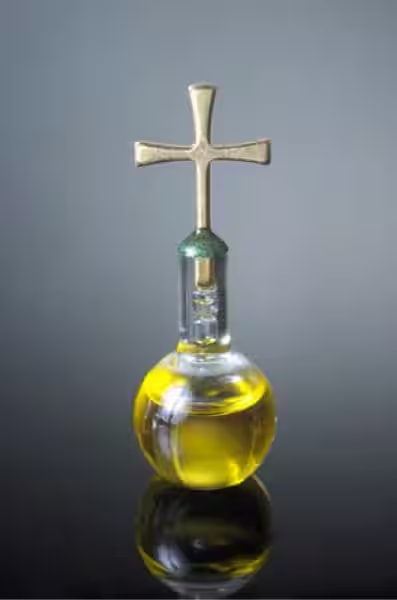
The moment a child is welcomed into the Catholic faith through the sacrament of baptism is a powerful and deeply spiritual occasion. Amidst the flowing water and fervent prayers, there’s a ritualistic use of oil, an element that might seem simple at first glance, but which carries immense theological weight. This is the essence of Catholic baptism oil, a tangible symbol of God’s grace and protection that marks a new beginning. It’s more than just a ritual; it’s a profound declaration of belonging and a spiritual anointing for the journey ahead.
For many families, the sight of the priest or deacon anointing the child with oil is a memorable part of the baptism ceremony. It’s a visual representation of the invisible work of the Holy Spirit, preparing the newly baptized to live a life dedicated to Christ. Understanding the purpose and meaning behind this sacred practice can deepen our appreciation for this foundational sacrament in the life of a Catholic.
Within the Catholic tradition, baptism often involves the use of two distinct types of blessed oil, each with its own specific role and symbolism. The first is the Oil of Catechumens, a gesture of strengthening and protection. This oil is typically applied to the chest of the person being baptized, symbolizing the building up of spiritual strength for the challenges and temptations they may face in their Christian life. It’s like providing a spiritual shield, preparing them to stand firm in their faith.
The second, and perhaps more widely recognized, is the Sacred Chrism. This is a perfumed oil, a blend of olive oil and balsam, blessed by the bishop. The Sacred Chrism is used after the baptismal water, signifying the sealing of the individual with the Holy Spirit. It’s a mark of belonging, an indelible sign that the person is now a child of God, united with Christ. Think of it as a divine signature, confirming their new identity in Christ and empowering them for their mission in the world.
The Oil of Catechumens: A Spiritual Fortification
Before the water is poured, the priest may anoint the candidate with the Oil of Catechumens. This oil, often a simpler, unperfumed olive oil, serves as a powerful symbol of God’s strength and protection. It’s applied, for example, on the chest, often over the heart, representing the fortification of the individual’s spirit. This anointing is a prayer for the candidate to be strengthened against evil, to have the courage to renounce sin, and to embrace the teachings of Christ with unwavering resolve. It’s a proactive step, preparing them for the spiritual battles that are an inevitable part of the Christian journey.
Imagine a young athlete preparing for a crucial competition. They might undergo rigorous training to build their physical strength. In a similar, though spiritual, sense, the Oil of Catechumens is administered to build up the spiritual fortitude of the newly baptized. It’s a prayer that they will be strong enough to resist the temptations of the world, to stand firm in their beliefs, and to live a life that reflects the teachings of Jesus. This anointing is a tangible reminder that God equips us for the challenges we will encounter.
The Sacred Chrism: The Seal of the Holy Spirit
Following the immersion in or pouring of water, the priest uses the Sacred Chrism. This precious, fragrant oil is a profound symbol of the Holy Spirit’s presence and the indelible mark of baptism. The anointing with Chrism signifies that the baptized person is now incorporated into Christ, sharing in His priestly, prophetic, and kingly offices. It’s a sign of consecration, marking them as belonging wholly to God. The fragrance itself, often reminiscent of incense, adds another layer of solemnity and beauty to the ceremony.
The use of Sacred Chrism in baptism echoes its use in other sacraments like Confirmation and Holy Orders, highlighting a consistent theme of spiritual gifting and consecration across the Church. When the bishop blesses the Chrism during Holy Week, he is in essence imbuing it with the power of the Holy Spirit, which is then imparted to those being baptized. Receiving this anointing is like receiving a spiritual confirmation, a seal that declares them as God’s own, empowered and set apart for a life of faith and service. It’s a beautiful and lasting reminder of their new identity in Christ.
Theological Meaning and Symbolism of Catholic Baptism Oil
The use of oil in religious contexts is ancient and deeply rooted in Scripture, carrying connotations of healing, consecration, and divine blessing. In the Old Testament, kings, priests, and prophets were anointed with oil to signify their selection by God and their empowerment for their sacred duties. This tradition is carried forward and elevated in the sacrament of baptism. The Catholic baptism oil, therefore, is not merely a ceremonial substance but a conduit of God’s grace, signifying the spiritual transformation that occurs.
This sacred unction serves as a tangible reminder of the invisible work of God in the soul. It symbolizes the cleansing from sin through the waters of baptism and the subsequent anointing by the Holy Spirit, equipping the faithful for their Christian journey. The oil is a sign of being set apart, of being chosen, and of being empowered by God’s love and strength. It’s a testament to the enduring covenant between God and His people, renewed in each baptism.
A Sign of Belonging and Empowerment
The anointing with Catholic baptism oil is a profound declaration that the newly baptized person is now a member of the Body of Christ, fully integrated into the Church. This signifies a new identity, one that is marked by Christ and empowered by the Holy Spirit. It’s like being given a spiritual uniform, a badge of honor that signifies their new allegiance and their participation in the divine life. This empowerment is not for personal gain but for the mission of spreading the Gospel and living a life of love and service.
This sacred oil acts as a seal, an indelible mark of God’s ownership and love. It’s a promise of His constant presence and guidance throughout the person’s life. Just as oil can soothe and heal, the anointing signifies God’s healing grace, preparing the individual to embark on a spiritual journey filled with both blessings and challenges. This empowerment is a call to live out the faith actively, to be a witness to Christ’s love in the world, and to contribute to the building of God’s kingdom.
The Enduring Grace of Anointing
The grace bestowed through the anointing of Catholic baptism oil extends far beyond the ceremony itself. It is a spiritual endowment that supports the faithful throughout their lives, reminding them of their baptismal promises and their union with Christ. This sacred chrism, once applied, leaves an indelible spiritual mark, a constant reminder of God’s enduring love and commitment. It’s a spiritual armor and a source of strength, especially during times of doubt or difficulty.
This enduring grace empowers individuals to live out their Christian vocations, whether as parents raising a family, as dedicated members of their communities, or as individuals striving for holiness in their daily lives. The memory of this sacred anointing serves as a wellspring of courage and perseverance, urging them to remain steadfast in their faith. It’s a beautiful and powerful legacy of the sacrament, a tangible connection to the ongoing work of God’s grace in their lives.
Frequently Asked Questions About Catholic Baptismal Oil
What are the oils used in Catholic Baptism?
There are two oils used in Catholic Baptism: the Oil of Catechumens and the Chrism oil.
What is the purpose of the Oil of Catechumens?
The Oil of Catechumens is used to strengthen the person being baptized against the temptations of evil and to prepare them for the reception of the Holy Spirit. It symbolizes the strength that Christ gives to those who are preparing for the faith.
What is the purpose of the Chrism oil?
The Chrism oil is a consecrated oil mixed with balsam, which signifies the seal of the Holy Spirit. It is used for anointing the newly baptized on the crown of the head, marking them as belonging to Christ and as a temple of the Holy Spirit. Chrism is also used in other sacraments like Confirmation and Holy Orders.
When are the oils applied during the Baptism ceremony?
The Oil of Catechumens is typically applied before the baptismal water, often on the chest. The Chrism oil is applied after the person has been baptized with water, on the crown of the head.
Does the type of oil used vary?
While the specific oils are consistent, the olive oil used is consecrated by the bishop. Balsam is added to the Chrism oil to give it a fragrance, symbolizing the “odor of Christ.”
What does the anointing with oil symbolize?
The anointing with oil symbolizes the bestowal of God’s grace, the reception of the Holy Spirit, and the marking of the baptized person as a follower of Christ, initiated into His life, death, and resurrection. It signifies being set apart for God’s service.
Can the oils be used outside of Baptism?
Yes, Chrism oil is also used in the sacraments of Confirmation and Holy Orders, as well as in the consecration of churches and altars. The Oil of Catechumens is specifically for use with catechumens and those preparing for Baptism.