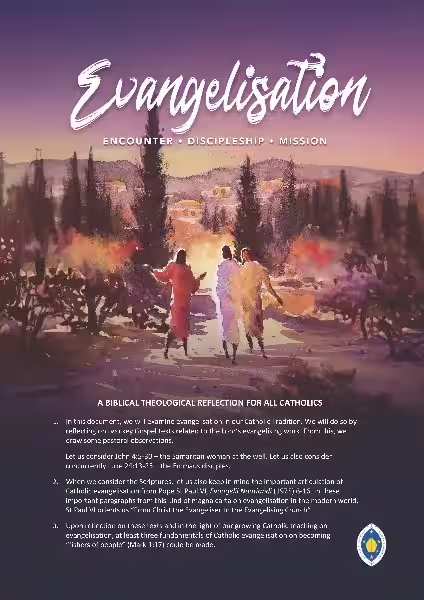
The concept of “Catholic mission work” often conjures images of distant lands and heroic figures, a romanticized notion of spreading the Gospel. But in reality, Catholic mission work is a vibrant, multifaceted force, deeply embedded in the fabric of global communities and profoundly personal to those it touches. It’s about more than just evangelization; it’s about human dignity, compassionate service, and the enduring love of God made manifest in tangible ways. This isn’t a relic of the past; it’s a dynamic, evolving expression of faith that continues to transform lives and societies today.
At its core, Catholic mission work is an extension of Jesus’ own ministry. He was sent to preach, to heal, and to serve the marginalized. The Church, as his body on earth, is called to continue this mission. This can take countless forms, from establishing schools and hospitals in underserved regions to advocating for social justice and providing disaster relief right in our own backyards. It’s a testament to the universal nature of God’s love, a love that knows no borders and embraces all people, regardless of their background or beliefs. Understanding this fundamental motivation is key to appreciating the breadth and depth of Catholic mission today.
More Than Just Preaching: The Multifaceted Embrace of Catholic Mission
When we speak of Catholic mission work, it’s crucial to move beyond the singular idea of simply converting people to Catholicism. While sharing the Good News is a vital component, the mission is far more comprehensive. It encompasses a holistic approach to human development, addressing the spiritual, physical, and intellectual needs of individuals and communities. This means that the work of Catholic missionaries is often indistinguishable from the work of humanitarian organizations, driven by the same principles of love and service.
Consider the establishment of a new clinic in a remote village. While the healthcare professionals may also share their faith, their primary mission in that moment is to alleviate suffering and promote well-being. Similarly, a teacher in a mission school, while imparting religious education, is also empowering young minds with the tools of literacy and critical thinking. These actions are not merely means to an end; they are integral expressions of the Gospel’s call to love our neighbor, demonstrating God’s love through concrete acts of kindness and solidarity. This multifaceted approach ensures that the Church’s presence is felt not just in places of worship, but in every aspect of life where human need is present.
Education as Empowerment: Igniting Futures Through Catholic Schools
One of the most impactful avenues of Catholic mission work is through education. For generations, Catholic mission schools have been beacons of hope and opportunity in communities that might otherwise lack access to quality learning. These institutions are often more than just places to learn reading, writing, and arithmetic; they are environments that foster intellectual curiosity, instil moral values, and equip students with the skills to build better futures for themselves and their families.
Think of a young girl in a developing country who, through attending a Catholic mission school, gains not only an education but also the confidence and knowledge to become a leader in her community. This is the transformative power of this work. These schools are not just about imparting knowledge; they are about nurturing potential and fostering a sense of self-worth. They often provide a safe haven, offering not only academic instruction but also meals, healthcare, and a supportive community, making them vital pillars of development.
Healthcare and Healing: Alleviating Suffering in the Name of Christ
The healing ministry of Jesus is deeply reflected in the healthcare initiatives undertaken by Catholic mission organizations worldwide. From large hospitals in urban centers to small clinics in rural areas, Catholic healthcare providers are dedicated to offering medical care to all, regardless of their ability to pay. This commitment extends to tackling diseases, providing maternal and child health services, and offering palliative care, all driven by a profound respect for the sanctity of human life.
Imagine the relief a village experiences when a mobile clinic, staffed by dedicated Catholic healthcare professionals, arrives to administer vaccinations and treat common ailments. This isn’t just medical attention; it’s a tangible demonstration of God’s compassion. These efforts often go beyond immediate medical needs, including health education programs that empower communities to prevent illness and adopt healthier lifestyles, creating a lasting impact on public health.
Social Justice and Advocacy: A Voice for the Voiceless
Catholic mission work also plays a crucial role in advocating for the marginalized and challenging injustice. Inspired by the Church’s social teachings, missionaries and their collaborators work to address systemic issues such as poverty, human trafficking, and environmental degradation. They act as voices for the voiceless, bringing the plight of the oppressed to the attention of the wider world and working towards a more just and equitable society.
Consider a group of missionaries who, alongside local leaders, campaign for fair wages and safe working conditions for laborers in a particular industry. This is not just activism; it’s a living out of the Gospel’s mandate to care for the poor and oppressed. These efforts often involve education, raising awareness, and lobbying for legislative changes, striving to create conditions where all individuals can live with dignity and flourish.
The Personal Call: How Mission Work Touches Our Own Faith and Lives
While the global impact of Catholic mission work is undeniable, its influence is equally profound on a personal level. For those who feel called to serve, whether abroad or at home, the experience is often life-altering, deepening their faith and broadening their understanding of the world. It’s a journey of self-discovery, humility, and an intimate encounter with God’s love in its most raw and beautiful forms.
Engaging in mission work, even through simple acts of service within one’s own parish or community, can reorient our perspectives and foster a spirit of gratitude. When we witness the challenges faced by others and contribute to alleviating their burdens, our own priorities can shift, leading to a more profound appreciation for the blessings we possess. This personal transformation is a testament to the reciprocal nature of mission: we give, but we also receive immeasurably.
Finding Your Calling: Pathways to Engaging in Mission Today
The spirit of Catholic mission work is alive and well, and there are numerous ways for individuals to participate. For some, it might be a call to full-time missionary service, dedicating their lives to specific projects in far-flung corners of the globe. This can involve religious sisters, priests, brothers, or lay individuals who commit their talents and time to established mission organizations.
However, the call to mission isn’t solely for those who can relocate. Short-term mission trips offer invaluable opportunities for individuals and groups to experience mission firsthand, offering practical assistance and building bridges of understanding. Even within our local communities, there are countless avenues for active participation: volunteering at a soup kitchen, supporting a local refugee resettlement agency, or becoming an advocate for social justice issues. Every act of service, no matter how small, contributes to the larger mission of the Church.
The Fruit of the Spirit: Witnessing Transformation Through Mission
The true measure of Catholic mission work lies in the transformation it inspires, both in the lives of those served and in the hearts of those who serve. It’s a testament to the power of faith, hope, and love to overcome adversity and build a more just and compassionate world. The stories of individuals whose lives have been touched by mission, whether through receiving aid or offering it, are powerful affirmations of God’s enduring presence and his boundless love for humanity.
Ultimately, Catholic mission work is not just an activity; it is a way of life, a continuous invitation to embrace the Gospel message and extend its reach to all corners of God’s creation. It’s a reminder that we are all interconnected, called to build up the Body of Christ and to be instruments of his peace and love in a world that so desperately needs it. The enduring call to mission continues to shape and enrich our faith, urging us to go forth and make a difference, one act of love at a time.
Frequently Asked Questions about Catholic Mission Work
What is Catholic mission work?
Catholic mission work refers to the efforts of the Catholic Church to spread the Christian faith and its teachings, as well as to provide humanitarian aid and social services, to people around the world, particularly in areas where the Church’s presence is less established or where there is significant need. It encompasses evangelization, education, healthcare, poverty alleviation, and community development.
Who is involved in Catholic mission work?
A wide range of individuals and groups are involved in Catholic mission work. This includes religious congregations of priests, brothers, and sisters who dedicate their lives to missionary service, as well as lay missionaries who volunteer their time and skills. Dioceses, parishes, and various Catholic organizations also coordinate and support mission activities.
What are the main goals of Catholic mission work?
The primary goals of Catholic mission work are to:
* Proclaim the Gospel of Jesus Christ and invite people to conversion.
* Establish and strengthen local Churches by providing spiritual and material support.
* Serve the poor and vulnerable by addressing their physical, social, and spiritual needs.
* Promote justice, peace, and human dignity.
* Foster interfaith dialogue and understanding.
How can someone support Catholic mission work?
There are many ways to support Catholic mission work:
* Prayer: Praying for missionaries, the people they serve, and the success of their efforts.
* Donations: Contributing financially to support mission projects, missionary vocations, or specific needs.
* Volunteering: Offering one’s time and skills as a lay missionary, either locally or abroad.
* Awareness: Learning about and sharing information about the work of Catholic missions.
* Advocacy: Speaking out on behalf of the poor and marginalized supported by mission work.
What kind of impact does Catholic mission work have?
Catholic mission work has a profound and multifaceted impact. It brings spiritual hope and guidance to communities, provides essential services like education and healthcare, empowers individuals and communities through development programs, and fosters a sense of global solidarity and Christian love. Missions often play a crucial role in improving living conditions and promoting human development in underserved regions.