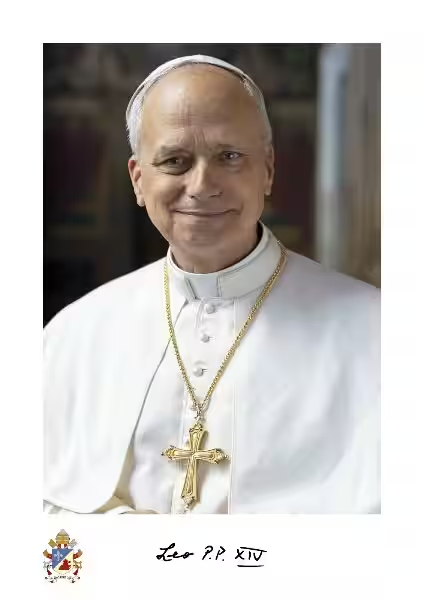
The image of the Pope, traditionally associated with ancient rituals and age-old traditions, might seem antithetical to the rapid advancements of modern technology. Yet, beneath the surface of religious vestments and solemn pronouncements, a fascinating evolution is underway. This evolution is driven by what we can broadly term Pope Technologies – the innovative and often surprising ways technological advancements are being adopted and integrated into the very fabric of the Catholic Church, from its highest leadership to its global flock. These aren’t just tools; they are becoming agents of change, reshaping how faith is communicated, experienced, and even understood in the 21st century.
The Pontiff, as the spiritual leader of over a billion Catholics worldwide, faces the monumental task of connecting with a diverse and geographically dispersed community. Historically, this connection was forged through encyclicals, papal visits, and the local parish. However, the digital age has introduced an entirely new landscape. Pope Technologies are therefore not merely about efficiency within the Vatican; they are about bridging distances, fostering a sense of global communion, and ensuring that the timeless message of the Gospel can resonate with contemporary audiences. Understanding these advancements offers a unique window into the future of religion and the enduring adaptability of one of the world’s oldest institutions.
The Digital Pulpit: Reaching the Faithful in the Modern Era
The days of the Pope’s voice reaching only those within earshot of St. Peter’s Basilica are long gone. Today, Pope Technologies enable a global, instantaneous dialogue that was once unimaginable. The internet, social media platforms, and sophisticated broadcasting capabilities have transformed the papacy into a truly ubiquitous presence. This digital reach is crucial for maintaining a connected Catholic identity across continents and cultures, ensuring that followers feel an ongoing personal connection to their spiritual leader.
Consider the impact of live-streaming papal addresses. What once required a journey to Rome or relying on infrequent television broadcasts can now be experienced in real-time by anyone with an internet connection. This is a profound shift, allowing for immediate spiritual engagement during significant events like Easter or Christmas Mass, or even for daily reflections. Furthermore, the strategic use of platforms like X (formerly Twitter) allows for concise, impactful pronouncements that can be shared and discussed globally, fostering a sense of shared prayer and contemplation. This digital pulpit is not a replacement for traditional worship, but rather a powerful extension of the Church’s evangelizing mission.
Social Media as a Spiritual Connector
The Vatican’s embrace of social media is perhaps the most visible manifestation of Pope Technologies. These platforms are not just for disseminating news; they are actively used to convey messages of hope, peace, and spiritual guidance. The Pope’s official accounts, managed with careful consideration, offer a direct line of communication, often sharing reflections on current events through a spiritual lens. This is a deliberate strategy to engage a younger generation who are deeply ingrained in the digital world, meeting them where they are.
The use of these platforms also allows for a more personalized and accessible papacy. When the Pope shares a simple prayer or a reflection on the importance of kindness, it can feel more immediate and relatable than a formal papal document. This democratization of spiritual access empowers believers to feel more directly connected to the heart of the Church. The strategic deployment of content across various platforms – from short video messages to thought-provoking tweets – demonstrates a sophisticated understanding of how to leverage digital tools for spiritual impact.
Virtual Reality and Immersive Faith Experiences
Beyond the immediate reach of social media, Pope Technologies are also exploring more immersive avenues. Virtual reality (VR) and augmented reality (AR) are beginning to offer new dimensions to religious experience. Imagine being able to virtually walk through the Sistine Chapel, experiencing its grandeur as if you were there, or participating in a virtual pilgrimage to the Holy Land. These technologies offer unprecedented accessibility to sacred spaces and historical narratives.
This is particularly significant for individuals who may be unable to travel due to physical limitations, financial constraints, or geographical distance. VR and AR can break down these barriers, allowing for a deeply personal and sensory engagement with the elements of faith. For example, a virtual reality Mass could allow a homebound individual to feel present in a liturgical celebration, complete with visual and auditory cues that replicate the experience of attending in person. This innovative application of Pope Technologies speaks to a commitment to ensuring that everyone has the opportunity to connect with their faith.
The Vatican’s Technological Infrastructure: Beyond Public Relations
While the public face of Pope Technologies often focuses on communication, the influence extends far deeper into the operational heart of the Vatican. Behind the scenes, a complex network of technological infrastructure is essential for managing an institution of such global scale and historical significance. This includes everything from secure communication systems to sophisticated data management, all playing a critical role in the efficient and secure functioning of the Holy See.
The modernization of Vatican archives, for instance, is a testament to this. Digitizing ancient manuscripts and historical documents ensures their preservation for future generations and makes them accessible for scholarly research. This is not just about convenience; it’s about safeguarding religious heritage and making it available for study and understanding. The sheer volume of information and the need for secure and efficient access necessitate the adoption of cutting-edge solutions.
Cybersecurity and Data Integrity
In an era where digital threats are ever-present, the security of the Vatican’s digital assets is paramount. Pope Technologies encompass robust cybersecurity measures designed to protect sensitive data, financial information, and communication channels. This is a critical but often unseen aspect of the papacy’s technological adaptation, ensuring the confidentiality and integrity of internal operations.
The potential for cyberattacks on an institution like the Vatican is significant, making proactive defense and rapid response capabilities essential. This involves employing advanced encryption, threat detection systems, and rigorous security protocols to safeguard against breaches. The commitment to cybersecurity reflects a deep understanding of the vulnerabilities of the digital age and a dedication to protecting the institution and its followers from harm.
Beyond security, Pope Technologies are also being leveraged to enhance the operational efficiency of the Vatican. This can range from sophisticated project management software for large-scale initiatives to digital tools that streamline administrative tasks. The goal is to ensure that the Church’s resources are used as effectively as possible, allowing the focus to remain on its core mission of spiritual guidance and service.
Think of how appointment scheduling, document management, and internal communication can be significantly improved with the right digital tools. This streamlining of administrative processes frees up valuable human resources to focus on more impactful work. The adoption of these technologies demonstrates a practical approach to governance, ensuring that the papacy can operate effectively in the complex modern world.
Challenges and the Future of Pope Technologies
The integration of Pope Technologies is not without its challenges. Navigating the digital landscape requires a constant learning curve, and the ethical implications of technology must be carefully considered. The digital divide, for instance, presents a significant hurdle, as not all followers have equal access to the technology that enables these new forms of engagement.
Furthermore, there’s a delicate balance to strike. The Church’s message is one of enduring truth and timeless values, while technology is constantly evolving. The key lies in ensuring that Pope Technologies serve the mission of the Church without compromising its core tenets or alienating those who may not be digitally adept. This requires thoughtful implementation, inclusive design, and a continuous dialogue about the role of technology in faith.
Bridging the Digital Divide
A significant challenge for Pope Technologies is ensuring that the benefits of digital engagement are accessible to all members of the global Catholic community. The digital divide, characterized by disparities in internet access, digital literacy, and affordability of devices, means that some followers might be excluded from these new forms of communication and participation. This is a concern that the Church actively addresses through various initiatives aimed at promoting digital inclusion.
The Vatican and local dioceses are increasingly working to provide access to technology and digital training in underserved communities. This can involve setting up internet access points in parishes, offering workshops on using digital tools, and developing content that is accessible through lower-bandwidth connections or even offline. The goal is to ensure that technological advancements enhance, rather than diminish, the sense of global communion.
Ethical Considerations and Maintaining Spiritual Authenticity
As Pope Technologies become more sophisticated, so too do the ethical considerations surrounding their use. Questions about data privacy, the potential for misinformation, and the impact of technology on human connection are all part of the ongoing conversation. The Church must grapple with how to leverage technology responsibly, ensuring that it enhances, rather than detracts from, the spiritual authenticity of its message.
This involves a commitment to transparency and ethical guidelines in the development and deployment of new technologies. It also requires a continuous reflection on how these tools can foster genuine human connection and spiritual growth, rather than superficial engagement. The future of Pope Technologies will undoubtedly be shaped by the Church’s ability to navigate these complex ethical landscapes while remaining true to its enduring mission.
Frequently Asked Questions about Pope Technologies and Religion
What are Pope Technologies?
“Pope Technologies” is not a recognized term within either the Catholic Church or the broader field of technology. It’s possible this is a misunderstood concept or a term used in a very specific, non-standard context. If you encountered this term, please provide more information about where you saw it, as it may refer to a specific project, company, or concept that is not widely known.
How does religion influence technology development?
Religion can influence technology development in several ways, often indirectly:
Ethical Frameworks: Religious teachings provide moral and ethical guidelines that can shape how individuals and societies approach the development and use of new technologies. This can lead to discussions and regulations around issues like artificial intelligence, genetic engineering, or data privacy.
Values and Priorities: Religious values may prioritize certain societal goals, such as community well-being, environmental stewardship, or human dignity. These priorities can, in turn, influence the types of technologies that are deemed important or worthy of development.
Inspiration and Problem-Solving: In some cases, religious narratives or beliefs might inspire innovative thinking or approaches to solving problems that technology could address.
Skepticism and Caution: Conversely, some religious perspectives may approach certain technologies with caution or skepticism, particularly if they are perceived as conflicting with religious doctrines or humanistic values.
Religious Organizations as Users/Developers: Religious institutions themselves can be significant users of technology for communication, education, and administration. In some instances, they may also be involved in developing or sponsoring technology projects aligned with their mission.
Can religious beliefs and technological advancement coexist?
Yes, religious beliefs and technological advancement can absolutely coexist. Many individuals who hold deep religious faith are also actively involved in science and technology. History shows numerous examples of scientists and innovators who were also religious.
The relationship is often one of complementarity rather than conflict. Technology can be seen as a tool that, when used ethically, can help humanity solve problems and improve lives, which can align with religious calls for compassion and the betterment of the human condition. Many religious traditions encourage the exploration and understanding of the world, which can be facilitated by scientific and technological inquiry.
However, potential tensions can arise when technological developments are perceived as challenging fundamental religious tenets or when the application of technology leads to ethical dilemmas not adequately addressed by existing religious frameworks. These situations often prompt dialogue and reinterpretation within religious communities.