
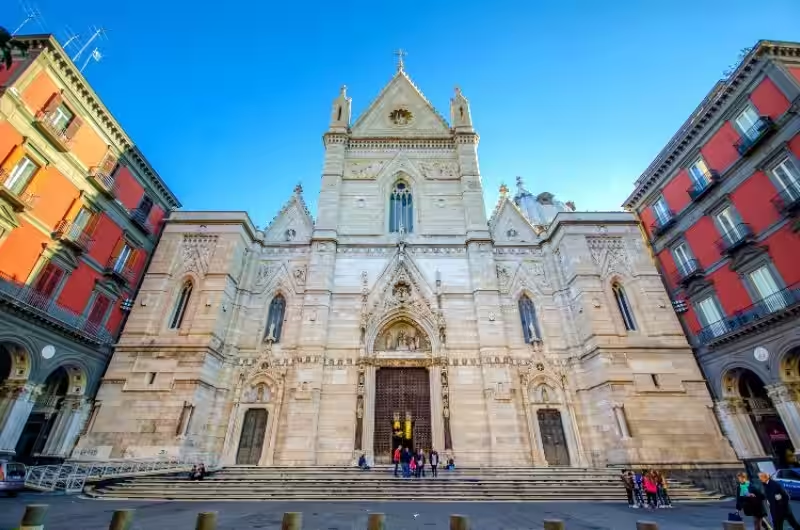
The vibrant city of Naples, a jewel nestled on the southern Italian coast, is a place where history breathes and faith thrives. At its very heart stands the magnificent Naples Cathedral, also known as the Duomo di San Gennaro. This sacred edifice is far more than just a beautiful building; it’s a living testament to centuries of unwavering devotion, a repository of profound religious significance, and a crucial anchor for the soul of the Neapolitan people. For anyone seeking to understand the deep currents of religion and culture that define Naples, a visit to the Naples Cathedral is an absolute imperative, offering a journey through time and a profound connection to the divine.
Stepping through the imposing doors of the Naples Cathedral is like entering a sacred embrace. The air, often cool and still, carries the faint scent of incense and aged stone, a palpable sense of reverence that settles upon visitors. Here, the echoes of countless prayers and centuries of unwavering faith resonate, creating an atmosphere that is both humbling and inspiring. It’s a place where the tangible beauty of art and architecture intertwines with the intangible power of spiritual devotion, making it a truly unforgettable experience for pilgrims and tourists alike.
The Sacred Heart of Naples: San Gennaro and the Miracle
The spiritual significance of the Naples Cathedral is inextricably linked to its patron saint, San Gennaro (Saint Januarius). Gennaro, the Bishop of Benevento, was martyred in Naples in the early 4th century. His martyrdom is not just a historical event but a cornerstone of Neapolitan identity and religious practice. The relics of San Gennaro, including his alleged blood, are housed within the cathedral and are the focal point of an extraordinary and deeply cherished miracle that occurs three times a year. This miracle, the liquefaction of San Gennaro’s blood, is a profound event that draws believers from all walks of life, reinforcing their faith and uniting them in shared anticipation and devotion.
The most famous of these miraculous occurrences takes place on September 19th, the feast day of San Gennaro. On this special day, a procession carries the ampoules containing the saint’s dried blood to the main altar of the Naples Cathedral. For centuries, the faithful have gathered, their hearts filled with hope, as the clergy perform the ritual. When the blood liquefies, transforming from a solid state to a liquid, it is seen as a sign of divine favor and a blessing upon the city. This event is not merely a spectacle; it’s a deeply emotional and spiritual experience for Neapolitans, who believe the saint’s continued protection is tied to this sacred liquefaction. Even when the blood does not liquefy, it is interpreted in various ways, each carrying its own spiritual weight and significance for the devout.
Architectural Grandeur Reflecting Spiritual Depth
The Naples Cathedral itself is a masterpiece of architectural evolution, a testament to the diverse artistic and religious influences that have shaped it over the centuries. Originally built in Romanesque style, it has undergone numerous transformations, incorporating elements of Gothic, Renaissance, and Baroque design. This layered history is visible in its very fabric, with different chapels, facades, and decorative elements showcasing distinct historical periods. Wandering through its vast interior, one can trace this architectural journey, appreciating the skill of generations of artisans who contributed to its grandeur, each adding their unique touch to this sacred space.
Within the Naples Cathedral, several chapels hold particular religious and artistic importance. The Cappella del Tesoro di San Gennaro (Chapel of the Treasury of San Gennaro) is a breathtaking example of Baroque art and a pivotal location for the blood miracle. Its opulent decoration, featuring intricate frescoes, precious marbles, and gilded stucco, reflects the immense wealth and devotion poured into honoring the saint. Other chapels, such as the Chapel of the Crucifix and the Chapel of Santa Restituta, each possess their own unique artistic treasures and spiritual narratives, inviting visitors to pause, reflect, and absorb the profound religious artistry that adorns the cathedral’s sacred spaces.
Beyond the Miracle: The Enduring Role of Naples Cathedral in Daily Life
While the miracle of San Gennaro undoubtedly draws significant attention, the Naples Cathedral is much more than just a site of a singular event. It serves as the spiritual epicenter for the Catholic community of Naples, a place where daily masses are celebrated, sacraments are administered, and the faithful find solace and guidance. Its presence is a constant reminder of the enduring power of faith in the lives of ordinary people, a quiet anchor in the often-turbulent currents of urban existence. The cathedral remains an active place of worship, its doors open to all seeking spiritual connection and community, regardless of the day or occasion.
The cathedral’s role extends to significant religious festivals and traditions beyond the September ceremony. Throughout the liturgical year, special services and celebrations are held, drawing large congregations and reinforcing the communal bonds of faith. The veneration of San Gennaro, for instance, is woven into the fabric of Neapolitan life, influencing everything from local festivals to the everyday prayers of its citizens. This continuous engagement with religious practice ensures that the Naples Cathedral remains a vibrant and relevant institution, deeply embedded in the cultural and spiritual identity of Naples, fostering a sense of belonging and shared heritage.
A Beacon of Hope and Heritage
The Naples Cathedral stands as a powerful symbol of resilience and continuity. Through earthquakes, wars, and the passage of centuries, it has endured as a steadfast beacon of faith. Its weathered stone and soaring arches whisper tales of past generations who sought refuge, celebrated joys, and mourned losses within its sacred walls. For the people of Naples, the cathedral is not merely an ancient monument; it is a living heritage, a source of pride, and a tangible link to their ancestral spiritual roots, continuing to inspire and guide them.
Visiting the Naples Cathedral offers a unique opportunity to witness firsthand the profound interplay between religion, history, and culture. It is a place where the extraordinary claims of faith are met with deep-seated belief, where architectural splendor serves as a vessel for spiritual devotion, and where ancient traditions continue to shape the identity of a vibrant city. Whether one is a devout pilgrim or a curious traveler, the profound experience of the Naples Cathedral promises to leave an indelible mark, offering a glimpse into the enduring heart of Neapolitan faith and heritage.
Frequently Asked Questions: Naples Cathedral, Italy – Religion
What is the primary religion practiced at Naples Cathedral?
The primary religion practiced at Naples Cathedral is Roman Catholicism. It is the seat of the Metropolitan Archdiocese of Naples.
What is the significance of Naples Cathedral within the Catholic Church?
Naples Cathedral holds significant importance as a major pilgrimage site and a center of religious life for the Archdiocese of Naples. It is home to the relic of Saint Januarius, the city’s patron saint, whose blood is said to liquefy twice a year.
Are there specific religious services held at Naples Cathedral?
Yes, daily Mass and other significant Catholic liturgical celebrations are held at Naples Cathedral. These include services for feast days, special diocesan events, and public worship.
Can visitors participate in religious activities at the Cathedral?
Visitors are generally welcome to attend public religious services, provided they do so with respect for the sacred space and the ongoing liturgy. It is advisable to check the Cathedral’s schedule for specific service times.
What are some of the important relics or religious artifacts housed within Naples Cathedral?
The most famous relic is the blood of Saint Januarius (San Gennaro). The Cathedral also houses the tomb of Saint Januarius, as well as relics of other saints and important religious art.
Is it appropriate to dress modestly when visiting Naples Cathedral for religious reasons?
Yes, it is highly recommended to dress modestly out of respect for the religious nature of the Cathedral. This typically means covering shoulders and knees.
Are there opportunities for prayer or reflection within the Cathedral?
Naples Cathedral offers spaces for quiet prayer and reflection. Visitors can find designated areas or simply sit and contemplate within the magnificent architecture and sacred atmosphere.
