In moments of profound loss, the rituals and traditions surrounding a funeral service offer a comforting framework for remembrance and grieving. Among the many elements that contribute to a meaningful farewell, the funeral service booklet holds a particularly special place, especially within religious contexts. This humble yet vital document serves as more than just a program; it’s a tangible connection to faith, a guide through ceremony, and a lasting keepsake that honors the life of the departed and the beliefs that sustained them.
The creation of a funeral service booklet, particularly when steeped in religious tradition, is a thoughtful process that reflects the specific denomination and the wishes of the grieving family. It encapsulates prayers, scripture readings, hymns, and often a brief eulogy or obituary, allowing attendees to participate fully in the service and to reflect on the spiritual journey of the deceased. Understanding the role and content of this booklet can provide solace and clarity during a challenging time.
The Role of the Funeral Service Booklet in Religious Observances
A funeral service booklet acts as an essential guide for all participants in a religious funeral. It ensures that everyone can follow along with the order of service, understand the significance of each prayer or reading, and feel connected to the communal act of remembrance. For many faiths, the service itself is a carefully structured liturgy, and the booklet ensures that this structure is accessible and understandable to everyone present, regardless of their familiarity with specific religious practices.
Beyond its practical function, the funeral service booklet embodies the spiritual tenets of the religion it represents. It often includes key theological messages about life, death, and the afterlife, offering a message of hope and eternal peace. For example, a Christian booklet might feature verses from the Gospels or Psalms that speak of resurrection and comfort, while a Jewish booklet would likely include prayers like the Kaddish, a prayer for the dead, and passages emphasizing the soul’s journey. This inclusion reinforces the faith’s teachings and provides attendees with a shared understanding of the spiritual meaning of the occasion.
Guiding Participation and Understanding
The pages of a funeral service booklet are designed to invite active participation. Hymns are printed with lyrics, allowing everyone to sing together, a powerful act of unity and remembrance. Prayers are often presented in full, enabling mourners to follow along and offer their own intentions. This shared engagement can be incredibly therapeutic, transforming a passive experience into an active, communal act of love and respect for the deceased.
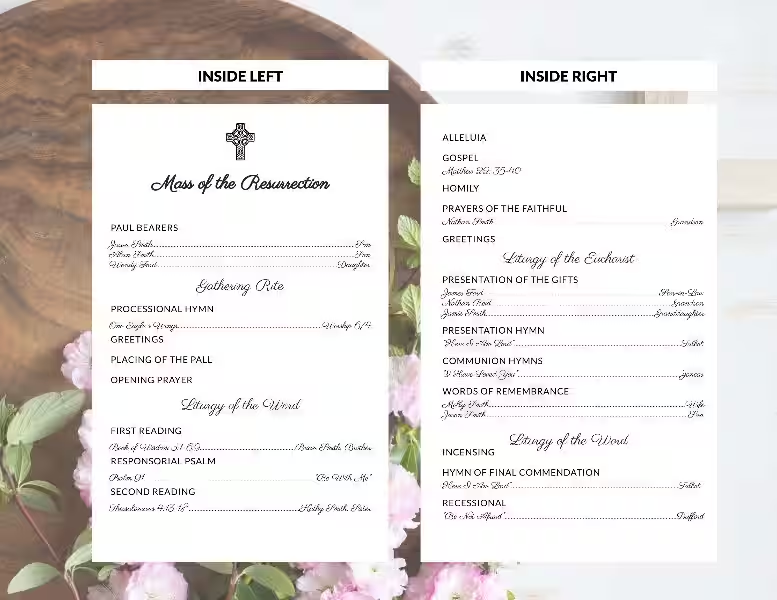
Consider the example of a Catholic funeral. The booklet will guide attendees through the various parts of the Mass of Christian Burial, including the Entrance Antiphon, the Readings from Scripture, the Prayers of the Faithful, and the Communion Rite. Each section is clearly marked, often with explanations of its purpose. This allows even those unfamiliar with Catholic rites to feel included, to understand the prayers being offered, and to participate in ways that feel meaningful and respectful.
The heart of any religious funeral service booklet lies in the sacred texts and prayers it contains. These are not arbitrary selections but are chosen for their profound relevance to themes of loss, faith, and eternal life. For instance, in a Protestant service, you might find the comforting words of Psalm 23, “The Lord is my shepherd; I shall not want.” This familiar passage offers assurance and peace, reminding mourners of God’s constant presence.
Similarly, within the Buddhist tradition, a funeral service booklet might feature excerpts from sutras or verses that speak of impermanence and the cycle of rebirth. These texts offer a framework for understanding death not as an end, but as a transition, providing a distinct perspective on grief and acceptance. The careful curation of these elements within the booklet underscores the specific theological and philosophical underpinnings of the religion being observed.
Content and Design of a Religious Funeral Service Booklet
The content and design of a religious funeral service booklet are meticulously crafted to reflect both the solemnity of the occasion and the specific religious traditions being honored. From the choice of fonts and colors to the selection of prayers and scripture, every element contributes to the overall tone and message of the service. It’s a delicate balance between conveying essential information and creating an atmosphere of reverence and remembrance.
The goal is to create a document that is both informative and emotionally resonant. Families often work closely with funeral directors or religious leaders to ensure that the booklet accurately represents the deceased’s faith and their personal preferences. This collaborative approach ensures that the final booklet is a true reflection of love, faith, and remembrance.
Key Elements Typically Included
A well-designed funeral service booklet will typically include a range of essential components. These often begin with a cover page featuring the name of the deceased, their birth and passing dates, and perhaps a meaningful religious image or quote. Inside, you’ll find:
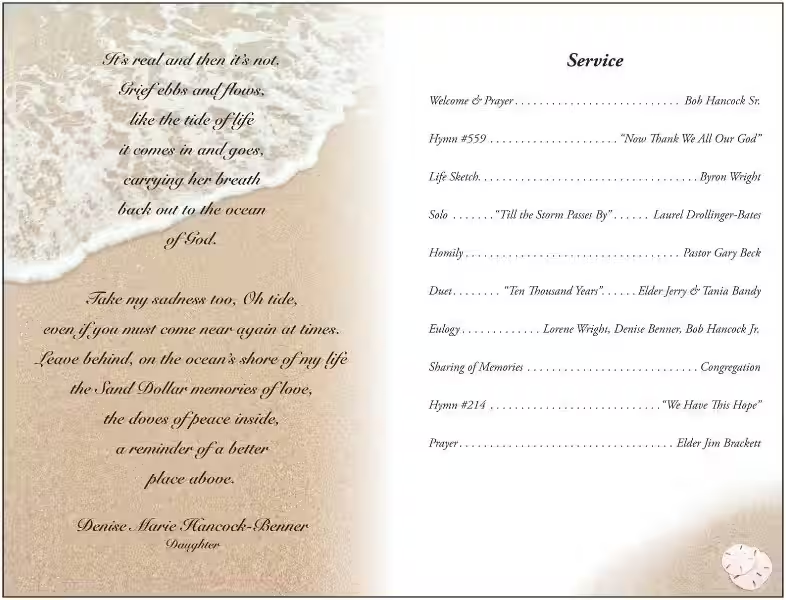
Order of Service: A clear, step-by-step outline of the proceedings, including musical selections, readings, prayers, and eulogies.
Scripture Readings: Specific passages from holy texts relevant to the deceased and the occasion.
Hymns and Songs: The lyrics to hymns or other worship songs to be sung by the congregation.
Prayers: Traditional prayers of the faith, often including prayers for the deceased, the grieving family, and for comfort.
Eulogy or Obituary: A brief biography or tribute to the life of the deceased, often highlighting their faith journey and contributions.
Acknowledgements: A section to thank those who have offered support or made contributions.
Contact Information: Details for the funeral home or family members for further inquiries.
The inclusion of these elements ensures that attendees have a comprehensive understanding of the service and can participate meaningfully. For example, in an Orthodox Christian booklet, you might find specific prayers for the departed like the Trisagion or the “Eternal Memory” blessing, guiding the congregation through these important liturgical moments.
Personalization and Religious Symbolism
While adhering to religious guidelines, there is often room for personalization within a funeral service booklet. This might involve selecting specific hymns that were dear to the deceased, or choosing scripture verses that held particular significance for them. The inclusion of a favorite religious poem or a personal reflection adds a unique touch, making the booklet a more intimate tribute.
Religious symbolism also plays a crucial role in the design. A Christian booklet might feature a cross, a dove, or images of the Good Shepherd. A Jewish booklet could incorporate the Star of David or images related to the Torah. These symbols act as visual anchors, reinforcing the religious context and offering a sense of continuity with spiritual heritage. Even the choice of paper stock and the style of binding can contribute to the overall feeling of reverence and respect, transforming a simple booklet into a cherished memento.
The Enduring Legacy of the Funeral Service Booklet
In the aftermath of a funeral, the funeral service booklet often transcends its initial purpose as a guide to the service. It becomes a tangible piece of remembrance, a keepsake that mourners can hold onto, revisit, and share. For many, it’s a comfort to look back on the booklet and recall the words of faith that offered solace during a difficult time.
It serves as a reminder of the community that gathered to support the grieving family, and of the spiritual beliefs that provided strength and hope. The contents of the booklet, the prayers, the scripture, the hymns, all echo the enduring legacy of the deceased and the faith that shaped their life.
A Tangible Reminder of Faith and Love
Years after a service, a funeral service booklet can evoke powerful memories. Flipping through its pages can bring back the sound of familiar hymns, the comforting cadence of prayers, and the profound words of scripture that were shared. It’s a physical connection to a significant moment, a testament to the life lived and the love shared.
For families, the booklet can also be a way to pass on their religious heritage. Children and grandchildren can look at the booklet and understand the faith that was central to their loved one’s life, fostering a connection to their spiritual ancestry. This enduring quality makes the funeral service booklet an invaluable part of the grieving and remembrance process.
Preserving Memories for Future Generations
The funeral service booklet is more than just a temporary program; it’s a document destined for preservation. Families often keep these booklets among cherished photographs and heirlooms, a testament to the importance of the funeral service and the person it honored. It’s a way to ensure that the memories of the deceased, and the spiritual framework that guided them, are passed down through generations.
Imagine a great-grandchild, years from now, discovering a beautifully preserved funeral service booklet belonging to their ancestor. Within its pages, they can connect with the faith, the prayers, and the scripture that were meaningful to their family. This act of discovery can offer a profound sense of continuity and belonging, solidifying the enduring legacy of both the individual and their religious traditions.
Frequently Asked Questions: Funeral Service Booklets and Religion
What is a funeral service booklet?
A funeral service booklet, also known as a program or order of service, is a printed document distributed to attendees at a funeral or memorial service. It typically includes information about the deceased, the order of the service, readings, hymns, musical selections, and names of pallbearers and other participants.
How does religion influence the content of a funeral service booklet?
Religion significantly shapes the content of a funeral service booklet by dictating specific prayers, scripture readings, hymns, liturgical elements, and theological themes that are appropriate for the deceased’s faith.
Are there specific prayers or readings used in Christian funeral service booklets?
Yes, Christian funeral service booklets often include prayers such as the Lord’s Prayer, prayers for comfort and remembrance, and scripture readings from the Old and New Testaments that offer hope and solace, like Psalm 23 or passages from John’s Gospel. Hymns like “Amazing Grace” or “Abide With Me” are also common.
What kind of content might be found in a Jewish funeral service booklet?
Jewish funeral service booklets may feature prayers like the El Malei Rachamim, the Mourner’s Kaddish, and readings from the Psalms. The service structure might follow traditional customs, and the booklet will reflect these specific prayers and readings.
How does Islam incorporate religious elements into funeral service booklets?
Islamic funeral service booklets might include verses from the Quran, supplications (du’a) for the deceased, and information about the Janazah prayer, which is a communal prayer for the deceased. The booklet will be mindful of Islamic traditions and etiquette.
What are common inclusions for Buddhist funeral service booklets?
Buddhist funeral service booklets often contain chants, mantras, and readings from Buddhist scriptures. The service order may reflect Buddhist rituals and teachings on impermanence, compassion, and rebirth.
Can funeral service booklets include non-religious or secular elements?
Absolutely. While religious elements are common, funeral service booklets can also be entirely secular, focusing on the life and achievements of the deceased, personal memories, poems, and secular readings that reflect their values and personality. The content is tailored to the wishes of the family and the deceased.