The passing of a loved one is a profound human experience, marked by a complex tapestry of grief, remembrance, and faith. Amidst the sorrow, a funeral Mass program often serves as a central anchor, a tangible guide that helps mourners navigate the sacred liturgy and find solace in shared prayer. More than just a printed booklet, the funeral Mass program is a testament to a life lived, a vessel for collective remembrance, and a bridge connecting the earthly realm with the divine.
For many, the Catholic funeral Mass is a cornerstone of the grieving process, offering a structured yet deeply spiritual environment for saying goodbye. Understanding the components of a funeral Mass program can empower families to create a service that is both personally meaningful and communally supportive. This article aims to demystify the process, offering insights and practical advice to help you craft a funeral Mass program that truly honors your departed loved one and provides comfort to all who gather.
Understanding the Purpose and Significance of a Funeral Mass Program
At its core, a funeral Mass program is designed to facilitate participation and understanding during the funeral liturgy. It’s a roadmap for those who may not be familiar with Catholic customs, ensuring everyone can follow along with the prayers, readings, and hymns. This inclusivity is vital, particularly in times of emotional distress, allowing attendees to engage actively in offering prayers for the deceased and finding strength in their faith community.
The funeral Mass program also serves as a lasting memento. Beyond the immediate service, it becomes a keepsake for family and friends, a tangible reminder of the love and support shared during a difficult time. It can be cherished for years to come, holding within its pages the essence of a final, faith-filled farewell. Think of it as a beautifully curated collection of shared memories and prayers, a testament to the enduring impact of the person being remembered.
Key Elements of a Comprehensive Funeral Mass Program
A well-crafted funeral Mass program typically includes several essential components, each playing a crucial role in guiding the liturgy and reflecting the life of the deceased. It’s a carefully orchestrated sequence, designed to honor God and comfort the bereaved.
Opening Information: This section usually includes the name of the deceased, their birth and death dates, and often a brief biographical note or a cherished quote. It sets the tone and immediately focuses attention on the individual being celebrated.
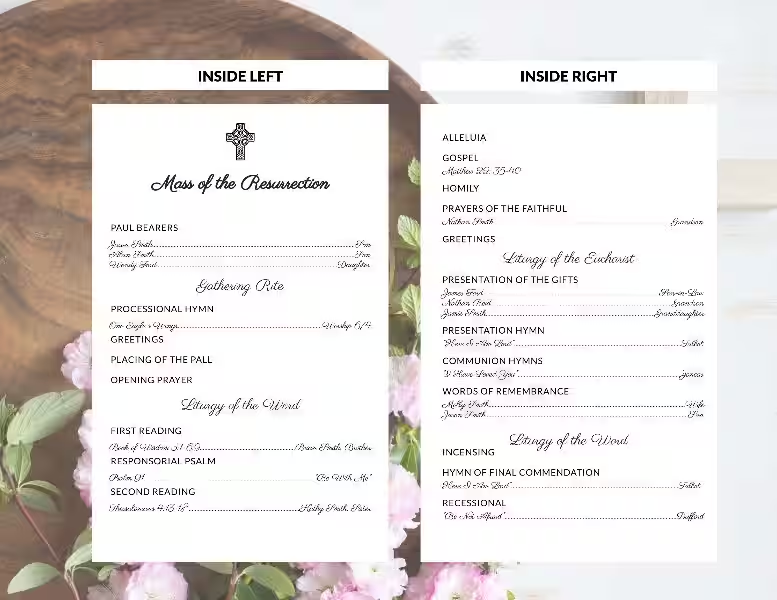
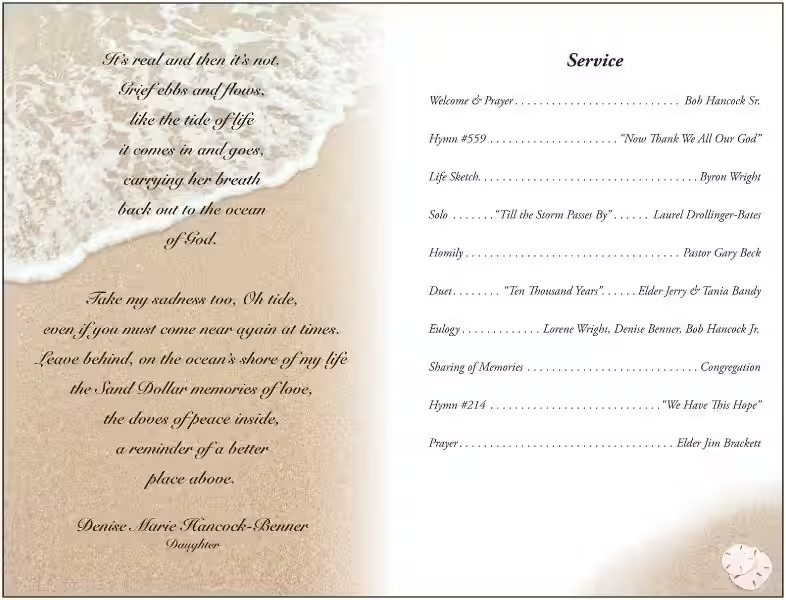
Order of Service: This is the backbone of the funeral Mass program, detailing each part of the liturgy. It will typically outline:
Entrance Procession and Hymn: The gathering of the clergy and the congregation.
Opening Prayer: The initial invocation.
Liturgy of the Word: This includes the First Reading, Responsorial Psalm, Second Reading, and the Gospel Reading. Often, the names of the readers are included here, acknowledging their role.
Homily: The priest’s reflection, often drawing from the readings and the life of the deceased.
Liturgy of the Eucharist: This involves the Presentation of Gifts, the Eucharistic Prayer, and Communion.
Concluding Rites: Including the Final Commendation (a prayer for the soul’s journey to God) and the Recessional.
Hymns and Music Selections: The chosen hymns are often deeply personal, reflecting the faith and preferences of the deceased or their family. Listing these allows everyone to sing along and participate fully.
Prayer Intentions: This is a space to offer specific prayers for the deceased, their family, and friends, fostering a sense of shared spiritual support.
Pallbearers and Honorary Pallbearers: Acknowledging those who will carry the casket is a traditional and respectful element within the funeral Mass program.
Acknowledgements and Thank You: Some families choose to include a brief note of gratitude to those who have offered support.
Consider the readings chosen for the Mass. These are not arbitrary; they are specifically selected to offer comfort and a message of hope, often speaking of resurrection and eternal life. The funeral Mass program ensures attendees are aware of these powerful scriptural passages, allowing them to meditate on their meaning.
The music chosen also plays a vital role. A hymn like “Amazing Grace” can evoke deep emotions and a sense of peace, while a more contemporary Christian song might resonate with a younger generation. Including these selections in the funeral Mass program allows everyone to join in the musical offering, adding another layer of participation and remembrance.
Personalizing Your Funeral Mass Program: A Touch of Individuality
While the structure of a funeral Mass program is largely dictated by liturgical tradition, there is ample room for personalization. This is where you can truly infuse the program with the spirit of your loved one. Think about what made them unique, what brought them joy, and what values they held dear.
For instance, if your loved one had a particular devotion to Saint Francis of Assisi, you might choose to include his iconic prayer for peace within the program. Or, if they were an avid gardener, a subtle floral motif or a quote about nature could be incorporated into the design. These small touches transform a standard template into a deeply personal tribute, making the funeral Mass program a reflection of a life beautifully lived.
Incorporating Personal Touches and Meaningful Content
Beyond the standard liturgical elements, consider adding a section for obituary details or a short eulogy summary. This provides a concise overview of their life’s journey and accomplishments, allowing those who may not have known them intimately to gain a deeper appreciation. A favorite poem or a passage from a beloved book can also be a powerful addition, offering a glimpse into their inner world and passions.
The visual design of the funeral Mass program can also be personalized. Perhaps your loved one had a favorite color, and you can incorporate that into the border or font. A small, meaningful image, such as a dove symbolizing peace or a cross representing faith, can also add a personal touch. The goal is to create a document that feels authentic and reflective of the individual, making the funeral Mass program a cherished memento of their legacy.
When selecting readings, think about what passages might have resonated with your loved one. Was there a particular psalm that offered them solace during difficult times? Did a Gospel story hold special meaning for them? Including these personal connections within the funeral Mass program can make the liturgy feel even more intimate and profoundly spiritual for those who knew them best. It’s about weaving their personal narrative into the sacred fabric of the Mass.
Navigating the Funeral Mass Program in Times of Grief
It’s important to acknowledge that creating a funeral Mass program occurs during a period of immense emotional vulnerability. The task can feel overwhelming, but remember that it’s a labor of love, and you don’t have to do it alone. Many funeral homes offer assistance with program design and printing, and family members can often share the responsibilities of selecting readings, hymns, and personal touches.
Having a clear funeral Mass program can also provide a sense of order and control in a situation that often feels chaotic. The familiar structure of the Mass, guided by the program, can be a source of comfort and stability. It allows attendees to focus on prayer and remembrance, rather than being distracted by logistical uncertainties. This structured approach within the funeral Mass program is designed to be a gentle guide through a difficult rite of passage.
Practical Tips for Families Creating a Funeral Mass Program
When you begin the process of creating a funeral Mass program, here are some practical tips to keep in mind:
Start Early: If possible, begin thinking about the program content as soon as arrangements are being made. This reduces last-minute stress.
Consult with Your Funeral Director: They are experienced in this process and can provide templates, guidance, and printing services.
Involve Family Members: Delegate tasks like choosing readings, hymns, or personal anecdotes. This distributes the workload and fosters shared grieving.
Proofread Carefully: Ensure all names, dates, and text are accurate. A final review by multiple people is recommended.
Consider the Audience: While personalizing the program, remember it’s for a diverse group of mourners. Keep the language accessible and the tone respectful.
Photographs: A cherished photograph of the deceased can be a beautiful addition to the funeral Mass program, often placed on the cover or inside.
The funeral Mass program is not about perfection; it’s about intention and love. The act of carefully curating the details, from the selection of scripture to the choice of a meaningful hymn, is a profound way to honor your loved one’s memory. It’s a final, loving act of service, offering solace and spiritual nourishment to all who participate in the funeral Mass program.
Ultimately, the funeral Mass program is a testament to the enduring power of faith and love. It guides mourners through a sacred rite, providing comfort, remembrance, and a hopeful glimpse of eternal life. By understanding its purpose and embracing its potential for personalization, families can create a funeral Mass program that truly honors their loved one and offers a lasting legacy of faith for generations to come.
Frequently Asked Questions: Funeral Mass Program & Religion
What is a funeral Mass program?
A funeral Mass program, also known as a bulletin or order of service, is a booklet distributed to attendees at a funeral Mass. It typically outlines the order of the liturgy, including readings, prayers, hymns, and the homily, and often includes biographical information about the deceased, a picture, and names of family members.
What is the purpose of a funeral Mass program?
The program serves as a guide for mourners during the funeral Mass, helping them follow along with the service and participate in prayers and responses. It also acts as a memorial keepsake, providing a tangible reminder of the deceased and the liturgy celebrated in their honor.
Is a funeral Mass program required by all religions?
No, a funeral Mass program is not a requirement for all religions. Its use is most common in traditions that have a structured liturgy, such as Catholicism, Anglicanism, and some other Christian denominations. Other religions may have different customs and practices for memorial services that do not involve printed programs.
What religious elements are typically included in a funeral Mass program?
Common religious elements include:
* Opening prayers: Prayers said at the beginning of the Mass.
* Scripture readings: Passages from the Bible relevant to death, resurrection, and comfort.
* Responsorial Psalm: A psalm sung or recited between readings.
* Gospel reading: A passage from the Gospels.
* Homily/Eulogy: A sermon or reflection, often given by the priest or a designated speaker, focusing on the deceased’s life and faith.
* Prayers of the Faithful: Petitions or intercessions for the deceased, their family, and the community.
* Eucharist: The Holy Communion, a central part of Catholic and some other Christian liturgies.
* Commendation and Farewell: Prayers at the end of the Mass asking for God’s mercy for the deceased and offering a final farewell.
* Hymns and songs: Music chosen for its spiritual significance or to honor the deceased.
Can non-religious or secular information be included in a funeral Mass program?
Yes, while the Mass itself is a religious service, funeral Mass programs often incorporate secular elements. This can include a brief biography of the deceased, memories or anecdotes, a favorite poem or quote, and a list of surviving family members. The balance between religious and secular content is usually a decision made by the family.
Who is responsible for creating the funeral Mass program?
Typically, the immediate family of the deceased, in consultation with the funeral director and the clergy officiating the Mass, is responsible for creating the funeral Mass program. They will decide on the content, design, and number of copies needed.
How much lead time is needed to create a funeral Mass program?
It’s advisable to start the process as soon as possible after the funeral arrangements are made. The funeral director can often provide templates and guidance. Ideally, a draft should be reviewed by the family and clergy a few days before the service to allow for any necessary revisions and printing.