The passing of a loved one is an experience shrouded in profound grief, a time when the familiar landscape of life shifts irrevocably. Amidst the sorrow, many find solace and structure in the ancient traditions of the Roman Catholic Church. The Roman Catholic funeral rites offer a sacred pathway through mourning, providing not only a dignified farewell but also a profound affirmation of faith and hope in the resurrection. These rites are more than just ceremonies; they are a testament to a deeply held belief in eternal life and the enduring power of God’s love, even in the face of death.
For those unfamiliar with the specifics, the Roman Catholic funeral rites can seem intricate, but at their core, they are designed to guide the bereaved, honor the deceased, and celebrate the Christian journey. They are a vital part of the Church’s pastoral care, offering comfort and spiritual support to families navigating one of life’s most challenging transitions. Understanding these rites can demystify the process for those who are preparing for a funeral, whether their own or that of a loved one, empowering them with knowledge and a sense of peace.
The Liturgical Journey: A Celebration of Life and Hope
The Roman Catholic funeral rites are fundamentally liturgical, deeply rooted in the prayers and sacraments of the Church. They are not simply about mourning a loss, but about celebrating a life lived in Christ and entrusting that soul to God’s eternal embrace. The Church views death not as an end, but as a transition, a doorway to eternal life. This perspective shapes the tone and content of every prayer, reading, and action within the funeral liturgy.
There are typically three stages within the Roman Catholic funeral rites. While variations exist based on local customs and family preferences, these core components provide a consistent framework. These stages are designed to acknowledge the earthly loss, offer prayers for the deceased’s soul, and ultimately, celebrate the hope of resurrection and eternal life with God. This structured approach allows for both personal grieving and communal prayer, fostering a supportive environment for all involved.
Stage 1: The Vigil for the Deceased (Wake Service)
Often held on the evening before the funeral Mass, the Vigil for the Deceased, commonly known as the wake service, serves as a crucial period of prayer and remembrance. This gathering allows family and friends to come together in a less formal setting, sharing memories and offering mutual support. It is a time to acknowledge the reality of the death and to begin the process of commending the departed soul to God’s mercy.
During the vigil, scripture readings are chosen to offer comfort and hope, often focusing on themes of God’s love, the promise of heaven, and the resurrection. The Rosary is frequently prayed, a contemplative prayer that meditates on the life of Jesus Christ through the eyes of his mother, Mary. This communal prayer is a powerful way for the family to feel the presence of their faith community. The Roman Catholic funeral rites at this stage emphasize prayer for the departed, seeking God’s forgiveness and peace for their soul. It’s a time for reflection, where stories are shared, tears are shed, and where the Roman Catholic funeral rites begin to offer a framework for navigating profound sadness.
Stage 2: The Funeral Mass (Mass of Christian Burial)
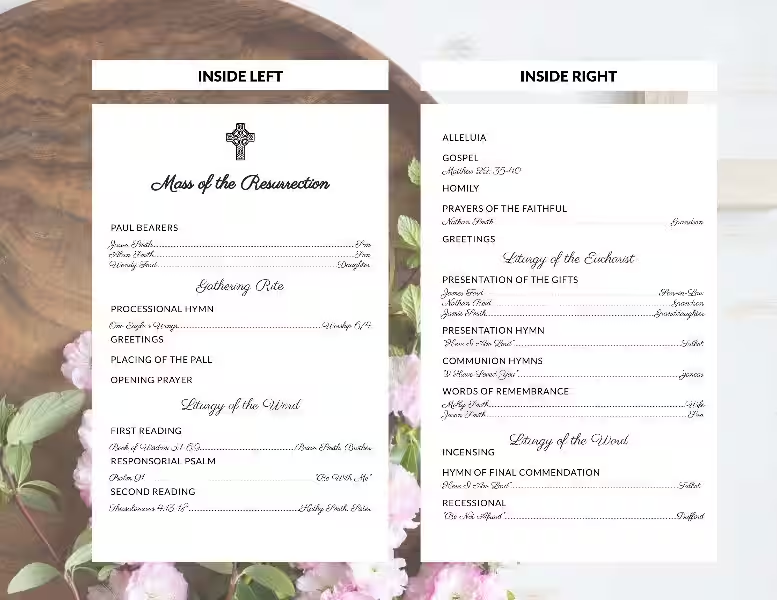
The heart of the Roman Catholic funeral rites is the Funeral Mass, also known as the Mass of Christian Burial. This is the most significant liturgical celebration, where the community gathers to offer sacrifice and praise to God, praying for the soul of the deceased and celebrating their resurrection in Christ. The Mass provides a spiritual anchor during a time of intense emotional turmoil, reminding everyone of their shared faith and the ultimate victory over death.
Key elements of the Funeral Mass include the Introductory Rites, where the priest welcomes the mourners and sets the tone for prayer; the Liturgy of the Word, featuring scripture readings that speak of God’s love and the hope of eternal life; the Liturgy of the Eucharist, where the sacrifice of Christ is re-presented, symbolizing our own participation in his death and resurrection; and the Concluding Rites, which include the final commendation and farewell. Throughout the Mass, prayers are offered for the departed, asking for God’s mercy and the grace of eternal life. The Roman Catholic funeral rites at this solemn occasion offer a beautiful, albeit tearful, testament to a life of faith, and the enduring belief in God’s promise of salvation. The choice of readings, hymns, and prayers are often personalized, reflecting the life and faith of the deceased, making the Roman Catholic funeral rites a deeply meaningful experience for those who attend.
Following the Funeral Mass, the Roman Catholic funeral rites continue with the Rite of Committal, taking place at the cemetery or place of burial. This final rite signifies the earthly departure and entrusts the body of the deceased to its resting place, with the confident hope of resurrection. It is a solemn yet hopeful conclusion to the liturgical journey, marking the physical separation but reinforcing the spiritual connection that remains.
At the graveside, prayers are offered that reflect the belief in the resurrection of the body and the hope of eternal life. The priest may sprinkle the casket with holy water, a symbol of baptism and the cleansing power of Christ’s sacrifice. The Roman Catholic funeral rites here emphasize the communion of saints, the connection between those on earth, those in purgatory, and those in heaven. It is a powerful moment of physical closure, where the Roman Catholic funeral rites provide a tangible end to the earthly journey while reaffirming an everlasting spiritual one, offering a sense of peace and finality grounded in faith.
Finding Comfort and Guidance in Catholic Funeral Traditions
The Roman Catholic funeral rites are more than just a sequence of prayers and rituals; they are a profound expression of the Church’s pastoral heart. They offer a structured yet compassionate approach to grief, providing a sense of continuity and purpose during a time of immense personal loss. Understanding these rites can alleviate anxieties and empower families to participate meaningfully in honoring their loved ones.
For families who are members of the Catholic Church, these rites provide a familiar and comforting framework. For those who are less familiar, seeking guidance from the parish priest or funeral director is highly recommended. They can explain the nuances, assist with the selection of readings and music, and ensure that the Roman Catholic funeral rites are celebrated in a way that is both personally meaningful and liturgically appropriate. The Church’s commitment to accompanying the bereaved through this difficult period is a cornerstone of its ministry, offering a beacon of hope and a reminder of God’s unwavering love.
Frequently Asked Questions: Roman Catholic Funeral Rites
What are the main stages of a Roman Catholic funeral?
The Roman Catholic funeral rite typically consists of three main parts: the vigil service (wake), the funeral Mass, and the committal service at the cemetery.
What is the purpose of a vigil service?
The vigil service is a time for prayer, remembrance, and an opportunity for the community to gather and support the grieving family. Scripture readings, hymns, and reflections on the deceased’s life are often shared.
The funeral Mass is the central liturgy of the Catholic funeral. It is a Mass of Christian burial, offering prayers for the deceased’s soul and commending them to God’s mercy. The Mass includes scripture readings, a homily, prayers of intercession, and the Eucharist.
What is the significance of the Eucharist in a funeral Mass?
The Eucharist (Holy Communion) is a central part of the funeral Mass, symbolizing the union of the deceased with Christ and the hope of resurrection. Receiving Communion signifies faith in Christ’s promises of eternal life.
What is the committal service?
The committal service takes place at the place of burial or cremation. It is a final prayer of farewell, entrusting the deceased’s body to its resting place and reaffirming belief in the resurrection of the body. Blessings of the grave or ashes may occur.
Can cremation be part of a Catholic funeral?
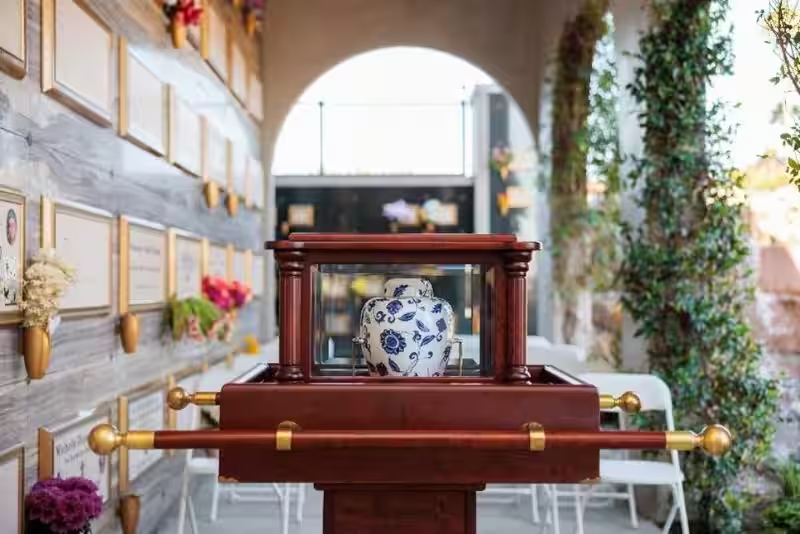
Yes, the Catholic Church permits cremation, provided it is not done in a way that denies the resurrection of the body. The ashes are to be treated with respect and are often interred in a grave or columbarium.
What is the role of the priest or deacon?
A priest or deacon typically presides over the funeral rites, offering spiritual guidance, celebrating the Mass, and leading prayers for the deceased and the family.
What are the common prayers or readings at a Catholic funeral?
Common readings often come from the Old and New Testaments, with themes of hope, resurrection, and God’s love. Prayers of intercession are offered for the deceased, their family, and all those who mourn.
Is it required to have a Mass for a Catholic funeral?
While a funeral Mass is the norm and highly encouraged, in certain circumstances, a Liturgy of the Word service without a Mass may be celebrated. However, the Church strongly recommends the funeral Mass.
What are the key themes of Catholic funeral rites?
The core themes are prayer for the deceased, comfort for the grieving, hope in the resurrection, and the celebration of God’s mercy and love.