Exams loom, deadlines press, and the weight of academic expectation can feel overwhelming. In these moments of heightened stress, many students and individuals find solace and strength in a practice as old as civilization itself: prayer. Specifically, a before-test prayer can serve as a powerful tool, not just for seeking divine intervention, but for cultivating a mindset that fosters success. This isn’t about magically acing a test without effort; it’s about harnessing the spiritual and psychological benefits of faith to prepare your mind and heart for the challenge ahead.
Religion offers a rich tapestry of traditions and beliefs, and within this, the act of prayer before a significant undertaking like an exam is a common thread. It’s a moment to pause, to connect with a higher power, and to imbue yourself with a sense of peace that transcends the immediate anxieties of the situation. This article will explore the multifaceted benefits of engaging in a before-test prayer, offering practical insights and relatable examples to help you integrate this practice into your study routine.
Understanding the ‘Why’ Behind a Before-Test Prayer
The impulse to pray before a test isn’t solely about hoping for a miracle. From a psychological perspective, it offers several key advantages. Firstly, it provides a structured opportunity for mindfulness and reflection. In our fast-paced lives, taking a dedicated moment to quiet the internal chatter and focus your thoughts can be incredibly restorative. This pause helps to break the cycle of anxious rumination that often accompanies test preparation.
Secondly, a before-test prayer can foster a sense of control and agency, paradoxically by surrendering to a higher power. When you feel overwhelmed by factors beyond your direct control – the difficulty of the questions, the fairness of the grading, the sheer volume of material – turning to prayer can reframe your perspective. It allows you to acknowledge your efforts and then entrust the outcome, thereby reducing the debilitating effects of performance anxiety. Think of it like a surgeon performing a complex operation; they prepare meticulously, but they also rely on their training and, for many, a quiet moment of prayer to steady their hands and focus their mind.
Cultivating a Calm and Focused Mindset
The mental state you bring into an exam room can significantly impact your performance. A mind plagued by worry and self-doubt is a cluttered mind, making it difficult to recall information or think clearly. A before-test prayer acts as a powerful mental reset button. It’s an invitation to release the anxieties about failure and instead focus on the present moment and the task at hand. Many find that reciting a specific prayer, or even just silently centering themselves, helps to calm their racing heart and quiet the nagging “what ifs.”
This calming effect is not merely anecdotal. Research in psychology and neuroscience suggests that prayer and meditation can activate areas of the brain associated with relaxation and stress reduction, such as the prefrontal cortex. By engaging in a before-test prayer, you are effectively engaging in a form of spiritual and mental preparation that can lead to a more composed and focused experience during the exam itself. This could be as simple as a silent plea for clarity, or a more structured prayer asking for the ability to recall what you have learned. For example, a student who has studied diligently might offer a prayer not for an easy test, but for the ability to access the knowledge they possess when it’s needed most.
Beyond immediate calmness, a before-test prayer can be a potent source of renewed confidence. It’s an affirmation of your efforts and a declaration of trust in your preparation. When you’ve invested hours into studying, reviewing notes, and practicing problems, prayer can serve as a spiritual validation of that hard work. It’s like a coach giving a pep talk before a big game, but with a divine dimension. This boost in confidence can translate directly into a more positive approach to tackling exam questions.
Furthermore, prayer fosters a sense of trust – trust in yourself, trust in your preparation, and trust in a power greater than yourself. This isn’t about a passive reliance; it’s an active surrender of the outcomes you cannot fully control. For instance, a student grappling with a particularly challenging subject might offer a before-test prayer acknowledging their struggle and asking for the strength to persevere and the wisdom to apply what they’ve learned to the best of their ability. This kind of prayer acknowledges limitations while simultaneously building inner fortitude.
How to Incorporate a Before-Test Prayer into Your Routine
Integrating a before-test prayer into your life doesn’t require elaborate rituals or lengthy recitations. The beauty of this practice lies in its adaptability and personal nature. What matters most is sincerity and intention. It can be a few quiet moments before you open your textbook, a short verse recited as you walk to the exam hall, or a more structured prayer offered in a quiet space beforehand. The key is to make it a consistent part of your pre-exam routine.
Here are some ways to cultivate this practice:
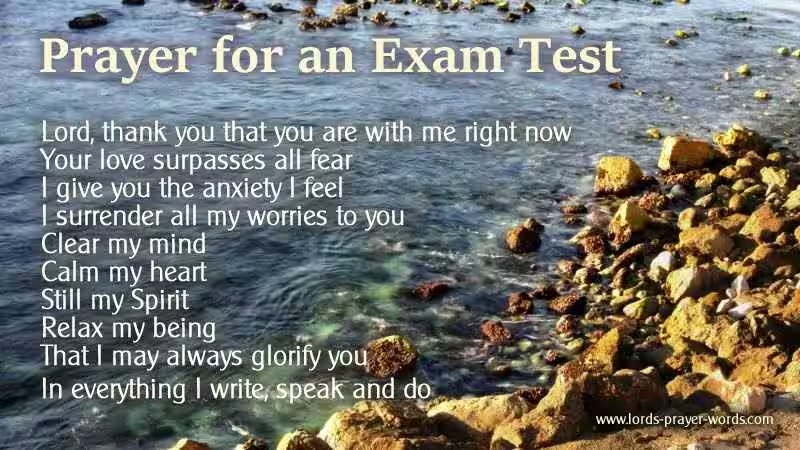
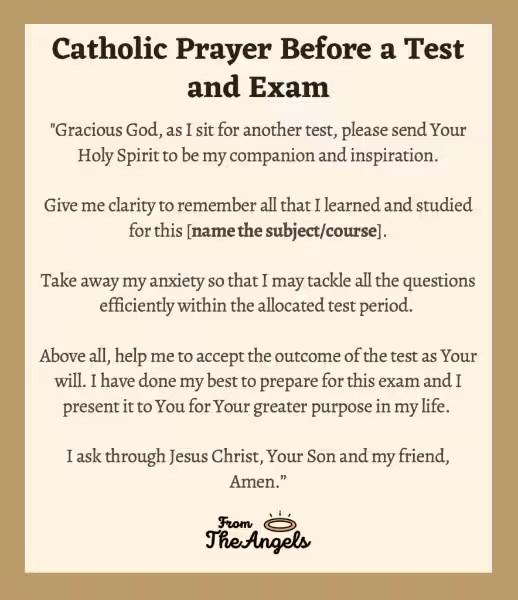
Personalize your prayer: While traditional prayers exist across various religions, consider crafting your own. Focus on what you need most: clarity, focus, peace, or the ability to recall information. For example, a simple prayer could be: “Dear [Higher Power], I have studied hard for this test. Please grant me a calm mind, the ability to recall what I have learned, and the wisdom to answer each question to the best of my ability. Amen.”
Find a quiet space: Before the exam begins, find a corner of the library, a quiet spot outdoors, or even your own mind to offer your prayer. This dedicated space, however brief, signals to your brain that it’s time to shift focus.
Integrate it with existing routines: If you usually listen to music before an exam, try listening to calming, spiritual music, followed by a short prayer. Or, if you always drink a glass of water, make it a habit to offer a silent before-test prayer while you do.
Focus on gratitude: Alongside your requests, consider including a moment of gratitude for the opportunity to learn, for your teachers, and for the knowledge you have acquired. This shifts the focus from fear to appreciation.
The effectiveness of a before-test prayer is deeply rooted in the individual’s faith and personal connection. For some, it might be a formal invocation from their religious tradition. For others, it’s a more informal, heartfelt conversation with the divine. Regardless of the specific form, the underlying purpose is to create a sacred pause, a moment of spiritual fortification that can significantly influence one’s mental and emotional state leading up to and during the examination period.
Examples of Before-Test Prayers Across Different Traditions
While the core intention of seeking peace and clarity remains universal, the specific language and structure of a before-test prayer can vary significantly across different religious and spiritual traditions. Understanding these variations can offer a broader perspective on the practice and help individuals find a prayer that resonates with their personal beliefs.
For example, a Christian might offer something akin to: “Heavenly Father, I come before you seeking your guidance and wisdom as I take this test. Grant me a clear mind, a steady hand, and the ability to recall all that I have studied. Help me to remain calm and focused, and to do my best. In Jesus’ name, Amen.” In contrast, a Muslim might recite a prayer for ease and understanding, such as a variation of “Rabb yassir wa la tu’assir, Rabbi tammim bil khair” (My Lord, make it easy and do not make it difficult; my Lord, complete it for good). A Buddhist might engage in a period of mindful meditation, focusing on cultivating equanimity and clarity of mind, perhaps with a silent affirmation like, “May my mind be clear and my focus sharp.” Even in more secular contexts, individuals might engage in a moment of quiet reflection, focusing on their intentions and visualizing success, which shares many of the same psychological benefits as a formal before-test prayer.
Beyond the Exam: Lasting Benefits of Regular Prayer
The benefits of a before-test prayer extend far beyond the immediate outcome of a single exam. Regularly incorporating prayer into your life, especially during periods of academic pressure, can foster a more resilient and balanced approach to challenges. It cultivates a habit of seeking inner peace and strength, which can be invaluable not only in academic pursuits but in all facets of life.
This consistent practice can lead to profound shifts in your overall well-being. You might find yourself better equipped to handle stress, more optimistic in the face of adversity, and more connected to your inner self and your spiritual community. The before-test prayer, then, becomes more than just a quick fix for exam anxiety; it’s a gateway to a deeper, more sustained sense of spiritual and emotional strength that can support you through countless future challenges. It’s about building character and inner fortitude, one prayer at a time.
Frequently Asked Questions: Before Test Prayer
What is a before test prayer?
A before test prayer is a personal or communal supplication made to a divine power or higher being before undertaking an examination. It is a way for individuals to seek guidance, strength, clarity, and peace of mind during a potentially stressful academic event.
While the specific terminology and rituals may vary, the practice of seeking divine assistance before important endeavors, including academic tests, is found in many religious traditions worldwide. This includes, but is not limited to:
Christianity: Many Christians may offer personal prayers for wisdom and calmness before a test, sometimes reciting verses from the Bible that speak of God’s guidance.
Islam: Muslims often engage in Du’a (supplication) before tests, asking Allah for success and ease. They might also recite specific verses or prayers for knowledge.
Judaism: Jewish students may pray for understanding and knowledge, perhaps reciting Tefillah (prayer) or verses from the Torah.
Hinduism: Hindus might offer prayers to deities associated with knowledge and learning, such as Saraswati, seeking her blessings for success in their studies.
Buddhism: While not always framed as prayer in the same way as other religions, Buddhists may engage in meditation or mindful reflection before a test, cultivating focus and a calm state of mind, sometimes accompanied by mantras or aspirations for clarity.
Sikhism: Sikhs may offer Ardas (a Sikh prayer) seeking divine intervention and strength before facing challenges like exams.
When should I offer a before test prayer?
A before test prayer can be offered at various times:
* The night before the test.
* Shortly before entering the examination hall.
* During a quiet moment just before the test begins.
* After receiving the test paper, before starting to answer.
What are the benefits of a before test prayer?
Beyond religious fulfillment, a before test prayer can offer psychological benefits such as:
* Reducing anxiety and stress.
* Increasing confidence and self-assurance.
* Promoting a sense of calm and focus.
* Providing a feeling of support and not being alone.
* Encouraging a positive mindset towards the test and academic challenges.
Are there specific prayers or verses recommended for before a test?
Many religious traditions have specific prayers, verses, or scriptures that are considered beneficial for seeking knowledge, wisdom, and clarity. It is often recommended to research prayers or verses within your own faith tradition that resonate with you and relate to academic pursuits or overcoming challenges. For example, in Christianity, verses like Philippians 4:6-7 about not being anxious and in Islam, verses from the Quran about seeking knowledge are often cited.
Can I pray with others before a test?
Yes, praying with others before a test is common in many religious settings. This can be a group prayer, a shared moment of reflection, or a communal supplication led by a religious leader or fellow student. Such shared prayers can foster a sense of community and mutual support.