The question, “Can you visit St. Peter’s Tomb?” resonates with millions, a whisper of pilgrimage and profound historical significance. For many, it’s more than just a tourist attraction; it’s a deep-seated yearning to connect with a foundational figure of Christianity, to stand on ground hallowed by centuries of faith. This desire often stems from a desire to touch the tangible remnants of religious history, to feel the weight of devotion that has flowed to this sacred spot for millennia.
The allure of St. Peter’s Tomb is undeniable, drawing believers and history enthusiasts alike to the heart of Vatican City. The prospect of a personal encounter with such a pivotal site can be a powerful motivator for travel, sparking planning and anticipation for what promises to be an unforgettable spiritual and historical experience. The very act of contemplating the journey can be a form of devotion in itself, a mental preparation for a sacred encounter.
Saint Peter, originally named Simon, was one of Jesus Christ’s twelve apostles and is considered by many to be the first Pope. His transformation from a simple fisherman to a pivotal leader in the early Christian church is a testament to his faith and dedication. His role in spreading the teachings of Jesus and establishing the foundational structures of the nascent Christian community is central to the narrative of Western religion.
Peter’s unwavering commitment, even in the face of persecution, solidified his position as a cornerstone of the early church. His martyrdom in Rome, according to tradition, under the Emperor Nero, makes his final resting place one of the most revered sites in Christendom. This historical narrative fuels the profound desire to know, “Can you visit St. Peter’s Tomb?” and to experience that connection firsthand.
The Discovery and Reverence of the Tomb
The journey to confirm the location of St. Peter’s tomb is a fascinating tale of archaeological discovery and unwavering faith. For centuries, the exact burial site remained a matter of devotion and tradition, with the faithful gathering at the site of the Vatican Necropolis. It wasn’t until the 20th century that rigorous archaeological excavations, initiated by Pope Pius XII in the 1940s, began to yield compelling evidence.
These excavations, a painstaking process of digging through layer upon layer of history, uncovered a burial niche and a tombstone bearing an inscription believed to be an early Christian acclamation of Peter. This discovery lent significant weight to the tradition that the Apostle Peter was indeed buried beneath the Basilica. The meticulous work of archaeologists and historians, supported by the persistent faith of believers, has solidified the belief in the authenticity of the tomb.
Navigating Your Visit to St. Peter’s Basilica
The question of “Can you visit St. Peter’s Tomb?” is answered with a resounding yes, with the understanding that the tomb is located within the Vatican Grottoes beneath the magnificent St. Peter’s Basilica. The experience of visiting is not a simple walk-up affair; it involves a journey through layers of history and devotion.
Access to the Grottoes is typically managed to preserve the sacredness and integrity of the site. Visitors are often part of guided tours or can request special access. It’s important to be aware of the protocols and dress codes, as this is a profoundly religious space. Respect and reverence are paramount when embarking on this pilgrimage.
Practicalities and Planning Your Pilgrimage
To answer the question of “Can you visit St. Peter’s Tomb?” practically, planning is essential. The Vatican Grottoes are accessible through St. Peter’s Basilica itself. Visitors usually enter the Basilica first, and then descend to the Grottoes. It’s advisable to check the official Vatican website or consult with your tour operator for the most up-to-date information on access, opening hours, and any required reservations.
Consider the time of year you plan to visit. During peak tourist seasons, crowds can be substantial, which might affect waiting times. For a more contemplative experience, consider visiting during the shoulder seasons. Dress modestly, as the Vatican adheres to strict dress codes; this means covering shoulders and knees. This is not just about rules; it’s about showing respect for a sacred place.
Descending into the Vatican Grottoes is a profound experience, stepping back in time to a place of immense spiritual weight. The Grottoes are essentially the ancient necropolis beneath the Basilica, a labyrinth of tombs and mausoleums from the Roman era, with St. Peter’s tomb at its heart. The atmosphere is hushed, reverent, and charged with centuries of prayer and devotion.
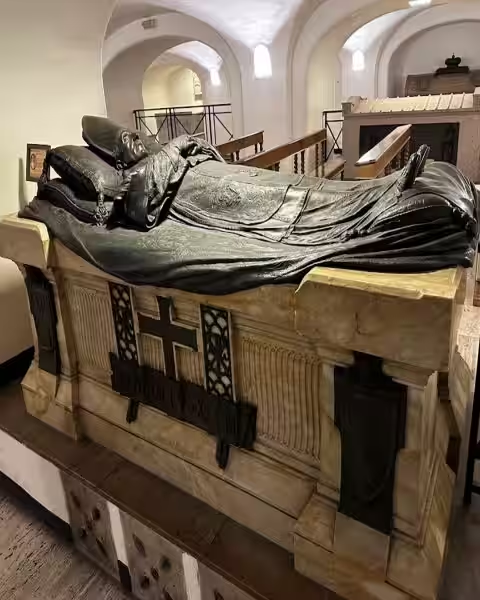
Within the Grottoes, you’ll find the Tomb of the Popes, a section where many pontiffs are buried. The focal point, however, is the Confessio, the area directly above St. Peter’s tomb, adorned with an altar. The sheer density of history and the palpable sense of faith surrounding the tomb make this an unforgettable part of the answer to “Can you visit St. Peter’s Tomb?“
What to Expect During Your Visit
When you finally stand before or near the area believed to be St. Peter’s Tomb, the feeling can be overwhelming. You are in the presence of a site that has been a focal point of Christian pilgrimage for nearly two millennia. While direct physical contact with the tomb itself might be restricted for preservation purposes, the opportunity to pray, reflect, and bear witness is deeply moving.
Take your time to absorb the surroundings, the ancient inscriptions, the artistry, and the quiet devotion of fellow visitors. It’s a place for introspection, for connecting with your own faith or simply with the vast sweep of human history and belief. The experience of “Can you visit St. Peter’s Tomb?” is not just about seeing; it’s about feeling and understanding.
Beyond the Tomb: The Grandeur of St. Peter’s Basilica
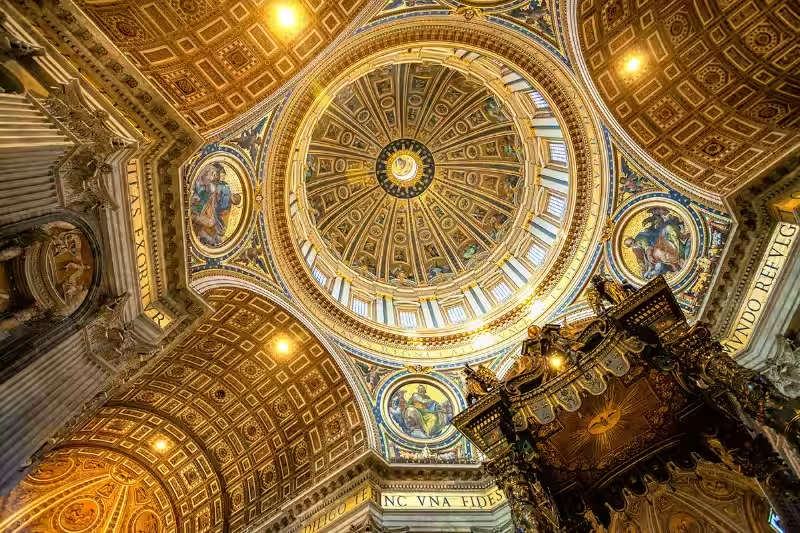
While the question “Can you visit St. Peter’s Tomb?” is a primary driver for many, the entire St. Peter’s Basilica is a masterpiece of art, architecture, and faith. Even before descending to the Grottoes, the Basilica itself is an awe-inspiring structure. Its sheer scale is breathtaking, designed to accommodate vast congregations and inspire profound worship.
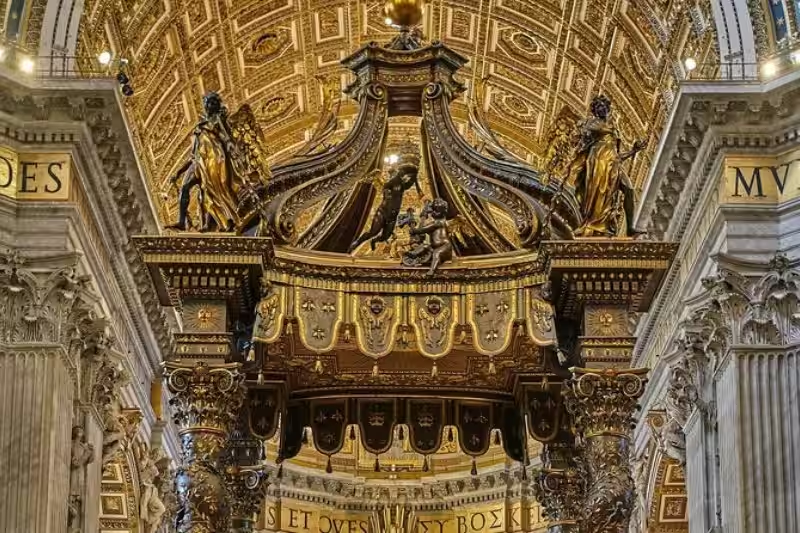
The Basilica is home to some of the most iconic works of art in the world, including Michelangelo’s Pietà and Bernini’s Baldacchino, which stands directly over the papal altar, itself situated above the presumed tomb. The beauty and grandeur are intended to elevate the spirit and remind visitors of the divine.
A Space of Worship and Wonder
St. Peter’s Basilica is not just a historical monument; it remains a living, breathing center of Catholic worship. Daily Masses and other liturgical services are held, offering visitors an opportunity to participate in the ongoing tradition. The ability to witness or partake in these services adds another dimension to the experience of being in such a sacred space.
For those who have asked, “Can you visit St. Peter’s Tomb?” and have done so, they often find that the entire experience, from the vastness of the Basilica to the quiet reverence of the Grottoes, contributes to a profound sense of connection and spiritual fulfillment. It’s a journey that transcends mere sightseeing, offering a glimpse into the heart of a faith that has shaped the world.
Frequently Asked Questions: Visiting St. Peter’s Tomb
Can I visit St. Peter’s Tomb?
Yes, it is possible to visit the tomb of St. Peter. The tomb is located directly beneath the altar in St. Peter’s Basilica in Vatican City. Access to the tomb itself is through a guided tour of the Scavi excavations beneath the basilica.
What is the religion associated with St. Peter’s Tomb?
St. Peter’s Tomb is a central site for the Catholic Church. St. Peter is considered the first Pope and a foundational figure in Christianity. The Catholic faith holds that he was martyred in Rome and buried on the site where St. Peter’s Basilica now stands. Therefore, visiting the tomb is a pilgrimage for many Catholics who venerate him as the “Prince of the Apostles.”