The hum of modern life often feels like a runaway train, pulling us forward at a relentless pace. Deadlines loom, notifications ping, and our calendars are a kaleidoscope of appointments and obligations. Yet, for many, there’s a yearning for something more – a deeper rhythm, a sacred cadence that anchors the soul amidst the chaos. This is where the beauty and profound significance of the TradCatholic calendar truly shine. It’s not just a list of dates; it’s a meticulously crafted tapestry of spiritual seasons, feasts, and fasts that guides believers through the liturgical year, fostering a rich and immersive faith experience.
Understanding the TradCatholic calendar is like unlocking a secret language of devotion, a way to live out the Church’s teachings not just in theory, but in the lived reality of our days. It’s a calendar that has weathered centuries, preserving the traditional liturgical practices and observances that have nourished countless souls. This ancient rhythm offers a powerful antidote to the superficiality that can sometimes creep into our spiritual lives, providing a framework for consistent growth, deeper prayer, and a more profound connection to the mysteries of our faith.
The Heartbeat of Tradition: Why the TradCatholic Calendar Matters
The TradCatholic calendar is more than just a different way of marking time; it represents a commitment to the historical and theological richness of the Catholic faith. It’s a living testament to the unchanging truths that have been passed down since the time of the Apostles. Unlike the Novus Ordo calendar, which saw significant changes after Vatican II, the TradCatholic calendar adheres to the older rite, often referred to as the Traditional Latin Mass calendar. This allows for a consistent engagement with a specific set of saints, feasts, and liturgical practices that have a well-established spiritual legacy.
This dedication to tradition isn’t about nostalgia; it’s about continuity and fidelity. For those who find their spiritual home in the Traditional Latin Mass, the accompanying TradCatholic calendar is an integral part of their devotional life. It provides a predictable and familiar pattern for prayer, fasting, and celebration, enabling a deeper immersion in the Church’s timeless teachings. Think of it like a well-loved family recipe; while new dishes can be wonderful, there’s a comfort and a profound connection to the past in preparing and sharing something that has been perfected over generations.
Navigating the Seasons: A Journey Through the Liturgical Year
The TradCatholic calendar is structured around distinct liturgical seasons, each with its own unique character, theological focus, and penitential or celebratory tone. These seasons guide the faithful through the life of Christ and the history of salvation, creating a cyclical journey of faith. Understanding these seasons is key to appreciating the depth and wisdom embedded within the TradCatholic calendar.
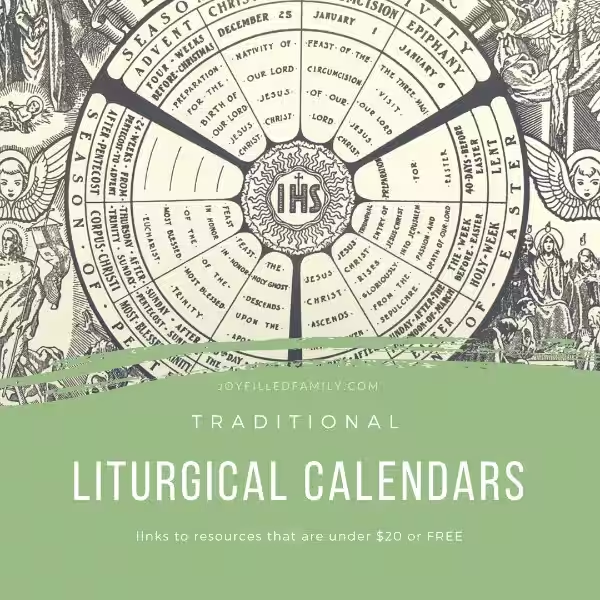
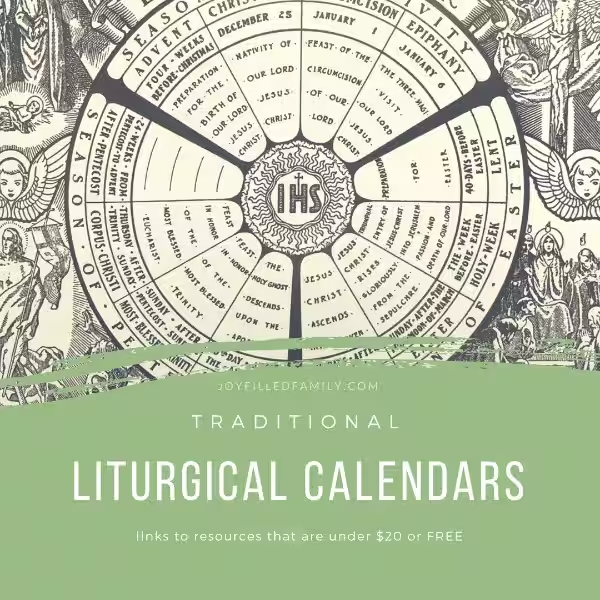
The year typically begins with Advent, a period of joyful anticipation and penance in preparation for the birth of Christ at Christmas. Following this, the Christmas season celebrates the Incarnation and continues until the Epiphany. Then comes the long season of Ordinary Time, punctuated by key feasts. Lent, a time of intense prayer, fasting, and almsgiving, precedes the Paschal Triduum and the glorious Easter season, which culminates in Pentecost. Finally, the remaining weeks of Ordinary Time lead us back towards the end of the liturgical year, often with a focus on Christ the King. Each of these seasons offers unique opportunities for spiritual growth and deeper reflection, all marked distinctly on the TradCatholic calendar.
Advent: The Quiet Dawn of Hope
Advent, which typically begins four Sundays before Christmas, is a season of patient waiting and hopeful anticipation. It’s a time when the Church encourages us to prepare our hearts for the coming of Christ, both in His historical coming as a baby and in His future coming in glory. The readings and prayers during Advent often focus on themes of prophecy, repentance, and the promise of a Savior. The color of the vestments is violet, a color of penance and preparation, underscoring the seriousness of our spiritual waiting.
During Advent, many faithful following the TradCatholic calendar might engage in specific practices like the Advent wreath, with its progressively lit candles symbolizing the growing light of Christ, or the “O Antiphons,” ancient prayers sung in the days leading up to Christmas that cry out for the Messiah. It’s a stark contrast to the commercial frenzy that often engulfs this time of year in secular society, offering a serene space for interior reflection and an awakening of our longing for spiritual fulfillment. For individuals and families, it’s a beautiful opportunity to slow down, pray more deliberately, and cultivate a spirit of joy and expectation in alignment with the sacred rhythm of the TradCatholic calendar.
Christmas and Epiphany: The Light of the World Revealed
The Christmas season is a jubilant affirmation of the Incarnation, the moment God became man. The TradCatholic calendar marks this as a period of immense joy, extending beyond just a single day. It is a time for celebrating the profound mystery of God’s love for humanity, made manifest in the humble birth of Jesus. The liturgical colors shift to white and gold, symbolizing purity, joy, and glory.
Following Christmas, the Epiphany on January 6th commemorates the manifestation of Christ to the Gentiles, often symbolized by the visit of the Magi. This feast within the TradCatholic calendar highlights the universality of Christ’s mission. The extended nature of the Christmas season encourages a sustained period of rejoicing, allowing the faithful to truly absorb and live out the significance of Christ’s birth and its implications for the world. It’s a powerful reminder that the light of Christ is meant for all nations.
Lent: The Crucible of Transformation
Lent, a forty-day period of intense spiritual discipline, is perhaps one of the most recognizable seasons on the TradCatholic calendar. Beginning with Ash Wednesday, it’s a time dedicated to penance, prayer, and fasting as we journey with Christ towards His Passion and Resurrection. The color violet returns, signifying repentance and sorrow for sins. This season calls believers to a deep examination of conscience and a renewed commitment to living a life pleasing to God.
The practices associated with Lent on the TradCatholic calendar are designed to foster spiritual growth and purification. Fasting and abstinence are central, not as arbitrary rules, but as disciplines that help us control our appetites and offer sacrifices for our sins and the sins of others. Increased prayer and almsgiving are also emphasized, encouraging us to turn our hearts more fully towards God and our neighbors in need. It’s a crucible where we are invited to shed the old and embrace the new, preparing ourselves for the profound victory of Easter.
Easter: The Triumph of Life
The Easter season is the pinnacle of the liturgical year, celebrating Christ’s glorious Resurrection from the dead. This period, beginning with the Easter Vigil and continuing for fifty days, is perhaps the most joyous and significant on the TradCatholic calendar. The liturgical colors are white and gold, radiating pure triumph and exultation. It is a time to meditate on the victory of Christ over sin and death, and the hope of eternal life it offers us.
The Easter Triduum, encompassing Holy Thursday, Good Friday, and Holy Saturday, forms the solemn prelude to this radiant season. On the TradCatholic calendar, these days are marked with profound liturgical services that recount the Passion, Death, and Burial of Christ. The subsequent Easter season is then a period of unadulterated celebration, a constant reminder of the new life we have received through Christ’s sacrifice and conquest. It is the foundation of our faith, the ultimate proof of God’s power and love.
Feasts and Fasts: Pillars of Devotion on the TradCatholic Calendar
Beyond the grand sweep of liturgical seasons, the TradCatholic calendar is punctuated by a rich array of feasts and fasts dedicated to Jesus, Mary, and the saints. These observances are not mere historical commemorations; they are living invitations to emulate the virtues and draw inspiration from the lives of those who have gone before us in faith. Each feast and fast on the TradCatholic calendar offers a unique opportunity to deepen our understanding and love for God.
These specific days serve as holy milestones, guiding us through different aspects of the Christian life and highlighting the communion of saints. By observing these feasts and fasts, we engage with the collective spiritual heritage of the Church, allowing the lives and examples of these holy men and women to illuminate our own path.
Saints’ Days: Emulating the Virtues of the Blessed
The TradCatholic calendar features numerous saints’ days, commemorating the lives and deaths of those who have achieved heroic virtue and are now in heaven. These are not just historical figures; they are our brothers and sisters in Christ, whose lives serve as powerful examples of faith, hope, and charity. From the Apostles to modern martyrs, each saint offers a unique lesson in how to live a life devoted to God.
For example, the feast of St. Joseph on March 19th offers a model of paternal love, quiet strength, and unwavering fidelity. The feast of St. Francis of Assisi on October 4th invites us to a deeper appreciation for God’s creation and a life of evangelical poverty. Engaging with these saints’ days on the TradCatholic calendar means more than just acknowledging a date; it’s an invitation to study their lives, pray their patronage, and strive to imitate their virtues in our own daily walk with Christ.
Fasting Days: Disciplines for the Soul
In addition to the penitential season of Lent, the TradCatholic calendar designates specific fasting and abstinence days throughout the year. These days, often observed on vigils of major feasts or on certain weekdays, serve as spiritual disciplines that help detach us from worldly comforts and strengthen our self-control. They are opportunities for penance, sacrifice, and a deeper reliance on God.
Examples include the Ember Days, which are days of fasting and prayer at the beginning of each season, and the Vigils of important feasts. Observing these fasting days on the TradCatholic calendar can be challenging in a world of abundance, but the spiritual rewards are immense. They remind us that true fulfillment is found not in indulgence, but in our relationship with God, and that through self-denial, we can grow in holiness and offer reparations for our sins.
Living the TradCatholic Calendar Today: Practical Steps for Engagement
Embracing the TradCatholic calendar in our modern lives may seem daunting, but it is a deeply rewarding endeavor that can bring profound spiritual richness. It requires intentionality and a willingness to step outside the prevailing cultural currents. The beauty of this calendar lies in its ability to provide a stable and sacred framework for our faith journey, even amidst the flux of contemporary society.
Making the TradCatholic calendar a lived reality involves practical steps that can be integrated into our daily routines. It’s about actively choosing to engage with its rhythms, rather than passively letting time slip by. By consciously incorporating its observances, we can cultivate a faith that is not just a Sunday affair, but a constant, guiding force throughout our lives.
Finding Resources and Community
One of the first steps to living the TradCatholic calendar is accessing reliable resources. This can include printed liturgical calendars, online resources that detail the daily Mass readings and feasts, and devotional books that explain the significance of various observances. Many websites and organizations are dedicated to preserving and promoting the Traditional Latin Mass and its accompanying calendar, offering a wealth of information and support.
Furthermore, seeking out a community of like-minded individuals can be invaluable. Attending Mass at a parish that celebrates the Traditional Latin Mass provides direct participation in the calendar’s rhythm. Connecting with others who are also striving to live by the TradCatholic calendar can offer encouragement, shared insights, and a sense of belonging. This communal aspect strengthens individual resolve and fosters a collective deepening of faith, transforming the calendar from a personal endeavor into a shared spiritual journey.
Integrating into Family Life and Personal Devotion
The TradCatholic calendar offers a wonderful opportunity to imbue family life with sacred rhythm. This can be as simple as marking Advent with an Advent wreath, discussing the lives of saints as feast days approach, or observing Lenten fasts and abstinences together. Teaching children about the saints whose feasts fall on their birthdays, or explaining the significance of the liturgical colors, can make the faith come alive for them.
On a personal level, integrating the TradCatholic calendar means making conscious choices to prioritize its observances. This could involve setting aside specific times for prayer according to the liturgical season, reading the daily Mass readings, or undertaking spiritual reading that aligns with upcoming feasts or fasts. It’s about allowing the ancient wisdom of the TradCatholic calendar to shape our thoughts, our prayers, and our actions, creating a life lived in accordance with God’s eternal plan.
In conclusion, the TradCatholic calendar is far more than a historical relic; it’s a vibrant and enduring guide for living a deeply Catholic life. Its ancient rhythms offer a profound antidote to the superficiality of modern living, providing a framework for spiritual growth, deeper prayer, and an unwavering connection to the timeless truths of our faith. By embracing its seasons, feasts, and fasts, we can discover a richer, more meaningful spiritual journey, anchored in the enduring heart of Catholic tradition.
Frequently Asked Questions: Traditional Catholic Calendar
What is the Traditional Catholic Calendar?
The Traditional Catholic Calendar, also known as the Traditional Roman Calendar or the Tridentine Calendar, refers to the liturgical calendar of the Roman Rite of the Catholic Church as it was generally in use before the liturgical reforms following the Second Vatican Council. It is characterized by the inclusion of many saints’ days, feasts, and fasts that are no longer observed or have been redefined in the current General Roman Calendar.
What is the primary difference between the Traditional Catholic Calendar and the current General Roman Calendar?
The most significant difference lies in the number of feasts and commemorations. The Traditional Calendar features a richer and more extensive list of saints and observances, including many more lesser-known martyrs and confessors. It also typically has a more nuanced structure for feasting and fasting days, with more emphasis on ferial (weekday) days being observed in their proper color and tone. The current General Roman Calendar, while still rich, has been streamlined.
What does “Tridentine Calendar” refer to?
The term “Tridentine Calendar” is often used interchangeably with the Traditional Catholic Calendar. It refers to the calendar as it was codified and in use following the Council of Trent (16th century) and remained substantially unchanged until the mid-20th century.
Are there different versions of the Traditional Catholic Calendar?
While the core structure is consistent, there can be minor variations. For example, some religious orders or dioceses may have had their own particular calendars or additional feasts that were incorporated into the broader Traditional Roman Calendar. However, the calendar used by priests celebrating the Traditional Latin Mass (Extraordinary Form) is generally understood to be the one in effect in 1962.
Why do some Catholics prefer the Traditional Catholic Calendar?
Adherents often cite several reasons:
* Devotion to Saints: They feel it allows for greater devotion to a wider array of saints and the example they set.
* Historical Continuity: It represents a tangible link to centuries of Catholic tradition and piety.
* Liturgical Richness: The fuller calendar is seen as contributing to a more complete and nuanced liturgical life.
* Emphasis on Penance: The traditional structure often includes more days of fasting and abstinence, which are viewed as important practices for spiritual growth.
Can a Catholic follow both the Traditional and the General Roman Calendar?
A Catholic is generally expected to follow the liturgical calendar prescribed for them by their diocese or parish. However, many who attend Mass according to the Traditional Latin Mass (Extraordinary Form) will naturally follow the Traditional Calendar associated with that liturgy. Those who attend Mass according to the Ordinary Form (Novus Ordo) follow the General Roman Calendar. Some individuals may engage in personal devotion to saints not currently commemorated on the General Roman Calendar.
Is the Traditional Catholic Calendar still officially recognized by the Catholic Church?
Yes. Pope Benedict XVI’s motu proprio Summorum Pontificum (2007) significantly liberalized the celebration of the Traditional Latin Mass. This included the provision that the calendar of the 1962 Roman Missal (which contains the Traditional Calendar) could be used. Pope Francis’s Traditionis Custodes (2021) has placed further restrictions on the use of the 1962 Roman Missal and its associated calendar. However, the calendar itself, as a historical liturgical resource, remains a point of study and devotion for many within the Church.
Where can I find a Traditional Catholic Calendar?
Traditional Catholic Calendars are often published by organizations dedicated to the Traditional Latin Mass, Catholic bookstores specializing in traditional liturgy, and online resources. They typically indicate the color of the vestments for the day, the observance (feast, ferial, etc.), and the saint(s) or mystery being commemorated.