The call of Rome, the Eternal City, resonates deeply with millions. But imagine that call amplified, echoing with centuries of devotion and the promise of extraordinary grace. This is the essence of visiting Rome during a Jubilee year. Far more than just a tourist destination, Rome transforms into the vibrant heart of the Catholic world, a place where history, art, and profound religious significance converge. For those seeking a deeper spiritual connection, or simply curious about this momentous occasion, a Jubilee visit offers an unparalleled experience, weaving together personal reflection with a shared global pilgrimage.
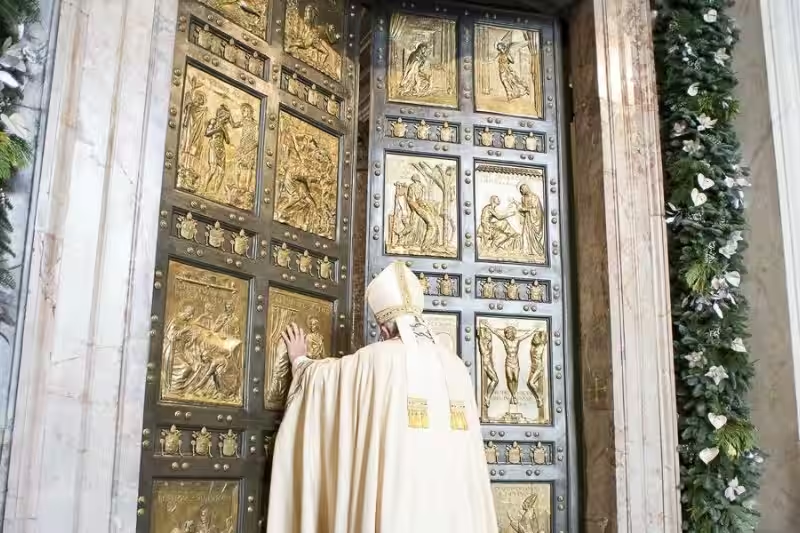
A Jubilee year, declared by the Pope, is a special Holy Year that offers pilgrims a chance to receive a plenary indulgence, a remission of temporal punishment due to sin. This sacred time is marked by an opening of the Holy Door in St. Peter’s Basilica, a symbolic act of Christ’s welcome to all. The sheer scale of devotion, the palpable atmosphere of hope, and the opportunity to walk in the footsteps of saints and martyrs make visiting Rome during Jubilee an unforgettable undertaking. It’s a chance to witness faith in action, to connect with a community of believers from every corner of the globe, and to immerse yourself in the spiritual bedrock of Western civilization.
Understanding the Significance of a Jubilee in Rome
At its core, a Jubilee year is a profound expression of the Catholic Church’s mercy and forgiveness. Think of it as a universal invitation to spiritual renewal. The concept originates from the Old Testament, where a Jubilee was a time of liberation, debt cancellation, and the return of land to its original owners, signifying a fresh start. In the Catholic tradition, this has evolved into a period of intensified prayer, penance, and the opportunity to embrace God’s grace through the sacrament of reconciliation. This spiritual dimension is what truly elevates visiting Rome during Jubilee beyond a typical vacation.
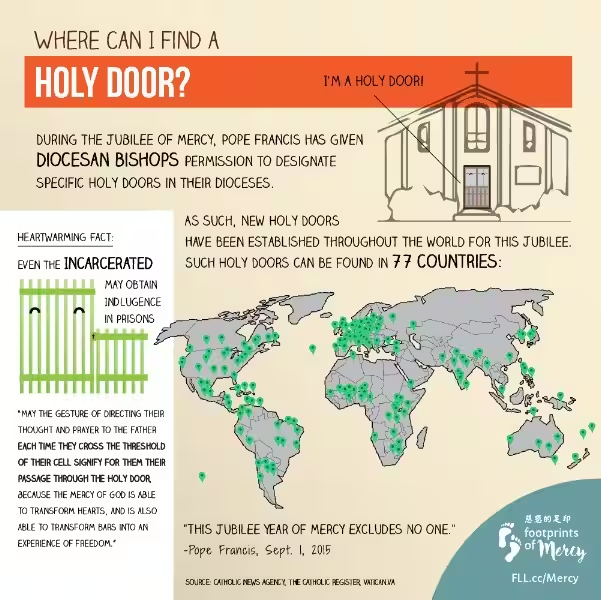
During a Jubilee, Rome becomes a focal point for pilgrims seeking this spiritual refreshment. The central act is the pilgrimage itself, often culminating in passing through one of the four Holy Doors in Rome’s major basilicas: St. Peter’s, St. John Lateran, St. Paul Outside the Walls, and the Basilica of Saint Mary Major. Each passage is a symbolic journey, representing a step towards spiritual healing and a renewed relationship with God. This isn’t about ticking off sights; it’s about engaging with a living tradition that has shaped history and continues to inspire millions worldwide, making visiting Rome during Jubilee a deeply personal and communal experience.
The Spiritual Beckoning: Why Pilgrims Flock to Rome
The allure of visiting Rome during Jubilee is multifaceted, but the primary draw for many is the profound spiritual opportunity it presents. The concept of the plenary indulgence is central to this. It’s not a get-out-of-jail-free card for future sins, but rather a remission of the temporal punishment that might otherwise be required for sins already forgiven in confession. Imagine you’ve broken a valuable vase and apologized to the owner. While the owner forgives you, there might still be the task of repairing or replacing it. The indulgence is like a divine intervention that helps alleviate that task, allowing for a more complete healing and a fresh start. This spiritual aspect is a powerful motivator for many embarking on a pilgrimage.
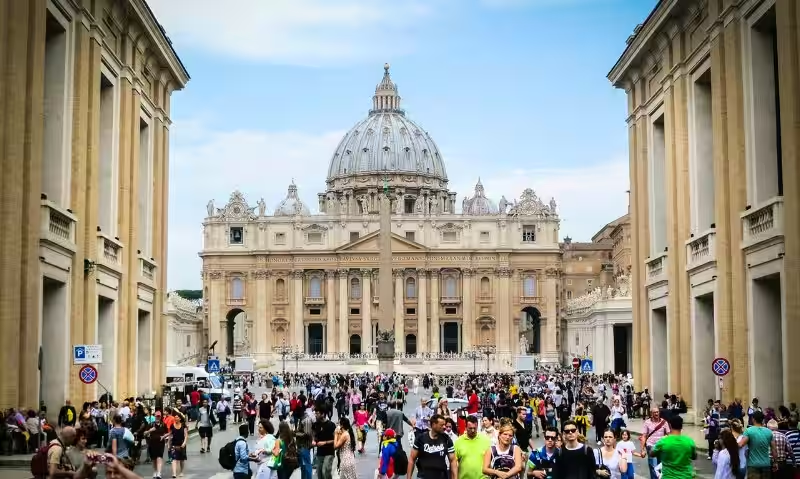
Beyond the theological implications, the sheer atmosphere of faith during a Jubilee is transformative. Picture walking through St. Peter’s Square, not just amongst tourists, but alongside fellow pilgrims from every continent, united by a common purpose and a shared devotion. You’ll witness immense processions, hear powerful homilies, and feel the collective energy of thousands praying together. This communal aspect of visiting Rome during Jubilee fosters a sense of belonging and shared humanity, reminding us that our spiritual journeys are often more meaningful when undertaken together. It’s a chance to be part of something much larger than oneself.
Practicalities of Planning Your Jubilee Pilgrimage
Embarking on a journey to visit Rome during Jubilee requires careful planning, as the city experiences a significant influx of visitors. Advance booking for flights and accommodation is absolutely essential. Think of it like trying to get tickets to a sold-out concert; the earlier you secure them, the better your chances and often, the more favorable the prices. Many hotels and religious guesthouses offer special packages during Jubilee years, catering specifically to pilgrims, and booking directly with them can sometimes provide valuable insights and support.
Navigating the city during this time also requires a strategic approach. Public transportation will be busier than usual, so understanding bus routes and metro lines beforehand is crucial. Consider purchasing a Roma Pass, which can offer unlimited travel on public transport and free entry to some attractions, potentially saving you time and money. Furthermore, be prepared for longer queues at popular sites, especially the basilicas and Vatican City. Patience and a flexible itinerary are key virtues when visiting Rome during Jubilee, allowing you to embrace the experience rather than feeling overwhelmed by its scale. Prioritizing spiritual activities over extensive sightseeing might also be a wise approach, ensuring you get the most out of the religious significance of the year.
Accommodation Options for Every Pilgrim
When planning your visit to Rome during Jubilee, accommodation is a crucial consideration. For those seeking a deeply spiritual experience, religious guesthouses and convents offer a unique and often more affordable option. These establishments, run by various religious orders, provide a peaceful environment conducive to prayer and reflection. They often have strict but respectful rules, and the communal meals can be a wonderful way to connect with fellow pilgrims from diverse backgrounds. Imagine sharing breakfast with someone from Japan, discussing your shared experience of a papal audience – this is the kind of connection a Jubilee year fosters.
Beyond religious accommodations, Rome offers a wide spectrum of hotels, from budget-friendly hostels to luxurious five-star establishments. While hotels might lack the specific spiritual ambiance of a convent, they provide greater privacy and flexibility. Consider the location carefully: staying closer to the Vatican or major basilicas can minimize travel time to key pilgrimage sites, but might come with a higher price tag. Alternatively, staying in a more residential neighborhood and utilizing Rome’s efficient public transport system can offer a more authentic local experience and potentially more cost-effective options, proving that visiting Rome during Jubilee doesn’t have to break the bank.
Key Events and Experiences During the Jubilee
A Jubilee year in Rome is punctuated by a series of significant events that draw pilgrims from across the globe. The Papal Audiences and Papal Masses are undoubtedly highlights. Attending a General Audience, where the Pope addresses the faithful, or a special Jubilee Mass, is a powerful way to feel connected to the heart of the Church. These events, often held in St. Peter’s Square or the Paul VI Audience Hall, are deeply moving experiences that underscore the spiritual essence of visiting Rome during Jubilee. Remember, tickets for these are often free but require advance booking, so plan accordingly.
Beyond the major papal events, numerous other activities contribute to the rich tapestry of a Jubilee year. Consider participating in themed pilgrimages focusing on specific saints or historical sites, or attending special exhibitions at Vatican Museums or other religious art institutions. The opening and closing ceremonies of the Holy Door are particularly significant moments, marking the beginning and end of this extraordinary period. Even simply walking through the historic streets, you’ll encounter spontaneous prayer groups and devotional activities, all contributing to the unique atmosphere that makes visiting Rome during Jubilee so profoundly spiritual and memorable.
The Holy Doors are central to the Jubilee experience, symbolizing an open gateway to God’s mercy. There are four major Holy Doors in Rome: one in St. Peter’s Basilica, and one each in the basilicas of St. John Lateran, St. Paul Outside the Walls, and St. Mary Major. Passing through one of these doors, after making a sincere confession and receiving communion, is the primary way to gain the Jubilee indulgence. Imagine it as stepping through a threshold of immense grace, leaving behind the burdens of the past and embracing a renewed spiritual path. This act is a cornerstone for anyone visiting Rome during Jubilee.
Each Holy Door has its own unique history and significance. The Holy Door of St. Peter’s, for instance, is only opened during Jubilee years and is then sealed again. The experience of walking through this ancient portal, often with thousands of others, is incredibly powerful. Remember that respect and reverence are paramount. Dress modestly, maintain a quiet demeanor, and be prepared for queues, especially at St. Peter’s. The journey through the Holy Door is not just a physical act; it is a profound spiritual commitment, a tangible representation of your pilgrimage and a defining moment when visiting Rome during Jubilee.
Beyond the Sacred: Experiencing Rome’s Cultural Riches
While the spiritual focus of a Jubilee year is undeniable, Rome is also a city steeped in unparalleled history and art, making visiting Rome during Jubilee a comprehensive cultural immersion. The ancient ruins of the Colosseum and the Roman Forum offer a tangible connection to a civilization that shaped the Western world. Imagine standing where gladiators once fought, or where senators debated the fate of an empire; these are experiences that resonate through the ages and complement the spiritual journey you’re undertaking.
The artistic masterpieces that adorn Rome are equally awe-inspiring. From Michelangelo’s breathtaking Sistine Chapel ceiling to Bernini’s majestic sculptures in Piazza Navona, the city is an open-air museum. Even amidst the spiritual fervor of a Jubilee, taking time to appreciate these artistic wonders enriches the overall experience. You might find that the interplay between sacred art and secular history offers a unique perspective on the enduring power of human creativity and faith, adding another layer of depth to your visit to Rome during Jubilee.
Culinary Delights and Roman Hospitality
No visit to Rome, Jubilee year or not, is complete without indulging in its world-renowned culinary scene. Roman cuisine is hearty, flavorful, and deeply rooted in tradition. From the simple perfection of a cacio e pepe pasta dish to the crispy delight of supplì (fried rice balls), your taste buds are in for a treat. Many restaurants in Rome are family-run trattorias, offering an authentic taste of Italian home cooking and a warm welcome. This hospitality extends beyond food; Romans are known for their passion and warmth, which can make your Jubilee experience feel even more personal.
Exploring the local markets, such as Campo de’ Fiori, offers a vibrant sensory experience and a chance to sample local produce and delicacies. Consider taking a cooking class to learn the secrets of Roman pasta-making or pizza crafting; it’s a fun and delicious way to engage with the culture. Even amidst the solemnity of a Jubilee, enjoying a gelato in a picturesque piazza or sharing a meal with new friends made on your pilgrimage is an integral part of the Roman experience, and a vital component of visiting Rome during Jubilee.
In conclusion, visiting Rome during a Jubilee year offers a profound opportunity for spiritual renewal, cultural enrichment, and an unforgettable journey into the heart of faith. It’s a time when the Eternal City truly lives up to its name, resonating with centuries of devotion and the promise of divine grace. By understanding the significance of the Jubilee, planning meticulously, and remaining open to the spiritual and cultural wonders that await, you can ensure your pilgrimage is a deeply meaningful and transformative experience.
Frequently Asked Questions: Visiting Rome During Jubilee – Religion
What is the Jubilee Year in Catholicism?
A Jubilee Year, also known as a Holy Year, is a special period of remission of sins and universal pardon granted by the Catholic Church. It is a time of pilgrimage, reconciliation, and renewal of faith.
What is the significance of visiting Rome during a Jubilee Year for Catholics?
For Catholics, visiting Rome during a Jubilee Year is a profound spiritual experience. It offers the opportunity to participate in special liturgical celebrations, receive plenary indulgences (the remission of temporal punishment due to sin), and walk in the footsteps of saints and popes, deepening one’s faith and connection to the Church.
What are the main events and activities for religious visitors during a Jubilee?
During a Jubilee, Rome hosts numerous special events, including:
* Opening and Closing of the Holy Door: Pilgrims can pass through the designated Holy Doors in the four major basilicas (St. Peter’s, St. John Lateran, St. Paul Outside the Walls, and St. Mary Major) as a symbol of passing from sin to grace.
* Papal Audiences and Masses: The Pope often presides over special Masses and audiences, offering unique opportunities for spiritual guidance and communion.
* Pilgrimages: Organized pilgrimages from various dioceses and religious orders are common.
* Special Liturgies and Celebrations: Many churches will have extended hours for confession, prayer vigils, and unique devotional services.
How can I prepare spiritually for a Jubilee visit to Rome?
Spiritual preparation is highly encouraged. This might include:
* Prayer and reflection: Engaging in personal prayer and meditation on the themes of the Jubilee.
* Receiving the Sacrament of Reconciliation (Confession): Being in a state of grace is necessary to gain the plenary indulgence.
* Studying Church teachings: Familiarizing yourself with the meaning and significance of the Jubilee.
* Planning your itinerary: Identifying which basilicas and events you wish to prioritize.
What are the conditions for receiving a plenary indulgence during the Jubilee?
To receive a plenary indulgence during the Jubilee, a Catholic must typically:
* Make a pilgrimage to Rome and pass through a Holy Door.
* Receive the Sacrament of Reconciliation (Confession).
* Receive Holy Communion.
* Pray for the intentions of the Pope (e.g., reciting the Our Father and Hail Mary).
* Be detached from all sin, even venial sin.
Are there any specific dress codes for visiting churches and religious sites in Rome?
Yes, modest dress is required when visiting churches and religious sites in Rome out of respect. Shoulders and knees should be covered. This generally means avoiding sleeveless tops, shorts, and short skirts.
Will Rome be significantly more crowded during the Jubilee?
Yes, it is expected that Rome will experience a substantial increase in visitor numbers during the Jubilee Year due to the religious significance and the draw for pilgrims worldwide. Planning well in advance for accommodation, travel, and visits to key sites is highly recommended.
Are there specific resources or websites for Jubilee information from a religious perspective?
Official Vatican websites and the specific Jubilee Year’s official website (which will be announced) are the most reliable sources for information on Jubilee events, papal activities, and specific religious guidelines. Local diocesan websites and Catholic news outlets may also provide helpful information.