The loss of a loved one is a profound experience, a journey marked by sorrow, reflection, and the enduring search for solace. In the midst of this emotional landscape, the Catholic memorial service program offers a structured and deeply spiritual framework for remembering and honoring those who have passed. It’s more than just a ceremony; it’s a testament to faith, community, and the belief in eternal life.
For many, the concept of a Catholic memorial service can feel both familiar and perhaps a little daunting, especially when navigating it for the first time. This article aims to demystify the Catholic memorial service program, providing a comprehensive and relatable guide to its purpose, structure, and the profound comfort it can provide to the grieving. We’ll explore how these services, rooted in centuries of tradition, serve as a vital pillar of support for individuals and families as they navigate the complex path of remembrance and find strength in their Catholic faith.
The Purpose and Significance of a Catholic Memorial Service
At its heart, a Catholic memorial service program is designed to celebrate the life of the deceased while simultaneously acknowledging the pain of their absence. It’s a deliberate act of love, remembrance, and prayer, deeply intertwined with Catholic theology. The service provides a dedicated time and space for grieving family members and friends to come together, share memories, and find strength in their shared faith and the prayers of the Church.
Unlike a funeral Mass, which typically takes place soon after death and is focused on the immediate transition of the soul, a memorial service can occur at a later date. This allows for a more reflective and communal grieving process. It’s an opportunity to gather, perhaps on an anniversary, a birthday, or simply when the family feels ready, to specifically honour the memory of their beloved. The Catholic memorial service program underscores the belief in the Communion of Saints, where the living and the departed remain connected through prayer and God’s love, offering a profound sense of ongoing relationship.
Key Components of a Catholic Memorial Service Program
While the specific details of a Catholic memorial service program can vary based on family wishes and parish traditions, certain core elements are consistently present, each carrying significant spiritual weight and offering a path to solace. These elements are carefully chosen to reflect the deceased’s life, their faith journey, and the Church’s teachings on death and resurrection.
The service typically includes:
Opening Prayers and Scripture Readings: These often set a tone of hope and trust in God’s mercy. Passages from the Old and New Testaments are selected for their comforting messages about God’s love, eternal life, and the promise of resurrection.
Eulogy or Sharing of Memories: This is a crucial part where loved ones can speak about the deceased’s life, personality, and the impact they had on others. It’s a time for both tears and laughter, for reliving cherished moments and celebrating the individual’s unique journey.
Intercessions or Prayers of the Faithful: These are prayers offered for the deceased, for their family, and for all those who mourn. They are a communal act of support and a recognition of our interconnectedness in Christ.
The Lord’s Prayer: This universal prayer, taught by Jesus himself, unites everyone present in a profound expression of faith and reliance on God.
A Closing Blessing or Prayer: The service concludes with a formal blessing, often invoking God’s peace and comfort upon the family and friends, and commending the soul of the deceased to God’s eternal care.
Each of these components within the Catholic memorial service program is designed to foster a spirit of remembrance, reconciliation, and enduring hope.
Planning and Personalizing Your Catholic Memorial Service
Embarking on the planning of a Catholic memorial service program can feel overwhelming, but it also presents a meaningful opportunity to create a tribute that truly reflects the life and spirit of your loved one. The Catholic Church, while providing a consistent framework, allows for personalization that makes the service deeply meaningful and unique to the individual being remembered.
When planning, consider the following:
Consult with Your Priest or Parish Coordinator: They are invaluable resources who can guide you through the process, explain the options available, and help you select appropriate readings and prayers. They understand the nuances of the Catholic memorial service program and can offer spiritual counsel.
Choose Readings that Resonate: Beyond the standard scripture selections, think about passages that held personal significance for the deceased or that speak to their specific virtues or life experiences. For example, if they were known for their unwavering hope, a reading about God’s faithfulness might be particularly fitting.
Select Music that Uplifts: Music plays a powerful role in setting the tone. Consider hymns that were favorites of the deceased, or pieces that evoke a sense of peace, remembrance, and divine connection.
Personalize the Eulogy: Encourage family and close friends to share their most cherished memories. This is where the essence of the person truly shines through. Think about specific anecdotes that illustrate their character, their sense of humor, or their acts of kindness.
The goal of personalizing the Catholic memorial service program is to create a space where the love and legacy of the deceased can be celebrated in a way that is both reverent and deeply personal, offering comfort to all who attend.
Navigating Grief and Finding Comfort Through the Catholic Memorial Service Program
The Catholic memorial service program is not merely an event; it is a spiritual journey designed to guide the grieving through their sorrow and towards healing. The rituals, prayers, and communal aspect of the service are all intended to provide a profound sense of comfort and reassurance, reminding attendees that they are not alone in their loss.
The presence of the Church community, with its shared faith and prayers, acts as a powerful balm for the soul. Knowing that others are praying for the deceased and for the comfort of the bereaved offers a collective embrace during a time of intense personal pain. The emphasis on eternal life and the resurrection within the Catholic memorial service program provides a beacon of hope, suggesting that death is not an end but a transition to a more perfect and peaceful existence. This theological grounding allows individuals to frame their grief within a larger, divine narrative, fostering acceptance and a sense of enduring connection to their departed loved ones, who are now in God’s loving presence.
Frequently Asked Questions about Catholic Memorial Service Programs
What is a Catholic memorial service program?
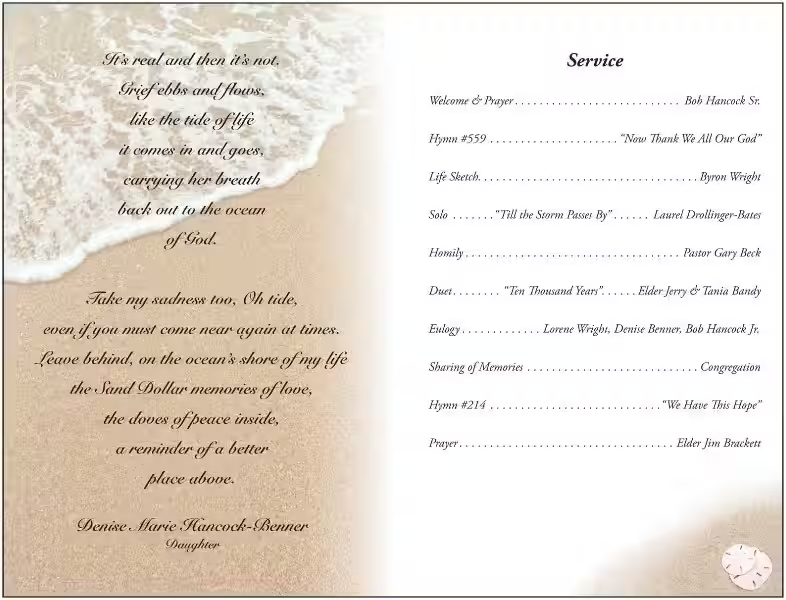
A Catholic memorial service program is a booklet or leaflet distributed to attendees at a memorial Mass or prayer service for a deceased Catholic. It typically contains prayers, readings from Scripture, hymns, biographical information about the deceased, and sometimes a photograph. The program guides the congregation through the liturgy and offers a keepsake for mourners.
What is the purpose of a Catholic memorial service program?
The program serves several purposes: to provide structure and guidance for the liturgy, to honor the memory of the deceased by sharing their life story and faith, to offer comfort and spiritual reflection to those grieving, and to serve as a tangible reminder of the prayers and support offered by the community.
What elements are usually included in a Catholic memorial service program?
Common elements include:
* A title reflecting the deceased’s name and the occasion (e.g., “In Loving Memory of [Name]”).
* Opening prayers or a brief introduction.
* Scriptural readings relevant to death, resurrection, and the afterlife.
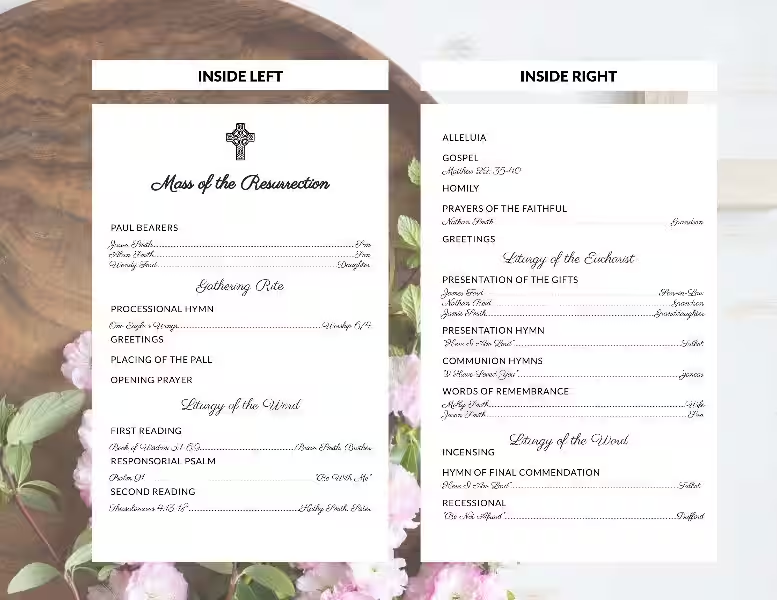
* The Order of Service, outlining the prayers, responses, and hymns.
* Hymn titles and potentially lyrics.
* A brief biography or obituary of the deceased, highlighting their life, accomplishments, and faith.
* A photograph of the deceased.
* Intentions or prayers of the faithful, often tailored to the deceased and their loved ones.
* A closing prayer or blessing.
* Information about funeral arrangements or reception, if applicable.
* A concluding message of hope or remembrance.
Are there specific prayers or readings that are customary for Catholic memorial services?
Yes, while choices can be personalized, common readings are often selected from the Old and New Testaments that speak to themes of eternal life, resurrection, God’s love, and comfort for the grieving. Examples include:
* Old Testament: Wisdom 3:1-9, Isaiah 25:6-9, Job 19:23-27a
* New Testament: Romans 8:31-39, 1 Corinthians 15:20-28, John 14:1-6, John 6:35-40, Matthew 11:25-30
* Responsorial Psalms like Psalm 23, Psalm 27, or Psalm 130 are also frequently used.
The prayers of the faithful are also an important part of the service.
Can the program be personalized to reflect the deceased’s life and personality?
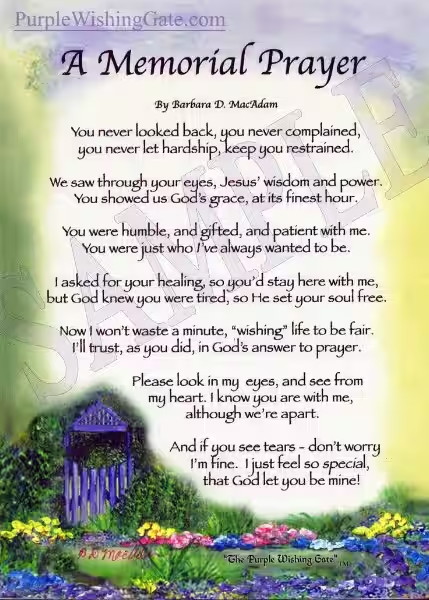
Absolutely. Personalization is highly encouraged. Beyond standard prayers and readings, families can include favorite poems, quotes, personal reflections, or even anecdotes that capture the essence of the deceased’s life and their impact on others. The selection of music can also reflect their preferences.
What is the role of the Catholic Church in memorial services?
The Catholic Church views memorial services as an integral part of the Christian understanding of death and resurrection. They are opportunities to pray for the soul of the deceased, asking God to grant them eternal rest and to comfort the grieving family and friends. The Mass, in particular, is seen as the highest form of prayer, where Christ’s sacrifice is re-presented, offering spiritual benefits to the departed. The Church provides guidance on appropriate liturgies and prayers.
Is a memorial Mass the same as a funeral Mass?
While both involve the Eucharist and prayers for the deceased, a funeral Mass is typically celebrated shortly after death, often within a few days, and is the primary Mass of Christian burial. A memorial Mass is usually celebrated at a later date, such as on an anniversary, birthday, or when the body is not present at the funeral. The focus in both is on praying for the deceased’s soul and celebrating their life in the context of Christian hope.
Who typically creates the memorial service program?
The family of the deceased, often in consultation with the funeral director or a parish representative, is responsible for creating the memorial service program. They decide on the content, design, and number of copies needed.
When should the memorial service program be distributed?
The programs are typically distributed to attendees as they enter the church or the venue where the memorial service is being held. This allows them to follow along with the liturgy and participate in the prayers and hymns.