The story of the Prodigal Son, found in the Gospel of Luke, is one of the most universally recognized and profoundly moving parables in Christian scripture. Its themes of reckless living, deep regret, and unconditional love resonate across centuries and cultures. Naturally, this powerful narrative has been a fertile ground for artistic expression, inspiring countless painters, sculptors, and other creatives to interpret its emotional arc. Examining prodigal son art offers a unique window into how different eras and artists have grappled with the parable’s core messages of sin, redemption, and the transformative power of faith.
This exploration delves into the rich tapestry of prodigal son art, connecting it to the enduring themes of religion and the human condition. We’ll discover how artists have visualized the son’s descent into despair, his moment of awakening, and the overwhelming joy of his father’s embrace, all while illuminating the spiritual lessons embedded within this ancient tale.
The Journey of the Prodigal: From Excess to Emptiness
The parable begins with a younger son demanding his inheritance prematurely. This act, in itself, signifies a rejection of family, tradition, and his father’s wisdom. He embarks on a journey of self-indulgence, squandering his wealth in “dissolute living.” This initial phase of the prodigal’s life is often depicted in art as a period of hedonism and fleeting pleasures, a stark contrast to the quiet dignity of his father’s home.
Artists often portray this descent with vivid imagery. We see scenes of feasting, revelry, and perhaps even gambling or other vices, all designed to convey the superficiality and ultimate emptiness of a life lived solely for personal gratification. The prodigal’s face might be portrayed as flushed with excitement initially, but as his resources dwindle, a shadow of unease and impending doom creeps in. This visual narrative underscores the illusory nature of worldly pleasures and the destructive path of prioritizing immediate desires over lasting values.
The Depths of Despair: Facing the Consequences
As the prodigal’s fortune evaporates, so too does his social standing. He finds himself in a foreign land, reduced to feeding pigs, a profession considered unclean and degrading for a Jewish man. This is the nadir of his experience, a moment of profound humiliation and isolation. It is in this state of abject poverty and desperation that the true weight of his choices begins to crush him.
Many masterpieces of prodigal son art capture this poignant moment of despair with striking emotional depth. We see the son, thin and ragged, surrounded by the very animals he tends. His posture might be slumped, his eyes downcast, reflecting a broken spirit and a gnawing hunger, not just for food, but for belonging and forgiveness. This visual depiction serves as a powerful reminder of the inevitable consequences of straying from one’s roots and the often-painful process of confronting one’s own failings. The starkness of his surroundings amplifies the internal desolation, making the viewer feel the sting of his predicament.
The Turning Point: A Glimmer of Hope and Recognition
It is in the pigsty, amidst the filth and despair, that the prodigal experiences a critical moment of self-awareness and realization. He remembers the abundance and love he left behind, recognizing that even the lowest servant in his father’s house lived better than he does now. This epiphany is the crucial turning point, the spark that ignites his desire to return.
This shift in the prodigal’s demeanor is often subtly, yet effectively, conveyed in prodigal son art. While still physically impoverished, his gaze might lift, a flicker of resolve entering his eyes. He begins to formulate his plea, a humble confession of his sin and unworthiness. This internal contemplation is a vital step towards reconciliation, highlighting the importance of acknowledging wrongdoing before seeking forgiveness. The parable emphasizes that this realization isn’t triggered by external forces but by an internal reckoning, a profound understanding of his own folly.
The Journey Home: A Path Paved with Humility
With newfound resolve, the prodigal begins his arduous journey back to his father’s home. This return is not one of pride or entitlement, but of deep humility and repentance. He anticipates rejection, preparing a speech that acknowledges his sin and asks to be treated as a hired hand. This journey symbolizes the effort and courage required to seek redemption.
Artists often depict this part of the narrative with a focus on the arduousness of the road and the vulnerability of the traveler. The prodigal might be shown walking, perhaps weary but determined, his steps carrying him away from the squalor he endured and towards the hope of a different future. This visual narrative reinforces the idea that returning to faith or rectifying past mistakes is rarely easy; it demands perseverance and a willingness to face the unknown consequences of one’s actions. The anticipation of his father’s reaction hangs heavy in the visual space, amplifying the tension of his approach.
The Father’s Embrace: Unconditional Love and Forgiveness
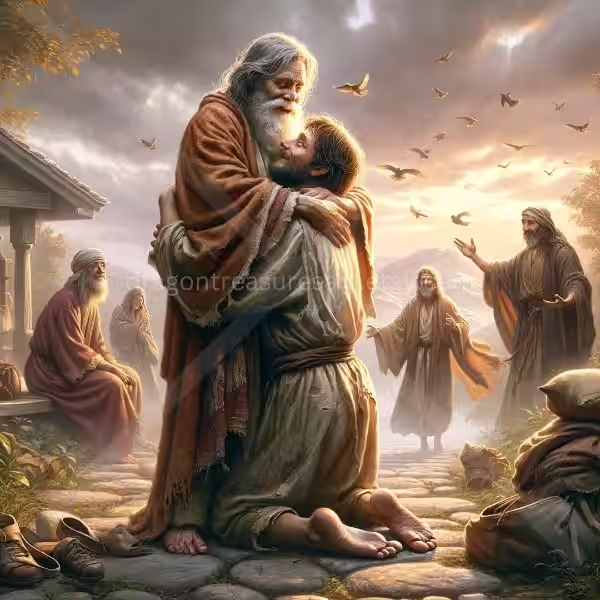
The climax of the parable, and a recurring motif in prodigal son art, is the father’s reaction. As the prodigal son approaches, the father spots him from a distance and, overcome with compassion and joy, runs to meet him. He embraces his son, kisses him, and orders a celebration, restoring him to his rightful place. This is the ultimate expression of unconditional love and boundless forgiveness.
Rembrandt van Rijn’s iconic painting, “The Return of the Prodigal Son,” is perhaps the most famous visual representation of this moment. The father’s hands, one a symbol of authority and the other of tenderness, rest on his son’s shoulders, conveying a profound sense of reconciliation and acceptance. The son, bowed and humbled, receives this embrace as a balm to his wounded spirit. This powerful imagery serves as a testament to the Christian doctrine of God’s unwavering love for humanity, even in the face of our transgressions. The sheer relief and overwhelming emotion captured in such works highlight the transformative power of genuine forgiveness.
The Feast of Celebration: Reintegration and Rejoicing
The father’s immediate ordering of a feast signifies more than just a meal; it represents the complete restoration of the son’s dignity and belonging. The fatted calf is killed, music plays, and there is rejoicing. This celebration is a tangible manifestation of redemption and renewed community.
In prodigal son art, these celebratory scenes are often depicted with vibrant colors and dynamic figures, conveying the joy and exuberance of the occasion. This aspect of the parable is a crucial reminder of the positive outcomes of repentance and forgiveness. It speaks to the idea that when we turn back to what is good and right, there is not only a release from past burdens but also a reintegration into a loving and supportive community. The feast symbolizes the fullness of life that is available when we are in right relationship with ourselves, our loved ones, and our faith.
The Elder Brother’s Grumble: A Counterpoint of Self-Righteousness
The parable doesn’t end with the joyous reunion. The elder brother returns from the fields and, upon hearing the music and learning of his brother’s return, becomes angry. He refuses to join the celebration, accusing his younger brother of squandering their father’s inheritance. This character introduces a crucial counterpoint to the father’s boundless love: the danger of self-righteousness and a lack of compassion.
Artists have sometimes struggled to depict the elder brother’s internal conflict, but his presence is vital to the parable’s full meaning. He represents those who believe they have always done right and feel resentful when others, who have strayed, are shown grace. His stance highlights the potential for spiritual pride and the importance of extending empathy and forgiveness to all, not just those who have demonstrably suffered. This figure serves as a sobering reminder that true faith isn’t just about obedience, but also about love and mercy towards those who have stumbled.
Lessons for the Modern Soul: Enduring Relevance of the Prodigal
The enduring power of the prodigal son story lies in its universal themes. We have all, in some way, experienced the temptation to stray, to pursue fleeting desires, and to feel the sting of regret. The prodigal son art serves as a visual sermon, reminding us of the consequences of our choices and the immeasurable power of forgiveness.
Whether through the dramatic depictions of a son’s fall and redemption or the subtle nuances of a father’s loving gaze, prodigal son art continues to speak to the human heart. It reassures us that no matter how far we may have strayed, the path back to love, belonging, and spiritual wholeness is always open, illuminated by the everlasting light of divine grace. The parable, and its artistic interpretations, offer a profound and hopeful message for anyone seeking redemption, understanding, and the comforting embrace of faith.
Frequently Asked Questions: The Prodigal Son in Art and Religion
What is the story of the Prodigal Son?
The story of the Prodigal Son is a parable told by Jesus in the Gospel of Luke (Luke 15:11-32). It describes a younger son who asks for his inheritance early, squanders it in a distant land, and then returns home repentant. His father forgives him and celebrates his return with a feast, while his older, obedient son is resentful.
Why is the Prodigal Son a popular theme in Christian art?
The parable offers rich theological and emotional themes that resonate deeply within Christianity. It speaks to God’s boundless love, forgiveness, and the importance of repentance and reconciliation. The dramatic narrative and the contrasting characters also provide fertile ground for artistic interpretation.
What are some common visual elements in artworks depicting the Prodigal Son?
Common visual elements include the son leaving home, his dissipation and poverty (often depicted with pigs), his return home (sometimes in rags), and the joyous reception by the father. The older brother is often shown observing the celebration with disapproval. Symbols like the fatted calf, rings, and fine robes signify the father’s restored honor and love for the returning son.
Who are some prominent artists who have depicted the Prodigal Son?
Many renowned artists throughout history have been drawn to this parable. Notable examples include:
* Rembrandt van Rijn: His “The Return of the Prodigal Son” (c. 1661-1669) is perhaps the most famous and emotionally profound depiction.
* Hieronymus Bosch: His “The Parable of the Prodigal Son” (c. 1500) offers a detailed and allegorical interpretation.
* Caravaggio: His “The Return of the Prodigal Son” (c. 1600) is known for its dramatic use of light and shadow.
* Albrecht Dürer: His woodcut “The Prodigal Son as a Swineherd” (c. 1496) is an early and influential representation.
* Bartolomé Esteban Murillo: He created several paintings of the Prodigal Son, often with a focus on his repentance and poverty.
What does the Prodigal Son parable teach us about God?
The parable emphasizes God’s unconditional love and boundless mercy. It illustrates that God is always ready to forgive those who repent and return to Him, regardless of their past sins. The father’s welcoming embrace signifies God’s redemptive power and His desire for reconciliation with humanity.
What is the significance of the older brother in the parable?
The older brother represents those who adhere strictly to religious rules and feel entitled to God’s favor, often struggling with forgiveness and jealousy towards those who have strayed and been forgiven. He highlights the danger of self-righteousness and the importance of extending compassion and grace to others.
How has the interpretation of the Prodigal Son evolved in religious discourse?
While the core message of repentance and forgiveness remains constant, interpretations have evolved. Modern theological discussions often explore themes of social inclusion, the nature of grace, and the challenges of living a life of faith in a complex world, drawing parallels between the parable and contemporary issues.