For many, the term “Catholic education” conjures images of hushed church sanctuaries, earnest prayers, and perhaps a stern but loving nun at the front of a classroom. While these elements are certainly part of the rich tapestry of Catholic life, they are underpinned by a deliberate and profound educational framework: the Catholic catechism curriculum. This is not merely a collection of rules or historical facts; it is the living, breathing embodiment of the Catholic faith, designed to guide individuals, from the youngest child to the most seasoned adult, on a lifelong journey of understanding and living out their relationship with God.
The Catholic catechism curriculum serves as the foundational blueprint for religious education within the Catholic Church. It’s a systematic presentation of the Catholic faith, drawing directly from Scripture, Tradition, and the Magisterium. Think of it as a comprehensive roadmap, meticulously crafted to lead believers to a deeper, more meaningful encounter with Christ and His Church. It’s about more than just memorizing doctrines; it’s about fostering a transformative relationship with God, equipping individuals with the knowledge, virtues, and practices necessary to live a life of faith in the world. This curriculum is the spiritual nourishment that sustains and grows the Church, ensuring that its timeless truths are passed down faithfully from one generation to the next.
What is the Catholic Catechism Curriculum? A Blueprint for Faith
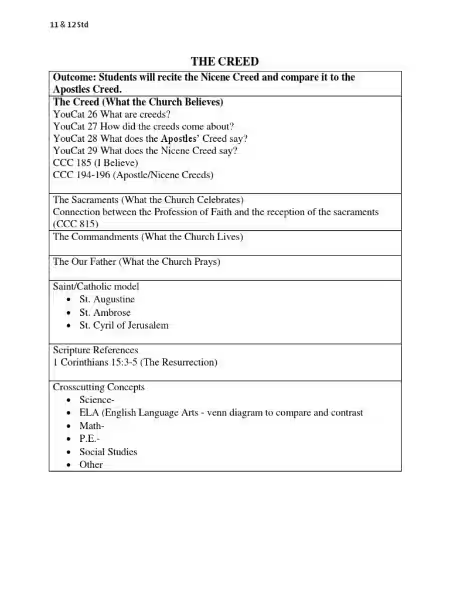
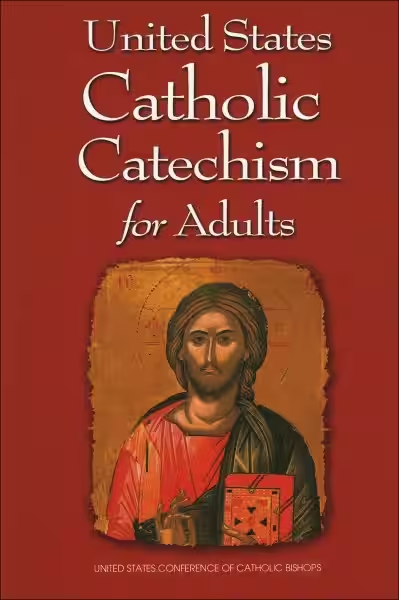
At its core, the Catholic catechism curriculum is an organized body of teaching that explains the core tenets of the Catholic faith. The most prominent and widely used version is the Catechism of the Catholic Church, promulgated by Pope John Paul II. This monumental work is divided into four main pillars:
The Profession of Faith: This section delves into the Creed, exploring the truths of God, Jesus Christ, the Holy Spirit, the Church, and the communion of saints. It’s where we learn about the fundamental beliefs that define us as Catholics.
The Celebration of the Christian Mystery: This pillar focuses on the Sacraments, the Church’s liturgy, and the liturgical year. It explains how we encounter God’s grace through these sacred rites, such as Baptism, Confirmation, and the Eucharist.
Life in Christ: Here, the curriculum explores moral teachings, the Ten Commandments, the Beatitudes, and the virtues. It guides us on how to live a Christ-like life, making ethical decisions rooted in love and justice.
Christian Prayer: This final pillar examines the nature of prayer, the Our Father, and the various forms of prayer within the Church. It encourages a personal and communal dialogue with God.
The beauty of the Catholic catechism curriculum lies in its comprehensive and interconnected nature. Each section builds upon the others, creating a holistic understanding of what it means to be a disciple of Christ. It’s not just about knowing what we believe, but why we believe it, and more importantly, how to live that belief in our daily lives. For example, understanding the Profession of Faith about Jesus’ divinity (what we believe) directly informs our understanding of the Sacrament of the Eucharist (how we celebrate the mystery of Christ’s presence) and impacts our Life in Christ by calling us to sacrificial love, mirroring His own. The Christian Prayer section then provides the means to deepen our relationship with the very God we profess to believe in.
Implementing the Catholic Catechism Curriculum: From Parish to Home
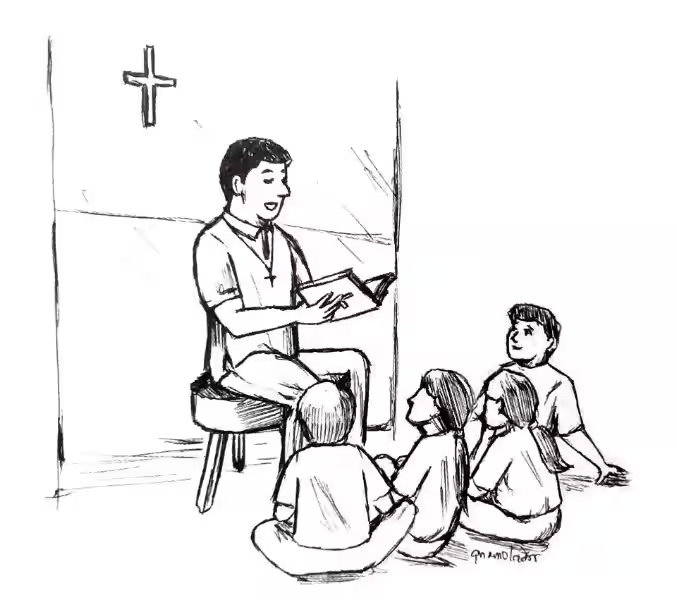
The Catholic catechism curriculum is not a static document confined to theological libraries; it’s a dynamic force that breathes life into religious education across various settings. Parishes are the primary hubs for implementing this curriculum, offering religious education classes for children, known as CCD (Confraternity of Christian Doctrine) or Religious Education, which are often tailored to different age groups. These classes aim to introduce foundational concepts, share biblical stories, and foster an environment where children can develop a personal connection with their faith.
Beyond the classroom, the Catholic catechism curriculum extends into catechetical programs for adults, including RCIA (Rite of Christian Initiation of Adults), which is a structured process for those inquiring about or seeking full communion with the Catholic Church. This program meticulously guides individuals through the core teachings, allowing them to ask questions, explore their faith, and prepare for the Sacraments. Furthermore, the Church strongly encourages the integration of the Catholic catechism curriculum within the home. Parents are recognized as the “first teachers of the faith,” and the curriculum provides them with the tools and guidance to nurture their children’s spiritual growth through prayer, family discussions, and living out the faith together. This often involves using simple, age-appropriate materials that align with the overarching principles of the Catechism, making faith a natural and integral part of family life.
Making the Catholic Catechism Curriculum Relatable and Engaging
One of the greatest challenges and opportunities in presenting the Catholic catechism curriculum is making its profound truths relatable and engaging for learners of all ages. This involves moving beyond rote memorization and embracing methods that foster active participation and personal reflection. For instance, when teaching about Jesus’ miracles in the “Profession of Faith” section, educators can move beyond simply listing them. Instead, they can explore the meaning and impact of these miracles, discussing how they demonstrate Jesus’ divine power and compassion, and how we can see His compassion at work in our own lives through acts of kindness and service.
Similarly, when exploring the Sacraments in the “Celebration of the Christian Mystery” pillar, educators can use tangible examples to illustrate abstract concepts. The Sacrament of Baptism, for example, can be explained through the imagery of washing away sin, just as water cleanses our bodies. The Eucharist can be presented not just as a ritual, but as a “spiritual banquet” where we are united with Christ, much like sharing a meal with loved ones strengthens bonds. For the “Life in Christ” pillar, moral teachings can be grounded in real-life dilemmas that children and adults face, prompting them to consider how the Ten Commandments and the virtues of charity and justice can guide their decision-making. By employing storytelling, visual aids, interactive activities, and opportunities for personal witness, the Catholic catechism curriculum can transform from a dense theological text into a vibrant, life-changing guide for discipleship.
The Enduring Value of the Catholic Catechism Curriculum
In an ever-changing world, the Catholic catechism curriculum offers a steadfast anchor, providing clarity and continuity in our understanding of God and His Church. It is a testament to the Church’s enduring commitment to passing on the fullness of the faith, ensuring that its rich heritage remains accessible and relevant. Whether you are a lifelong Catholic seeking to deepen your understanding or someone new to the faith exploring its depths, the Catholic catechism curriculum serves as an invaluable resource for spiritual growth and formation. It’s a journey of discovery, a pathway to a more profound relationship with the divine, and a guide for living a life filled with purpose, meaning, and the abundant love of God.
The Catholic catechism curriculum is not just a set of lessons; it’s an invitation to a lifelong conversation with God, a continuous unfolding of His truth in our lives. It equips us with the tools of discernment, the strength of virtue, and the comfort of God’s constant presence. Its enduring value lies in its ability to transform individuals and communities, fostering a deeper love for God and neighbor, and ultimately, leading us towards the eternal promise of salvation. By embracing the Catholic catechism curriculum, we are embracing the very heart of our faith, allowing it to shape our thoughts, our actions, and our very being, guiding us ever closer to the light of Christ.
The Catholic Catechism curriculum refers to educational programs and resources designed to teach the doctrines, beliefs, and practices of the Catholic Church as outlined in the Catechism of the Catholic Church.
What is the Catechism of the Catholic Church?
The Catechism of the Catholic Church is a compendium of Catholic doctrine and moral theology, officially promulgated for use throughout the Catholic Church. It serves as a reference text for the fundamental teachings of the faith.
Who is the Catholic Catechism curriculum for?
This curriculum is typically for Catholics of all ages, including children preparing for sacraments like First Communion and Confirmation, as well as adults seeking to deepen their understanding of their faith. It is also used in Catholic schools and parish religious education programs.
What topics are covered in a Catholic Catechism curriculum?
A typical curriculum will cover four main parts: the Profession of Faith (Creed), the Sacraments, the Christian Way of Life (Commandments and Beatitudes), and Christian Prayer (the Lord’s Prayer). It explores beliefs about God, Jesus Christ, the Holy Spirit, the Church, salvation, morality, and prayer.
What are the benefits of studying the Catholic Catechism curriculum?
Studying the Catechism curriculum can lead to a deeper understanding of Catholic faith and teachings, a stronger relationship with God, a more informed conscience, and a greater ability to live out one’s Christian vocation.
How is the Catholic Catechism curriculum typically taught?
It is taught through various methods, including classroom instruction, lectures, group discussions, scripture study, prayer, and the use of supplementary materials like textbooks, videos, and online resources.
Are there different versions or approaches to the Catholic Catechism curriculum?
Yes, there are various adaptations and versions of the curriculum tailored to different age groups and learning styles. These can range from simplified versions for young children to more in-depth studies for adults.
Where can I find resources for a Catholic Catechism curriculum?
Resources can be found through Catholic dioceses, parishes, Catholic schools, and reputable Catholic publishers and online retailers. Your local parish priest or religious education coordinator can also provide guidance.