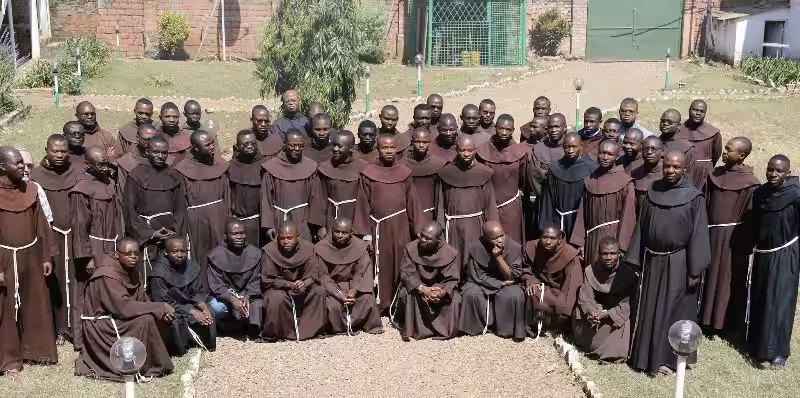
The Philippines, an archipelago nation vibrant with a deep-seated spirituality, has long been a fertile ground for missionary work. For centuries, the call to share faith and serve communities has echoed across its islands, shaping its cultural landscape and nurturing a profound sense of religion. This enduring dedication to spreading the Gospel and providing tangible assistance has woven itself into the very fabric of Filipino society, creating a dynamic interplay between spiritual devotion and practical outreach.
The story of missionary work in the Philippines is not a monolithic one. It encompasses a diverse array of denominations, approaches, and motivations, all united by a common thread of faith. Whether it’s through building schools, providing medical aid, or simply sharing the message of hope, missionaries have consistently left an indelible mark, fostering spiritual growth and community development. Understanding this multifaceted phenomenon requires looking beyond the surface to appreciate the deep-rooted connections and the profound impact it continues to have.
A Legacy of Faith: Historical Roots of Missionary Endeavors
The historical roots of missionary work in the Philippines are deeply intertwined with the arrival of Western powers. When the Spanish colonizers arrived in the 16th century, they brought with them their Catholic faith, initiating a centuries-long process of evangelization. This era saw the establishment of numerous churches, schools, and charitable institutions, powered by the tireless efforts of religious orders who dedicated themselves to spreading Christianity. These early missionaries were not just preachers; they were also educators, healers, and builders, laying the groundwork for a society where religion played a central role.
The impact of this early missionary period is undeniable. It’s visible in the grand colonial churches that still stand as landmarks, in the prevalence of Catholic traditions that permeate daily life, and in the strong emphasis placed on family and community values, often rooted in religious teachings. Even as other denominations arrived and established their own presences, particularly in later centuries, the foundational importance of faith, a legacy from these pioneering efforts, remained a constant.
The Catholic Foundation: A Dominant Force
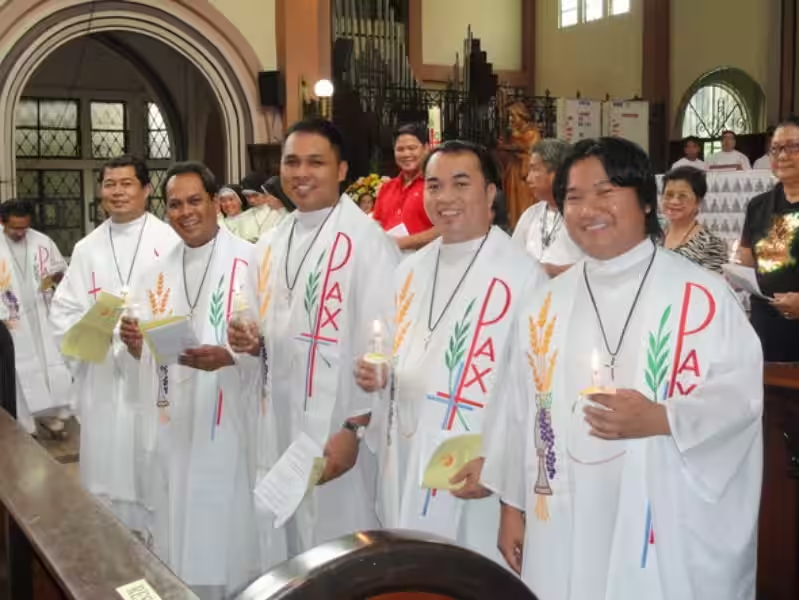
Catholicism, introduced by Spanish missionaries, remains the dominant religion in the Philippines, a testament to the enduring power of that initial evangelization. The influence of the Catholic Church is palpable, extending far beyond Sunday Mass. It shapes societal norms, influences political discourse, and provides a strong moral compass for millions. The ongoing missionary work within the Catholic tradition often focuses on strengthening existing parishes, supporting seminaries, and engaging in social justice initiatives.
For example, you’ll find Catholic missionary groups actively involved in disaster relief, providing immediate aid and long-term support to communities devastated by typhoons or earthquakes. They also run countless schools and hospitals that serve even the poorest populations, demonstrating a commitment to holistic care that goes hand-in-hand with their spiritual mission. This dual focus on spiritual nourishment and practical service is a hallmark of successful missionary work in the Philippines.
Beyond Tradition: The Evolving Landscape of Mission
While Catholicism holds a significant position, the landscape of missionary work in the Philippines has become increasingly diverse. Over the past century, various Protestant denominations, evangelical groups, and other faith-based organizations have established a strong presence, bringing their unique approaches to ministry and outreach. This diversification has enriched the spiritual tapestry of the nation, offering different avenues for faith expression and community engagement.
These newer missions often employ innovative strategies to reach diverse populations. They might utilize modern media, conduct extensive evangelistic campaigns, or focus on specialized ministries like youth outreach, addiction recovery, or leadership training. The goal remains the same: to share their understanding of the Gospel and to empower individuals and communities through faith and service. The adaptability of these groups highlights their commitment to meeting the evolving spiritual and social needs of the Filipino people.
Evangelical Impact: Reaching New Hearts
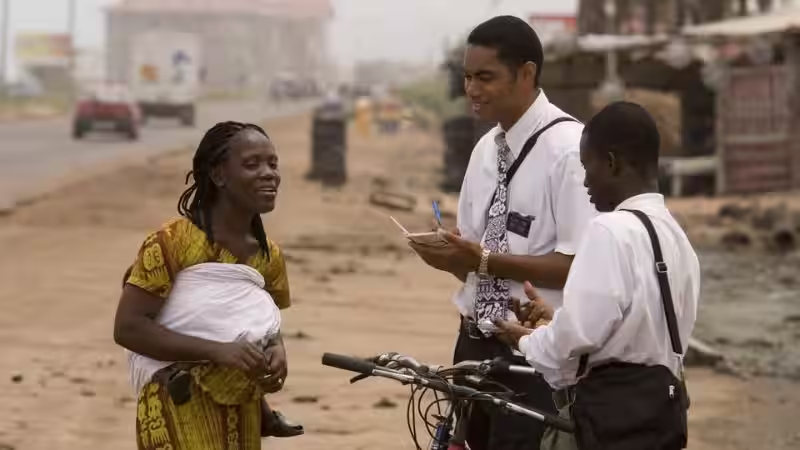
Evangelical missions, in particular, have seen significant growth and influence. Their emphasis on personal conversion experiences and the direct sharing of faith has resonated with many Filipinos seeking a deeper personal connection with God. This type of missionary work often involves passionate preaching, vibrant worship services, and a strong focus on building supportive Christian communities. Many evangelical churches have become vital social hubs, offering not just spiritual guidance but also fellowship and practical help.
Consider the numerous small group Bible studies that flourish in local communities, or the large-scale evangelistic crusades that draw thousands. These efforts, driven by dedicated missionaries and local believers alike, aim to foster spiritual transformation and encourage a life lived according to their religious beliefs. The success of evangelical missionary work in the Philippines is often measured by the number of individuals who embrace their faith and by the positive impact these transformed lives have on their families and wider society.
Serving the Nation: The Practical Face of Missionary Work
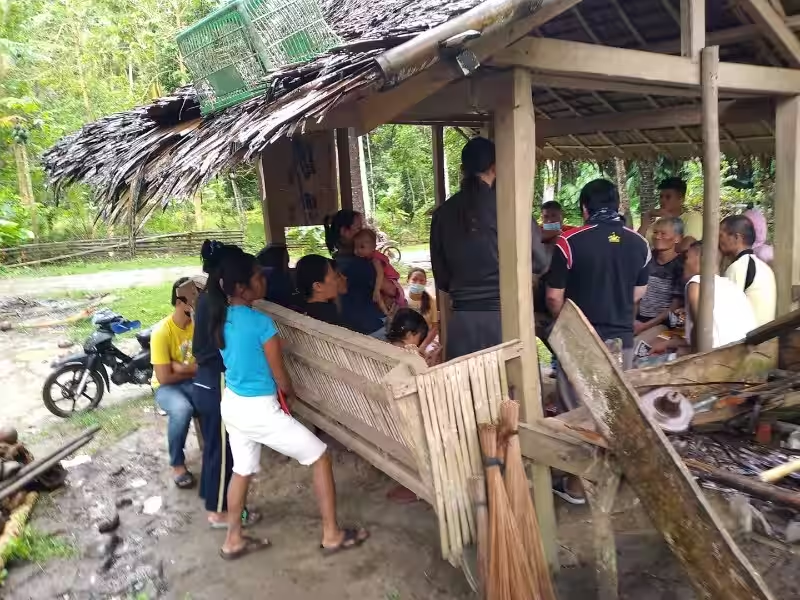
It is crucial to understand that missionary work in the Philippines is not solely about spiritual evangelism; it is also deeply rooted in a commitment to service and social upliftment. Many missionaries dedicate themselves to addressing the pressing social and economic challenges faced by the Filipino people. This practical dimension of their mission often involves establishing and supporting vital institutions that serve the most vulnerable.
From building schools in remote villages to providing medical clinics in underserved areas, these initiatives are tangible manifestations of their faith. They demonstrate a profound belief that living out one’s religion involves actively caring for the poor, the sick, and the marginalized. This holistic approach ensures that faith is not just an abstract concept but a living, breathing force for positive change.
Education and healthcare are two critical areas where missionary efforts have made a profound and lasting impact. Missionaries have been instrumental in establishing schools, from small village learning centers to accredited colleges and universities, providing access to education for countless Filipinos who might otherwise have been denied this opportunity. Similarly, clinics and hospitals run by religious organizations offer essential medical care, often to those who cannot afford private healthcare.
For instance, a missionary-run hospital might offer free surgeries to children born with congenital defects, or a mission school might provide scholarships to bright but impoverished students. These acts of compassion are not just charitable gestures; they are seen by the missionaries as integral to their spiritual calling, fulfilling the biblical mandate to serve others. The ongoing need for these services ensures that missionary work in the Philippines continues to be a vital force for development.
Challenges and Triumphs: The Journey of Faith
The path of missionary work in the Philippines is not without its challenges. Missionaries often face limitations in resources, navigate cultural nuances, and confront societal issues like poverty and corruption. However, their commitment to their faith and their dedication to the Filipino people propel them forward, leading to countless triumphs that strengthen communities and inspire hope.
The resilience of these missions, and the individuals they serve, is a testament to the enduring power of faith and the human spirit. Despite setbacks, the work continues, driven by a deep-seated belief in the transformative potential of sharing their religious convictions and offering practical support. These stories of perseverance are as much a part of the narrative of missionary work in the Philippines as the successes themselves.
Cultural Adaptation and Local Partnerships
One of the keys to successful missionary work in the Philippines lies in its ability to adapt to the rich and diverse local cultures. Effective missionaries understand that they are not just bringing their faith; they are also entering into a dialogue with existing traditions and values. This often involves building strong partnerships with local leaders, community members, and Filipino Christians who can offer invaluable insights and ensure that the mission is culturally sensitive and relevant.
For example, a missionary group might work with local artisans to incorporate traditional Filipino designs into their outreach materials, or they might collaborate with local pastors to ensure that their theological teachings are presented in a way that resonates with Filipino understanding. This collaborative approach fosters a sense of ownership and sustainability, ensuring that the impact of religion and service continues long after the initial missionary presence.
As the Philippines continues to evolve, so too will the nature of missionary work. The challenges and opportunities will undoubtedly change, but the fundamental call to share faith and serve others is likely to remain a powerful motivator. The future will likely see an even greater emphasis on empowering local leaders, fostering indigenous ministries, and utilizing technology to expand reach and impact.
The enduring legacy of missionary work in the Philippines is a narrative of faith, resilience, and unwavering dedication. It is a story of individuals and communities transformed by the power of belief and the tangible acts of compassion. As long as there are those who feel called to serve, and a nation yearning for hope and spiritual connection, the heartbeat of faith will continue to resonate across the islands, shaping the spiritual and social landscape for generations to come.
Frequently Asked Questions: Missionary Work in the Philippines
What is missionary work in the Philippines?
Missionary work in the Philippines refers to the efforts of religious individuals or groups to spread their faith, provide humanitarian aid, and engage in community service within the country. This often involves sharing religious teachings, conducting worship services, and assisting communities in need.
What religions are prominent in the Philippines?
The Philippines is predominantly a Christian nation, with the majority of the population adhering to Roman Catholicism. Other significant Christian denominations include various Protestant groups. Islam is the second-largest religion, with a notable presence in the southern regions. There are also smaller communities of other faiths and indigenous belief systems.
What are common activities of missionaries in the Philippines?
Common activities include:
* Sharing religious doctrines and conducting evangelistic efforts.
* Organizing and leading religious services, Bible studies, and prayer meetings.
* Providing humanitarian assistance such as food, shelter, medical care, and disaster relief.
* Engaging in community development projects like building schools, clean water initiatives, and vocational training.
* Teaching English or other skills.
* Working with local churches and organizations.
What are the challenges faced by missionaries in the Philippines?
Challenges can include:
* Cultural and language barriers.
* Navigating diverse religious landscapes and interfaith relations.
* Logistical difficulties in reaching remote areas.
* Sustaining financial support for projects and personal living expenses.
* Addressing poverty and local socioeconomic issues.
* Ensuring the safety and security of personnel in certain regions.
How can one get involved in missionary work in the Philippines?
Individuals can get involved by:
* Contacting established religious organizations or mission agencies that have a presence in the Philippines.
* Volunteering for short-term or long-term mission trips.
* Donating to reputable missionary organizations.
* Praying for missionaries and the people they serve.
* Learning about the culture and needs of the Philippines to prepare for service.