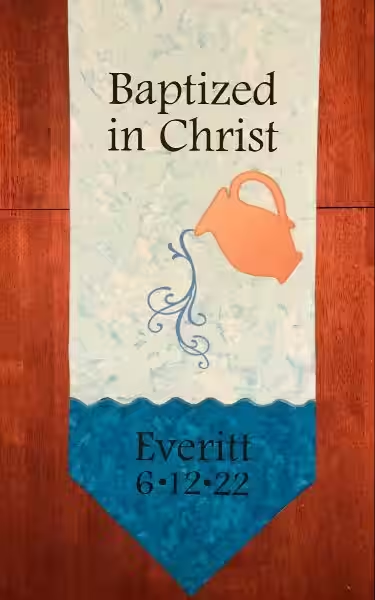
The rustle of fabric, the vibrant hues catching the light, the powerful words emblazoned across their surface – baptismal banners are more than just decorative elements in a place of worship. They are visual declarations of faith, silent yet eloquent storytellers that mark one of the most profound moments in a Christian’s spiritual journey: baptism. These banners, often handmade with love and prayer, serve as powerful symbols of new beginnings, cleansing, and the indelible mark of God’s covenant. They transform a sacred space, adding a layer of visual richness and spiritual depth that resonates with both the baptized and the congregation.
For many, the image of a baptismal banner conjures up memories of a cherished childhood ceremony, perhaps seeing a loved one, or even experiencing their own immersion into the Christian faith. The colors chosen, the imagery depicted, and the scriptural verses selected are all deliberate, intended to encapsulate the essence of this sacrament. They are a testament to the enduring tradition of visually representing spiritual truths, making them accessible and memorable for all ages. The presence of a beautifully crafted baptismal banner can elevate the entire experience, providing a focal point for reflection and celebration.
The artistry and meaning woven into baptismal banners are as diverse as the denominations and individuals they represent. Each element, from the choice of fabric to the specific iconography, carries a weight of theological significance. These banners are not merely pretty additions; they are visual sermons, preaching the gospel message in a language that transcends words. Understanding the symbolism behind their design can deepen our appreciation for this sacred rite and the visual aids that accompany it, enhancing our engagement with the spiritual narrative.
The colors themselves are incredibly symbolic. White, universally representing purity and newness, is a common choice, signifying the washing away of sin and the clean slate offered through baptism. Blue often symbolizes heaven, the Holy Spirit, and faithfulness. Gold speaks of divinity, royalty, and the glory of God. Even the materials used can hold meaning; silk might represent the preciousness of the soul, while linen evokes simplicity and purity. The craftsmanship itself, often a labor of love involving many hands, mirrors the community’s support for the newly baptized, signifying that faith is not a solitary journey but a shared experience supported by the church family.
Scriptural Foundations: Words That Inspire and Affirm
At the heart of every meaningful baptismal banner lies a carefully chosen scriptural verse or passage. These are not random selections but powerful declarations of God’s word that directly relate to the sacrament of baptism. They serve as a constant reminder of the promises associated with this sacred act and the theological underpinnings of the Christian faith. The inclusion of these verses transforms the banner from a mere visual into a living testament to God’s enduring love and His covenant.
Consider the impact of verses like:
“Therefore go and make disciples of all nations, baptizing them in the name of the Father and of the Son and of the Holy Spirit.” (Matthew 28:19) This verse, often found on banners, directly links baptism to the Great Commission and the Trinity.
“Repent and be baptized, every one of you, in the name of Jesus Christ for the forgiveness of your sins. And you will receive the gift of the Holy Spirit.” (Acts 2:38) This emphasizes the repentance and forgiveness inherent in the baptismal process.
“For we are God’s handiwork, created in Christ Jesus to do good works, which God prepared in advance for us to do.” (Ephesians 2:10) This highlights the transformative nature of baptism and the new life it ushers in.
These scriptural anchors provide a theological framework for the celebration, ensuring that the focus remains on God’s grace and the believer’s commitment. They offer comfort, encouragement, and a clear articulation of what it means to be “born again” through water and the Spirit – a concept beautifully embodied by the baptismal banner.
Beyond the words, the artistic elements on baptismal banners aim to visually represent abstract theological concepts, making them tangible and relatable. These designs can range from simple, elegant crosses to intricate depictions of doves, flowing water, or even scenes from biblical narratives. The creativity and intention behind each design are crucial in conveying the multifaceted nature of baptism and its significance within the broader narrative of salvation history. The visual language of the banner can speak volumes, even before the words are read.
Common motifs include:
The Dove: Representing the Holy Spirit descending and indwelling the believer.
Flowing Water or Waves: Symbolizing cleansing, purification, and the immersion aspect of baptism.
The Cross: A universal symbol of Christ’s sacrifice and redemption.
Fish (Ichthys): An ancient Christian symbol representing believers and disciples.
Lambs: Signifying innocence, sacrifice, and Christ as the Good Shepherd.
These visual metaphors help to illustrate the spiritual realities of baptism, such as the washing away of sin, the reception of the Holy Spirit, and the believer’s union with Christ. A well-designed baptismal banner can serve as a powerful teaching tool, sparking conversations and deepening understanding for all who behold it.
The Enduring Significance of Baptismal Banners in Worship
In a world often saturated with fleeting images and transient messages, baptismal banners offer a point of steadfast visual affirmation within the context of religious worship. They are more than just celebratory decorations; they are integral components of liturgical practice, enhancing the solemnity and joy of baptismal services. Their presence signifies a sacred moment, a public testimony of a profound spiritual transformation, and a visual anchor for the community’s shared faith.
The act of unfurling a baptismal banner during a service is often a moment of anticipation and reverence. It signals that a new soul is about to be brought into the covenant family of God. This visual cue prepares the congregation, drawing their attention to the central act of worship and inviting them to participate in the joy and celebration of new life in Christ. The banner becomes a focal point, a silent witness to the power of God’s grace at work.
A Legacy of Visual Faith: From Ancient Catacombs to Modern Churches
The use of visual aids in religious expression is not a new phenomenon. While baptismal banners as we know them today might be a more recent development, the impulse to represent spiritual truths visually stretches back to the earliest days of Christianity. From the simple symbols scratched into the walls of catacombs to the elaborate stained-glass windows of cathedrals, believers have consistently sought to visualize their faith, making the unseen tangible. The baptismal banner is a continuation of this rich tradition, adapted for contemporary worship spaces.
Early Christians used symbols like the fish, the anchor, and the cross to communicate their beliefs in a time when overt Christian expression was often dangerous. These symbols, much like the imagery on modern baptismal banners, served as identifiers of faith and reminders of core doctrines. The evolution of Christian art and worship has seen these visual expressions become more elaborate and diverse, with baptismal banners offering a personal and accessible way to celebrate this foundational sacrament. They are a testament to the enduring human need to express faith through tangible forms, connecting generations through shared symbolism and scripture.
Creating a Welcoming and Meaningful Environment
The atmosphere of a baptismal service is crucial, and baptismal banners play a significant role in cultivating a sense of welcome, reverence, and spiritual significance. They add color, life, and a focused message to the worship space, helping to create an environment where individuals feel inspired and connected to the sacred event unfolding. The visual impact of a beautifully crafted banner can make the occasion feel even more special and memorable for everyone present, especially for the family of the one being baptized.
Imagine walking into a church for a baptism. The bright, hopeful colors of the baptismal banner, perhaps featuring a verse about new life or the Holy Spirit, immediately set a tone of joy and celebration. This visual reinforcement of the sacrament’s meaning helps to draw everyone into the experience, fostering a sense of community and shared spiritual purpose. The baptismal banner acts as a visual invitation to embrace the transformative power of this sacrament, making the worship experience more immersive and meaningful.
The Personal Touch: Crafting and Commissioning Baptismal Banners
For many congregations, the creation or commissioning of baptismal banners is a deeply personal and communal undertaking. It often involves prayer, thoughtful deliberation, and the collaborative efforts of skilled artisans and dedicated volunteers. This process itself becomes an act of worship, imbuing the banner with spiritual significance even before it is displayed. The dedication and love poured into each stitch and brushstroke are palpable, making the banner a cherished artifact of faith.
The decision-making process for a new baptismal banner can involve selecting the appropriate scripture, choosing symbolic imagery that resonates with the congregation’s theology, and deciding on colors and materials that will best convey the intended message. This can be a beautiful way for members to contribute to the worship life of the church, using their talents and gifts to honor God. The hands that create the banner become instruments of God’s grace, just as the water and the Spirit are in the sacrament itself.
A Labor of Love: DIY and Community Involvement
Many churches embrace the opportunity to involve their members in the creation of baptismal banners. This can range from simple sewing circles to more elaborate artistic endeavors. Such community involvement not only fosters a sense of ownership and pride in the banner but also serves as a tangible expression of the church body supporting new believers. The shared effort and fellowship involved in crafting a baptismal banner can be a powerful testament to the unity of the church.
Consider a project where different groups within the church contribute: the youth group might design the central image, while a quilting guild sews the panels, and a calligraphy group adds the scripture. This collaborative spirit ensures that the banner is a true reflection of the community’s collective faith and dedication to welcoming new members. Every stitch, every color choice, every carefully lettered word on a community-made baptismal banner tells a story of shared purpose and devotion.
Commissioning for Lasting Impact
When a congregation decides to commission a professional baptismal banner, they are investing in a piece of art that is intended to last for generations. This often involves working with artists who specialize in religious textiles or iconography. The process of commissioning a baptismal banner allows for deep theological reflection and artistic expression, resulting in a banner that is both visually stunning and theologically rich. This approach ensures a high level of craftsmanship and durability, creating a timeless piece for worship.
The commissioning process might involve extensive consultations with church leadership and theological advisors to ensure the banner accurately reflects the denomination’s beliefs and the specific purpose of the baptismal rite. The choice of high-quality materials and the skill of the artisan will result in a banner that can withstand years of use and continue to inspire congregants. A professionally commissioned baptismal banner is not just a decoration; it is a legacy, a visual sermon that will speak to believers for years to come.
The Banner’s Journey: From Creation to Celebration
The creation of a baptismal banner is only the beginning of its sacred journey. Once completed, it is often presented to the congregation, blessed, and then takes its place as a visual centerpiece during baptismal services. This transition from creation to active use marks the banner’s fulfillment of its purpose: to bear witness to the transformative power of baptism and to inspire faith. Its presence becomes a familiar and beloved part of the church’s liturgical calendar.
The unfurling of the baptismal banner is a moment that signifies the sacred nature of the occasion. It visually declares that God is at work, bringing new life into His kingdom. This visual cue helps to focus the congregation’s hearts and minds on the spiritual realities of the sacrament, reinforcing the message of redemption, cleansing, and new beginnings. The baptismal banner stands as a vibrant testament to God’s enduring promises.
During a baptismal service, the baptismal banner often serves as the backdrop for the baptismal font, drawing the eye and focusing attention on the sacred act. Its vibrant colors and inspiring message can elevate the sense of joy and celebration, reminding everyone of the wonderful gift of new life in Christ. The banner becomes an integral part of the visual narrative of transformation, a silent yet eloquent witness to a life changed by faith.
Whether it’s a joyful infant baptism or a profound adult conversion, the presence of the baptismal banner adds a layer of solemnity and beauty. It transforms the ordinary space into a sanctuary of spiritual significance, a place where divine encounters are anticipated. The visual splendor and the scriptural message of the banner work in concert to create a truly memorable and spiritually enriching experience for all involved.
A Lasting Reminder Beyond the Ceremony
Even after the baptismal service concludes, the baptismal banner remains a powerful reminder of the promises made and the new life embraced. It continues to adorn the worship space, serving as a constant visual affirmation of God’s faithfulness and the ongoing journey of faith for the newly baptized. Its presence is a gentle, persistent echo of the transformative power of the sacrament, a visual sermon that continues to speak.
The visual presence of the baptismal banner throughout the week, not just on Sundays, serves as a continuous inspiration. It reminds the congregation of the importance of baptism and the ongoing call to live out their faith. It is a tangible symbol of the church’s commitment to nurture and support its members, a beautiful and enduring testament to the unfurling of faith through the sacred rite of baptism.
Frequently Asked Questions: Baptismal Banners
What is a baptismal banner?
A baptismal banner is a decorative cloth or fabric that is displayed during a baptismal ceremony. It typically bears religious symbols, the name of the person being baptized, or a relevant scripture verse.
What is the religious significance of a baptismal banner?
Baptismal banners serve as a visual representation of the spiritual significance of the baptism. They can represent new beginnings, the washing away of sins, the reception into the Christian community, and the commitment to a life of faith.
What kind of religious symbols are commonly found on baptismal banners?
Common religious symbols include the dove (representing the Holy Spirit), the cross (representing Christ’s sacrifice), fish (an ancient Christian symbol), anchors (representing hope), and baptismal fonts.
Can baptismal banners be personalized?
Yes, baptismal banners are often personalized with the name of the individual being baptized, the date of the baptism, and sometimes a special message or prayer.
What are baptismal banners made of?
Baptismal banners can be made from a variety of materials, including satin, silk, cotton, felt, or even printed vinyl. The choice of material often depends on the desired aesthetic and the budget.
Are baptismal banners a mandatory part of a baptism?
No, baptismal banners are not a mandatory element of a baptismal ceremony. They are a decorative and symbolic addition that some families and congregations choose to use.
Where are baptismal banners displayed during a baptism?
Baptismal banners are typically displayed near the baptismal font, at the entrance to the church, or in a prominent location within the sanctuary where they can be easily seen by attendees.
Can a baptismal banner be kept after the ceremony?
Yes, many families choose to keep their baptismal banners as a keepsake to commemorate the special occasion. They can be displayed in the home or preserved as a cherished memento.