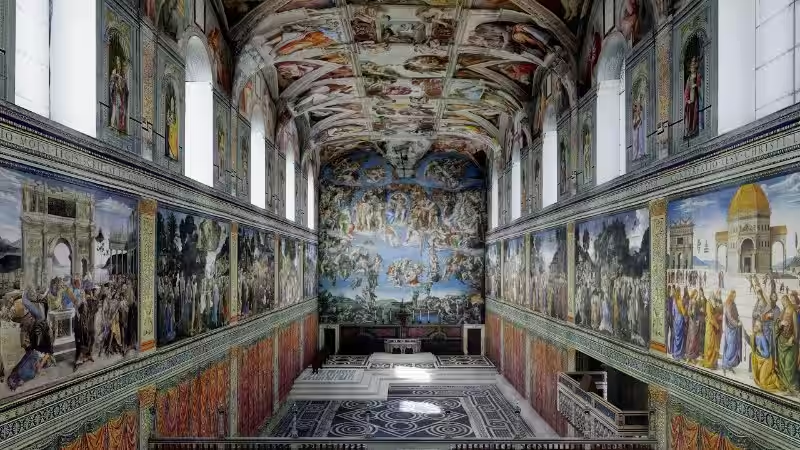
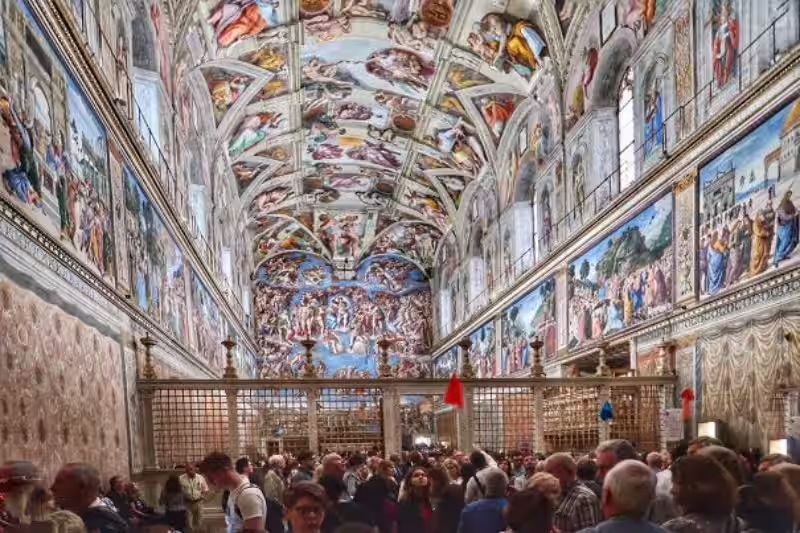
The Sistine Chapel stands as a monumental testament to human artistic endeavor and profound religious devotion. For centuries, pilgrims and art enthusiasts alike have journeyed to Vatican City, eager to stand beneath Michelangelo’s awe-inspiring frescoes. However, for many, the physical journey remains a distant dream. This is where the Sistine Chapel virtual tour emerges, offering an accessible and deeply moving experience that transcends geographical barriers and brings the sacred art directly into our homes.
This article will guide you through the spiritual and artistic wonders revealed by a Sistine Chapel virtual tour, exploring its religious context, the stories it tells, and the enduring impact it continues to have on believers and non-believers alike. Prepare to embark on a journey of discovery, where technology meets theology, and the divine is made tangible.
Unveiling the Sacred: The Genesis of the Sistine Chapel
The Sistine Chapel, a cornerstone of the Vatican Apostolic Palace, is not merely a building; it is a sanctuary steeped in history and spiritual significance. Its construction began in the late 15th century under the patronage of Pope Sixtus IV, hence its name. More than just a place for papal ceremonies, it was envisioned as a space for the election of new popes, a solemn and deeply spiritual undertaking that continues to this day. The very act of visiting the Sistine Chapel virtually allows us to participate, in a way, in this unbroken chain of tradition.
The chapel’s architectural design itself is symbolic, echoing elements of the Temple of Solomon, a foundational site in Judeo-Christian history. The dimensions, the arrangement of the space, and the eventual adornment with biblical narratives were all carefully considered to create an environment that would inspire awe and contemplation. A Sistine Chapel virtual tour allows for an intimate examination of these details, providing a level of scrutiny often impossible in the crowded physical space. Imagine being able to zoom in on a specific brushstroke, a particular angel’s expression, or the intricate architectural details that might otherwise be lost in the grandeur of the actual visit. This enhanced perspective can foster a more profound connection to the artistry and the underlying religious messages.
Michelangelo’s Masterpiece: A Theological Narrative on the Ceiling
The ceiling of the Sistine Chapel, painted by Michelangelo between 1508 and 1512, is arguably the most famous fresco cycle in the world. It’s a visual sermon, a grand unfolding of key moments from the Book of Genesis, designed to teach and to inspire faith. Through a Sistine Chapel virtual tour, we can meticulously explore these iconic scenes, from the creation of Adam, with that almost-touching finger of God and man, to the expulsion from the Garden of Eden, and Noah’s ark. Each panel is a masterpiece of composition, color, and emotional depth, inviting viewers to reflect on humanity’s journey from its divine origins to its earthly struggles.
The beauty of a Sistine Chapel virtual tour lies in its ability to allow for unhurried contemplation. Unlike a physical visit, where time is often limited and crowds can be overwhelming, a virtual experience grants you the freedom to pause, to study, and to absorb the profound theological messages conveyed by Michelangelo. You can spend as long as you wish contemplating the nine central panels depicting Genesis, or delve into the surrounding prophets and sibyls, each rendered with astonishing realism and emotional intensity. This extended engagement can lead to a richer understanding of the religious narrative woven into the very fabric of the chapel.
The Last Judgment: A Somber Reflection on Faith and Eternity
Twenty-four years after completing the ceiling, Michelangelo returned to the Sistine Chapel to paint “The Last Judgment” on the altar wall. This monumental fresco, completed in 1541, offers a starkly different, yet equally powerful, religious perspective. It depicts Christ as a divine judge, separating the saved from the damned, a powerful reminder of the consequences of one’s faith and actions. A Sistine Chapel virtual tour allows for an incredibly detailed examination of this turbulent and emotionally charged masterpiece, revealing the intricate figures of angels, saints, and the condemned.
Viewing “The Last Judgment” through a Sistine Chapel virtual tour provides an unparalleled opportunity to appreciate the sheer scale and complexity of Michelangelo’s vision. You can trace the descent into hell, with its horrifying depictions of torment, or marvel at the ascension of the blessed into heaven. The expressive faces, the dynamic poses, and the dramatic use of color all contribute to a visceral religious experience. The virtual tour enables you to explore every corner of this vast fresco, understanding how each element contributes to the overall theological message of divine justice and the ultimate fate of souls. This close examination can prompt personal reflection on one’s own spiritual journey and the tenets of faith.
Beyond the Frescoes: The Religious Experience of the Virtual Chapel
While the frescoes are the undeniable stars, the Sistine Chapel virtual tour offers a holistic experience, allowing us to appreciate the chapel as a sacred space. The virtual environments often include ambient sounds, such as hushed murmurs or faint organ music, further enhancing the sense of reverence. Even without being physically present, the careful reconstruction of the space on a Sistine Chapel virtual tour can evoke a profound sense of awe and spiritual connection. It allows us to understand the chapel’s function as more than just an art gallery; it is a living testament to centuries of Christian worship and belief.
The accessibility of a Sistine Chapel virtual tour democratizes the experience of sacred art and religious pilgrimage. For individuals who may be unable to travel due to age, health, or financial constraints, this technology opens a window to a world of profound beauty and spiritual significance. It allows families to explore these masterpieces together, fostering intergenerational conversations about art, history, and faith. The ability to revisit specific sections, to zoom in on details, and to learn more about the biblical stories depicted makes the religious learning process engaging and deeply personal. This is a powerful tool for education and spiritual enrichment, making the divine accessible to all.
Connecting with Faith in the Digital Age
In an increasingly digital world, the Sistine Chapel virtual tour demonstrates that technology can be a powerful conduit for spiritual engagement. It bridges the gap between ancient sacred art and contemporary audiences, offering a relevant and meaningful way to connect with religious heritage. The virtual exploration allows for a considered and personal interaction with the divine narratives, fostering a sense of peace and contemplation that is often sought in religious practice.
The Sistine Chapel virtual tour isn’t a replacement for physical pilgrimage, but rather a valuable complement. It can serve as an introduction, inspiring a desire to experience the chapel in person, or as a way to revisit and deepen one’s understanding after a physical visit. The ability to share these virtual experiences with loved ones, to discuss the artwork and its religious implications, further strengthens the communal aspect of faith, even when physically apart. This digital gateway to the sacred is a testament to the enduring power of art and religion to transcend time and space, offering solace, inspiration, and a profound connection to something greater than ourselves.
Frequently Asked Questions about the Sistine Chapel Virtual Tour and Religion
Is the Sistine Chapel a religious site?
Yes, the Sistine Chapel is a deeply religious site. It is the chapel of the Apostolic Palace, the official residence of the Pope in Vatican City. It is where papal conclaves are held to elect new popes, and it is renowned for its stunning frescoes, which depict important biblical narratives.
What is the religious significance of the Sistine Chapel frescoes?
The frescoes, particularly Michelangelo’s ceiling and the Last Judgment, are considered masterpieces of Renaissance art and profound theological statements. They visually narrate key events from the Old and New Testaments, including the Creation, the Fall of Man, the Flood, and the Final Judgment, offering a visual sermon and a powerful reminder of Christian doctrine and salvation history.
Can I learn about Catholic teachings through a virtual tour?
While a virtual tour primarily focuses on the art and architecture, it can offer insights into Catholic teachings by visually presenting biblical stories and figures central to Christian faith. Many virtual tours include descriptive texts or audio guides that explain the religious context and symbolism of the artwork, thereby indirectly educating viewers about Catholic beliefs.
Does a virtual tour offer a spiritual experience?
A virtual tour can provide a sense of awe and wonder inspired by the magnificent artwork and its religious themes. While it cannot fully replicate the profound spiritual atmosphere of being physically present in the chapel, it offers an accessible way to connect with this sacred space and contemplate its religious significance from anywhere in the world.
Are there specific prayers or devotions associated with the Sistine Chapel?
Historically, the Sistine Chapel has been a place of prayer and worship. While a virtual tour does not involve active participation in religious services, viewers can choose to engage in personal prayer or reflection inspired by the sacred art and the chapel’s role as a place of papal significance.
How does the Sistine Chapel art relate to the Bible?
The artwork in the Sistine Chapel is directly inspired by and illustrates narratives from the Bible. The ceiling frescoes by Michelangelo depict stories from the Book of Genesis, such as the Creation of Adam and the Expulsion from Eden, while the altar wall features the Last Judgment, a key event described in the Book of Revelation.
Is the Sistine Chapel only relevant to Catholics?
While the Sistine Chapel holds immense importance for the Catholic Church, its artistic and historical significance extends to all who appreciate art, history, and Western culture. Its universal themes of creation, sin, redemption, and judgment resonate with a broader audience, making it a site of interest beyond religious affiliation.