Rome, the Eternal City, is a place where history breathes and faith resonates through cobblestone streets and soaring basilicas. For countless pilgrims and curious travelers alike, the allure of Rome lies not just in its ancient ruins but in its profound spiritual heritage. Embarking on Rome church tours offers a unique window into this multifaceted religious landscape, revealing centuries of devotion, artistic masterpieces, and stories that have shaped the world. Whether you’re a devout believer seeking to deepen your spiritual connection or a history enthusiast eager to explore the architectural marvels, these tours provide an unparalleled opportunity to experience the heart of Roman Catholicism and beyond.
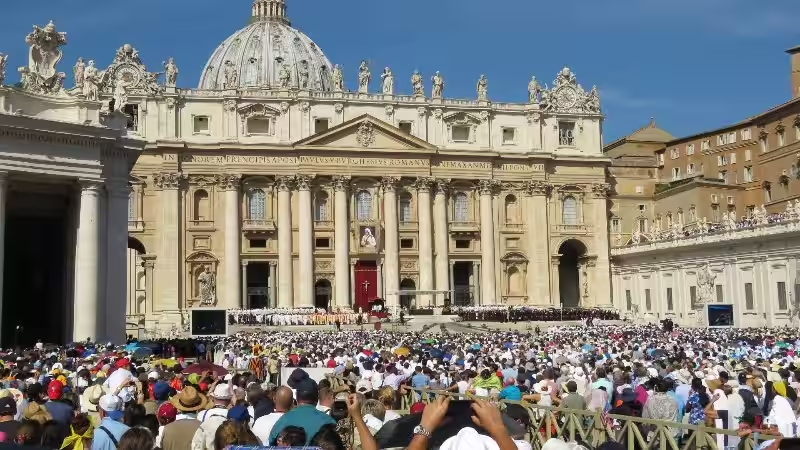
Imagine standing beneath the awe-inspiring dome of St. Peter’s Basilica, the sheer scale and intricate details leaving you breathless. Or perhaps the hushed reverence of a hidden chapel adorned with Caravaggio’s dramatic chiaroscuro speaks to your soul. Rome church tours are meticulously crafted to guide you through these sacred spaces, offering insights into their historical significance, the lives of the saints canonized within their walls, and the theological concepts they represent. This journey is more than just sightseeing; it’s an immersion into a living, breathing faith that has captivated imaginations for millennia. You’ll discover that each church, from the grandest cathedral to the humblest parish, holds its own unique story, a testament to the enduring power of religion.
The Spiritual Tapestry of Rome: More Than Just Buildings
The churches of Rome are not mere repositories of art and architecture; they are vibrant centers of religious life and practice. They are places where generations have come to pray, to celebrate, and to find solace. Understanding this context is crucial when engaging with Rome church tours. These tours often go beyond simply pointing out famous artworks, delving into the liturgical traditions, the symbolism embedded in the iconography, and the historical events that unfolded within these sacred precincts. For instance, a tour might explain the significance of the Stations of the Cross, not just as a series of sculptures, but as a narrative of Christ’s suffering and redemption that has inspired countless believers.
The sheer diversity of religious denominations and historical periods represented in Rome’s churches adds another layer of richness to the experience. While the Catholic Church holds a prominent position, exploring the city can also reveal fascinating glimpses into other Christian traditions and even ancient pagan roots that have been reinterpreted or integrated into later Christian symbolism. A well-guided tour can illuminate these connections, helping you appreciate the evolution of religious thought and practice in this influential city. This exploration allows you to understand that religion in Rome is a complex, evolving tapestry woven from diverse threads of history, art, and human devotion.
Navigating the Sacred Sites: Essential Rome Church Tours
When planning your pilgrimage or exploration, understanding the landscape of Rome church tours is key to maximizing your experience. These tours cater to a wide range of interests and time constraints, from in-depth, multi-day explorations to focused half-day excursions. Whether you’re interested in the papal basilicas, the early Christian catacombs, or churches housing specific artistic treasures, there’s a tour for you. Many tours offer skip-the-line access, a crucial benefit in a city as popular as Rome, allowing you to spend more time absorbing the spiritual atmosphere and less time waiting in queues.
Consider the specific focus of the tours available. Some might concentrate on the major basilicas, such as St. Peter’s, St. John Lateran, St. Paul Outside the Walls, and St. Mary Major, offering a comprehensive overview of papal history and significant religious events. Others might delve into the artistic masterpieces within churches like Santa Maria del Popolo, San Luigi dei Francesi (home to Caravaggio’s St. Matthew cycle), or Santa Maria della Vittoria (featuring Bernini’s Ecstasy of Saint Teresa). For those seeking a deeper connection to early Christianity, tours of the catacombs provide a haunting and informative look at the burial sites and early Christian worship. A thoughtful selection of tours ensures that your journey through Rome’s religious heart is both enriching and manageable.
The Papal Basilicas: Pillars of Faith and Grandeur
The four major papal basilicas are cornerstones of Roman Catholicism and essential stops on any comprehensive exploration of Rome’s religious sites. These are not just churches; they are centers of papal authority and historical significance, each with its unique character and spiritual importance. St. Peter’s Basilica, the largest church in the world, is an undeniable masterpiece, housing Michelangelo’s Pietà and Bernini’s baldachin. Its grandeur is intended to inspire awe and reflect the immense power and history of the papacy. Walking through its vast nave, you can’t help but feel a profound sense of history and spiritual gravitas.
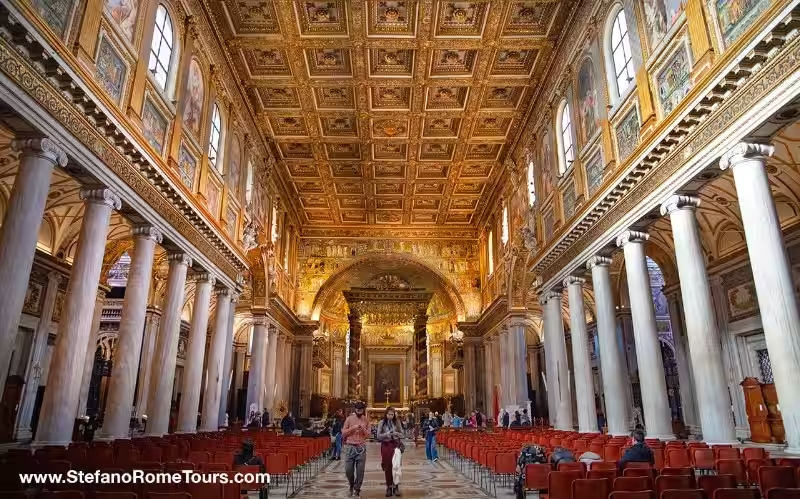
Beyond St. Peter’s, the other papal basilicas offer equally compelling experiences. The Archbasilica of Saint John Lateran is the official cathedral of the Pope as the Bishop of Rome, making it the “mother church” of all Catholic churches worldwide. Its ancient foundations and impressive facade speak to centuries of continuous religious activity. The Basilica of Saint Paul Outside the Walls, built over the tomb of the Apostle Paul, is known for its stunning mosaics and serene atmosphere, offering a peaceful sanctuary. Finally, the Basilica of Saint Mary Major, the oldest church in Rome dedicated to the Virgin Mary, boasts breathtaking medieval mosaics that tell stories of her life and importance in Christian theology. Engaging with these sites through Rome church tours provides invaluable context to their historical and religious narratives.
Art and Spirituality: A Divine Connection
The intersection of art and religion is perhaps nowhere more powerfully evident than in the churches of Rome. Rome church tours often highlight how art was, and still is, a vital tool for communicating religious narratives, inspiring devotion, and educating the faithful. From the earliest Christian frescoes in the catacombs to the dramatic Baroque sculptures that seem to come alive, these artworks are not merely decorative; they are theological statements rendered in paint, marble, and mosaic. Understanding the symbolism behind a saint’s gesture or the meaning of a biblical scene depicted in a fresco can transform a visual experience into a profound spiritual insight.
Consider how artists throughout history have sought to capture the divine. Michelangelo’s Sistine Chapel ceiling, for example, is a monumental testament to the power of faith and artistic genius, depicting scenes from Genesis with unparalleled dynamism and emotion. Similarly, Bernini’s dynamic sculptures in churches like Santa Maria della Vittoria imbue sacred stories with an almost tangible energy. These tours can explain the artistic techniques, the patronage that funded these works, and the theological messages the artists intended to convey. It’s a reminder that for centuries, art was the primary way many people connected with religious stories and concepts, making these churches living galleries of faith.
Beyond the Tourist Trail: Hidden Gems and Local Churches
While the famous basilicas and widely recognized churches draw the most attention, many of Rome’s most moving spiritual experiences can be found in its less-visited, local churches. These intimate spaces often offer a more authentic glimpse into the daily religious life of Romans. Rome church tours that venture off the beaten path can reveal hidden gems with unique histories, remarkable artworks, and a palpable sense of community. These are places where you might find a quiet corner for personal prayer, witness a local Mass, or discover a forgotten fresco that tells a powerful story.
Churches like San Clemente, with its fascinating layered history revealing earlier pagan and Christian structures beneath, or Santa Prassede, adorned with stunning Byzantine mosaics, offer profound historical and artistic insights often overlooked in more general tours. These “hidden gems” provide a more intimate and perhaps more personal encounter with Rome’s religious soul. They serve as a reminder that the spiritual heart of Rome beats not only in its grand cathedrals but also in the quiet devotion found within its many neighborhood churches, each a testament to enduring faith.
Planning Your Spiritual Journey: Tips for Rome Church Tours
To make the most of your Rome church tours, thoughtful planning is essential. Consider the time of year you plan to visit, as peak tourist seasons can mean larger crowds and longer wait times. Booking tours in advance, especially for popular sites, is highly recommended. Many tour operators offer small-group tours, which provide a more personalized and intimate experience with the guides and the sites.
When choosing a tour, think about your specific interests. Are you more drawn to the art, the history, the theology, or a particular period of Christian history? Rome church tours come in all shapes and sizes, from general overviews to specialized explorations of specific artists, periods, or themes. Don’t forget to consider practicalities such as appropriate dress code (shoulders and knees covered is generally expected in churches) and comfortable walking shoes. A well-planned approach will ensure your spiritual journey through Rome is both enlightening and enjoyable.
Choosing the Right Tour: Tailoring Your Experience
The sheer variety of Rome church tours can be overwhelming, but this also means you can tailor your experience precisely to your interests. For the art aficionado, a tour focusing on Caravaggio’s masterpieces or Bernini’s sculptures within specific churches would be ideal. If your passion lies in early Christianity, an exploration of the catacombs and ancient basilicas might be more fitting. Many tours also cater to specific religious needs, offering pilgrimage-focused itineraries that trace the steps of saints or biblical events.
When researching tours, pay attention to the guide’s qualifications and reviews. A knowledgeable and engaging guide can truly bring the history and spirituality of the churches to life. Consider the group size; smaller groups often allow for more questions and a more personal connection with your guide and the surroundings. Think about the duration as well; some tours are a few hours, while others might span a full day or even multiple days, offering a deeper dive into Rome’s sacred heritage. Selecting the right tour ensures your exploration is not just informative but also deeply meaningful and resonates with your personal spiritual journey.
Practical Considerations for Your Sacred Exploration
Beyond selecting the right tour, several practical considerations will enhance your experience of Rome church tours. Firstly, dress code is paramount. Most churches in Rome, especially those of significance, require modest attire. This typically means covering your shoulders and knees. Carrying a light scarf or shawl can be a convenient way to adhere to this rule, especially if you’re wearing sleeveless tops or shorts. Secondly, comfortable footwear is non-negotiable. You’ll be doing a lot of walking, both within the churches and between them. Well-worn shoes will make your exploration much more enjoyable.
Furthermore, hydration and snacks can be helpful, especially during longer tours. While water might be available for purchase near tourist sites, having your own bottle can be more economical and convenient. Be mindful of photography rules within churches; some may restrict flash photography or prohibit photography altogether in certain areas. Finally, respect for the sacred space is crucial. Remember that these are active places of worship. Be mindful of your volume, avoid disruptive behavior, and participate in any prayer or reflection opportunities respectfully. These practical tips will allow you to focus on the spiritual and historical richness that Rome’s churches offer.
By focusing on these aspects, both the grandeur of the major basilicas and the intimate beauty of hidden churches can be appreciated, creating a truly memorable and enriching spiritual journey through the Eternal City.
Frequently Asked Questions about Rome Church Tours and Religion
What is the significance of churches in Rome?
Churches in Rome are not just places of worship; they are historical monuments, art galleries, and spiritual centers that showcase centuries of faith, art, and architecture. Many contain relics of saints, masterpieces by renowned artists, and are integral to the city’s identity.
Can anyone join a church tour in Rome, regardless of their religion?
Yes, absolutely. Rome church tours are generally open to everyone, regardless of their religious affiliation or background. They are designed to educate visitors about the history, art, and religious significance of these sacred spaces.
What kind of religious experiences can I expect on a church tour?
You can expect to learn about the history of Christianity in Rome, the lives of saints, biblical stories depicted in art, and the liturgical practices associated with the Catholic Church. Tours often highlight significant architectural features, famous artworks, and the spiritual atmosphere of each church.
Are there specific religious observances or services I should be aware of when visiting churches?
When visiting, it’s respectful to be aware that churches are active places of worship. You might encounter Mass or other services. It’s important to dress modestly (shoulders and knees covered), maintain a quiet demeanor, and avoid taking photos during services.
What are some of the most important churches to visit on a religious tour of Rome?
Key churches include St. Peter’s Basilica (Vatican City), the Archbasilica of Saint John Lateran (Rome’s cathedral), the Basilica of Saint Paul Outside the Walls, the Basilica of Saint Mary Major, and the Pantheon (originally a pagan temple, now a church).
Do I need to book tours in advance?
For popular churches or specialized religious tours, booking in advance is highly recommended, especially during peak tourist seasons, to guarantee your spot and avoid queues. For general entry into many churches, booking might not be necessary, but guided tours often require it.
What is the Vatican City’s role in Rome church tours?
Vatican City, an independent city-state within Rome, is home to St. Peter’s Basilica and the Vatican Museums (including the Sistine Chapel), which are central to many religious and historical tours of Rome. Access and specific tour requirements for Vatican sites are often separate from tours of churches within Rome itself.
How does the Catholic faith influence these tours?
The Catholic faith is deeply intertwined with the history and art of Rome. Tours often focus on Catholic doctrine, the veneration of saints, the role of the Pope, and significant events in the history of the Catholic Church, all of which are reflected in the churches’ architecture, art, and symbolism.