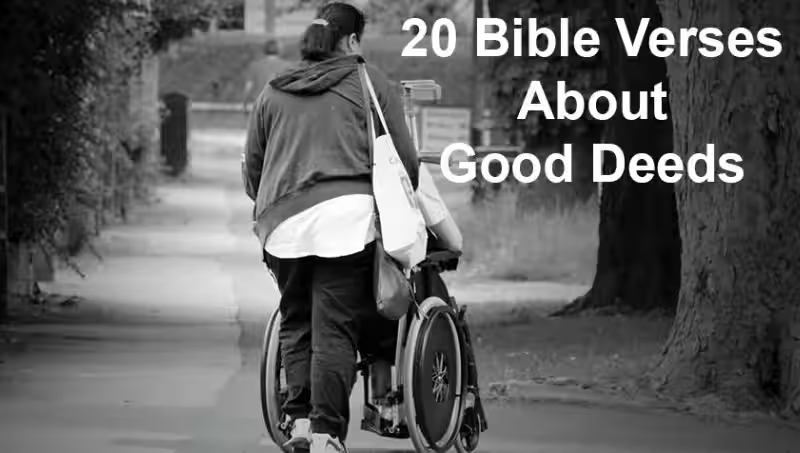
In the tapestry of human experience, woven with threads of joy, sorrow, and the eternal quest for meaning, the concept of good deeds consistently emerges as a cornerstone of spiritual life. Across the vast landscape of religious thought, from ancient traditions to contemporary faiths, a recurring theme resonates: the profound importance of doing good. This isn’t merely about outward displays; it’s about the inner transformation that fuels compassionate action, a truth powerfully articulated in countless good deeds verses found within sacred texts.
Many find themselves grappling with the question of how their faith truly manifests in the world. Is it solely about adherence to dogma, reciting prayers, or intellectual understanding? While these aspects hold their place, the spiritual wisdom of the ages points towards a more tangible and impactful expression: acts of kindness, compassion, and service. These are not just optional extras; they are often presented as the divine currency, the true measure of a person’s connection to the sacred and their commitment to its principles.
Unpacking the “Good Deeds Verse”: More Than Just Words
The phrase “good deeds verse” conjures images of specific scriptures that champion altruism. However, the concept is far richer and more pervasive than a simple collection of isolated verses. It represents a fundamental ethical imperative woven into the very fabric of most religious traditions. These verses, when examined closely, reveal not just an obligation, but an inherent benefit, both for the recipient of the good deed and the one performing it.
Think of it as a spiritual investment. When you extend a helping hand, offer a comforting word, or dedicate your time to a worthy cause, you are not just depleting your resources; you are generating spiritual capital. This capital doesn’t accrue interest in a worldly sense, but it fosters a deeper sense of purpose, peace, and connection. The good deeds verses serve as reminders and motivators, illuminating the path towards a life lived in alignment with higher values.
The Essence of Compassion: A Universal Religious Thread
At its heart, the emphasis on good deeds across religions stems from a shared understanding of compassion. Whether it’s the Buddhist concept of karuna (compassion and loving-kindness), the Christian imperative to “love your neighbor as yourself,” or the Islamic emphasis on zakat (charity) and ihsan (excellence in worship and deeds), the underlying principle is the same: to recognize the shared humanity and interconnectedness of all beings. This universal thread acts as a powerful unifying force, reminding us that our spiritual well-being is intrinsically linked to the well-being of others.
Consider the simple act of sharing your lunch with someone who has none. This act, seemingly small, embodies the essence of compassion. It transcends religious boundaries because the pangs of hunger and the relief of being nourished are universal experiences. The good deeds verse that speaks to sharing or feeding the hungry finds its echo in this everyday act, demonstrating that faith is not confined to temples or churches, but lives and breathes in our daily interactions.
Beyond Ritual: The Transformative Power of Action
Many religious traditions highlight that adherence to rituals and doctrines, while important, can become hollow if not accompanied by genuine acts of goodness. The good deeds verse often serves as a corrective, redirecting focus from mere outward observance to inner transformation that is then expressed through action. This transformation is not always easy; it requires selflessness, humility, and a willingness to step outside our comfort zones.
Imagine a person who meticulously follows every prayer service but shows no empathy to a struggling colleague. Their devotion, however sincere, might be perceived as incomplete. Conversely, someone who may not be as outwardly religious but consistently volunteers at a homeless shelter, offering practical help and a listening ear, is embodying the spirit of many good deeds verses. This is where the transformative power of action truly shines, demonstrating that faith is not just a belief system, but a way of being in the world.
Good Deeds Verses in Practice: Real-World Applications
The wisdom found in good deeds verses is not meant to remain abstract. It is a practical guide for navigating the complexities of life and fostering a more just and compassionate world. These verses offer concrete examples of how to live out one’s faith, providing a blueprint for ethical conduct and spiritual growth.
When we encounter these verses, we are invited to move beyond intellectual assent and engage in active participation. This might involve:
Volunteering our time: Dedicating hours to a cause we believe in, like an animal shelter or a senior center.
Offering financial support: Contributing to charities or individuals in need, even if it’s a small amount.
Practicing kindness in everyday interactions: Offering a smile, holding a door, or listening attentively to a friend.
Advocating for justice: Speaking out against oppression and working towards a more equitable society.
Forgiving others: Releasing resentment and extending grace, a powerful act of spiritual liberation.
The relationship between faith and action is not a one-way street. While faith inspires good deeds, the act of performing good deeds can also deepen and strengthen our faith. This is a symbiotic relationship, mutually reinforcing and leading to a more profound spiritual journey. When we see the positive impact of our actions, it reaffirms our beliefs and encourages us to continue on the path of service.
For instance, a person who initially volunteers out of a sense of obligation might, through their experience, develop a genuine love for helping others. This newfound passion, fueled by their actions, can then lead to a renewed or strengthened commitment to their faith. The good deeds verse that encourages service becomes not just a command, but a lived experience that affirms spiritual truth.
Cultivating a Habit of Goodness: The Long-Term Rewards
Developing a consistent practice of good deeds is a marathon, not a sprint. It requires patience, perseverance, and a conscious effort to integrate these principles into our daily lives. The rewards, however, are immeasurable, extending far beyond immediate gratification.
The long-term benefits include:
Inner peace and contentment: Knowing that you are living a life aligned with your values brings a profound sense of calm.
Deeper connections with others: Acts of kindness build bridges and foster meaningful relationships.
A greater sense of purpose and meaning: Contributing to something larger than oneself provides a powerful sense of direction.
Spiritual growth and enlightenment: The practice of selfless service is a direct path to higher consciousness.
Ultimately, the true significance of good deeds verses lies not in their recitation, but in their application. They are divine signposts, guiding us towards a life of purpose, compassion, and genuine spiritual fulfillment. By embracing the call to action, we not only honor our faith but also contribute to a world that desperately needs the transformative power of goodness.
Frequently Asked Questions: Good Deeds and Religion
What is the role of good deeds in religion?
Good deeds are often considered a fundamental aspect of many religious traditions. They are seen as a way to express devotion, demonstrate faith, and live according to religious principles. Many religions teach that performing good deeds is not only beneficial to others but also essential for spiritual growth and a meaningful life.
Are good deeds a requirement for salvation or spiritual reward?
The relationship between good deeds and salvation or spiritual reward varies significantly across religions. Some traditions emphasize that salvation is a gift of grace, while others believe that good deeds are a necessary component or a natural consequence of faith. Often, the intention and sincerity behind the good deed are considered as important as the act itself.
How does religion define a “good deed”?
Religious definitions of a “good deed” typically encompass acts of kindness, compassion, charity, honesty, integrity, and service to God and humanity. These actions are generally aligned with the moral and ethical teachings of a particular faith, aiming to alleviate suffering, promote justice, and foster positive relationships within the community and with the divine.
Can good deeds performed outside of a specific religion be recognized or valued?
Many religious perspectives acknowledge that good deeds can be performed by individuals regardless of their religious affiliation. Acts of altruism and compassion that benefit others are often seen as reflecting a universal moral compass or even divine influence, even if not explicitly framed within a religious doctrine.
How do religious teachings about good deeds influence daily life?
Religious teachings on good deeds often provide a framework for ethical decision-making and encourage individuals to be mindful of their impact on others. They can inspire practices such as volunteering, charitable giving, acts of service, forgiveness, and striving for personal integrity, integrating religious values into everyday interactions and choices.