The Rosary is far more than just a string of beads; it is a profound spiritual practice, a meditative prayer that invites us into the very heart of the Christian faith. It’s a journey through the most significant events in the lives of Jesus and Mary, offering us a powerful way to connect with God and deepen our understanding of His boundless love. For many, encompassing all the Rosary mysteries feels like embarking on a sacred pilgrimage, a walking through the pivotal moments that shaped salvation history. This article will guide you through each set of mysteries, offering insights and relatable perspectives to make this prayerful practice even more meaningful.
Whether you are a seasoned practitioner or new to the Rosary, understanding the narrative woven throughout all the Rosary mysteries can transform it from a rote recitation into a vibrant encounter with the divine. Each mystery presents an opportunity for reflection, a chance to ponder the virtues and challenges faced by Christ and His Mother, and to apply those lessons to our own lives. Let’s begin this enriching exploration.
The Joyful Mysteries: Embracing the Beginning of God’s Love
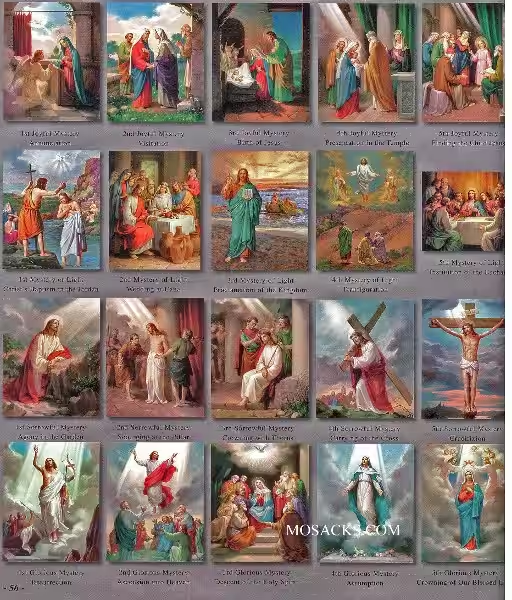
The Joyful Mysteries, traditionally prayed on Mondays and Saturdays, focus on the early life of Jesus and Mary. They are a beautiful reminder of beginnings, of the miraculous unfolding of God’s plan, and the simple yet profound joys that arise from faith and obedience. These mysteries are characterized by a sense of wonder, anticipation, and the pure, unadulterated love that permeated the Holy Family.
The Annunciation: The Humble “Yes” That Changed the World
Our journey begins with the Annunciation, where the Angel Gabriel appeared to Mary, a young virgin, to announce that she would conceive the Son of God. Imagine Mary’s astonishment, her humility, and her ultimate courageous response: “Behold, I am the handmaid of the Lord; let it be to me according to your word.” This moment is a powerful testament to faith in the face of the unknown and the transformative power of a willing heart. It teaches us that even in the most unexpected circumstances, a simple “yes” to God’s will can usher in immense grace and bring about profound change, not just for ourselves, but for all of humanity.
The Visitation: Carrying Christ to Others
Next, we meditate on the Visitation, when Mary, pregnant with Jesus, hastens to visit her cousin Elizabeth, who is also expecting. Upon Mary’s arrival, Elizabeth’s unborn child, John the Baptist, leaps for joy in her womb, recognizing the presence of Christ. This mystery highlights Mary’s charity and her eagerness to share the good news and the presence of Jesus. It’s a beautiful illustration of bringing Christ’s presence to others, especially those in need, and of the joy that erupts when faith encounters faith. This reminds us to be active in sharing our faith and offering comfort and support to those around us, just as Mary did.
The Nativity: The Humble Birth of Our Savior
The Nativity invites us to the stable in Bethlehem, where Jesus is born in humble circumstances. This mystery emphasizes the humility of God, who chose to enter our world not in grandeur, but in poverty and simplicity. It’s a powerful reminder that true wealth lies not in material possessions, but in the spiritual richness of love, faith, and hope. The scene of the manger, with shepherds and wise men marveling, draws us into a spirit of adoration and gratitude for the immense gift of God’s Incarnation. This mystery encourages us to find joy in simplicity and to recognize the divine presence in the most ordinary of places.
The Presentation: Offering and Redemption
Following the Nativity, we reflect on the Presentation of Jesus in the Temple. Here, Mary and Joseph present the infant Jesus to God, fulfilling Jewish law. Simeon, an elderly man filled with the Holy Spirit, recognizes Jesus as the promised Messiah and prophesies about the child’s future, including the sorrows Mary would endure. This mystery underscores the importance of obedience to God’s law and the foreshadowing of Jesus’ redemptive mission. It also highlights Mary’s courageous acceptance of suffering, knowing her Son’s path would be one of sacrifice. This teaches us about the acceptance of God’s plan, even when it involves difficulty, and the profound spiritual significance of offering our lives and our experiences to God.
The Finding of Jesus in the Temple: Youthful Faith and Wisdom
Finally, the Joyful Mysteries conclude with the Finding of Jesus in the Temple. At the age of twelve, Jesus stays behind in Jerusalem, and His parents, distressed, search for Him for three days. When they find Him, Jesus explains, “Did you not know that I must be in my Father’s house?” This mystery emphasizes Jesus’ divine consciousness and His early understanding of His mission. For us, it’s a powerful reminder of the importance of seeking spiritual wisdom and prioritizing our relationship with God, even amidst the demands of daily life. It also speaks to the unique bond and sometimes perplexing journey of understanding God’s will within family relationships.
The Luminous Mysteries: The Public Ministry of Christ
Introduced by Pope John Paul II, the Luminous Mysteries, prayed on Thursdays, illuminate the public ministry of Jesus, highlighting key moments when Christ revealed His divine glory and taught His followers. These mysteries offer a deeper insight into Jesus’ identity as the Son of God and the Good Shepherd, guiding us through His teachings and His mission of love and salvation.
The Baptism of Jesus: A Divine Affirmation
We begin the Luminous Mysteries with the Baptism of Jesus in the Jordan River. As Jesus emerges from the water, the heavens open, the Holy Spirit descends like a dove, and a voice from heaven declares, “This is my beloved Son, with whom I am well pleased.” This is a pivotal moment of divine affirmation, where Jesus’ identity is unequivocally revealed. It teaches us about the significance of our own baptism, a sacrament that marks our entry into God’s family and the reception of the Holy Spirit. This mystery encourages us to live out the promises of our baptism and to constantly remember our identity as beloved children of God.
The Wedding at Cana: Grace and Transformation
The Wedding at Cana depicts Jesus’ first public miracle, where He transforms water into wine. This event, prompted by His mother Mary’s intercession, signifies Jesus’ power to bring joy, abundance, and transformation into our lives. It’s a beautiful illustration of how Jesus elevates ordinary situations and imbues them with divine grace. This mystery reminds us to bring our needs, big and small, to Jesus through prayer, and to trust in His ability to turn our “water” into something far more wonderful.
The Proclamation of the Kingdom of God: A Call to Repentance
Next, we meditate on the Proclamation of the Kingdom of God, a central theme of Jesus’ public ministry. Jesus announced that the Kingdom of God is at hand, calling people to repent and believe the good news. This mystery is a powerful call to re-evaluate our lives, to turn away from sin, and to embrace God’s reign in our hearts. It’s about recognizing that God’s kingdom is not just a future reality, but a present one, accessible to those who open their hearts to His love and teachings.
The Transfiguration: A Glimpse of Divine Glory
The Transfiguration offers a breathtaking glimpse of Jesus’ divine glory. On a mountaintop, Jesus’ face shone like the sun, and His clothes became dazzling white. Moses and Elijah appeared, speaking with Him. This mystery reveals Jesus in His full divinity, a profound moment that strengthens the faith of His disciples. It reminds us that even amidst the struggles of earthly life, there is a divine glory and hope that awaits us. It’s a promise of the beatific vision, the full face-to-face encounter with God we will experience in heaven.
The Institution of the Eucharist: The Gift of Divine Presence
The Luminous Mysteries conclude with the Institution of the Eucharist. At the Last Supper, Jesus broke bread and shared wine, saying, “This is my body… This is my blood… do this in remembrance of me.” This mystery celebrates the gift of the Eucharist, Jesus’ true presence in the Blessed Sacrament. It is the ultimate expression of God’s love, offering Himself to us as spiritual nourishment. This mystery calls us to approach the Eucharist with reverence, love, and a deep appreciation for the divine encounter it offers, a continuous source of strength and grace for our faith journey.
The Sorrowful Mysteries: Embracing Sacrifice and Suffering
The Sorrowful Mysteries, prayed on Tuesdays and Fridays, delve into the Passion and death of Jesus. These mysteries are characterized by pain, sacrifice, and ultimate love, inviting us to contemplate the depth of Christ’s suffering for our salvation. They are moments of profound reflection on the cost of sin and the immense mercy of God.
The Agony in the Garden: The Weight of the World
We begin the Sorrowful Mysteries with the Agony in the Garden. After the Last Supper, Jesus went to Gethsemane to pray, experiencing intense spiritual anguish as He contemplated the weight of the world’s sins. He prayed, “Not my will, but yours be done.” This mystery illustrates Jesus’ humanity and His profound obedience to the Father’s will, even in the face of immense suffering. It teaches us about the importance of perseverance in prayer, especially during times of trial, and the courage to surrender our own desires to God’s greater plan.
The Scourging at the Pillar: The Pain of Rejection
The Scourging at the Pillar depicts Jesus being brutally beaten and whipped before His crucifixion. This agonizing experience symbolizes the pain of rejection and the physical suffering He endured for our sins. It is a stark reminder of the cruelty humanity can inflict and the profound sacrifice Jesus willingly accepted. This mystery encourages us to reflect on our own capacity for cruelty and to offer our suffering, united with Christ’s, for the redemption of souls.
The Crowning with Thorns: The Mockery of Divinity
Next, we meditate on the Crowning with Thorns. Soldiers mocked Jesus by placing a crown of thorns on His head and a purple robe on His shoulders, hailing Him as “King of the Jews” in derision. This painful ordeal highlights the mockery and humiliation Jesus faced, demonstrating His ultimate humility and love in the face of derision. It teaches us to bear insults and ridicule with patience and grace, recognizing that true kingship lies in love and service, not in worldly power.
The Carrying of the Cross: The Burden of Our Sins
The Carrying of the Cross shows Jesus, weakened and bleeding, struggling to carry the heavy wooden cross to Golgotha. This mystery represents the immense burden of our sins that Jesus willingly carried. It’s a powerful visual of the weight of responsibility and the arduous journey of redemption. This mystery urges us to reflect on the burdens we place upon Christ through our actions and to strive to lighten His load by living virtuous lives and seeking forgiveness.
The Crucifixion: The Ultimate Act of Love
The Sorrowful Mysteries culminate with the Crucifixion. Jesus is nailed to the cross, a brutal and agonizing death, yet from the cross, He utters words of forgiveness: “Father, forgive them, for they know not what they do.” This is the ultimate act of love and sacrifice, the complete offering of Himself for the salvation of humanity. The Crucifixion is the central mystery of our faith, demonstrating God’s immeasurable love and the power of forgiveness. It calls us to embrace sacrifice, extend forgiveness, and find hope even in our darkest moments.
The Glorious Mysteries: Celebrating Victory and Eternal Hope
The Glorious Mysteries, prayed on Wednesdays and Sundays, focus on the Resurrection of Jesus and the events that followed, culminating in Mary’s Assumption and Coronation. These mysteries are filled with joy, triumph, and the ultimate victory of Christ over death, offering us a powerful vision of eternal hope and the fruits of redemption.
The Resurrection: The Triumph Over Death
Our journey through all the Rosary mysteries reaches its glorious peak with the Resurrection of Jesus. This is the cornerstone of our faith, the ultimate proof of Christ’s divinity and His victory over sin and death. The empty tomb signifies the triumph of life over death, a promise of eternal life for all who believe. This mystery fills us with immense joy and hope, reminding us that even after suffering and death, new life and ultimate victory are possible through faith in Jesus.
The Ascension: Christ’s Return to the Father
Following the Resurrection, we meditate on the Ascension of Jesus into Heaven. After forty days of appearing to His disciples, Jesus ascended, promising the coming of the Holy Spirit. This event signifies Christ’s return to His rightful place at the Father’s right hand and His ongoing intercession for us. It reminds us that our true home is in heaven and that Jesus has paved the way for our own glorification. The Ascension is a call to lift our minds and hearts to heavenly realities, knowing Christ reigns supreme.
The Descent of the Holy Spirit: The Power of God’s Presence
The Descent of the Holy Spirit at Pentecost marks the empowering of the Apostles and the birth of the Church. The Holy Spirit descended upon them in tongues of fire, enabling them to boldly preach the Gospel. This mystery celebrates the gift of the Holy Spirit, who continues to guide, strengthen, and inspire us. It’s a reminder that we are not alone in our faith journey, but are filled with the divine presence, empowering us to live out our Christian calling and to share the Good News with the world.
The Assumption of Mary: Our Heavenly Mother’s Triumph
The Assumption of Mary celebrates the dogma that Mary, the Mother of God, was taken body and soul into heaven. This mystery is a testament to Mary’s unique role in salvation history and her purity of life. It signifies her victory over death and her glorious reception into heaven. This mystery offers us comfort and inspiration, as Mary, our Heavenly Mother, intercedes for us and serves as a model of faith and devotion. Her Assumption is a beautiful foreshadowing of our own future resurrection and eternal union with God.
The Coronation of Mary: Queen of Heaven and Earth
The Glorious Mysteries conclude with the Coronation of Mary as Queen of Heaven and Earth. In heaven, Mary is crowned by her Son, Jesus, and honored as Queen. This mystery honors Mary’s queenship and her profound love and devotion to God and humanity. It encourages us to turn to her with confidence, knowing she is a powerful intercessor and a loving mother. Her coronation is a celebration of God’s grace and a reminder of the ultimate joy and glory that await the faithful in the heavenly kingdom.
Exploring all the Rosary mysteries is a transformative experience. It’s a journey through the entirety of salvation history, from the humble beginnings of Christ’s Incarnation to His glorious triumph and the enthronement of His Mother. Each decade, each Hail Mary, is an opportunity to draw closer to God, to understand His love more deeply, and to allow His grace to transform our lives. May this exploration of all the Rosary mysteries inspire you to pray the Rosary with renewed devotion and a deeper appreciation for its profound spiritual riches.
Frequently Asked Questions About the Rosary Mysteries
What are the Rosary Mysteries?
The Rosary Mysteries are meditations on key events in the lives of Jesus and Mary, as recounted in the Gospels. They are prayed in cycles, with each mystery focusing on a specific moment.
How many sets of Mysteries are there?
There are four sets of Rosary Mysteries: the Joyful Mysteries, the Luminous Mysteries, the Sorrowful Mysteries, and the Glorious Mysteries.
When are the Joyful Mysteries prayed?
The Joyful Mysteries are traditionally prayed on Mondays and Saturdays, and also on Sundays during Advent.
What are the Joyful Mysteries?
The Annunciation
The Visitation
The Nativity
The Presentation of Jesus in the Temple
The Finding of Jesus in the Temple
When are the Luminous Mysteries prayed?
The Luminous Mysteries are traditionally prayed on Thursdays.
What are the Luminous Mysteries?
The Baptism of Jesus in the Jordan
The Wedding at Cana
The Proclamation of the Kingdom of God
The Transfiguration
The Institution of the Eucharist
When are the Sorrowful Mysteries prayed?
The Sorrowful Mysteries are traditionally prayed on Tuesdays and Fridays, and also on Sundays during Lent.
What are the Sorrowful Mysteries?
The Agony in the Garden
The Scourging at the Pillar
The Crowning with Thorns
The Carrying of the Cross
The Crucifixion
When are the Glorious Mysteries prayed?
The Glorious Mysteries are traditionally prayed on Wednesdays and Sundays.