In the grand narrative of faith, few themes resonate as profoundly and universally as reconciliation. It’s a concept that touches every aspect of our human experience, from the fractured relationships we navigate daily to the ultimate restoration promised in the divine. This article delves into the heart of biblical reconciliation, exploring its multifaceted meaning and offering a roadmap for living out this transformative principle in our lives. We’ll journey through scripture, uncovering verses that illuminate God’s unwavering desire to mend what is broken, and discover how this divine initiative calls us to become agents of healing and unity in a world often defined by division.
Reconciliation isn’t just a theological abstract; it’s a practical, action-oriented calling. It’s about bridging divides, mending hearts, and restoring harmony. Whether we’re speaking of the reconciliation between God and humanity, or the reconciliation between individuals, families, or even nations, the underlying principle is the same: bringing together what has been separated, often through sacrifice, forgiveness, and grace. This journey will equip you with a deeper understanding and practical tools to embrace and embody this vital aspect of our faith.
The Divine Initiative: God’s Heart for Reconciliation
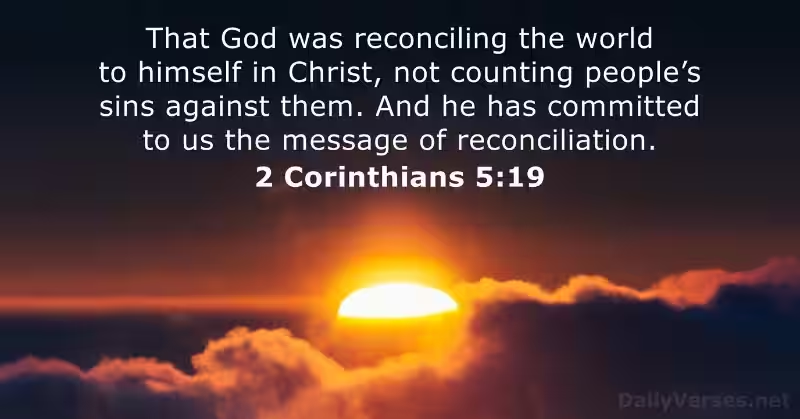
At its core, biblical reconciliation begins with God. Long before humanity could even conceive of mending its own brokenness, God initiated the process of reconciliation. The fall of humanity in the Garden of Eden created a chasm between us and our Creator, a separation that marred every aspect of existence. Yet, God’s love is not one that abandons; it’s a love that pursues. This is beautifully captured in 2 Corinthians 5:18-19: “All this is from God, who reconciled us to himself through Christ and gave us the ministry of reconciliation: that God was reconciling the world to himself in Christ, never counting people’s sins against them. And he has committed to us the message of reconciliation.” This passage is a cornerstone, revealing that God is the primary reconciler, actively working to restore His relationship with us.
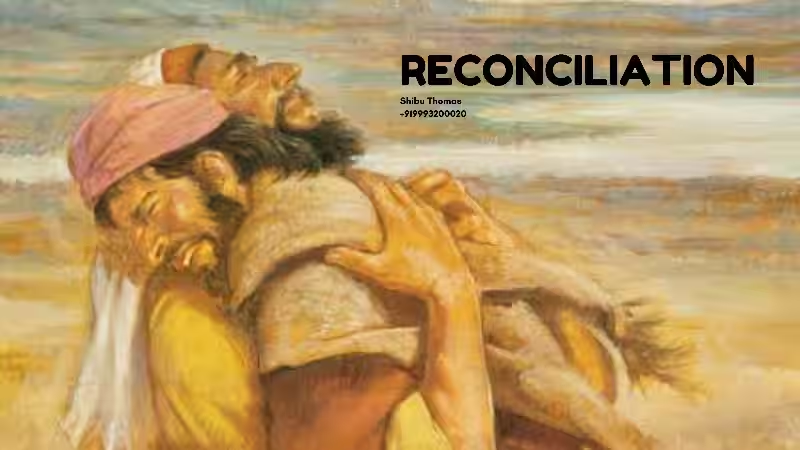
Consider the imagery of a parent whose child has strayed far from home. The parent doesn’t wait for the child to earn their way back; instead, the parent actively seeks them out, opens their arms wide, and welcomes them with unconditional love. This mirrors God’s relentless pursuit of humanity. His plan for reconciliation wasn’t a last-minute fix; it was woven into the very fabric of His redemptive design. It’s a testament to God’s unwavering commitment to wholeness and restoration, a desire that extends beyond just forgiveness to a profound re-establishment of relationship. This divine initiative is the foundation upon which all other forms of reconciliation are built.
The Ultimate Sacrifice: Reconciliation Through Christ
The ultimate demonstration of God’s desire for reconciliation is found in the person and work of Jesus Christ. His life, death, and resurrection are the pivotal moments in the grand story of reconciliation. Through Christ’s sacrifice on the cross, the barrier of sin that separated humanity from God was definitively broken. Colossians 1:19-20 powerfully states: “For God was pleased to have all his fullness dwell in him, and through him to reconcile to himself all things, whether things on earth or things in heaven, by making peace through his blood, shed on the cross.” This verse highlights the cosmic scope of Christ’s redemptive work, extending beyond individual salvation to the restoration of all creation.
Think of it like a crucial bridge that has collapsed, severing communication and connection between two vital communities. Jesus, in His divine love and perfect sacrifice, became that bridge, rebuilding what was destroyed. His blood, shed on the cross, is the divine currency that paid the price for our sin, thereby enabling God and humanity to be brought back into intimate fellowship. This wasn’t just a symbolic act; it was a tangible and powerful reconciliation that opened the way for us to have a restored relationship with our Creator, a relationship characterized by grace, forgiveness, and eternal life.
Reconciliation in Human Relationships: A Mandate for Believers
The divine work of reconciliation doesn’t end with our relationship with God; it extends outward, calling us to be instruments of peace and healing in our human connections. If God has reconciled us to Himself, then we, in turn, are called to be reconcilers among ourselves. Matthew 5:9 declares, “Blessed are the peacemakers, for they will be called children of God.” This beatitude isn’t about avoiding conflict; it’s about actively working towards harmony and resolution, reflecting God’s own heart for unity. Being a peacemaker requires courage, humility, and a willingness to step into difficult situations with love.
Consider a family feud that has festered for years, creating deep wounds and estrangement. The call to peacemaking means being willing to be the first to extend an olive branch, to listen without judgment, and to seek understanding, even when it’s painful. It’s about embodying the spirit of Christ, who, even while we were still sinners, died for us (Romans 5:8). This principle of proactive, sacrificial love is the bedrock of human reconciliation, urging us to prioritize restored relationships over pride or stubbornness.
The Practice of Forgiveness: The Key to Unlocking Reconciliation
At the heart of human reconciliation lies the transformative power of forgiveness. It’s often the most challenging, yet most essential, element in mending fractured relationships. Jesus Himself taught the importance of forgiveness. In Mark 11:25, He said, “And when you stand praying, if you hold anything against anyone, forgive them, so that your Father in heaven may forgive you your sins.” This verse links our ability to receive God’s forgiveness with our willingness to extend it to others, highlighting the interconnectedness of divine and human forgiveness.
Imagine a friend who has deeply hurt you. Holding onto that hurt is like carrying a heavy burden that weighs you down. Forgiveness, on the other hand, is like setting that burden down, freeing yourself from its grip. It doesn’t mean condoning the wrong action or forgetting the pain, but rather releasing the offender from the debt they owe you, just as Christ has released us from our debt of sin. This act of radical, unmerited forgiveness is a powerful demonstration of God’s grace at work in our lives, and it is indispensable for genuine reconciliation.
Reconciliation in the Church Community: Unity in Diversity
The church, as the body of Christ, is uniquely positioned to be a beacon of reconciliation in the world. However, even within the community of believers, divisions and disagreements can arise. The Apostle Paul frequently addressed issues of disunity and urged the early churches to embrace reconciliation. In Ephesians 4:3, he implores, “Make every effort to keep the unity of the Spirit through the bond of peace.” This verse emphasizes that unity is not a passive state but an active pursuit, requiring intentional effort and commitment from all members.
Think of a diverse team working on a project. Each member brings unique skills and perspectives, which can lead to rubrics and disagreements. However, if they are committed to the shared goal, they will find ways to bridge their differences, listen to each other, and work collaboratively. Similarly, in the church, our differences in opinions, backgrounds, and gifts should not be sources of division but opportunities for richer understanding and deeper unity when we are grounded in Christ’s love and committed to mutual respect. This pursuit of unity is a vital testament to the reconciling power of the Gospel.
Restoring Broken Fellowship: Practical Steps for Church Reconciliation
When conflicts arise within the church, the call to reconciliation means actively engaging in processes that restore broken fellowship. This often involves open and honest communication, humility, and a genuine desire to understand the other person’s perspective. Galatians 6:1 offers practical guidance: “Brothers and sisters, if someone is caught in a sin, you who live by the Spirit should restore that person gently. But watch yourselves, or you also may be tempted.” This verse underscores the importance of approaching those who have erred with both grace and discernment, aiming for restoration rather than condemnation.
Imagine a situation where two church members have had a significant falling out, leading to a strained atmosphere within the congregation. The path to reconciliation might involve a mediated conversation, where a neutral party helps them to express their hurts, listen to each other, and find a way forward. It might also involve a period of prayer and reflection, seeking God’s wisdom and strength to overcome pride and offense. These practical steps, guided by biblical principles, are crucial for rebuilding trust and fostering a healthy, unified church community where the message of reconciliation can be powerfully proclaimed.
The Ongoing Journey: Living a Life of Reconciliation
Ultimately, biblical reconciliation is not a one-time event but an ongoing journey, a way of life. It’s about consistently choosing to live in alignment with God’s heart for restoration, both in our relationship with Him and in our interactions with others. As 1 John 1:9 reminds us, “If we confess our sins, he is faithful and just and will forgive us our sins and purify us from all unrighteousness.” This verse highlights the continuous cycle of confession, forgiveness, and purification that keeps our relationship with God vibrant and healthy.
Living a life of reconciliation means being mindful of the opportunities God presents to be an agent of His peace. It involves cultivating a heart that is quick to forgive, slow to anger, and eager to build bridges. It’s about embracing the transformative power of the Gospel and allowing it to shape our character, influencing every relationship we have. This commitment to ongoing reconciliation is a powerful testament to our faith, reflecting God’s own boundless love and His desire for a world restored.
Frequently Asked Questions: Biblical Reconciliation Verses and Religion
What are some key biblical verses about reconciliation?
The Bible speaks extensively about reconciliation, particularly in the context of God’s relationship with humanity and between people. Here are a few key verses:
2 Corinthians 5:18-19: “All this is from God, who reconciled us to himself through Christ and gave us the ministry of reconciliation: that God was reconciling the world to himself in Christ, not counting people’s sins against them. And he has committed to us the message of reconciliation.”
Colossians 1:19-20: “For God was pleased to have all his fullness dwell in him, and through him to reconcile to himself all things, whether things on earth or things in heaven, by making peace through his blood, shed on the cross.”
Romans 5:10: “For if, while we were still enemies, we were reconciled to God through the death of his Son, how much more, having been reconciled, shall we be saved through his life.”
Ephesians 2:16: “and in one body reconcile both of them to God through the cross, by which he put to death their hostility.”
Matthew 5:23-24: “Therefore, if you are offering your gift at the altar and there remember that your brother has something against you, leave your gift there before the altar. First go and be reconciled to your brother; then come and offer your gift.”
How does the concept of reconciliation apply to different religions?
While the specific theological framework and terminology may differ, the concept of reconciliation plays a significant role across various religious traditions. Generally, it involves seeking to mend broken relationships, whether between individuals, communities, or humanity and the divine.
Christianity: As highlighted by the verses above, Christian theology emphasizes God’s act of reconciliation through Jesus Christ, offering forgiveness and restoring humanity’s relationship with God. It also calls followers to be agents of reconciliation in their interactions with others.
Judaism: Judaism emphasizes teshuvah (repentance) and shalom (peace, wholeness). Reconciliation often involves seeking forgiveness from those one has wronged, making amends, and restoring harmonious relationships within the community and with God.
Islam: Islam emphasizes tawbah (repentance) and seeking Allah’s forgiveness. Reconciliation with God is central, and Muslims are encouraged to foster peace and reconciliation among people, forgiving those who have wronged them.
Buddhism: While not framed in terms of “reconciliation” in a theological sense, Buddhist teachings on compassion, forgiveness, and understanding aim to alleviate suffering and mend broken relationships. Practices like meditation and mindfulness can help individuals cultivate inner peace and approach conflicts with a desire for harmony.
Hinduism: Hinduism encompasses diverse traditions, but the pursuit of harmony (dharma) and the concept of karma often lead to practices that aim to restore balance and resolve discord. Forgiveness and acts of devotion can be seen as ways to reconcile oneself with the divine and with others.
What is the biblical meaning of “reconciliation”?
In a biblical context, reconciliation primarily refers to the process of restoring a broken relationship. This is most profoundly understood as God’s initiative to restore humanity’s broken relationship with Him, which was estranged by sin. Through the atoning work of Jesus Christ, believers are reconciled to God.
Beyond the divine-human relationship, biblical reconciliation also calls believers to actively seek reconciliation in their earthly relationships, forgiving others as they have been forgiven and working towards peace and restored fellowship.
How is reconciliation different from forgiveness?
While closely related, reconciliation and forgiveness are distinct concepts.
Forgiveness is a personal decision to release resentment and anger towards someone who has wronged you, regardless of whether they repent or apologize. It’s about freeing oneself from the burden of hurt.
Reconciliation is the process of restoring a relationship. It typically involves both parties, often requiring repentance, confession, and a mutual desire to rebuild trust and fellowship. Forgiveness is often a necessary component of reconciliation, but reconciliation goes further in seeking to mend the broken bond.
In a biblical sense, God forgives sins, and through Christ, He offers reconciliation. Believers are called to forgive others, and ideally, this forgiveness leads to reconciliation where possible.