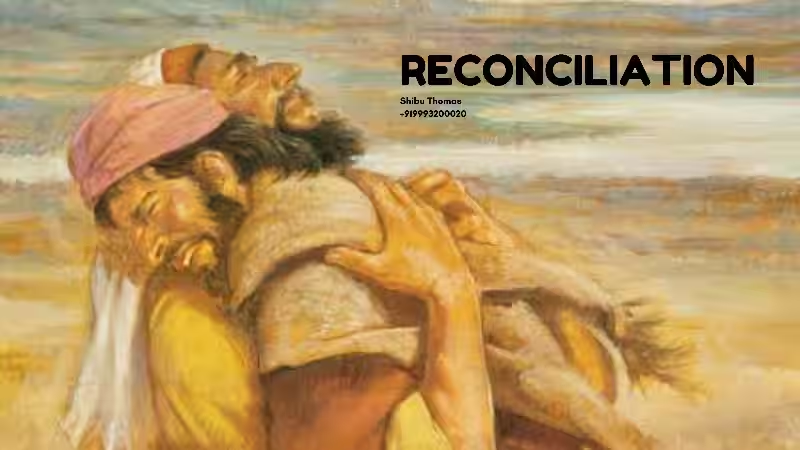
The human experience is often a tapestry woven with threads of connection and threads of discord. We yearn for harmony within ourselves, between our loved ones, and in the wider world. Yet, inevitably, misunderstandings, hurts, and betrayals can fray these threads, leaving us with the painful sting of separation. In these moments, when the chasm between hearts seems too wide to bridge, prayer for reconciliation becomes a potent and deeply personal recourse. This article explores the profound role of prayer in navigating the complex landscape of broken relationships, drawing from the wisdom of various religious traditions. We will delve into how prayer can foster understanding, heal wounds, and ultimately guide us towards restoring peace.
Religion, in its myriad forms, has long recognized the human need for atonement and mending. Across diverse faiths, prayers for reconciliation are not merely requests for divine intervention, but active spiritual practices that cultivate inner transformation and inspire outward action. They acknowledge our imperfections and our capacity for both causing and receiving hurt. By turning to a higher power, we invite a perspective that transcends our immediate pain, allowing for empathy, forgiveness, and renewed connection. This journey of reconciliation, often arduous, is fundamentally spiritual, requiring humility, courage, and an unwavering hope for a brighter future.
The Anatomy of Brokenness: Understanding the Seeds of Discord
Before we can truly pray for reconciliation, it’s essential to understand the roots of discord in our lives. These can manifest in myriad ways, from the subtle whispers of miscommunication to the deafening roars of deep-seated conflict. Often, the initial break isn’t a dramatic event, but a slow erosion of trust, a series of unaddressed grievances, or a failure to listen with an open heart. For instance, a seemingly minor comment, taken the wrong way, can fester if not addressed, leading to a silent distance between friends that gradually widens.
These fractures can occur in all our relationships: within families, where ingrained patterns of interaction can lead to recurring arguments; between friends, where differing life paths or perceived slights can create rifts; and even within communities, where differing beliefs or social dynamics can breed animosity. The common thread is often a lack of mutual understanding, a tendency to project our own fears and insecurities onto others, and a reluctance to admit our own part in the breakdown. Recognizing these patterns is the first step towards healing.
A simple example to illustrate this is the scenario of two siblings who are no longer speaking due to a disagreement over their inheritance. One sibling feels they were unfairly treated, while the other believes they acted according to their parents’ wishes. The underlying emotions are likely anger, resentment, and a sense of injustice on both sides. Without open communication and a willingness to see the other’s perspective, this rift can persist for years, impacting the entire family dynamic.
The Power of Prayer: A Bridge to Understanding and Forgiveness
Prayer for reconciliation is not a passive plea for a magical fix, but an active engagement with the divine that opens our hearts and minds to the possibility of restoration. It’s an invitation to a higher power to guide our thoughts, soften our judgments, and imbue us with the strength to reach out. Through prayer, we can begin to see the situation from a new vantage point, one that acknowledges the humanity of the other person and the shared desire for peace that likely exists beneath the surface of conflict.
One of the core tenets of prayer for reconciliation is the cultivation of empathy. When we pray, we can ask for the grace to understand the other person’s pain, their motivations, and their perspective, even if we don’t agree with it. This doesn’t mean condoning harmful actions, but rather acknowledging the complex human factors that contribute to conflict. A simple prayer might sound like this:
“Loving God, grant me the eyes to see [person’s name] not as an adversary, but as a fellow soul, struggling and imperfect, just as I am. Help me to understand the hurt they may carry, and to approach them with a heart of compassion and a spirit of willingness to mend what has been broken.”
This type of prayer shifts the focus from blame to understanding, paving the way for genuine dialogue and the possibility of forgiveness, both for ourselves and for others. It acknowledges that healing requires vulnerability and a willingness to step outside our own pain.
Cultivating Forgiveness: A Divine Directive and Personal Journey
Forgiveness is often the most challenging, yet most crucial, element in reconciliation. It is rarely an easy act, especially when deep wounds have been inflicted. However, religious traditions consistently highlight forgiveness as a divine imperative and a path to spiritual liberation. Prayer can be instrumental in this process, helping us to release the burden of resentment and anger that can weigh us down.
Consider the profound impact of the Lord’s Prayer from the Christian tradition: “And forgive us our trespasses, as we forgive those who trespass against us.” This powerful invocation links our own plea for divine mercy with our willingness to extend mercy to others. It underscores the idea that forgiveness is a reciprocal act, a spiritual law that can unlock healing in our own lives.
Many spiritual practices involve a dedicated prayer of release. For example, in some traditions, individuals might pray:
“Heavenly Father/Mother, I come before you with a heavy heart, carrying the burden of grievance against [person’s name]. I acknowledge the pain they have caused. But today, with your help, I choose to release this anger and resentment. I pray for the strength to forgive, not for their sake alone, but for the freedom and peace it will bring to my own spirit. May your grace wash over me and cleanse me of this bitterness.”
This prayer is not about forgetting the hurt, but about choosing to let go of its power over us. It’s a declaration of our intention to move forward, unburdened by the past, and open to the possibility of a restored connection.
The Art of Active Listening: Hearing Beyond the Words
Reconciliation is a two-way street, and active listening is a vital component of any successful effort to mend broken relationships. Prayer can prepare us for this crucial skill by fostering patience, humility, and a genuine desire to understand. When we approach a conversation with a prayerful heart, we are more likely to listen attentively, seeking to grasp the unspoken emotions and underlying needs of the other person.
In many religious contexts, listening is considered a form of spiritual discipline. It requires us to quiet our own internal monologue, set aside our immediate defenses, and truly hear what the other person is conveying. This means listening not just to their words, but to their tone, their body language, and the emotions that lie beneath. A simple practice might involve praying before an important conversation:
“Divine Spirit, grant me the gift of attentive listening. Help me to hear with my heart as well as my ears. May I be patient, even when faced with difficult words, and may I seek to understand the truth behind their expression. Silence my own ego and open my mind to their perspective.”
When we truly listen, we create a safe space for the other person to express themselves, which is essential for building trust and fostering a sense of being heard and validated. This is particularly important in situations where past misunderstandings have created a climate of suspicion. For instance, imagine a parent and adult child who have been estranged. The child might have felt unheard and invalidated for years. For reconciliation to occur, the parent needs to actively listen to the child’s experiences and acknowledge their feelings, even if they don’t fully agree with their interpretation of events.
Prayers for Healing and Restoration: Rebuilding the Bonds of Connection
Once understanding and forgiveness have begun to take root, the focus shifts to actively healing the wounds and rebuilding the bonds of connection. Prayer plays a vital role in this stage, infusing our efforts with divine intention and the hope for lasting peace. This is where we pray for strength, courage, and wisdom as we navigate the delicate process of re-establishing trust and intimacy.
In many faith traditions, there are specific prayers for mending relationships. These prayers are often imbued with a sense of hope and a belief in the possibility of renewal. They acknowledge that healing takes time and effort, and that the divine can guide us through this process. A prayer for restoration might include:
“Creator of all, you who bring life from barrenness and light from darkness, I pray for the restoration of this relationship between myself and [person’s name]. May you heal the hurts that have been inflicted and mend the breaches that have occurred. Grant us the grace to rebuild trust, to speak with honesty and kindness, and to rediscover the shared love and respect that once bound us. May our renewed connection become a testament to your healing power.”
This prayer is a powerful affirmation of our belief in the possibility of repair. It’s an act of faith, trusting that even in the face of significant damage, healing and restoration are possible. It also signifies our commitment to actively participating in the rebuilding process, guided by divine principles.
The Path Forward: Living in Harmony and Grace
The journey of reconciliation, fueled by prayer, doesn’t end with a single conversation or a moment of forgiveness. It is an ongoing commitment to living in harmony and grace. This means continuing to cultivate the qualities of empathy, understanding, and compassion in all our interactions, and regularly turning to prayer for strength and guidance.
Religious teachings often emphasize the importance of perseverance in love and forgiveness. It’s about actively choosing to nurture the healed relationship, being mindful of past hurts, but not letting them define the present or the future. This might involve regular check-ins, continuing to practice active listening, and being willing to address any new misunderstandings that arise with the same spirit of reconciliation.
Ultimately, prayers about reconciliation are not just for moments of crisis, but for the daily cultivation of peace. They are a reminder that we are all interconnected, and that the well-being of our relationships is essential to our own spiritual growth. By embracing the power of prayer, we can become agents of healing, transforming division into connection and discord into harmony, one prayerful step at a time. The divine spark within us yearns for connection, and prayer is a profound way to nurture that spark and allow it to illuminate the path towards a more peaceful and loving world.
Frequently Asked Questions about Prayers for Reconciliation
What is a prayer for reconciliation?
A prayer for reconciliation is a petition to a higher power, typically God in many religions, asking for help in restoring harmony, understanding, and forgiveness between individuals or groups who are in conflict or estranged. These prayers often seek to mend broken relationships, heal divisions, and foster peace.
In what religious traditions are prayers for reconciliation found?
Prayers for reconciliation are a common element across many major religions. They are found in Christianity (various denominations), Islam, Judaism, Hinduism, Buddhism, and many indigenous spiritual traditions. The specific wording and theological underpinnings may differ, but the core intention of seeking restored connection and peace is universal.
What are common themes in prayers for reconciliation?
Common themes include:
Confession of wrongdoing and seeking forgiveness.
Asking for the strength to forgive others.
Praying for understanding and empathy for those with whom there is conflict.
Seeking divine intervention to guide hearts and minds toward peace.
Praying for the wisdom to know how to act and speak to promote reconciliation.
Expressing a desire for unity and the mending of broken bonds.
Can anyone pray for reconciliation, regardless of their religious beliefs?
While the language and specific invocation of deities might be tied to particular religions, the act of praying for reconciliation can be a deeply personal spiritual practice. Individuals may adapt prayers to their own understanding of the divine or the universe, focusing on the intention of fostering peace and healing relationships. Many find solace and guidance in the universal principles of love, compassion, and forgiveness that underpin these prayers.
Are there specific prayers for reconciliation within different religions?
Yes, each religion offers specific prayers and practices. For example:
Christianity: Prayers often invoke Jesus Christ and the concept of atonement. Examples include prayers for forgiveness, prayers for peace, and prayers for the Church to be united.
Islam: Muslims may recite verses from the Quran or invoke Allah’s attributes of mercy and forgiveness. Prayers for reconciliation often focus on seeking Allah’s guidance to mend relationships and foster brotherhood.
Judaism: Prayers like the “Avinu Malkeinu” (Our Father, Our King) can be adapted for reconciliation, and specific prayers for peace and forgiveness are central to High Holy Day liturgy.
Hinduism: Prayers might invoke deities associated with peace and harmony, such as Vishnu or Shiva, and focus on concepts of karma and the desire for a righteous path.
Buddhism: While not always framed as “prayer” in the Abrahamic sense, meditations and recitations focusing on compassion, loving-kindness (metta), and the intention to alleviate suffering can serve a similar purpose in fostering reconciliation.
When might someone typically offer prayers for reconciliation?
People offer prayers for reconciliation in various situations, including:
After personal arguments or misunderstandings with family, friends, or colleagues.
During times of societal division or conflict.
When seeking to mend a broken relationship.
As part of spiritual disciplines focused on peace and compassion.
In response to collective grievances or historical injustices.