The loss of a loved one is an incredibly challenging and emotional experience, often leaving us feeling adrift in a sea of grief. Amidst the sorrow, the Roman Catholic funeral Mass program emerges as a beacon of spiritual solace and communal support. It’s more than just a printed booklet; it’s a carefully orchestrated liturgy designed to honor the deceased’s life, offer comfort to the grieving, and reaffirm the Catholic faith’s hope in eternal life. Understanding the structure and significance of a Roman Catholic funeral Mass program can provide clarity and peace during a difficult time, allowing families to focus on remembrance and spiritual preparation.
This guide aims to demystify the Roman Catholic funeral Mass program, offering a comprehensive and relatable overview for those planning or attending a funeral. We’ll explore the various components, their theological underpinnings, and practical considerations, all while keeping the personal journey of mourning at the forefront. Whether you’re a close family member tasked with arrangements or a friend seeking to understand the proceedings, this article will equip you with the knowledge to navigate this sacred rite with confidence and grace.
The Purpose and Significance of the Roman Catholic Funeral Mass Program
At its core, a Roman Catholic funeral Mass program serves a dual purpose: spiritual commemoration and communal witness. It is a tangible representation of the Church’s belief in the resurrection of Christ and the hope of eternal life for believers. The Mass itself is a prayerful offering for the soul of the deceased, seeking God’s mercy and eternal rest, while simultaneously providing a space for the living to grieve, find strength, and support one another.
This sacred liturgy is not merely a ceremony of farewell but a profound affirmation of faith. The Roman Catholic funeral Mass program guides participants through the prayers, readings, and rituals that collectively express love for the deceased, trust in divine providence, and the certainty of reunion in heaven. It is a public declaration of faith, a communal embrace of the mystery of death and resurrection, and a powerful reminder that even in loss, we are held within God’s unfailing love.
Theological Foundations: Faith, Hope, and Love
The Roman Catholic funeral Mass program is deeply rooted in the theological virtues of faith, hope, and love. Faith in God’s ultimate plan and the promise of eternal life is paramount. The Mass offers prayers that acknowledge God’s sovereignty and express trust in His divine mercy. For instance, prayers often ask that the deceased be welcomed into “the company of the saints” or “the heavenly Jerusalem,” reflecting a deep-seated belief in a glorious afterlife.
Hope sustains the grieving heart, offering the promise of reunion with the departed in God’s presence. The readings are carefully chosen to speak of resurrection, redemption, and the overcoming of death. The Roman Catholic funeral Mass program frequently includes passages from the New Testament, such as those from the Gospel of John or the Letters of Paul, which powerfully articulate the Christian hope of resurrection. Finally, love, both for the deceased and for God, permeates the entire service. The Mass is an act of charity, an offering of prayer for the repose of the soul, and a demonstration of the community’s love and support for the bereaved family.
Community and Support for the Grieving Family
The Roman Catholic funeral Mass program also functions as a vital tool for community building and support. It invites friends, family, and parishioners to gather, share in their grief, and offer practical and emotional assistance to the bereaved. The presence of the wider Church community at the funeral Mass is a powerful testament to the bonds of love and solidarity that transcend earthly life.
By providing a shared structure and common prayers, the Roman Catholic funeral Mass program helps to alleviate some of the organizational burden from the grieving family. It allows them to participate more fully in the prayers and rituals, knowing that the flow of the service is guided. Moreover, the collective act of prayer and remembrance within the Mass can be deeply comforting, reinforcing the idea that the family is not alone in their sorrow but is surrounded by a loving and supportive community.
Deconstructing the Roman Catholic Funeral Mass Program: Key Components
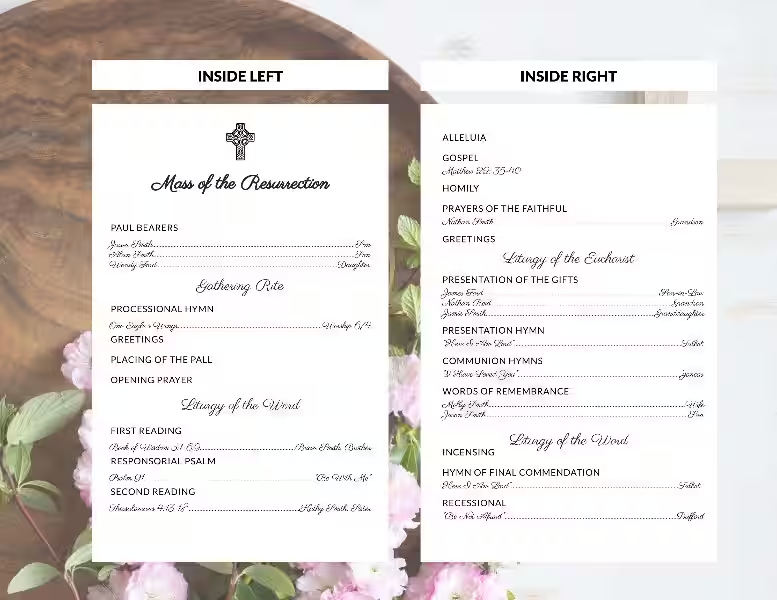
A typical Roman Catholic funeral Mass program is structured to lead attendees through a meaningful and prayerful experience. While specific prayers and readings may vary based on the deceased’s life and the family’s preferences, the fundamental elements remain consistent. Understanding these components can demystify the liturgy and enhance the attendee’s engagement.
Each section of the Roman Catholic funeral Mass program plays a crucial role in the overall narrative of remembrance, prayer, and hope. From the initial welcoming rites to the final commendation, every element is designed to offer spiritual comfort and a profound sense of peace. The program itself acts as a roadmap, guiding both participants and those new to the Catholic tradition through this sacred rite.
The Introductory Rites: Gathering in Prayer and Remembrance
The Roman Catholic funeral Mass program typically begins with the Introductory Rites. These are designed to gather the community and prepare them for the celebration of the Mass. This includes the entrance procession, where the priest and ministers enter, often accompanied by a hymn, symbolizing the journey of life and the arrival of the faithful. The greeting by the priest sets a tone of comfort and welcome, acknowledging the purpose of their gathering.
Following the greeting, the Rite of Blessing and Sprinkling with Holy Water often takes place. This symbolizes the sacrament of Baptism, reminding everyone of their shared identity as children of God and the cleansing power of Christ’s sacrifice. The Penitential Act then follows, where the community acknowledges their sins and asks for God’s mercy and forgiveness, a crucial step in preparing to receive the Eucharist and pray for the deceased. The Opening Prayer, or Collect, concludes these rites, setting the intention for the Mass – the prayer for the deceased and the comfort of the faithful. The Roman Catholic funeral Mass program will clearly outline these steps, often including the text of the prayers.
The Liturgy of the Word: Scripture, Reflection, and Hope
The heart of the Roman Catholic funeral Mass program lies within the Liturgy of the Word. This section features scriptural readings chosen to illuminate the mystery of death and resurrection, offering hope and consolation to the grieving. Typically, there are three readings: a First Reading from the Old Testament, a Responsorial Psalm, and a Second Reading from the New Testament, usually from the Epistles. The Gospel reading follows, often from the Gospels of Matthew, Mark, Luke, or John, offering Christ’s own words on life, death, and eternal life.
These readings are not arbitrary; they are carefully selected to speak directly to the human experience of loss and the Catholic understanding of salvation. For example, a common First Reading might be from the Book of Wisdom, speaking of “the souls of the just are in the hand of God,” offering a profound sense of divine protection. The Responsorial Psalm often provides verses of comfort and trust, such as Psalm 23, “The Lord is my shepherd…”. The Roman Catholic funeral Mass program will list the specific scripture passages, allowing attendees to follow along and meditate on their meaning. The homily, delivered by the priest after the Gospel, is a crucial element, reflecting on the readings and applying their message to the life of the deceased and the present needs of the mourners.
The Liturgy of the Eucharist: Sacrifice, Communion, and Eternal Life
The Liturgy of the Eucharist is the central act of worship in the Roman Catholic funeral Mass program. It is here that the sacrifice of Jesus Christ is made present, and the faithful are invited to receive Him in Holy Communion. This sacred meal is not only a memorial of Christ’s passion, death, and resurrection but also a foretaste of eternal life.
During the Eucharist, the bread and wine are consecrated, becoming the Body and Blood of Christ. For Catholics, receiving communion is a profound act of faith and unity, strengthening their connection to Christ and to each other. The prayers offered during this part of the Mass often include petitions for the deceased, asking that they may share in Christ’s resurrection. The Roman Catholic funeral Mass program guides participants through the Prayers of the Faithful, where specific intentions are offered for the deceased, their family, and the wider community. The Our Father is recited, a universal prayer of petition and surrender, and the Sign of Peace is exchanged, a beautiful gesture of reconciliation and unity.
The Final Commendation and Farewell: Entrusting to God’s Care
The concluding part of the Roman Catholic funeral Mass program is the Final Commendation and Farewell. This is a poignant moment where the Church entrusts the soul of the deceased to God’s loving care. It’s a solemn yet hopeful conclusion to the liturgy, acknowledging the earthly journey’s end and the beginning of the eternal one.
The prayers of commendation are deeply moving, asking God to grant eternal rest and peace to the departed. The priest may lead a final prayer of absolution, invoking God’s mercy and forgiveness upon the soul. The Roman Catholic funeral Mass program will often include the text of these prayers, allowing attendees to offer their own silent intercessions. The Rite of Inculturation, where incense is used, symbolizes the prayers of the faithful rising to heaven. The farewell is a moment of profound trust, placing the deceased into the hands of a loving and merciful God, with the assurance of His eternal promise.
Practical Aspects of the Roman Catholic Funeral Mass Program
Beyond the theological and liturgical components, there are practical considerations that families and attendees should be aware of when dealing with a Roman Catholic funeral Mass program. These aspects ensure the smooth running of the service and help everyone participate meaningfully. Understanding these practicalities can ease the burden on grieving families and allow for a more focused experience of prayer and remembrance.
From selecting readings to understanding the role of different participants, a little practical knowledge goes a long way. The Roman Catholic funeral Mass program is designed to be a helpful tool, and knowing how to utilize it will enhance the overall experience for everyone involved.
Working with the Funeral Director and Parish Priest
The funeral director and the parish priest are invaluable resources when planning a Roman Catholic funeral Mass program. The funeral director can assist with logistical arrangements, coordinating with the church and the family, and often provides templates for the funeral program itself. They understand the rites and customs and can guide families through the process, ensuring all necessary elements are included.
The parish priest plays a central role in guiding the spiritual aspects of the funeral. They will meet with the family to discuss the deceased’s life, select appropriate scripture readings and music, and offer pastoral care and support. The priest will also preside over the Mass, ensuring it is celebrated according to Church tradition. Working closely with both the funeral director and the priest ensures that the Roman Catholic funeral Mass program reflects the family’s wishes while adhering to the sacred rites of the Church.
Choosing Readings, Music, and Eulogies
A significant aspect of personalizing the Roman Catholic funeral Mass program involves selecting readings, music, and deciding on the inclusion of a eulogy. While the core structure of the Mass remains consistent, these choices can imbue the service with a deeply personal touch, reflecting the deceased’s unique life and personality.
Scripture Readings: Families are typically given options for the scripture readings. These can be chosen based on passages that held special meaning for the deceased, or that resonate with the family’s grief and hope. For example, if the deceased was known for their generosity, a reading about charity might be chosen.
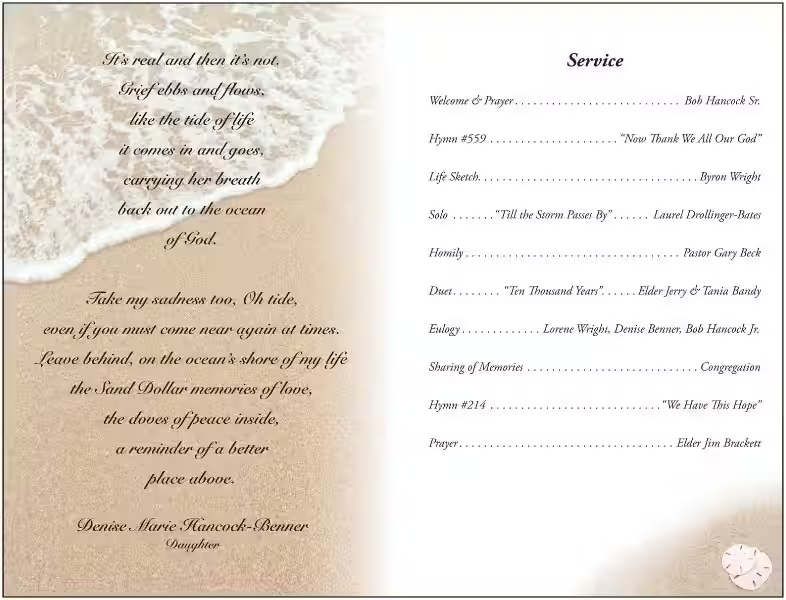
Music: Music plays a vital role in setting the tone and expressing emotions. Hymns can range from traditional liturgical pieces to more contemporary selections that reflect the deceased’s preferences or faith journey. Often, the Roman Catholic funeral Mass program will list the hymns to be sung, allowing attendees to prepare or follow along.
Eulogy: In some cases, a family member or close friend may be invited to deliver a eulogy or a brief remembrance. This is an opportunity to share cherished memories and celebrate the deceased’s life. The priest will usually provide guidance on the length and tone of the eulogy, ensuring it remains respectful and fitting for the sacred setting.
Understanding the Role of Participants: Clergy, Family, and Congregation
Each individual present at a funeral Mass plays a part in the communal act of prayer and remembrance, as outlined in the Roman Catholic funeral Mass program. The clergy, led by the priest, presides over the liturgy, offering prayers and administering the sacraments. Their role is to guide the community in worship and intercession.
The family of the deceased holds a central and deeply personal role. They are the primary recipients of the Church’s comfort and support, and their participation in the Mass, though often accompanied by grief, is a testament to their faith. The congregation, comprised of friends, relatives, neighbors, and parishioners, forms the broader Church community. Their presence and participation, through singing, praying, and sharing in the Eucharist, offer strength and solidarity to the grieving family and join in the communal prayer for the departed. The Roman Catholic funeral Mass program serves as a guide for everyone, ensuring a shared and meaningful experience.
Finding Comfort and Meaning in the Roman Catholic Funeral Mass Program
Navigating the landscape of grief is an intensely personal journey, and the Roman Catholic funeral Mass program offers a familiar and comforting framework within this experience. It provides a sense of order amidst chaos, a shared space for solace, and a powerful affirmation of faith. By understanding its components and purpose, we can approach this sacred rite with greater peace and find deeper meaning in the prayers and rituals.
Ultimately, the Roman Catholic funeral Mass program is a testament to the enduring power of faith, the strength of community, and the unwavering hope in the promise of eternal life. It is a sacred space where love is expressed, memories are honored, and souls are commended to the loving embrace of God. May this guide help you find comfort and meaning as you navigate this important aspect of remembrance and faith.
Frequently Asked Questions: Roman Catholic Funeral Mass
What is a Roman Catholic Funeral Mass?
A Roman Catholic Funeral Mass is a liturgy celebrated by the Catholic Church for the deceased. It is a prayerful offering of the sacrifice of the Mass for the soul of the departed, asking for God’s mercy and the eternal rest of the deceased. It also offers comfort and hope to the bereaved through the celebration of Christ’s resurrection.
What is the purpose of a Catholic Funeral Mass?
The primary purpose is to commend the soul of the deceased to God’s eternal love and mercy. It is also an opportunity for the community to gather in prayer, offer support to the grieving family, and reflect on the mystery of life, death, and resurrection in Christ.
What are the key components of a Catholic Funeral Mass?
A typical Catholic Funeral Mass includes:
Gathering: The entrance procession and opening prayers.
Liturgy of the Word: Readings from Scripture (Old Testament, New Testament, and Gospel) and a homily.
Liturgy of the Eucharist: The offering of bread and wine, which become the Body and Blood of Christ, and the reception of Holy Communion.
Rite of Committal: Prayers and blessings at the place of burial or interment.
Who can be buried with a Catholic Funeral Mass?
Generally, baptized Catholics who were in good standing with the Church are eligible for a Catholic Funeral Mass. There are specific guidelines regarding those who may have been excommunicated or who chose cremation in a way that disrespects the belief in the resurrection of the body. However, pastoral discretion is often exercised.
What is the role of the priest in a Catholic Funeral Mass?
The priest presides over the Funeral Mass, offering prayers, celebrating the Eucharist, and delivering the homily. He is the spiritual guide for the community during this time, offering comfort and articulating the Church’s teachings on death and eternal life.
What are the typical readings chosen for a Catholic Funeral Mass?
Readings are chosen to reflect themes of hope, resurrection, God’s love, and eternal life. Common biblical passages include selections from the Book of Wisdom, Romans, 1 Thessalonians, John, and Matthew. The family often has the opportunity to select readings with guidance from the priest.
Can non-Catholics participate in a Catholic Funeral Mass?
Non-Catholics are welcome to attend a Catholic Funeral Mass. They may participate in prayers and songs, but they are not permitted to receive Holy Communion, as it is reserved for baptized Catholics who are in a state of grace.
What is the significance of cremation for Catholics?
The Catholic Church permits cremation, provided it is not done in a manner that denies or obscures the doctrine of the resurrection of the body. The ashes are to be treated with respect and interred in a burial site or entombed in a columbarium.
What happens after the Funeral Mass?
Following the Funeral Mass, there is usually a Rite of Committal at the cemetery or place of burial where final prayers are offered and the body or ashes are laid to rest. A reception or wake may follow, providing an opportunity for fellowship and remembrance.