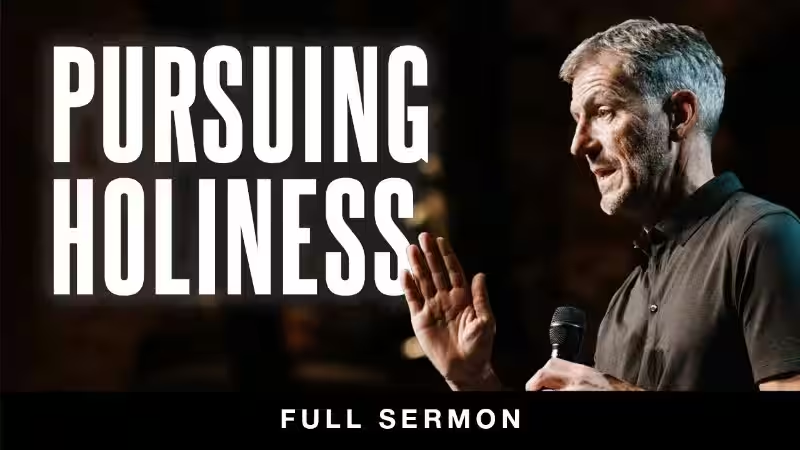
At their core, holiness sermons are much more than just eloquent speeches delivered from a pulpit. They are divine pronouncements, often imbued with a palpable sense of spiritual urgency and a clear call to a life lived in accordance with God’s will. These sermons typically focus on the concept of sanctification, a process by which believers are set apart for God, cleansed from sin, and empowered to live a life that reflects His character. Unlike general religious instruction, holiness sermons often delve deeply into the practical and experiential aspects of faith, emphasizing a transformative relationship with the divine that permeates every facet of a believer’s existence. Think of it as not just knowing about God, but actively participating in His presence and allowing His nature to shine through you.
The delivery of a holiness sermon is often characterized by its passionate and direct appeal to the listener’s heart and conscience. Preachers delivering these messages aim to stir the soul, to awaken a desire for deeper spirituality, and to provide concrete guidance on how to achieve it. This might involve exhortations to forsake worldly desires, to embrace acts of selfless love, or to cultivate disciplines of prayer and scripture study. The ultimate goal is not merely intellectual assent to religious doctrine, but a radical reorientation of the individual’s life, a conscious and continuous striving for a state of being that is pleasing to God. It’s a journey, not a destination, and these sermons serve as powerful navigational tools.
Theological Roots and Historical Significance
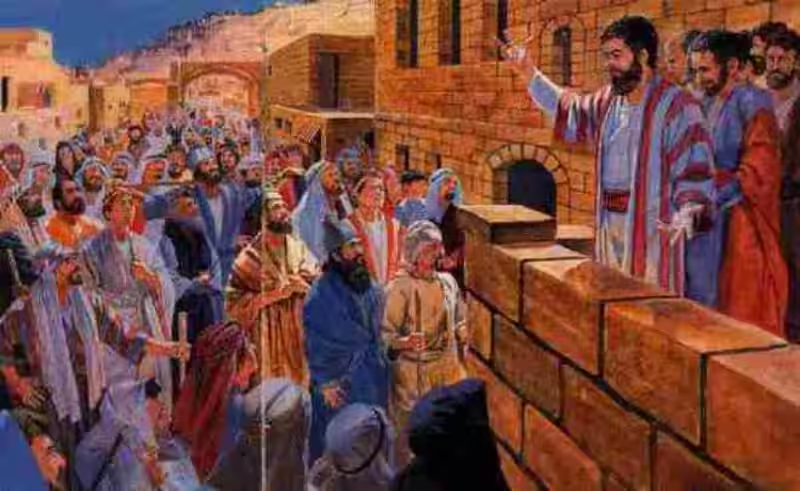
The concept of holiness, and by extension, holiness sermons, is deeply woven into the fabric of religious tradition across many faiths. In Christianity, the call to be “holy, because I, the Lord your God, am holy” (Leviticus 19:2) is a foundational principle. Throughout history, various movements and denominations have placed a particular emphasis on this aspect of faith, fostering a rich tradition of preaching that directly addresses the pursuit of divine purity and righteousness. These sermons often draw heavily on scriptural narratives of prophets, apostles, and saints who embodied a profound commitment to God’s standards, serving as living examples for adherents.
Historically, holiness movements have often emerged during periods of perceived spiritual decline or societal complacency. They have acted as powerful catalysts for revival and reform, urging believers to return to a more fervent and dedicated practice of their faith. Think of the Great Awakenings in American history, where passionate preaching and a strong emphasis on personal conversion and sanctification played a pivotal role. These sermons were instrumental in igniting spiritual fervor, challenging established norms, and inspiring individuals to seek a more intimate and obedient walk with God. They were, and continue to be, a vital force for spiritual renewal.
Key Themes and Recurring Messages in Holiness Sermons
One of the most prominent themes you’ll encounter in holiness sermons is the transformative power of the Holy Spirit. Preachers often speak of a second blessing or a fuller baptism of the Spirit, which empowers believers to live a life free from the dominion of sin and to actively pursue righteousness. This isn’t just about being forgiven; it’s about being empowered to live differently. Examples often include stories of individuals who, after this experience, found themselves able to overcome deeply ingrained habits like anger, greed, or impurity, and instead, radiated love, generosity, and chastity. The message is clear: God’s grace is not just for salvation, but for ongoing transformation.
Another recurring message centers on the importance of obedience and discipleship. Holiness sermons don’t shy away from the idea that living a holy life requires active participation and conscious effort. They often highlight the cost of discipleship, emphasizing the need to deny oneself, take up one’s cross, and follow Jesus wholeheartedly. This might involve practical advice on cultivating spiritual disciplines, such as daily prayer, fasting, tithing, and memorizing scripture. The underlying principle is that true holiness is not a passive state but a dynamic process of aligning one’s will with God’s, a continuous journey of learning and growing in His likeness. This is about actively choosing the divine path.
Practical Applications and Living a Holy Life
The practical implications of holiness sermons extend far beyond the church walls. They call for a radical reevaluation of one’s daily life, urging believers to consider how their choices, attitudes, and actions align with the teachings of their faith. This can manifest in various ways, such as ethical conduct in the workplace, compassionate engagement with the poor and marginalized, and responsible stewardship of resources. The preached message is that holiness is not merely an internal feeling but an external demonstration of transformed character, a visible manifestation of God’s presence in the world. It’s about letting your light shine so others can see your good deeds and glorify your Father in heaven.
Furthermore, holiness sermons often provide a framework for overcoming temptation and spiritual warfare. They equip believers with the understanding that the journey of faith is not always easy and that there will be adversaries seeking to pull them away from God. The emphasis is on reliance on God’s strength, the authority of God’s Word, and the power of prayer as essential tools for victory. This might involve specific teachings on how to resist the allure of sin, how to maintain a steadfast faith in the face of adversity, and how to foster a community of support among fellow believers. The message is one of empowerment and resilience, assuring believers that they are not alone in their spiritual battles and that God provides all they need to live a victorious life.
In contemporary religious discourse, holiness sermons continue to play a vital role, though their expression may vary across denominations and cultural contexts. For many, they remain a powerful source of spiritual nourishment and guidance, offering a clear path towards a deeper, more committed relationship with God. These sermons often attract those who are seeking more than just superficial religious observance, but a life-altering encounter with the divine. They provide a framework for understanding and pursuing a life that is not just good, but godly, a life characterized by integrity, love, and unwavering devotion.
While some may perceive the emphasis on holiness as demanding or even judgmental, the underlying intention of these sermons is almost always restorative and empowering. They are a testament to the belief that God desires the best for His creation and offers the means to achieve it. In a world often characterized by moral ambiguity and spiritual searching, holiness sermons offer unwavering clarity and a compelling vision of a life lived in true freedom and purpose. They serve as a constant reminder that the pursuit of holiness is a lifelong journey, a beautiful unfolding of the sacred within and around us, calling us to become more like the divine source of all goodness.
Frequently Asked Questions about Holiness Sermons
What is a holiness sermon?
A holiness sermon is a sermon that focuses on the doctrine of holiness, which emphasizes the pursuit of spiritual perfection and separation from sin. These sermons often explore themes of sanctification, living a life pleasing to God, and the transformative power of the Holy Spirit.
What are the key themes in holiness sermons?
Key themes typically include:
* Sanctification: The process by which a believer is made holy and set apart for God.
* Victory over Sin: The belief that through the power of the Holy Spirit, Christians can overcome sinful desires and habits.
* The Baptism of the Holy Spirit: Often understood as a second work of grace that empowers believers for service and living a holy life.
* Christian Perfection: The idea that believers can attain a state of complete love for God and neighbor, free from intentional sin.
* Separation from the World: Encouragement to live distinctly from worldly values and practices that are contrary to God’s will.
* Evangelism and Missions: A strong emphasis on sharing the gospel and living out one’s faith in the world.
What is the theological basis for holiness sermons?
Theological underpinnings often stem from Wesleyan-Arminian theology, particularly the teachings of John Wesley. Key scriptural passages frequently cited include those related to:
* The command to be holy (Leviticus 19:2, 1 Peter 1:15-16).
* The promise of the Holy Spirit’s indwelling and empowering presence (John 14:16-17, Acts 1:8).
* The concept of being cleansed from sin (1 John 1:7-9).
* The pursuit of love as the fulfillment of the law (Romans 13:10).
How are holiness sermons different from other types of sermons?
While all Christian sermons aim to edify believers and point them to Christ, holiness sermons have a distinct emphasis on the doctrine and practice of holiness as a central tenet of the Christian life. They often focus more intensely on the process of sanctification and the experiential aspect of living a life free from sin through the Holy Spirit’s power. Other sermon types might focus more broadly on salvation, discipleship, or specific biblical narratives without such a concentrated emphasis on the doctrine of holiness.
What is the role of the Holy Spirit in holiness sermons?
The Holy Spirit is a central figure in holiness sermons. The sermons typically teach that the Holy Spirit is essential for:
* Convicting individuals of sin.
* Bringing about regeneration and new birth.
* Empowering believers for victory over sin (sanctification).
* Guiding believers in living a holy life.
* Enabling believers to witness effectively.
What are common illustrations or examples used in holiness sermons?
Illustrations often involve stories of personal transformation, testimonies of overcoming sin, or parables and biblical accounts that highlight themes of purity, obedience, and spiritual growth. Examples might include the cleansing of lepers in the Bible, the transformation of Saul into Paul, or narratives of missionaries who dedicated their lives to spreading the gospel and living sacrificially.