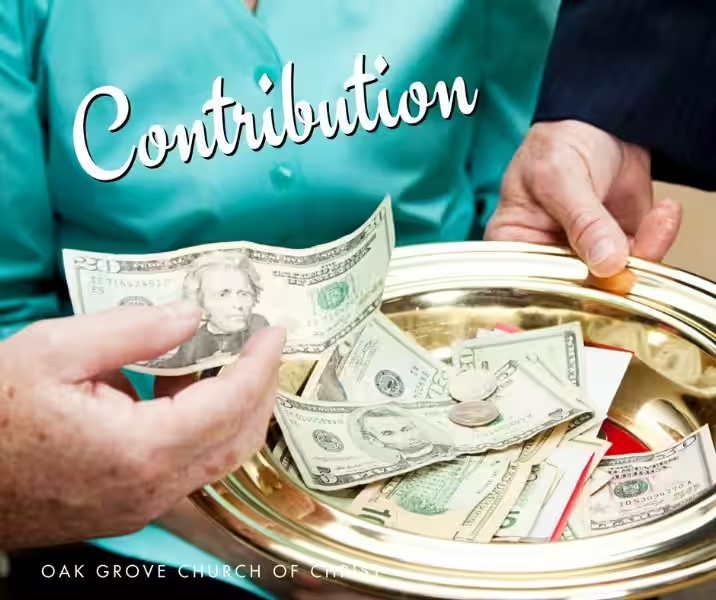
The concept of church contribution is far more than just a financial transaction; it’s a cornerstone of faith, a tangible expression of gratitude, and a vital lifeline for the ministries that enrich countless lives. For many, the idea of contributing to their church can evoke a range of emotions, from profound joy to a touch of apprehension. This article aims to demystify the practice of church contribution, exploring its multifaceted importance in religion and offering practical insights for individuals seeking to engage more meaningfully with this aspect of their spiritual journey.
We’ll delve into the spiritual significance of giving, practical ways to contribute beyond monetary means, and how your church contribution directly fuels the mission and impact of religious communities. Understanding the “why” behind church contribution can transform it from an obligation into a joyful act of worship.
Beyond the Offering Plate: The Spiritual Significance of Giving
At its core, church contribution is an act of worship, a spiritual discipline that reflects a deep-seated belief in a higher power and a commitment to a community of faith. It’s a way to acknowledge that everything we have comes from God, and returning a portion is a testament to our trust and thankfulness. This act of giving is woven into the fabric of many religious traditions, symbolizing a surrender of material possessions and a reliance on divine providence.
Think of it like tending a garden. You plant seeds, nurture them with water and sunlight, and eventually, you reap a harvest. Your church contribution, whether financial, in time, or in talent, is akin to planting seeds within your faith community. These seeds grow into ministries, outreach programs, and opportunities for spiritual growth that nourish others and, in turn, enrich your own spiritual life. It’s a continuous cycle of blessing and being blessed, demonstrating that our faith is not meant to be a solitary pursuit but a shared experience that flourishes through collective generosity.
Gratitude as a Motivator for Church Contribution
Gratitude is a powerful motivator for church contribution. When we reflect on the blessings in our lives – the guidance, the comfort, the opportunities for growth – a natural response is to express our thankfulness. For many, the church serves as a central hub for experiencing these blessings, whether through inspiring sermons, supportive fellowship, or tangible acts of service. Therefore, contributing to the church becomes a direct way to say thank you for the spiritual nourishment and community support received.
Consider the times you’ve found solace in prayer during difficult moments, or the wisdom gained from a pastor’s message that shifted your perspective. These are invaluable spiritual gifts. Your church contribution is a way to acknowledge the source of these gifts and to ensure that others can continue to receive them. It’s about recognizing that the church is more than just a building; it’s a living organism sustained by the collective love and generosity of its members.
Trust and Faith in Action Through Church Contribution
Giving, especially consistent church contribution, is a profound act of trust. It signifies faith that by relinquishing a portion of our resources, we are not diminishing our own well-being, but rather entrusting God to provide for our needs. This can be a challenging concept in a world that often emphasizes accumulation and self-sufficiency. However, for believers, it’s a powerful affirmation of their reliance on divine guidance and provision.
Imagine a small business owner who decides to reinvest a portion of their profits back into their community. They trust that this investment will foster goodwill and ultimately benefit their business in the long run. Similarly, when we make a church contribution, we are investing in the spiritual well-being of our community and trusting that God will honor our faithfulness. This act of surrender can lead to surprising blessings and a deeper sense of peace.
Diverse Forms of Church Contribution: More Than Just Money
While financial giving is a significant aspect of church contribution, it’s crucial to recognize that generosity extends far beyond monetary donations. Our communities of faith thrive on the diverse talents, skills, and time that members are willing to offer. Engaging in various forms of contribution can deepen your connection to your church and significantly amplify its impact.
From organizing community events to offering professional expertise, every contribution, regardless of size, plays a vital role. These diverse acts of service paint a vibrant picture of a faith community actively living out its values and making a tangible difference. We will explore these varied avenues of church contribution to encourage a holistic approach to giving.
Sharing Your Time and Talents: The Gift of Service
The most precious resource many of us possess is our time and the unique abilities God has given us. Offering these to your church is a deeply meaningful form of church contribution. Whether you have a knack for organizing, a talent for singing, a gift for teaching, or simply a willingness to help, your involvement is invaluable.
Think about the various ministries within a church: children’s programs, youth groups, worship teams, administrative support, community outreach, and care for the elderly. Each of these areas relies on dedicated individuals to function. For example, someone with strong organizational skills might volunteer to help plan a church picnic, ensuring everything runs smoothly. Another might offer their artistic talents by designing flyers for an upcoming event. These acts of service are not only essential for the church’s operation but also provide profound opportunities for personal growth and fellowship.
The Power of Prayer and Intercession in Church Contribution
Beyond visible actions, the unseen work of prayer is a foundational element of church contribution. Intercessory prayer – praying on behalf of others, for the church’s mission, and for spiritual growth – is a powerful force that sustains and strengthens the community. It’s a direct line to the divine, an act of faith that can bring about significant spiritual and practical change.
Many churches have dedicated prayer teams or encourage members to pray for specific needs. Participating in prayer ministries or simply making it a habit to pray for your church’s leaders, ministries, and congregants is a vital form of contribution. Consider the impact of consistent prayer for a struggling family within the congregation or for the success of a new outreach program. This spiritual church contribution, though invisible, can pave the way for miraculous outcomes and foster a deep sense of spiritual unity.
Community Building and Fellowship: A Contribution in Itself
The very act of participating in church life and fostering positive relationships is a significant contribution. When members actively engage in fellowship, support one another, and create a welcoming atmosphere, they strengthen the bonds of the community. This intangible contribution is crucial for the church’s health and its ability to reach out to others.
Attending services regularly, participating in small groups, and simply being present for fellow congregants are all ways to contribute to a vibrant church community. For instance, inviting a new visitor to sit with you or offering encouragement to someone facing a challenge are simple yet powerful acts that build connection. This type of church contribution fosters a sense of belonging and demonstrates the love and care that define a faith community.
The Impact of Your Church Contribution: Fueling the Mission
Every church contribution, whether financial or in service, has a direct and tangible impact on the life and mission of the church. It’s the fuel that powers its ministries, its outreach, and its ability to serve both within its walls and in the wider world. Understanding this impact can transform your giving from a routine act into a deeply fulfilling experience.
Your generosity enables the church to be a beacon of hope, a source of support, and a catalyst for positive change. We will explore how your church contribution translates into real-world impact, highlighting the vital importance of sustained support.
Supporting Ministries and Programs
The core activities of any church, from Sunday school to elder care, are sustained by the collective church contribution of its members. These ministries are the practical outworking of faith, designed to nurture spiritual growth, provide assistance to those in need, and spread the message of hope. Without consistent support, these vital programs would struggle to continue.
For example, a church contribution might fund the printing of Bibles for new attendees, provide resources for children’s ministry programs, or support meals for shut-in members. Your giving directly allows these initiatives to flourish, ensuring that the church can effectively fulfill its purpose and reach those who need its services most.
Outreach and Mission Work: Extending the Church’s Reach
A significant portion of church contribution is often dedicated to outreach and mission work, both locally and globally. These efforts extend the church’s influence beyond its immediate community, addressing social needs, sharing the Gospel, and offering practical aid to those suffering from poverty, injustice, or disaster.
Consider how your church contribution might help fund a local food bank, support a mission trip to a developing country, or contribute to disaster relief efforts. These acts of compassion and service are made possible by the generosity of the congregation, allowing the church to be a tangible force for good in the world. Your giving becomes a ripple effect, touching lives far beyond what you might personally imagine.
Maintaining Facilities and Operations
While less spiritual in nature, the practical aspect of maintaining church facilities and ensuring smooth operations is also a crucial outcome of church contribution. A well-maintained building provides a safe and welcoming environment for worship, education, and community gatherings. Efficient operations ensure that ministries can run effectively and that resources are used wisely.
Your church contribution helps cover essential costs like utilities, building maintenance, and administrative expenses. These seemingly mundane aspects are vital for the church to function as a stable and dependable institution. It’s about ensuring that the physical space and operational infrastructure are in place to support the spiritual mission.
Practical Steps for Meaningful Church Contribution
Engaging in church contribution can be a deeply rewarding experience when approached with intentionality and understanding. It’s about finding a balance between your personal circumstances and your commitment to your faith community. Here are some practical steps to help you contribute in a way that is both meaningful and sustainable for you.
We encourage you to prayerfully consider your capacity and then step forward with a willing heart. The following suggestions are designed to empower you to make a significant difference through your church contribution.
Prayerful Consideration and Budgeting
Before making any church contribution, it’s wise to engage in prayerful consideration. Reflect on your personal finances, your blessings, and what you feel called to give. This isn’t about pressure, but about discerning your capacity and aligning your giving with your faith. Many find it helpful to create a budget that includes a line item for church contribution, treating it as a priority alongside other essential expenses.
For example, you might set aside a specific percentage of your income, or determine a fixed amount that you can comfortably give each month. Some churches offer suggestions for tithing (giving 10% of income), while others emphasize a spirit of generosity based on what one has. The key is to give from a willing heart, not out of obligation.
Exploring Different Giving Methods
Churches offer a variety of methods for church contribution to accommodate different preferences and capabilities. Understanding these options can make giving more convenient and accessible. This allows you to find the method that best suits your lifestyle and ensures your generosity reaches its intended purpose.
Common methods include:
Online giving: Many churches have secure online platforms for one-time or recurring donations.
Bank transfers: Setting up automatic transfers from your bank account can ensure consistent support.
Offering envelopes: These are often available for in-person services and can be designated for specific ministries.
Text-to-give: Some churches utilize mobile technology for quick donations.
Planned giving: This involves larger, often long-term commitments, such as bequests in a will.
Choosing a method that aligns with your comfort and convenience can simplify the process of church contribution.
If you have questions about how your church contribution is utilized, or if you are facing financial challenges that impact your ability to give, don’t hesitate to communicate with your church leadership. Open and honest dialogue is essential for building trust and ensuring that everyone feels supported and understood within the community.
Your pastor or church administrator can provide clarity on the church’s budget, upcoming projects, and how your generosity makes a difference. They can also offer guidance and support if you are experiencing financial hardship, perhaps connecting you with benevolent funds or offering pastoral care. This communication is a vital part of a healthy and transparent church contribution process.
In conclusion, church contribution is a vital thread that weaves through the tapestry of faith, strengthening communities and enabling ministries to flourish. By understanding its spiritual significance, embracing diverse forms of giving, and engaging with practical steps, we can all participate more fully in this essential aspect of religious life. Your generosity is an investment in hope, a testament to your faith, and a powerful force for good in the world.
Frequently Asked Questions: Church Contributions
What is the purpose of church contributions?
Church contributions, often referred to as tithes and offerings, serve as a fundamental way for members to support the ministry, operations, and outreach of their faith community. These funds enable the church to provide religious services, maintain its facilities, support clergy and staff, fund educational programs, and engage in charitable and missionary activities.
Is tithing a mandatory requirement for Christians?
The concept of tithing, giving 10% of one’s income, has its roots in the Old Testament. In the New Testament, while Jesus acknowledged tithing, the emphasis shifts to a spirit of generous and willing giving. Many Christians view tithing as a principle and a guide for generosity, while others practice a more flexible approach based on their ability and conviction. Ultimately, the decision to tithe and the amount given is a personal one between the individual and God.
Are there specific ways my contribution is used?
Churches typically allocate contributions to various areas, which often include operational costs (salaries, utilities, building maintenance), ministry programs (youth groups, adult education, worship services), community outreach, and charitable giving to local and global causes. Many churches provide annual reports or have financial transparency policies that detail how funds are utilized.
Can I designate my contribution to a specific ministry or project?
Yes, many churches allow members to designate their contributions to a specific ministry, mission, or project if they feel called to support a particular area. However, it’s also important to understand that general contributions are vital for the overall health and operation of the church. Churches usually have guidelines on how designations are handled.
Is it acceptable to contribute non-monetary items or services?
While monetary contributions are the most common, churches often welcome and appreciate non-monetary contributions such as volunteer time, skills, or donated goods that can support the church’s work. These are often referred to as “in-kind donations” and can be just as valuable as financial gifts.
What if I am experiencing financial hardship?
Churches are generally understanding of members facing financial difficulties. The focus is on faithful stewardship and participation according to one’s ability. If you are struggling, it is often encouraged to speak with church leadership or a trusted member of the congregation to discuss your situation and explore ways to remain involved without undue burden.
How can I ensure my contribution is handled responsibly?
Responsible churches often have established financial oversight committees, regular audits, and transparent financial reporting to their congregations. Many churches make their financial statements or annual reports available for review. Praying for wisdom and discernment regarding where you give your financial resources is also a common practice.