Embarking on the Journey of Baptism: More Than Just a Ceremony
The arrival of a new child is a moment of profound joy, a time when families often reflect on their faith and the spiritual heritage they wish to pass on. For many Catholic families, this spiritual journey begins with a christening, more formally known as Baptism within the Catholic Church. This sacrament is not merely a beautiful ritual; it is the gateway to the Christian life, an initiation into the Body of Christ. Understanding the Catholic Church christening rules is a crucial step for parents and godparents eager to ensure this sacred event is celebrated according to Church tradition and with deep spiritual significance.
The decision to baptize a child is a profound one, signifying a commitment to raising them within the Catholic faith. It’s a promise that extends beyond the ceremony itself, involving the active participation in the life of the Church. This article aims to demystify the process, offering practical guidance and a comforting narrative to help you navigate the requirements with confidence and a heartfelt understanding of what this sacrament truly means.
Who Can Be Baptized? Understanding Eligibility and Intent
At its core, Baptism is for all individuals, regardless of age, who have not yet been baptized in the Catholic Church or any other Christian denomination. For infants, the primary requirement is that there is a founded hope that the child will be brought up in the Catholic faith. This is a cornerstone of the Catholic Church christening rules, emphasizing the communal responsibility within the Church. This hope is usually demonstrated by the parents’ own commitment to the faith and their intention to raise their child as a Catholic.
In most parishes, this means at least one parent must be a practicing Catholic. If parents are not married in the Church, or if there are extenuating circumstances, it is always advisable to speak directly with your parish priest. He can offer guidance and discuss how to fulfill the spirit of this requirement, perhaps through pre-baptismal classes or a formal declaration of intent. The Church understands that life journeys are complex, and pastoral care is always available to ensure everyone can access this essential sacrament.
Infant Baptism vs. Adult Baptism: Different Paths to the Same Sacrament
While infant baptism is the most common practice, the Catholic Church also fully supports and recognizes adult baptism. For adults, the process typically involves a more extensive period of preparation, often called the Rite of Christian Initiation of Adults (RCIA). This journey allows adults to explore Catholic teachings, engage in prayer and reflection, and grow in their relationship with God before receiving the sacrament. This thorough preparation ensures a mature and informed commitment to Christ and the Church.
For infants, the baptism is seen as an act of faith by the parents and godparents, who pledge to nurture the child’s faith. This is why the requirements for godparents are also quite specific. It’s a beautiful illustration of how the Church community supports individual faith journeys at every stage of life, from the earliest moments to mature adulthood.
The Crucial Role of Godparents: Witnesses and Spiritual Guides
The selection of godparents is a significant aspect of the Catholic Church christening rules. Godparents are not just present for the ceremony; they are chosen to be spiritual mentors and witnesses to the child’s faith journey. They promise to help the parents in raising the child in the Catholic faith, offering prayer and support throughout their lives. This is a serious undertaking, and the Church has specific guidelines to ensure those who undertake this role are well-equipped.
To be a godparent, according to Church law, one generally must be:
At least sixteen years old.
A baptized Catholic who has received the Sacrament of Confirmation and the Most Holy Eucharist.
Living a life in harmony with the faith and the Church’s moral teachings.
Not be the father or mother of the baptized child.
This ensures that godparents are mature, committed Catholics who can effectively guide the godchild. For example, if you are choosing a close family friend, consider if they embody the values you wish your child to learn and if they are actively practicing their Catholic faith.
What if My Chosen Godparent Isn’t Catholic? Understanding the Exceptions
The Church does allow for a nuance in the godparent requirements. While a godparent must be Catholic, a baptized non-Catholic Christian can serve as a Christian witness alongside a Catholic godparent. This witness does not assume the full responsibilities of a Catholic godparent but acknowledges their role in the child’s Christian upbringing. However, this Christian witness must also be a baptized Christian and living a life in harmony with their faith. This provision allows for the inclusion of beloved family and friends from other Christian traditions while upholding the integrity of the Catholic sacrament.
It’s important to consult with your parish priest about these specific situations. He will be able to explain the precise role of a Christian witness and ensure all requirements are met. This flexibility reflects the Church’s desire to build bridges and foster a sense of community, even across different Christian denominations.
Preparing for the Big Day: Pre-Baptismal Classes and Parish Involvement
A vital component of the Catholic Church christening rules involves preparation. Most parishes require parents and godparents to attend pre-baptismal classes. These sessions are invaluable, offering insights into the meaning of Baptism, the symbolism of the ceremony, and the responsibilities that come with raising a child in the faith. They are also a wonderful opportunity to connect with other families embarking on a similar journey.
These classes are not intended to be an examination but rather a supportive environment for learning and discussion. Expect to cover topics such as the significance of the water, the white garment, the candle, and the prayers recited during the ceremony. You’ll also learn about the role of prayer in the family and how to introduce your child to the teachings of Jesus. For instance, a class might explain that the white garment symbolizes the child being clothed in Christ, a beautiful metaphor for their new spiritual identity.
Choosing Your Parish and Scheduling the Baptism
The first step is usually to connect with your local parish. If you are a registered member of a parish, contact their office to inquire about their baptismal schedule and registration process. If you’re not sure which parish is yours, your diocese’s website or a quick online search can help you identify it based on your address. Many parishes offer baptisms on specific Sundays after Mass, or at other designated times.
It is advisable to begin this process well in advance of your desired date. Popular times of the year, like Easter or Christmas, can be in high demand. Discussing your preferred dates with the parish administrator will help you secure a spot and allow ample time for completing any required classes or paperwork. Remember, the parish community is there to support you, so don’t hesitate to ask questions.
The Ceremony Itself: Understanding the Ritual and Its Meaning
The Baptismal ceremony is a deeply symbolic and moving experience. It typically begins with an introduction where the child is presented to the community, followed by readings from Scripture and prayers. A key moment is the renunciation of sin and the profession of faith, which parents and godparents make on behalf of the infant. This public declaration signifies their commitment to rejecting evil and embracing the Christian way of life.
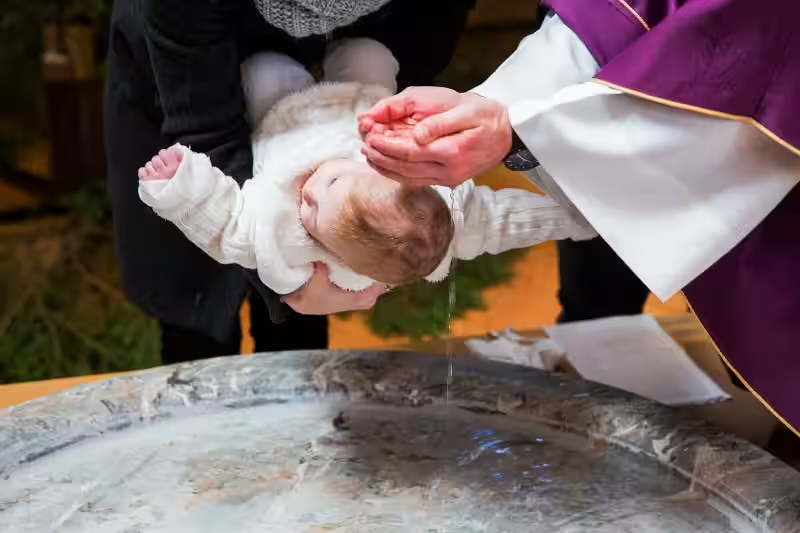
The core of the sacrament involves the pouring of blessed water over the child’s head three times, accompanied by the words, “I baptize you in the name of the Father, and of the Son, and of the Holy Spirit.” This act signifies spiritual cleansing from original sin and the infusion of God’s grace. Following this, the godparents often place a white garment on the child, symbolizing their new life in Christ, and the priest lights a Paschal candle, representing Christ’s light and the hope of resurrection.
Symbols and Their Significance: A Deeper Dive
Each element of the Baptismal ceremony carries profound meaning. The water, life-giving and purifying, represents the washing away of sin and the birth of a new spiritual life. The oil of catechumens, used earlier in the ceremony, strengthens the child for the Christian journey, while the chrism oil, applied after the baptism, marks the child as belonging to Christ and seals them with the Holy Spirit. The priest might explain that this oil is the same used to anoint kings and priests in the Old Testament, signifying the child’s new identity as a “royal priest” in Christ’s kingdom.
The white garment is a visual reminder of the purity and newness of life in Christ. The Paschal candle, lit from the newly blessed Easter candle, symbolizes Christ’s victory over death and the light he brings into the world. The candle is often given to the parents to keep and relight on the child’s future First Communion and Confirmation days, serving as a tangible link to their baptismal promises.
After Baptism: Nurturing the Seed of Faith
Christening your child is just the beginning of a lifelong journey of faith within the Catholic Church. The sacrament plants a seed of grace, but it is the ongoing nurturing by parents, godparents, and the parish community that allows this seed to grow. This involves attending Mass regularly, praying together as a family, and teaching your child about the teachings of Jesus and the Church.
Encourage your child to participate in parish activities, such as religious education programs (CCD), youth groups, and eventually, the Sacraments of First Communion and Confirmation. These milestones are crucial steps in their spiritual development and further strengthen their connection to God and the Church. Remember, the Catholic Church christening rules provide a framework, but the true essence lies in the living out of the faith that Baptism initiates.
Frequently Asked Questions About Catholic Church Christening Rules
What is a Catholic christening?
A Catholic christening, also known as Baptism, is a sacrament that initiates an individual into the Catholic Church. It is a spiritual cleansing from original sin and a welcome into the Christian community.
Who can be baptized in the Catholic Church?
Anyone who has not been baptized is eligible for Baptism. For infants, the parents must be practicing Catholics and desire the child to be raised in the Catholic faith. For adults, there is a period of preparation, often called the Rite of Christian Initiation for Adults (RCIA).
What are the requirements for godparents?
Godparents, also called sponsors, play a crucial role. They must be at least 16 years old, be practicing Catholics who have received the Sacraments of Baptism, Confirmation, and Eucharist, and be leading a life in harmony with the faith and the role they are to undertake. One godparent is sufficient, but there can be two, a man and a woman. A baptized non-Catholic Christian can be a Christian witness, but only if a Catholic godparent is also present.
Do parents need to be married in the Catholic Church?
While it is highly encouraged for parents to be married in the Catholic Church, it is not always a strict requirement for a child’s Baptism, especially for infants. However, the parish priest will typically discuss this with the parents as it relates to their commitment to raising the child in the faith.
What is involved in the christening ceremony?
The ceremony typically includes readings from Scripture, prayers, a renunciation of sin, a profession of faith, the anointing with the Oil of Catechumens and Sacred Chrism, the pouring of water (or immersion), and the lighting of a baptismal candle.
How far in advance should I schedule a christening?
It is advisable to contact the parish church as soon as possible after the birth of a child, or when you decide to be baptized, to discuss scheduling options. Many parishes have specific dates or times for Baptisms.
Is there a cost associated with a Catholic christening?
While there is no fee for the sacrament itself, it is customary to make a donation to the parish as a thank you for the use of the church and the services of the clergy. The amount is usually left to the discretion of the family.
What if my child was baptized in another Christian denomination?
If a child has already been validly baptized in another Christian denomination (e.g., Protestant, Orthodox), they do not need to be baptized again in the Catholic Church. They may, however, undergo a process of preparation to be received into full communion with the Catholic Church, which typically involves receiving Confirmation and First Eucharist.
Can I have a christening outside of the church building?
Normally, Baptism takes place in the parish church. However, in cases of emergency, or if there is a significant pastoral reason, a priest may perform the sacrament in another location.