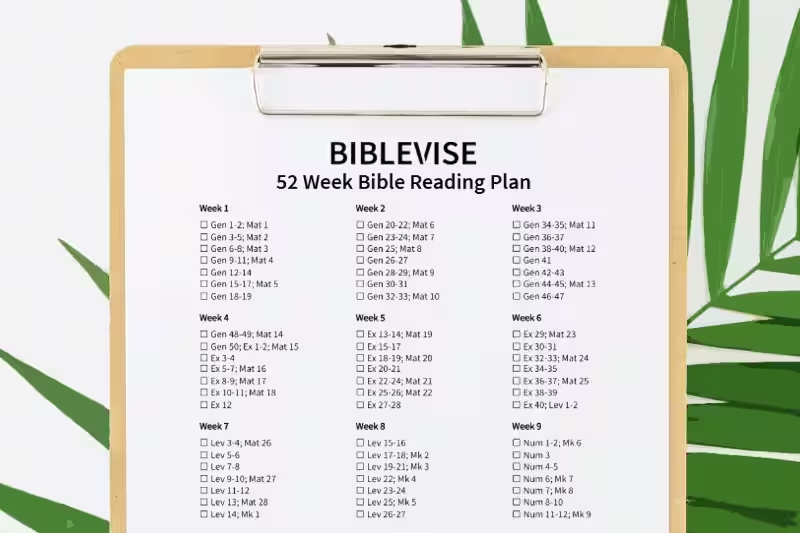
Have you ever felt a deep desire to connect more profoundly with your faith, to understand the timeless wisdom of the Bible on a consistent basis, yet found yourself overwhelmed by where to start? The sheer volume of scripture can feel daunting, and the idea of regular study might seem like a luxury reserved for theologians or those with endless free time. However, the reality is that a structured approach, like a 52-week Bible study, can transform this aspiration into a tangible and incredibly rewarding reality. This isn’t about cramming information; it’s about cultivating a habit of spiritual growth, one week at a time, allowing the Word to permeate your life and bring about lasting change.
Imagine a year dedicated to deeper understanding, to unpacking the narratives that have shaped civilizations, and to hearing God’s voice speak to your heart in new and profound ways. A 52-week Bible study offers just that – a clear roadmap for a year-long spiritual exploration. It provides a framework to navigate the rich tapestry of biblical texts, from Genesis to Revelation, ensuring that no significant portion is overlooked. This systematic approach helps to build a holistic understanding of God’s plan, revealing the interconnectedness of His promises and His actions throughout history. It’s a journey designed for everyone, regardless of their prior knowledge or denominational background, offering a path to greater spiritual maturity.
The Transformative Power of a Structured 52-Week Bible Study
The benefit of a 52-week Bible study lies in its deliberate pace and comprehensive coverage. Instead of sporadic reading or focusing only on familiar passages, this method encourages a consistent engagement with the entire biblical narrative. This allows for a more nuanced appreciation of theological themes, the development of character insights, and the understanding of historical contexts. For instance, consistently studying the minor prophets might seem less immediately engaging than reading the Gospels, but within their pages lie profound warnings, promises, and glimpses into God’s unwavering justice and mercy, offering a richer perspective on God’s dealings with humanity.
Furthermore, a 52-week Bible study fosters discipline and spiritual resilience. Life is unpredictable, and without a plan, our spiritual pursuits can easily fall by the wayside. A pre-determined schedule, whether personal or as part of a group, provides the necessary structure to maintain momentum through challenging seasons. It’s about showing up, week after week, even when motivation wanes. This consistent effort cultivates a deeper reliance on God’s strength and guidance, transforming the study from a chore into a life-giving spiritual discipline.
Embarking on a 52-week Bible study doesn’t mean you have to reinvent the wheel. Numerous resources and approaches exist, catering to diverse learning styles and spiritual goals. You might choose a chronological study, following the biblical timeline from creation to the early church, or perhaps a thematic approach, delving into topics like faith, forgiveness, or prayer over several weeks. Another popular option is a book-by-book study, dedicating a set amount of time to each canonical book, from Genesis to Revelation. The key is to select a path that resonates with your personal journey and provides a clear, manageable progression.
Consider the format as well. A 52-week Bible study can be undertaken individually, with just you and your Bible, or it can be a powerful shared experience. Joining a small group, a church class, or even an online community can provide invaluable accountability, encouragement, and diverse perspectives. Discussing what you’re learning, sharing insights, and praying together amplifies the benefits of your study. For example, when studying the book of Job, different members of a group might highlight distinct aspects of his suffering, his friends’ misguided advice, or the profound theological discussions that take place, leading to a deeper collective understanding.
Making Your 52-Week Bible Study a Lasting Habit
To ensure your 52-week Bible study becomes a sustainable practice rather than a fleeting New Year’s resolution, it’s crucial to integrate it seamlessly into your life. Identify a consistent time and place for your study, even if it’s just 15-30 minutes each day or a dedicated hour each week. This could be first thing in the morning with a cup of coffee, during your lunch break, or in the quiet of the evening. The goal is to create a sacred space for spiritual reflection, free from distractions.
Moreover, make your 52-week Bible study interactive. Don’t just read; engage with the text. Take notes, underline key verses, write down questions that arise, and journal your reflections. Consider using a study Bible with annotations, cross-references, and historical context, or supplement your reading with reputable commentaries or devotionals that align with your chosen study plan. For example, when studying the Parable of the Sower, you might jot down personal applications for each type of soil, or research the historical agricultural practices to better understand the imagery, making the scripture come alive.
The Rewards of a Year Immersed in Scripture
The culmination of a 52-week Bible study is not merely the completion of a checklist, but a profound transformation of your inner life. As you consistently engage with God’s Word, you will likely experience enhanced spiritual discernment, a clearer understanding of God’s character, and a deeper, more personal faith. The narratives and teachings will become more than just stories; they will shape your worldview, influence your decisions, and strengthen your resolve in the face of adversity.
Imagine looking back after a year and realizing how much your perspective has shifted. You might find yourself more patient, more compassionate, and more attuned to the voice of the Holy Spirit. The challenges you faced during the year might have been met with a newfound strength and wisdom derived from scripture. This journey of 52-week Bible study is an investment in your spiritual well-being, yielding dividends that extend far beyond the pages of the Bible, impacting every facet of your faith, relationships, and daily walk.
Beyond the 52 Weeks: Continuing the Journey
Completing a 52-week Bible study is a significant achievement, but it should mark the beginning of a lifelong commitment to learning and growth. The Bible is an inexhaustible wellspring of wisdom, and there are always new depths to explore. Consider what resonated most with you during your study. Were you drawn to the Old Testament narratives, the teachings of Jesus, or the epistles of Paul? You can embark on another 52-week Bible study focusing on a specific book, a genre, or a particular theological theme.
The beauty of a 52-week Bible study is that it can be adapted and continued indefinitely. You might choose to revisit books you studied, but with a focus on different aspects, or perhaps delve into topical studies that address current life circumstances. The goal is to cultivate a spiritually vibrant life, where the Word of God remains a constant source of guidance, comfort, and inspiration. Whether you choose to continue with a structured 52-week Bible study or explore other avenues of biblical exploration, the commitment to consistent engagement with scripture will undoubtedly bring lasting spiritual fruit.
Frequently Asked Questions about 52-Week Bible Study
What is a 52-week Bible study?
A 52-week Bible study is a structured program designed to guide individuals or groups through the entire Bible over the course of one year. It typically involves daily readings, reflections, and sometimes discussion questions to deepen understanding of scripture.
What are the benefits of a 52-week Bible study?
Participating in a 52-week Bible study can lead to a more comprehensive understanding of the Bible, foster spiritual growth, establish a consistent devotional habit, and provide a framework for theological learning.
Do I need to be an expert in religion to participate?
No, absolutely not! 52-week Bible studies are designed for all levels of faith, from beginners to those with extensive theological knowledge. The goal is to learn and grow together.
How much time does a 52-week Bible study typically require per day?
This can vary depending on the specific study plan. Many plans are designed for 15-30 minutes of reading and reflection per day. Some may require a bit more, especially if discussion is involved.
What if I miss a day or fall behind?
It’s common to miss a day or fall behind. Most 52-week study plans are flexible. You can catch up when you have time, or simply continue with the current day’s reading and pick up missed sections later if you wish. The most important thing is consistent engagement.
Can I do a 52-week Bible study on my own, or is it better in a group?
Both are beneficial! Doing it on your own can provide personal reflection and discipline. A group setting can offer encouragement, diverse perspectives, and a sense of accountability. Many people find a combination of both to be very effective.
What kind of Bible translation should I use?
The best translation is one that you understand clearly. Popular translations include the NIV (New International Version), ESV (English Standard Version), KJV (King James Version), and NLT (New Living Translation). Many studies will recommend a specific translation or suggest using multiple for comparison.
Are there different themes or approaches to 52-week Bible studies?
Yes, there are many! Some studies focus on reading the Bible chronologically, others might follow a thematic approach (e.g., studies on prayer, faith, love), or concentrate on specific books of the Bible each week.
What if I encounter difficult passages or theological questions?
This is a great opportunity for learning! Many study guides offer notes or explanations. If you’re in a group, discuss it with them. You can also consult commentaries, online resources, or speak with a pastor or religious leader.
Is there a cost associated with a 52-week Bible study?
Not necessarily. Many study materials are available for free online or through churches. Some published study guides may have a cost, but often they are very affordable.