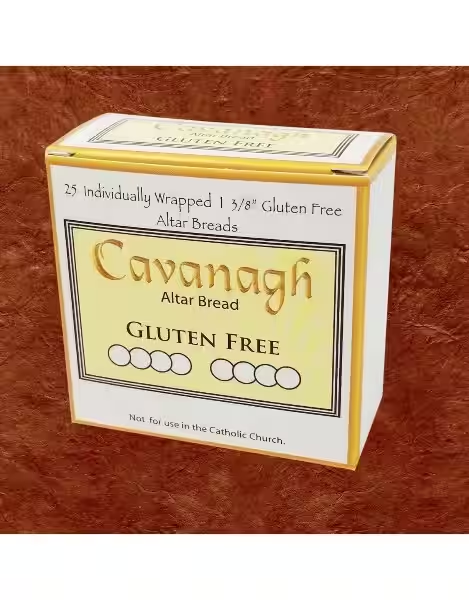
For many, the ritual of communion is a cornerstone of their religious practice, a moment of profound connection and spiritual nourishment. However, for individuals with gluten sensitivities or celiac disease, this sacred act can present a significant challenge. The traditional wafer, often made with wheat, is a source of gluten, making participation in this vital sacrament difficult or even impossible. This presents a growing need for understanding and accommodation within religious communities, leading to a greater awareness and availability of gluten-free hosts.
The journey to find a place where one can fully participate in religious rites without compromising health is a personal one, often filled with questions and a desire for inclusivity. As more people are diagnosed with gluten-related disorders, the conversation around gluten-free hosts is moving from the periphery to the center of discussions within churches, synagogues, mosques, and other faith-based organizations. This article aims to provide a comprehensive and empathetic guide, exploring the availability, significance, and practical considerations of gluten-free hosts for those who need them.
The prevalence of gluten-related disorders, including celiac disease and non-celiac gluten sensitivity, has risen dramatically in recent decades. Celiac disease, an autoimmune disorder, causes the immune system to attack the small intestine when gluten is consumed, leading to a range of debilitating symptoms and long-term health complications. Non-celiac gluten sensitivity presents similar symptoms, though without the autoimmune response or intestinal damage associated with celiac disease.
For individuals living with these conditions, even trace amounts of gluten can trigger adverse reactions. This means that traditional communion wafers, typically made from wheat flour, are not an option. The desire to partake in communion, a central act of faith for many Christians, can become a source of anxiety and exclusion. The question then arises: how can religious institutions ensure that all members, regardless of their dietary needs, can fully engage in their spiritual practices? The answer often lies in the thoughtful provision of gluten-free hosts.
Theological and Practical Considerations
Theological interpretations of the Eucharist or Holy Communion vary across denominations. However, many traditions emphasize the symbolic nature of the bread and wine, representing the body and blood of Christ. For those requiring gluten-free hosts, the concern is not about the spiritual efficacy of the sacrament, but rather about the physical ability to receive it without harm. This is where the dialogue between faith leaders and congregants becomes crucial.
From a practical standpoint, the production and distribution of gluten-free hosts require careful consideration. Ensuring that these hosts are truly gluten-free involves strict manufacturing processes to avoid cross-contamination. This might involve dedicated gluten-free bakeries or specific protocols within existing church suppliers. Many denominations have issued guidance or allow for the use of gluten-free hosts, recognizing the importance of accessibility and inclusion for all members of the flock.
The availability of gluten-free hosts has significantly improved in recent years as awareness has grown. Many religious suppliers now offer dedicated lines of gluten-free wafers. These are often made from alternative flours such as rice, corn, or tapioca, ensuring they are safe for individuals with gluten sensitivities.
Here are some common avenues for obtaining gluten-free hosts:
Specialized Religious Suppliers: Numerous companies cater specifically to religious institutions and offer a variety of communion supplies, including gluten-free hosts. A quick online search for “gluten-free communion wafers” will reveal many options.
Local Bakeries (with careful vetting): In some instances, if a dedicated religious supplier is not feasible, a local bakery with strict gluten-free protocols might be able to produce suitable hosts. This requires thorough communication to ensure no cross-contamination occurs.
Individual Congregations: Increasingly, larger churches and congregations are proactively stocking gluten-free hosts for their members. It is always worth inquiring with your local place of worship about their provisions.
DIY Options (with caution): While not the most common or recommended approach for congregational use due to stringent purity requirements, some individuals might explore making their own gluten-free hosts for personal reflection or very small, informal gatherings. However, for official sacraments, using commercially certified gluten-free hosts is generally preferred.
When sourcing gluten-free hosts, it is essential to look for clear labeling and certifications that guarantee they are free from gluten. This provides peace of mind for both the individuals consuming them and the religious leaders administering the sacrament.
Communication is Key: Talking to Your Religious Leader
The first and most important step for anyone needing gluten-free hosts is to speak openly with their religious leader, priest, pastor, imam, or rabbi. Many religious leaders are eager to accommodate the needs of their congregants and may not be aware of the specific requirements. A simple conversation can pave the way for a more inclusive communion experience.
During this conversation, be prepared to explain your dietary needs clearly and concisely. Mentioning conditions like celiac disease or gluten sensitivity can help your leader understand the necessity. It is also helpful to inquire about the current practices of the congregation regarding communion bread and whether gluten-free hosts are already available or can be sourced. Often, religious institutions are happy to make arrangements once they are aware of the need, showcasing their commitment to welcoming all members.
Religious Observances and Gluten-Free Hosts: Navigating Different Faiths
While the most prominent discussion around gluten-free hosts centers on Christian denominations that practice the Eucharist, the principle of inclusivity extends to other religious traditions as well. The concept of offering alternative forms of sacred elements to accommodate dietary restrictions is gaining traction across various faiths.
In Christianity, particularly within traditions like Catholicism, Orthodox Christianity, Lutheranism, and Anglicanism, the Eucharist is a central sacrament. The use of gluten-free hosts has become a significant topic of discussion and implementation. The Catholic Church, for instance, has provided guidelines allowing for the use of gluten-free hosts, provided they are made from a gluten-free grain and are not completely devoid of gluten, yet are sufficiently so to avoid adverse reactions in those with celiac disease. This allows individuals to partake in communion without compromising their health or spiritual well-being.
Many parishes now offer both traditional wheat wafers and gluten-free hosts during communion services. This dual offering ensures that no member feels excluded. The emphasis is on the spiritual significance of the sacrament, recognizing that the physical form of the bread is secondary to the deeper meaning and connection it represents. The availability of gluten-free hosts is a testament to the evolving understanding of inclusivity within these denominations.
Beyond Christianity: A Growing Trend
While Christian traditions are at the forefront of the discussion, the broader principle of accommodating dietary needs in religious practices is a growing trend. For example, in Judaism, while unleavened bread (matzah) is central to Passover, discussions around gluten-free alternatives for individuals with celiac disease are ongoing, particularly for non-Passover services or for those who wish to participate in a more regular communion-like ritual. Similarly, in other faiths, the spirit of welcoming and inclusivity encourages finding ways for all members to participate meaningfully in their religious life, even if it involves adaptations or the use of gluten-free hosts or their equivalents.
The core message across all faiths is the desire to foster a sense of belonging and to ensure that religious participation is accessible to everyone. The conversation around gluten-free hosts is a powerful example of how faith communities can adapt to meet the diverse needs of their members, demonstrating compassion and a commitment to spiritual unity.
Living Faithfully with Gluten Sensitivities
The journey of navigating religious life with gluten sensitivities can sometimes feel isolating. However, the increasing availability and acceptance of gluten-free hosts offer a beacon of hope. It signifies a growing understanding and commitment within religious communities to ensure that everyone can experience the full richness of their faith.
For individuals seeking to participate fully in their religious practices, remember that open communication is key. Don’t hesitate to speak with your religious leaders, inquire about gluten-free hosts, and advocate for the accommodations you need. The growing awareness around gluten-related disorders means that more religious institutions are equipped and willing to provide these essential alternatives. Embracing gluten-free hosts is not just about dietary necessity; it’s about ensuring that faith communities remain vibrant, inclusive, and welcoming spaces for all individuals to connect with the divine and with each other.
Frequently Asked Questions about Gluten-Free Hosts
What is a gluten-free host?
A gluten-free host is a communion wafer made without any gluten-containing ingredients, typically wheat, barley, or rye. These are designed for individuals with celiac disease or gluten sensitivity who cannot safely consume traditional hosts.
Are gluten-free hosts made from safe ingredients?
Yes, gluten-free hosts are made from alternative flours such as rice flour, tapioca starch, potato starch, or corn starch. Reputable manufacturers ensure these ingredients are processed in gluten-free facilities to prevent cross-contamination.
Can I receive communion if I am gluten intolerant?
Yes, if you are gluten intolerant, you can receive communion using a gluten-free host. Many churches offer these specifically for congregants with gluten-related conditions.
How do I know if a church offers gluten-free hosts?
It is best to inquire directly with the church office or the pastor. They can inform you whether gluten-free hosts are available and how they are distributed during communion.
Are gluten-free hosts consecrated the same way as regular hosts?
Yes, the sacramental properties of the host are not dependent on its ingredients but on the consecration by a priest or minister. Gluten-free hosts are consecrated in the same liturgical rite as traditional hosts.
What is the religious significance of communion?
Communion, also known as the Eucharist or Lord’s Supper, is a central sacrament in Christianity. It commemorates the Last Supper of Jesus Christ with his disciples and is believed to be a way for believers to remember his sacrifice, receive spiritual nourishment, and commune with God and fellow believers.
Are there different views on communion across Christian denominations?
Yes, there are varying theological interpretations of the meaning and practice of communion. Some denominations believe in the real presence of Christ in the elements (transubstantiation or consubstantiation), while others view it as a symbolic remembrance or a spiritual presence.
What is the role of bread and wine in communion?
Traditionally, unleavened bread (or wafers) and wine are used. They represent the body and blood of Jesus Christ, as instituted by him during the Last Supper.
Can I receive communion if I am not baptized?
Practices vary by denomination. Some denominations allow all who desire to receive communion, regardless of baptism status, while others require baptism as a prerequisite. It is advisable to check with the specific church’s policy.
What are the key religious beliefs associated with communion?
Key beliefs often include remembrance of Christ’s sacrifice, spiritual union with Christ, forgiveness of sins, and a foretaste of the heavenly banquet. These beliefs are central to the Christian faith and are experienced through participation in the sacrament.