For many followers of Christianity, the Bible and the Rosary are not just religious objects, but cornerstones of their spiritual journey. These two elements, though distinct, are deeply intertwined, offering multifaceted avenues for prayer, reflection, and connection with the divine. Understanding their individual significance and how they complement each other can enrich one’s faith life profoundly. This article explores the profound relationship between the Bible and the Rosary, illuminating their roles in deepening religious devotion.
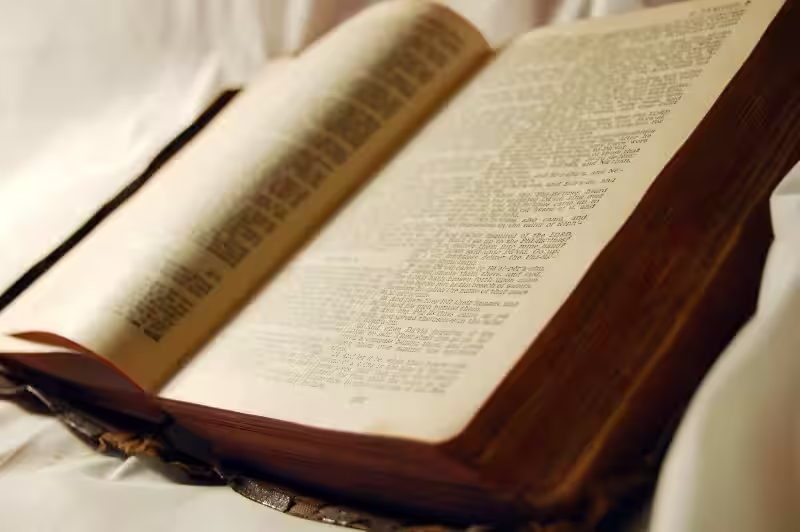
The Bible, as the sacred scripture for Christians, serves as the divine word, a collection of texts that reveal God’s nature, his plan for humanity, and the teachings of Jesus Christ. It’s a living document, meant to be read, studied, and meditated upon, offering guidance for daily life and eternal truths. The Rosary, on the other hand, is a devotional prayer, a structured method of contemplating the life of Jesus and Mary through a series of prayers and meditations. While the Bible provides the narrative and doctrine, the Rosary offers a tangible way to internalize and personalize these sacred stories.
The Bible is a library of books, carefully preserved and passed down through generations, offering a comprehensive account of God’s relationship with humankind. From the creation narratives in Genesis to the prophetic visions of Revelation, it chronicles salvation history, outlining God’s covenants, his interventions in the lives of his people, and ultimately, the coming of Jesus Christ. It’s a source of doctrine, providing the foundational beliefs of the Christian faith, and a wellspring of wisdom, offering practical advice for living a life pleasing to God.
Reading the Bible is an act of encountering God. It’s not merely an academic pursuit, but a spiritual dialogue. For instance, when we read the Sermon on the Mount in the Bible, we are not just learning about Jesus’ teachings; we are being challenged to live by those teachings, to cultivate humility, mercy, and a heart that seeks righteousness. The Bible provides the context for our faith, explaining why we believe what we believe and how we are called to live as followers of Christ. Its stories, parables, and commandments are lenses through which we can understand God’s love and his will.
The Bible as a Foundation for Faith
The Bible serves as the ultimate authority for Christian belief and practice. It is the inspired word of God, meaning that its authors were guided by the Holy Spirit to convey God’s message accurately. This makes it an infallible guide for understanding theological truths, moral principles, and the path to salvation. Whether it’s the Ten Commandments providing a framework for righteous living or the Gospels detailing the life, death, and resurrection of Jesus, the Bible offers a complete roadmap for a life of faith.
Consider the story of David and Goliath found in the Bible. This narrative isn’t just a tale of an underdog triumphing; it’s a powerful illustration of faith in God’s power even when faced with overwhelming odds. When we face our own “Goliaths” in life – be they personal struggles, professional challenges, or even societal injustices – the Bible reminds us that God is with us and can empower us to overcome. This foundational biblical narrative instills courage and reinforces the importance of trusting in divine providence.
The Rosary: Meditating on Sacred Mysteries
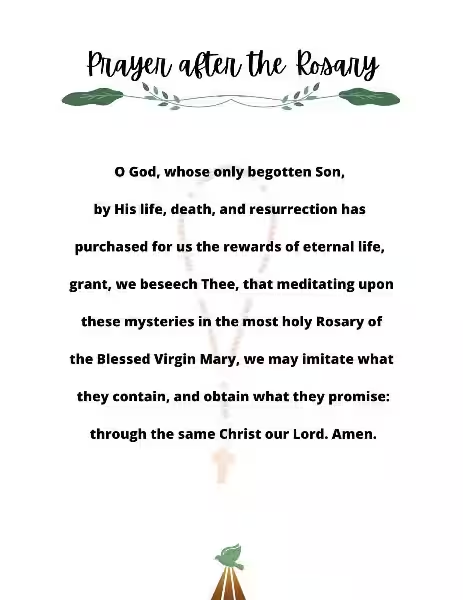
The Rosary, while rooted in the Bible, is a distinct practice, offering a contemplative approach to prayer. It is a meditation on the life of Jesus Christ, presented through a series of “mysteries” – significant events in his life and the life of his mother, Mary. These mysteries are divided into four sets: the Joyful Mysteries, the Luminous Mysteries, the Sorrowful Mysteries, and the Glorious Mysteries. Each mystery is accompanied by specific prayers, primarily the Our Father, the Hail Mary, and the Glory Be.
The power of the Rosary lies in its repetitive nature, which allows the mind to quiet down and focus deeply on the events being contemplated. As we recite the Hail Mary, for instance, we are not just saying words; we are invited to imagine ourselves present at the scene described in the Gospels, to empathize with Mary’s joy, her sorrow, or her awe. This active contemplation, guided by the scriptural accounts, makes the Rosary a deeply personal and transformative prayer experience.
The Rosary as a Tool for Spiritual Growth
The Rosary acts as a spiritual bridge, connecting the reader of the Bible to the lived experience of the sacred events. For example, when meditating on the Annunciation within the Joyful Mysteries of the Rosary, one draws directly from the Gospel of Luke in the Bible. This isn’t just reading about Mary’s “yes” to God; through the Rosary, one can ponder the immense faith and obedience required of her, and how that same spirit of surrender can be cultivated in one’s own life.
The structured rhythm of the Rosary provides a framework for prayer, making it accessible even to those who find it difficult to pray spontaneously. The beads themselves are a tangible aid, helping to keep track of the prayers and the mysteries. This allows the mind to focus on the contemplation of Jesus’ life rather than on counting. It’s a disciplined yet intimate way to walk with Christ, reflecting on his teachings and his sacrifice, and to seek Mary’s intercession as our spiritual mother.
The Bible and the Rosary: A Symbiotic Relationship
The Bible provides the content, the narrative, and the theological underpinnings for the Rosary. Without the scriptural accounts of Jesus’ life, the Rosary would lack its profound meaning and historical grounding. Conversely, the Rosary offers a prayerful and meditative way to engage with the Bible on a deeper, more personal level. It’s akin to reading a beloved novel and then acting out key scenes to truly understand the characters and their motivations.
When you read about the Last Supper in the Bible, you are informed about Jesus instituting the Eucharist. When you pray the Agony in the Garden mystery of the Rosary, you are invited to contemplate Jesus’ struggle and his complete obedience to the Father’s will, as depicted in the Gospels. This simultaneous engagement with the Bible and the Rosary creates a richer understanding and a more profound connection to the mysteries of faith. The Bible illuminates, and the Rosary internalizes.
How to Integrate the Bible and the Rosary in Your Faith Life
Integrating the Bible and the Rosary into your daily or weekly routine doesn’t have to be overwhelming. Start small. Perhaps dedicate a few minutes each day to reading a passage from the Bible, and then follow it with praying one decade of the Rosary, focusing on the mystery that aligns with your reading. For instance, after reading about the Presentation of Jesus in the Temple from the Bible, you could pray the Presentation mystery of the Joyful Rosary, reflecting on Mary and Joseph’s obedience and Jesus’ destiny.
Many find it helpful to have a Bible and a Rosary readily accessible, perhaps on a bedside table or a prayer desk. When you pick up your Rosary to pray, consider opening your Bible to a passage that speaks to the mystery you are about to contemplate. This interconnected practice transforms prayer from a rote recitation into a dynamic encounter with God and his word. The Bible offers the divine truths, and the Rosary provides a structured path to embrace them emotionally and spiritually.
In conclusion, the Bible and the Rosary are powerful companions on the journey of faith. The Bible offers the divine revelation, the foundation of our beliefs, and the narrative of God’s saving love. The Rosary, in turn, provides a meditative and prayerful method to internalize these truths, to contemplate the life of Christ, and to seek the intercession of his mother. By embracing both, individuals can cultivate a richer, more vibrant, and deeply personal relationship with God.
Frequently Asked Questions: Bible & Rosary
What is the Bible?
The Bible is a collection of sacred texts or scriptures that Christians and Jews consider to be a product of divine inspiration and a record of the relationship between God and humanity. It is divided into two main parts: the Old Testament and the New Testament.
The Rosary is a Catholic devotional prayer that involves meditating on the life of Jesus Christ and the Virgin Mary through a series of prayers, accompanied by the use of a rosary bead necklace.
What is the relationship between the Bible and the Rosary?
The Rosary is a prayer that draws heavily on the events and narratives found in the Bible, particularly the Gospels. The mysteries of the Rosary (Joyful, Luminous, Sorrowful, and Glorious) are based on key moments in the lives of Jesus and Mary as described in Scripture.
Can non-Catholics pray the Rosary?
While the Rosary is a distinctly Catholic devotion, individuals of other Christian denominations or even those of other faiths can engage in praying the Rosary. The meditations and prayers can be a source of spiritual reflection for anyone.
How often should one pray the Rosary?
There is no strict rule on how often the Rosary should be prayed. Many Catholics pray it daily, while others pray it weekly or on special occasions. The frequency is a personal spiritual decision.
What are the main prayers in the Rosary?
The Rosary primarily consists of the Our Father, the Hail Mary, and the Glory Be prayers. These are repeated in a specific sequence as one meditates on the mysteries.
Is the Rosary mentioned in the Bible?
The Rosary itself, as a specific prayer practice with beads, is not explicitly mentioned in the Bible. However, the prayers used in the Rosary (Our Father, Hail Mary) and the events meditated upon are all biblical.
What is “religion”?
Religion is a system of faith and worship, often including a moral code and a set of beliefs concerning the cause, nature, and purpose of the universe, especially when considered as the creation of a divine agency.
How does the Bible relate to religion?
For many religions, particularly Christianity, the Bible is a foundational text that guides beliefs, practices, and moral teachings. It is seen as the word of God and a source of divine revelation.
How does the Rosary relate to religion?
The Rosary is a devotional practice within the Catholic branch of Christianity. It serves as a tool for prayer, meditation, and spiritual growth, reinforcing religious beliefs and fostering a relationship with God and Mary.
Are all religions based on a single book like the Bible?
No, not all religions are based on a single sacred text. While many religions have a central scripture, others have multiple texts, oral traditions, or philosophical teachings that form the basis of their faith.